Movies I Watched October 2025
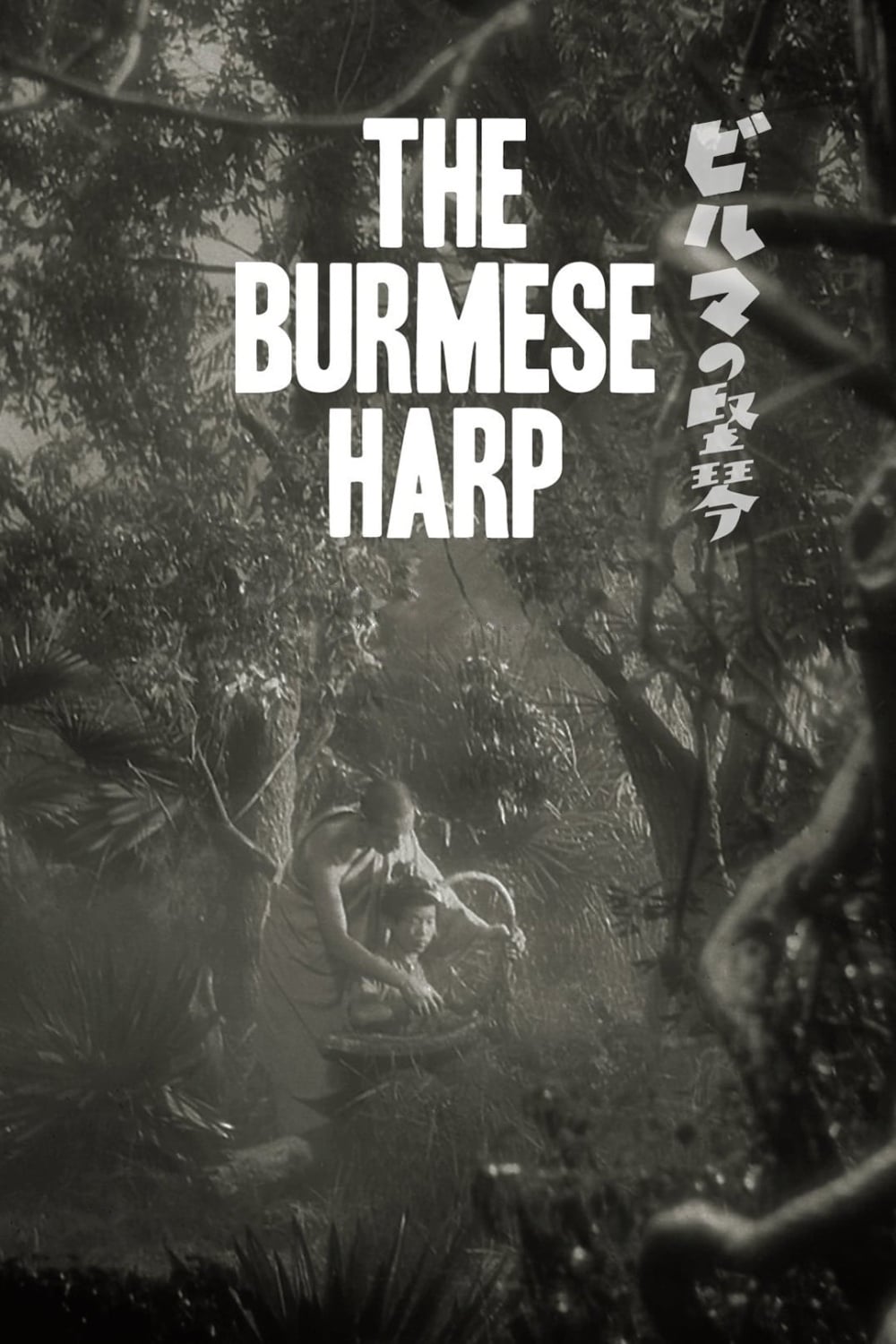
The Burmese Harp - dir. Kon Ichikawa
Skin like a dam holding back swells of pain. When I open my eyes it threatens to pour in through the sockets. What happens when you cannot leave behind the remnants of cruelty? Walk through the corpses. Be immersed in the suffering. 7/10.
-

Avatar - dir. James Cameron
Terrible worldbuilding. Alien world where all the aliens ride alien horses and use bow and arrows. And look like tall people. Dances with Wolves for people who think Telltale Games is cinema. Graphics aged like ass. For one of the highest grossing films ever made you could probably not find a single person who could quote anything from it off the top of their head at gunpoint. I just tried watching it and the information has already slid off my brain like water off a duck’s back.
Why does James Cameron have shooters? He’s like if you took the lamest aspects of Michael Bay and Steven Spielberg and turned them into an artist.
-

The Smashing Machine - dir. Benny Safdie
In the witching hours I wake up in a puddle of sweat, delirious, rearranging my joints into a mold that’ll fit neatly into the cooler side of the pillow. When she asks me, half-asleep, if I love her, there is no easier thing in the world than to fit the puzzle piece that is her body into mine and hold her close; it matters little that her soft straight hair tickles the tip of my nose and that my arm is falling asleep under her neck, all that matters it that I am warm.
Daybreak rears its ugly head and I am callous, insensitive, particular. I am greedy with my privacy, I push her out. I don’t understand myself nor the elastic band I pull in my heart til it snaps. The outside air is cold, all I seek is a seat from which I can read. All I seek is the next destination. All I seek is the next role, the next win.
The Smashing Machine had a zenlike hold on me. An intensely empathic character study. 7/10.
-

Burning - dir. Lee Chang-dong
Something was lost and it was never found, a particle of your soul–the one that glued it together–was thrown haphazard in the wind for the crows, the cauterized burn wounds at the ends, plumage of a bird that was clipped. Husks of men, vessels of women, the punishments of society eked out in echoes of fate through ice and flame.
I think people are harping too much on the Murakami-isms and not enough on Lee’s commentary on his own nation’s culture and society. This is a movie about rightful young Korean angst, about a soldier who comes home from the mandated service to destitution, who must spend his life repenting for his father’s single-minded stubbornness which drove his family apart and left them with nothing. If only he’d moved to Gangnam like he was advised…
It is not a coincidence that Lee places a shot of Jong-su taking a piss in the background of a television playing news; Korean newscasters talking about Donald Trump… later we see a conversation amongst wealthy young Korean socialites where they discuss the Korean propensity to be overly conscious of others (in comparison to the Chinese whose self-centeredness they liken to that of Americans). Korea pisses away the youth’s future as they idolize their hyper-capitalist influence.
When we meet Hae-mi her breasts are small. She talks about having had cosmetic surgery. The next time we see her topless it is evident that she has had breast implants. We later find out she is in enormous credit card debt. She has fallen down a well, whether it is true or not–she is lost, missing, dead, murdered. She is a toy for the rich. She is pushed into destitution by class anxiety and pressure to conform to standards that are unfeasible.
Ben has an American accent. You would not know this if you weren’t Korean, but my best friend’s mom told me once that she had a hard time watching the film Minari because Steven Yeun’s American accent was too obvious to believe that he was a Korean immigrant. I’d like to posit the idea that Ben represents the noxious American influence on Korean society and politics, which ties back to their non-critical coverage of Donald Trump earlier in the film. I noticed that the newscasters seem ambivalent or even positive on Trump’s policies–he is not treated as the fascist that he is but rather as a successful capitalist who will place the needs of his nation first. A deliberate juxtaposition with the newscasters talking about the obscenely high Korean unemployment rates. Korean society falsely places American society on a pedestal, due to what essentially amounts to soft imperial presence.
Ben is this soft imperial presence. Smiling, he burns greenhouses. Smiling, he snuffs the life out of the poor. Smiling and enigmatic, he has unimaginable wealth to Jong-su with no clear reason as to why–likened to the Great Gatsby (a distinctly American figure). Foreign money, foreign power, foreign influence. He sees these lower-class Koreans as playthings that he can toy with until he gets bored. He flouts the law and knows he can get away with it because the government will not treat a wealthy American as harshly. He smokes weed (extremely illegal in Korea) and he burns “greenhouses” (can be taken literally or metaphorically, whichever you prefer). The law will not act against him because the law serves the rich.
My friend on here, @sniperman720, talks in his review of the film’s Marxist overtones, how it portrays capitalism as a force which robs poor people of their agency and turns them into emotionless husks. I agree with this, but I would also extend this description to the wealthy, because it is established early on that Ben is ALSO a husk. He is incapable of shedding tears or feeling sadness and so he supplants these emotions by immersing himself in others’. His class status robs him of the ability to feel true empathy.
The ending is one of the truest calls to revolution I’ve ever seen in a film. The Tesla must be burnt to a crisp. The upper class must be destroyed, non-violently or otherwise. The clothes on our back must add fuel to the fire, and we must start fresh, in the cold, in the dark, with only the light from our torched past to guide us into a new future. Korea will burn, but it will heal.
10/10.
-
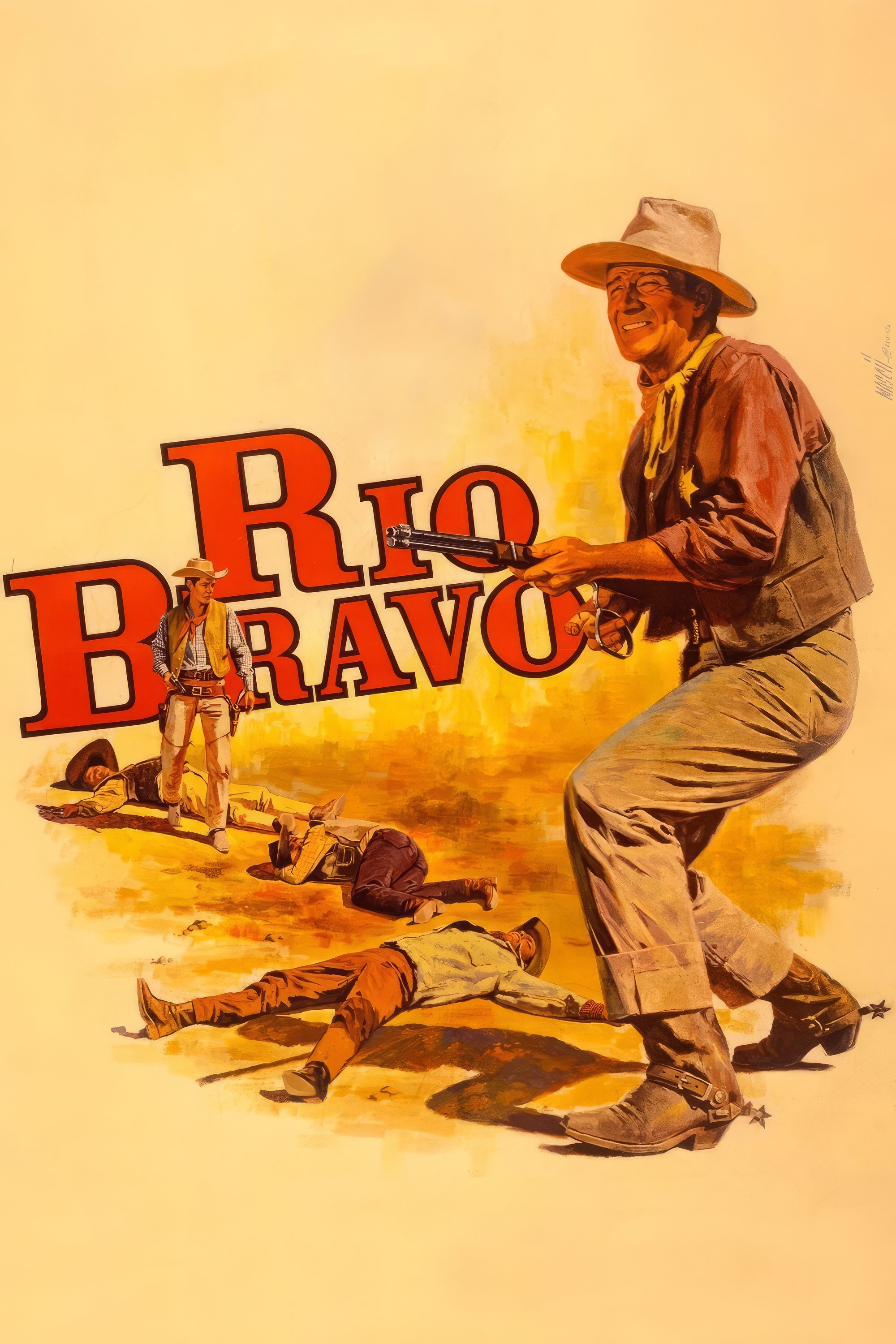
Rio Bravo - dir. Howard Hawks
Action begets redemption, it is better to do than to speak, it is better to shoot than to cower. Masculine principles. Howard Hawks just fucking gets it, and once his style clicked for me it was over. I’m in love with the atmospheres he creates. The scene where the guys just sing cowboy ditties together for four minutes is unironically the peak of the art form. Hawks isn’t for the boys, he’s for the men. 8/10.
-

Shanghai Express - dir. Josef von Sternberg
Faith over reason, love as an act of self-inflicted amnesia and blind luck, also an examination of the strange threshold space that is the train. The bond of being stuck on a journey with other passengers. From one place to the next, between points of juncture, between touch and escape, touch and go, a reminiscence and a destination. Beautiful, beautiful, beautiful. If I’m paying 300 dollars to take an Amtrak to see my girlfriend in New York, it better come with allllll this. 8/10.
-
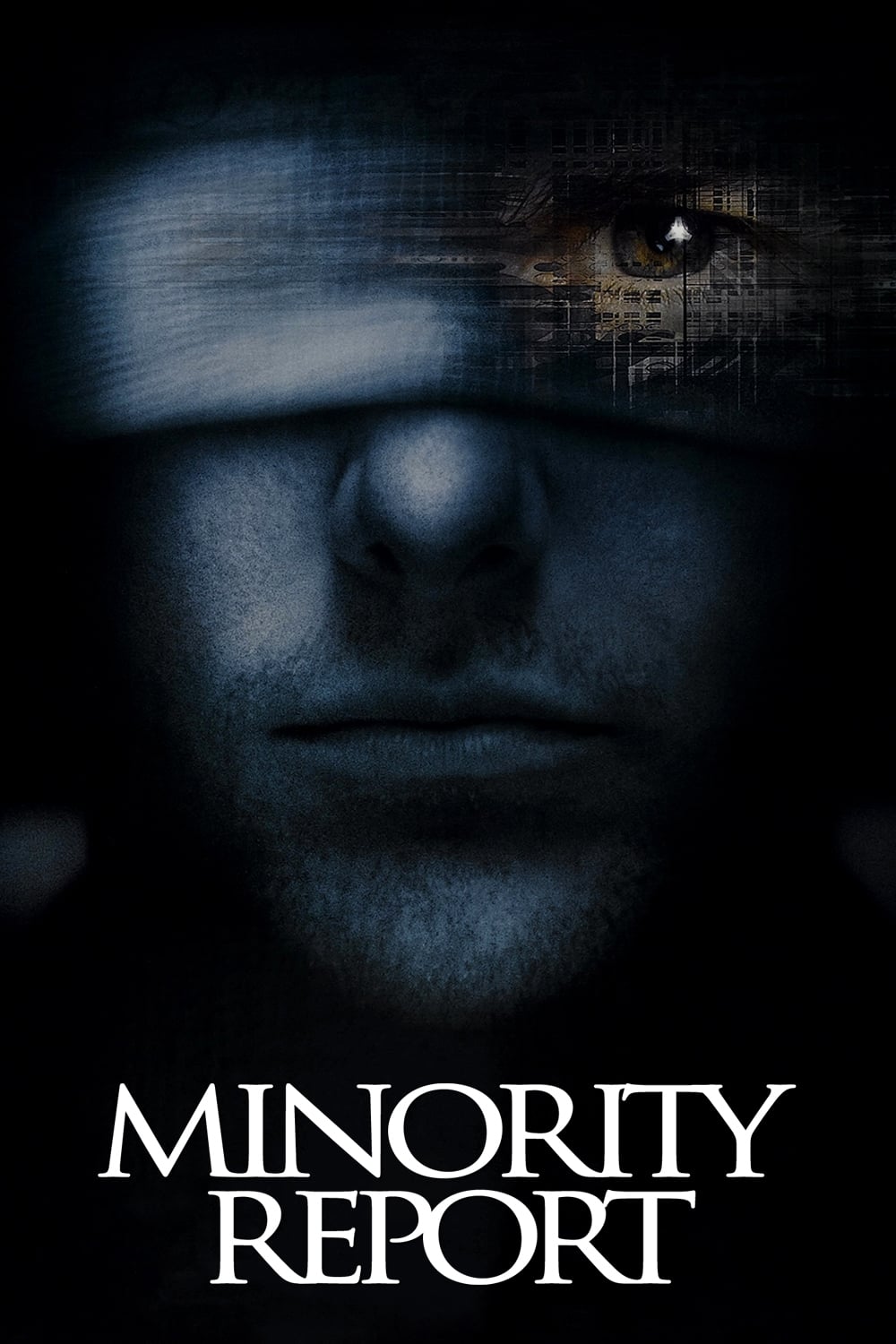
Minority Report - dir. Steven Spielberg
Kind of just fucking unreal. Surveillance spiders. Eye replacement. Using divination to evade the cops. Jumping from floating car to floating car on a vertical highway. A web of memories and lies and grief and trying to get that kid back and failing and learning to live with the pain and oh my god I’m realizing Spielberg is truly not just one of the best directors to ever live, not just the best filmmaker America ever produced, but one of my personal favorites, one of my icons who I will spend the rest of my life studying and hopelessly trying to emulate just like everyone else. His movies are part of my DNA now, like Morocco or obsessive compulsive disorder. Nobody, and I mean NOBODY, has been doing it like him. 9/10.
-
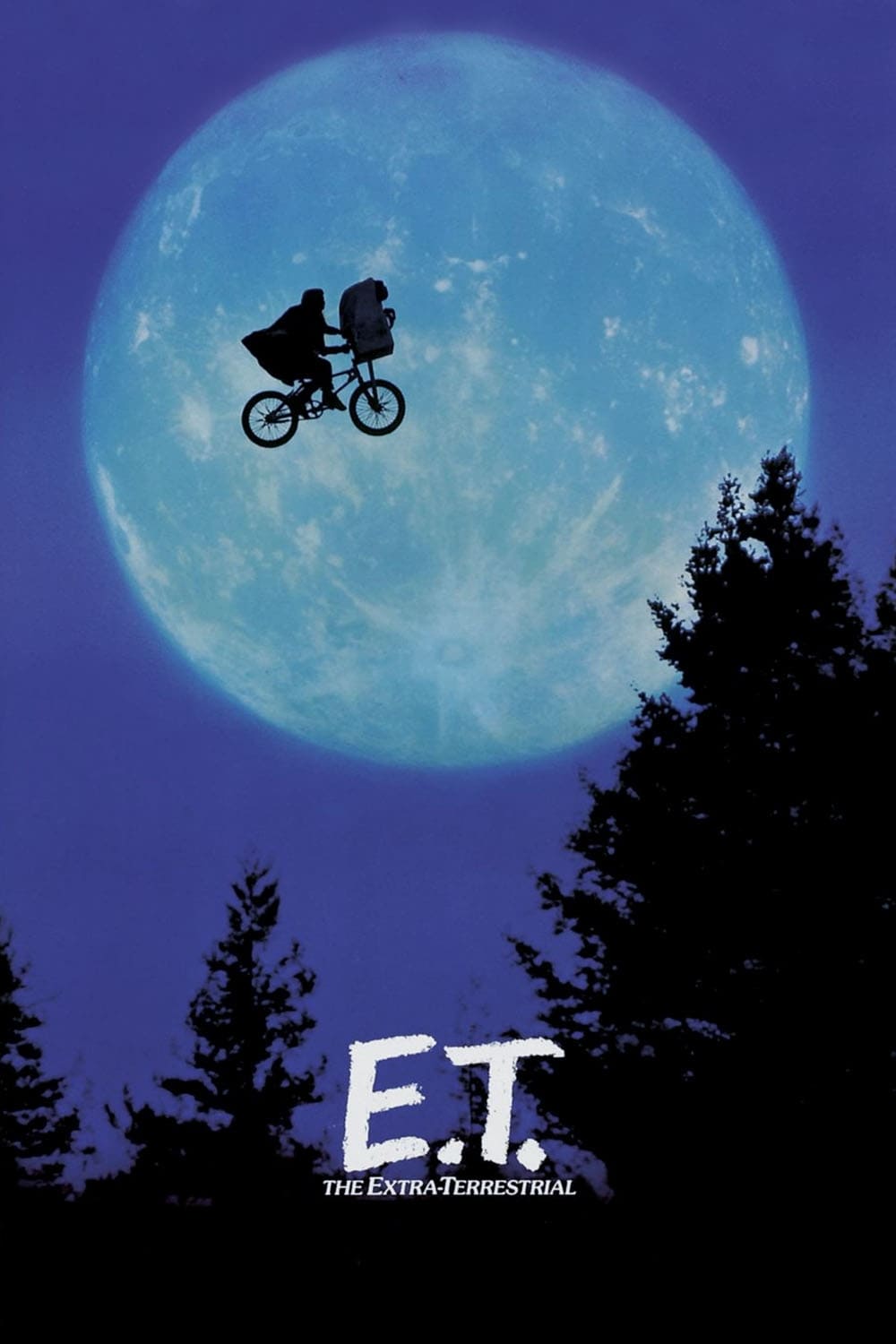
E.T. the Extra-Terrestrial - dir. Steven Spielberg
I cried at the end like any other human being with a heart and a soul but I can’t deny that for most of the film I was implacably bored. I just don’t like aliens as plot devices for other stories. To me an alien MUST be an alien, it can’t be utilized as a tale of grief. I know I sound like a dick, I just don’t get much fascination out of ET, he feels a bit manufactured to me. Look the cute alien is eating M&Ms and drinking coke and beer! Look the cute little alien is wearing girls’ clothes! Look, now the cute little alien is watching John Ford on TV! Elliot’s showing the cute little alien his Star Wars figurines and his Pez collection! It’s a panoply of hyper-American references, nobody’s going to love this more than an American child who grew up in the suburbs and that was never really me. 6/10.
-
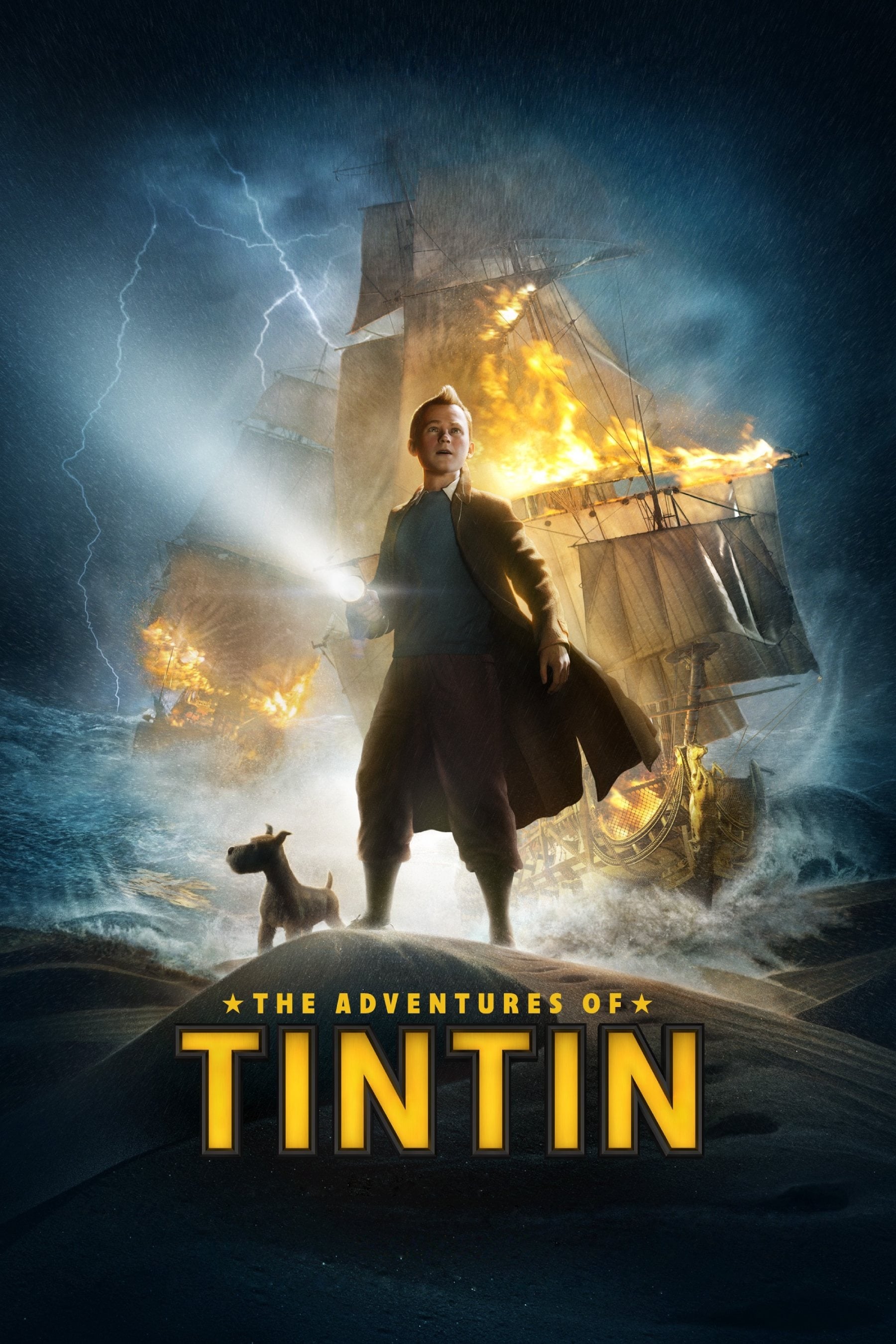
The Adventures of Tintin - dir. Steven Spielberg
Indian Jones 4 or 5 this is not, but as far as lesser Spielberg joints go it’s still pretty palatable. Falls into the ET/Jurassic Park wheelhouse of feeling too much like a giddy kiddy toy set for me to buy into the awe and wonder of the adventure, it doesn’t help that, while not butt ugly and soulless like a lot of newer Pixar fare might be, the animation style still comes nowhere near close to anything we get in the Indiana Jones series. I think the movie being animated was the right choice, just wish it was a bit less wonky looking. 6/10.
-

War of the Worlds - dir. Steven Spielberg
When Spielberg shows a man committing murder, he does not show the bloodshed but rather the child distracting herself by singing. The horror takes place macrocosmically, pulled back to show terror in the populace but almost never between individuals until the surveillance tentacles are deployed into the bunker.
The whole time I keep thinking, yeah… this isn’t a war. Tim Robbins’ character confirms my thoughts, and I cannot help but feel Spielberg made this in response to the asymmetrical warfare in Iraq. How ridiculous it was for the United States to “go to war” with a country that couldn’t even compete. Millions of corpses later it looks less like a war, more like an extermination, as Robbins says.
The use of Holocaust imagery haunts me as well, when the humans are all packed into these cages or hiding in basements, I have no doubt Spielberg was tapping into elements of his Jewish psyche to come up with the most viscerally horrifying sequences he could dream up. And in a way, even though this isn’t technically a horror film, it’s some of the scariest shit you’ll see. It injects horror sensibilities into a blockbuster template. It sincerely feels like the most expensive horror film ever made. 9/10.
-

The Lake - dir. Lindsey C. Vickers
Typically, I would not give a 33 minute film a rating as it falls below feature length qualifications. I will make an exception for Lindsey C. Vickers, the absolute fucking horror master that he is, for he only has this and The Appointment to his name, and I consider that a cinematic tragedy. More people should watch his TWO movies (!!). In fact, I will provide a link in the comments if I am asked, as The Lake is available on youtube at high quality. I don’t wanna jump the gun in case that causes it to be made unavailable.
Vickers understands the core principle of horror; that which is unknown is terrifying, and revealing answers is never as satisfying as dangling questions. He understands that horror is not found in screaming or blood but in spaces. The modern obsession with the close-up is folly. We do not need to see the characters’ fear on their faces to be afraid, just like as actors it is often in holding back tears that we elicit tears from the audience–they feel what we do not permit ourselves to. The fright in this film emerges from a figure drawing closer, from not being able to see past the opaque surface of the haunted lake as it dooms those who enter it, in the anonymous shadows of the sylvan glen.
That said; the work should not be so vague as to be utterly tedious, and Vickers doesn’t skimp on actual horror either. He gives clues, images, and suggestions without planting anything concrete. He is a holistically visual director, strip his movies of dialogue and they remain just as chilling.
Give this a shot. I implore you. 8/10.
-

Le Bonheur - dir. Agnès Varda
Or, the film that sees Agnes Varda claim her rightful place in the grand halls of cinematic mastery. Forget about WHAT this film actually has to say for a minute and think about HOW it says it. To me, the reason we talk about form at all is to try to unravel the methodology behind the art. We can discuss subjectivity or theme or content all we want, the end-all-be-all is that there is a mind chugging in the background and we NEED to see the wizard’s machinations to untangle the tapestry.
Or, more simply; Varda as a non-cinephile (according to her she’d seen maybe 20 films by the time she was 25… queen) knew the art better than the students. Her work only seems complex because of how conversely simple it is. The fact is, when you watch an Agnes Varda movie, she is telling you exactly what she wants you to know. She is playing a game with you and she wants you to pick up the pieces and play along with her. That’s why she indulges in the comedy of editing so often, like when Terese asks her husband who he prefers between Moreau and Bardot and he says “you” (then we cut to his locker in the carpentry workshop and its decorated in an obscene panoply of Bardot pictures… LOL).
This is why it’s so hard to write about her work without getting into symbolism and metaphor. Her work almost entirely speaks for itself and it does so without imagery so much as montage and contradiction. That’s not to say the images themselves aren’t spellbinding–they are, some of the most beautiful to come out of the 60s–but that she is not operating on a traditional stationary aesthetic. Let’s put it this way, if Lav Diaz uses the forlorn simplicity of the held wide shot to communicate his ideas, Varda uses the cut. Not for coverage, not to grab your attention, to illustrate relationships.
I almost don’t know if it’s WORTH discussing the “message” of this film. Men are selfish, women are lonely and disposable, and society/the family unit is built on lies and lies and lies. WHO CARES about that, though? We all know this! The real meat and potatoes, then, the reason we’re here, the reason this movie is fucking incredible is because nobody but Varda could have made it the way she did. Transfixing, bitterly funny, and wildly inventive.
9/10.
-

A Fish in the Bathtub - dir. Joan Micklin Silver
Jewish hetero-optimism, a kind of antithesis to the agony that is The Heartbreak Kid. Instead Joan Micklin Silver plays into Jewish neuroses but resolves them without fanfare. The old Jewish guy and his Catholic wife make it work, the schmucky Jewish husband fantasizing about shiksappeal turns back before it’s too late and stays faithful, and the Jane Adams Jewish American Princess finds love in a hunky gentile who really seems to be in love with her. Jane Adams is so damn cute and I’m glad Silver sees it too. 6/10.
-

Rio, 100 Degrees F° - dir. Nelson Pereira dos Santos
I miss the taste I had in movies a few years ago, when my favorite thing in the world was social/class realism. City of God was the movie that made me want to make movies. It was the movie that made me think Brazilian cinema was the best there was. And I do like Brazilian sensibilities, there’s nobody in the world who can depict poverty like they do, but I just don’t have a lot of patience for this kind of slice-of-life anymore unless it’s meditative or lyrical. Especially if it’s politically charged. I think I prefer politics as subtext instead of as text. Generally, that is. 5/10.
-

The Incredible Shrinking Man - dir. Jack Arnold
Highly anxious 50s work that starts with domestic bliss and ends with the man shrunk to the size of a pea and existentially cornered in his own suburban home. What I love about these in-your-face genre pleasures is that, when well-directed, they can elicit a lot of different interpretations without insisting on a correct read.
The ending is transcendent in a way that I doubt anybody expected, in 80 minutes a lot of material and perspective is unraveled; our main guy meets another dwarf (that their appearance is nothing like that of a real dwarf is not lost on me lol) and contends with his quasi-religious struggle only to be further tested, and then further tested still. The whole thing strikes me as a manifestation of dread on the part of the postwar generation in reckoning with their diminished importance as science reveals more and more human insignificance in the cosmos, especially now that the power of the sun lies within our grasp.
We’ve never been more powerful and yet we’ve never been less relevant. The film is a simple pleasure with surprising revelations. 7/10.
-

Neon Bull - dir. Gabriel Mascaro
I appreciate the long takes and spatial awareness, not so much the dryness of the setting, I never felt like I was permitted to inhabit this world so much as merely observe it. 6/10.
-

The Wind of the Night - dir. Philippe Garrel
She takes off her coat, you take off your suit, unbuttoning and letting the garments fall to the floor in the dingy hotel room. You’re both too old to enjoy something so spontaneous, at this point the one thing propelling you into her body is a kind of spiritual, ancient obligation; the rest is driftless absence, contradicting memories jangling in your head like old beads in a maraca. 8/10.
-
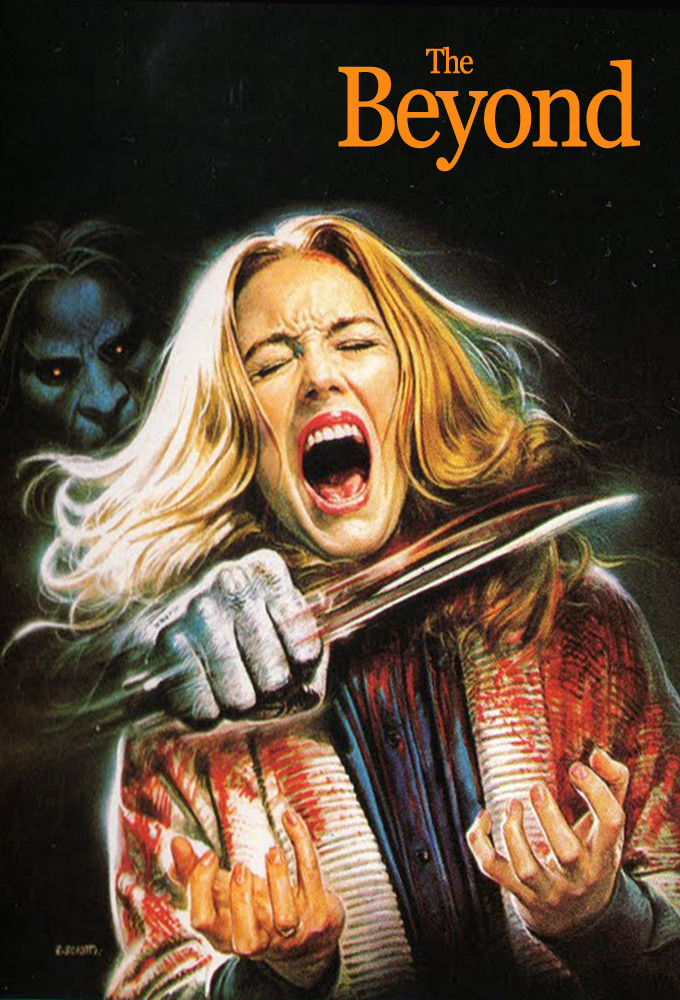
The Beyond - dir. Lucio Fulci
Concept seems really promising, an entrance to Hell is discovered, what kind of crazy cosmically terrifying sci-fi possibilities could that entail? As it turns out, not much besides slow moving zombies that seem pretty easy to maneuver around. I mean come on, it’s a trope for me to say “this would’ve been better if Stuart Gordon made it” but this time it’s really true! I believe this would have been incredible if he made it!
Some great special effects though. 6/10.
-

Raw - dir. Julia Ducournau
One of the most influential movies of the last ten years, unfortunately. 4/10.
-
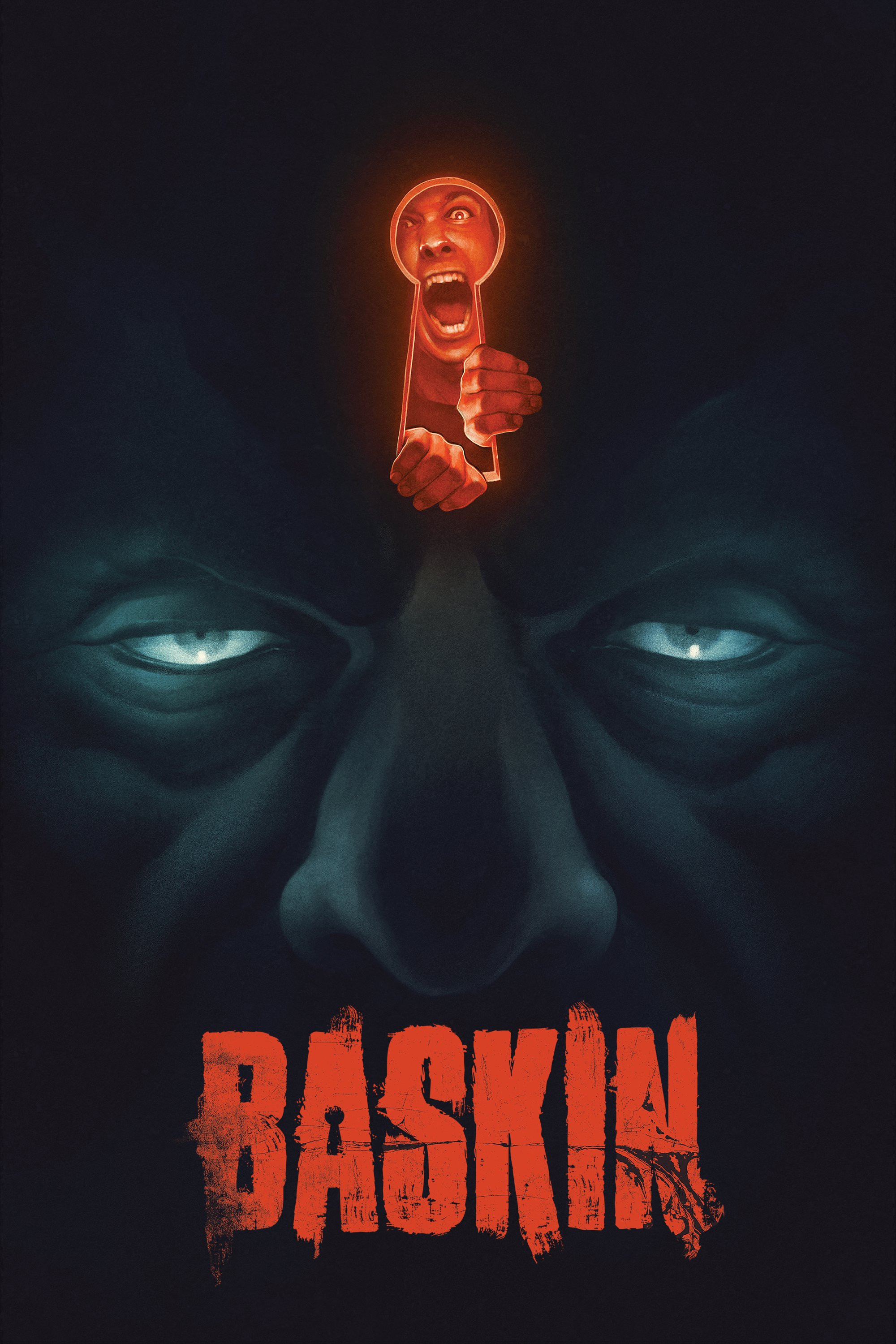
Baskin - dir. Can Evrenol
I was expecting something more cosmically terrifying and this did not scratch that itch. I also think a lot of independent horror filmmakers are overreliant on harsh neon lighting instead of good composition. It’s taking notes from Hellraiser but it’s not as visually clear in its communication. 5/10.
-

Under the Blossoming Cherry Trees - dir. Masahiro Shinoda
These “Japanese folktale” movies are the most boring thing on earth…
-
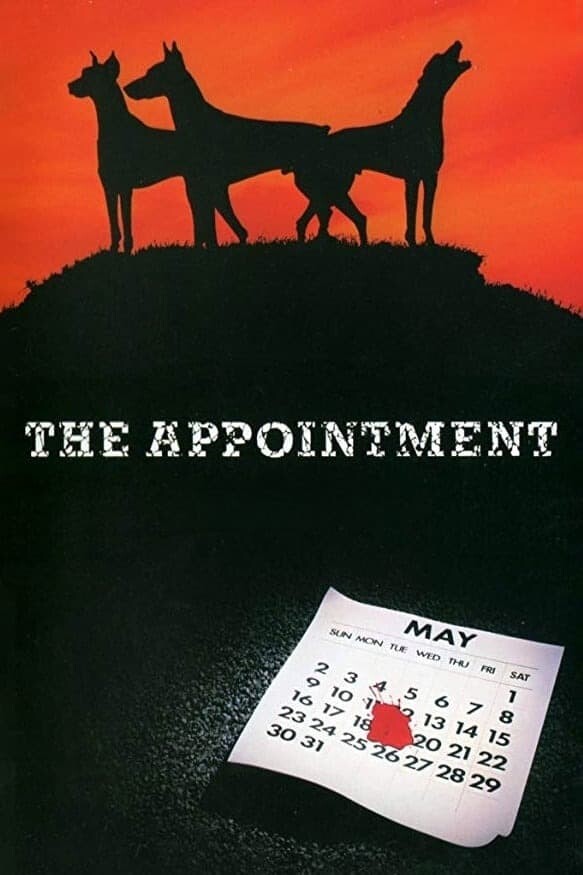
The Appointment - dir. Lindsey C. Vickers
So the Britons CAN bring it, when push comes to shove.
You can tell a movie is well directed when it seems like nothing is happening and it’s still utterly mesmerizing. It’s the touch of the artist whose worldview can elevate the actual scene-by-scene work and turn it into something special. That’s what’s happening here. Vickers is in full command of the frame and guides your attention exactly where it needs to go. One of the most telling shots of the whole movie is when he places the frame on the phone booth and teases the audience with the truck in the background. That push and pull relationship is the bedrock of the horror genre, imo.
This whole movie is imbued with such a nasty demonic energy. Simple scenes become chilling. The opening scene of the movie actually scared the shit out of me, and I won’t spoil it because it took me completely by surprise. It’s an incredibly creative jumpscare.
Then there’s the scene between Joanne and her dad at night. Again, nothing is actually happening but because of the score, the facial expressions, and the lighting, the moment is transformed into something transgressive. I am still thinking about these two scenes.
As far back as I can remember, I’ve had recurring nightmares of dogs attacking me and being forced to fend them off with my bare hands. So obviously the dream sequences worked for me.
I love when I watch a movie off of my radar and it turns out to be excellent. This is a must-watch for any horror fanatic. 8/10.
-

Nightmare at Shadow Woods - dir. John Grissmer
Poster promises a more sumptuous, stylistic experience than what you actually get.
Soundtrack is gas though.
-
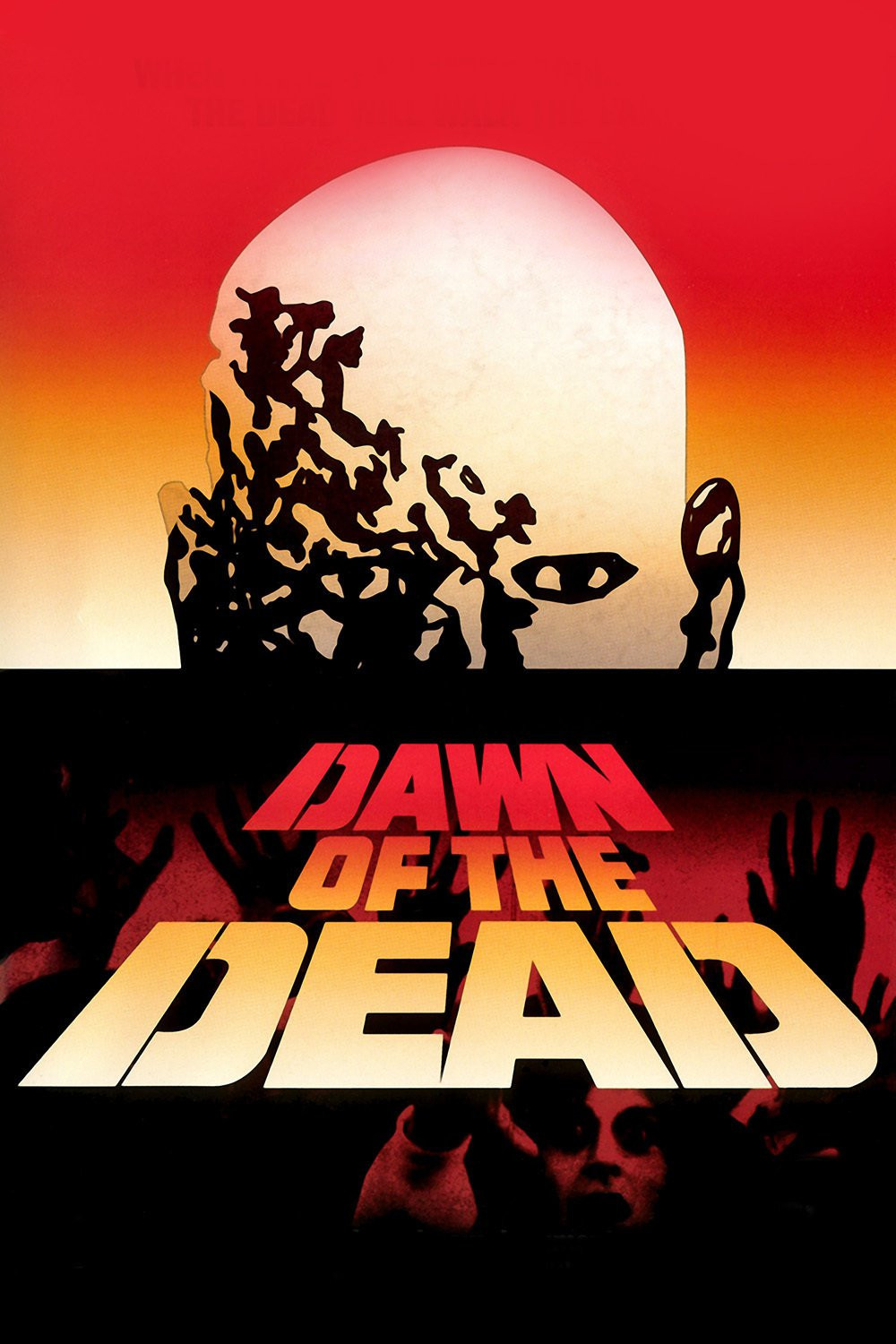
Dawn of the Dead - dir. George A. Romero
The only adjective that comes to mind is “dweeby”.
-

Impossible Horror - dir. Justin Decloux
Too many filmmakers think they have what it takes to make a horror movie. Why do people see the genre as such an easy layup? I ask this question but then I look at horror fans and I have my answer, they are by far the easiest demographic to please. Possibly more so than Disney adults, though I may be getting ahead of myself…
-

Legend of the Mountain - dir. King Hu
The longest, most expensive looking, beautiful B-movie ever made. I think I liked it, mostly, it just doesn’t make much effective use of its genre templating. The best stuff is the non-horror, the non-story. Peaks when we’re in nature walking around. 6/10.
-
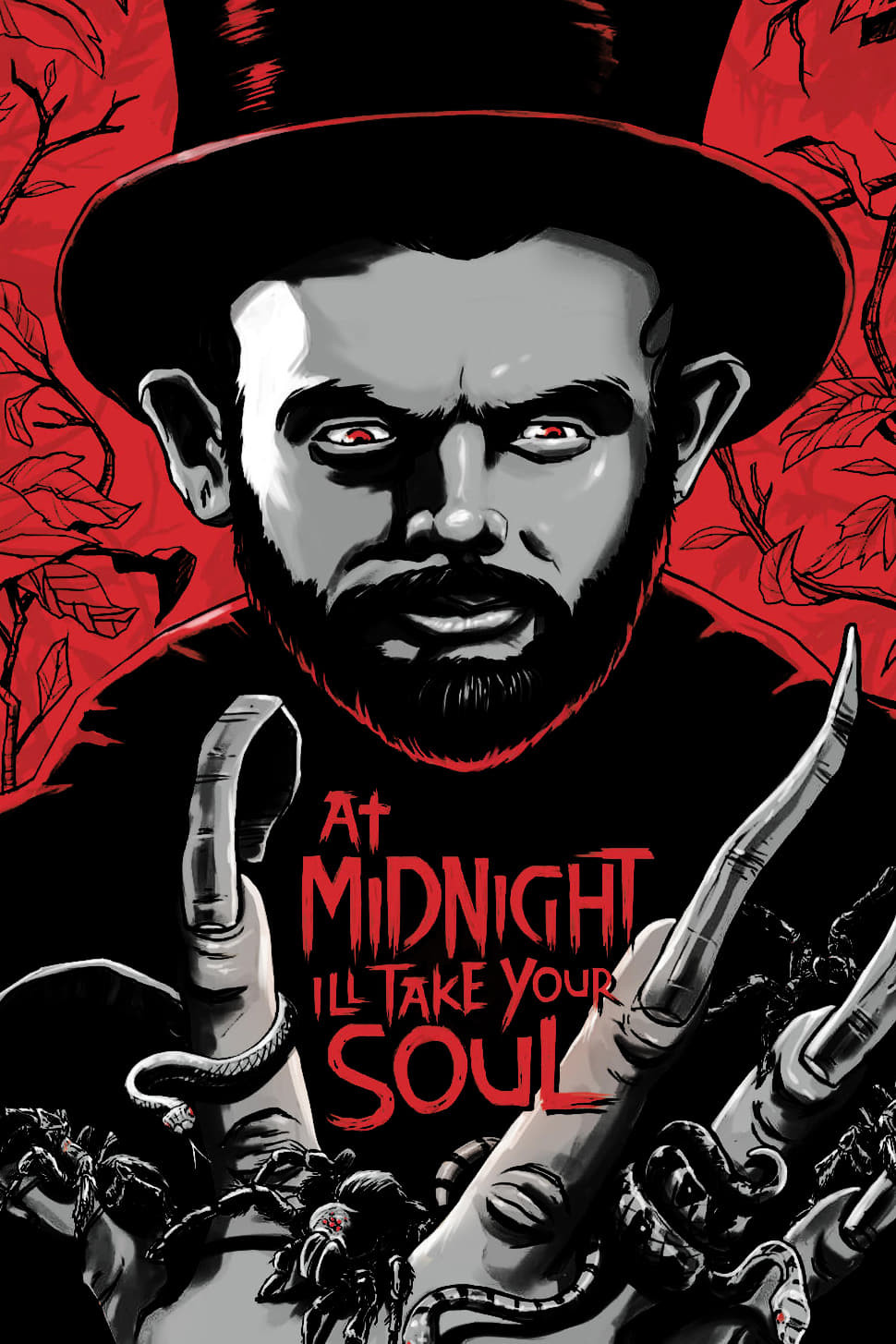
At Midnight I’ll Take Your Soul - dir. José Mojica Marins
First 20 minutes are just a guy going around being a violent piece of shit to everyone. I can imagine there are some sociopolitical ramifications but on a sort of fundamental level I see no intrigue in the material. Who cares?
-

Kwaidan - dir. Masaki Kobayashi
The first two stories are phenomenal, the back half is utterly tedious. Beautiful soundstages and cinematography, some of the best the medium has to offer, but I cannot pretend I wasn’t bored out of my skull for 50% of it. 7/10.
-
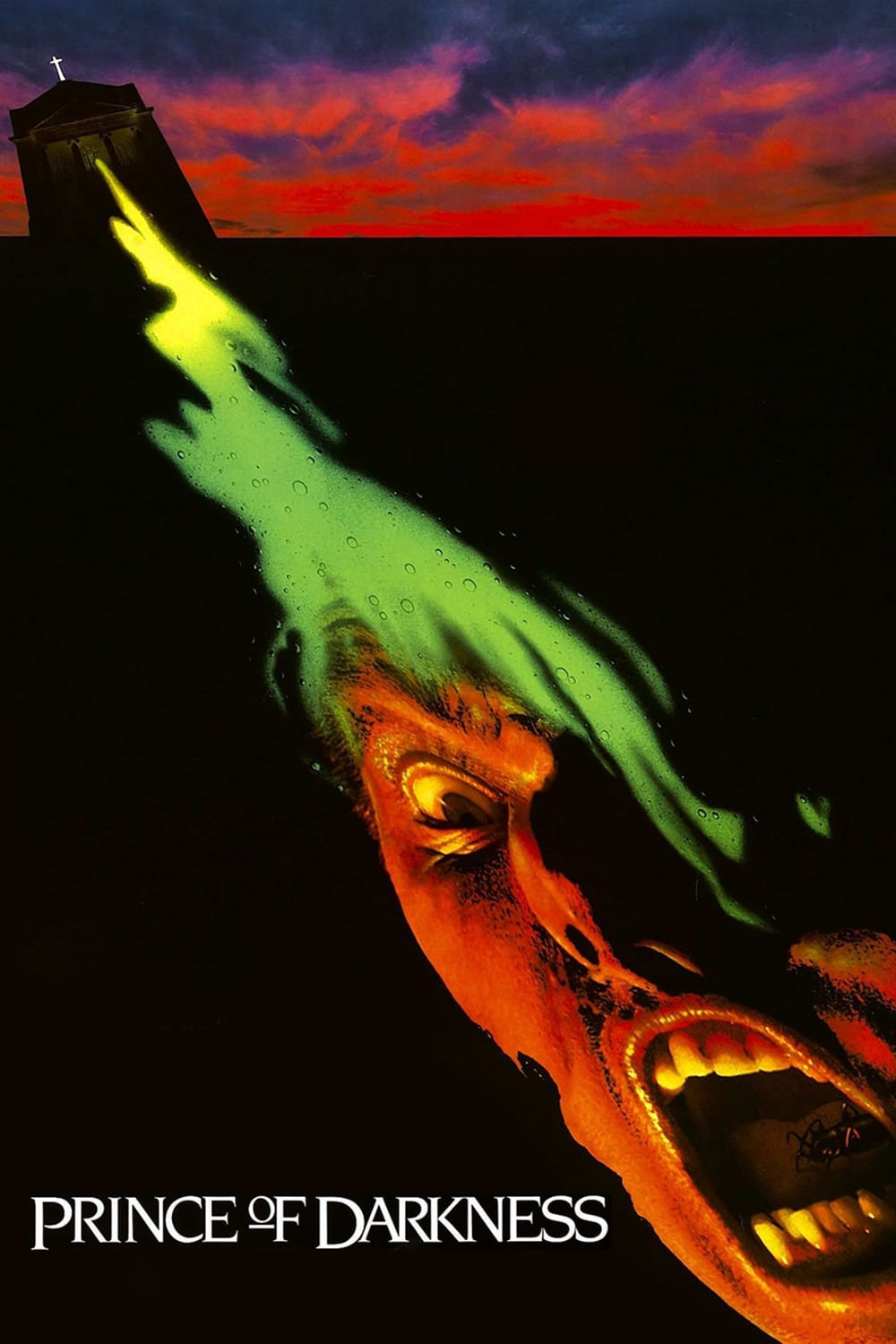
Prince of Darkness - dir. John Carpenter
Within us lies a demon in wait, creeping dormant in all the institutions we hold dear, taking refuge in the lies we convince ourselves of–that we know the truth of the universe in the form of physics or in the form of God. Perhaps we know something, but it is not enough. The warning signs are there, we dismiss them as dreams. Prophecies in the form of hallucinations. The only thing the Antigod respects is sacrifice. A life claimed is armageddon delayed. 8/10.
-
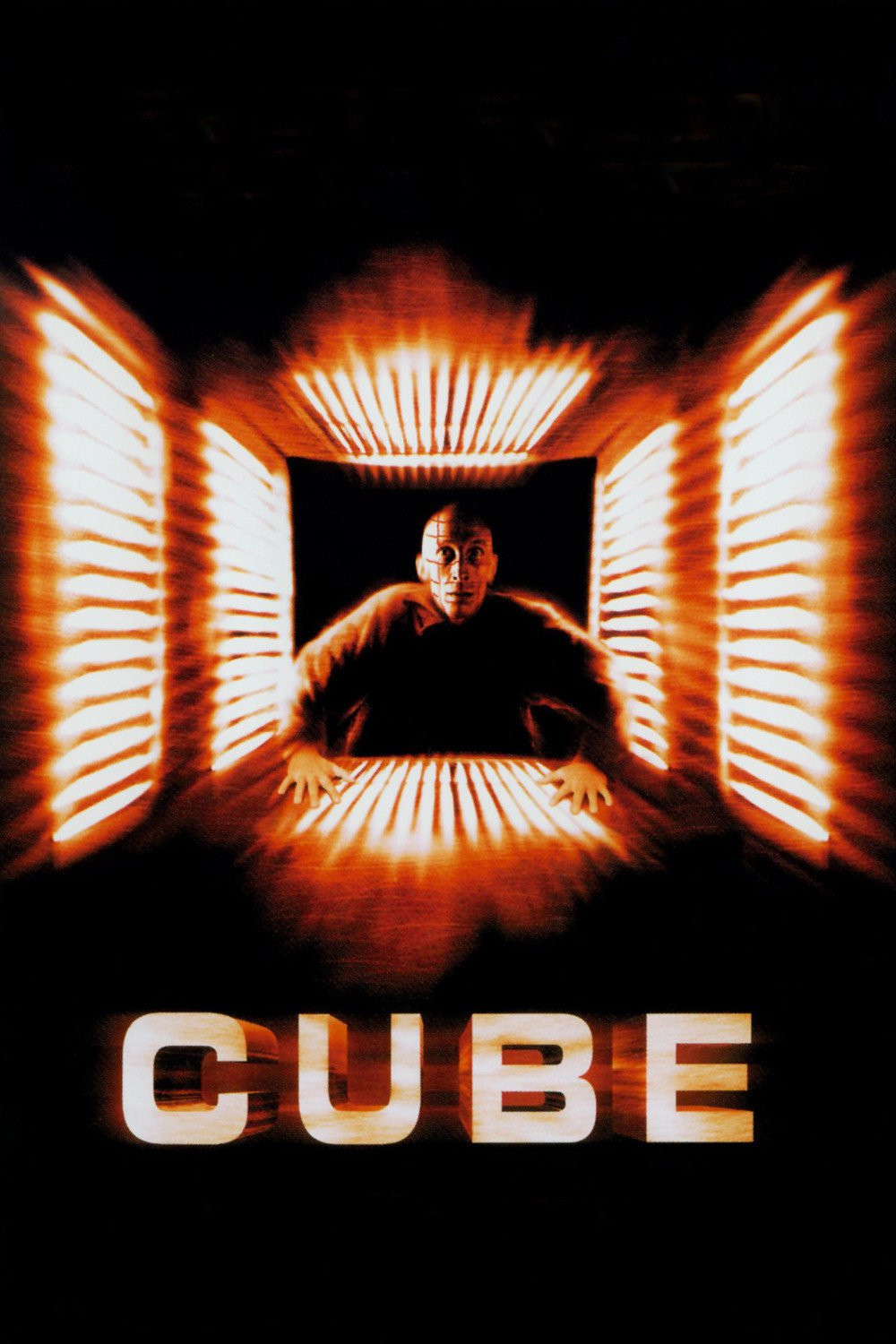
Cube - dir. Vincenzo Natali
Alright, I’ll bite…
The cube as a manifestation of our self-generated hell. Worth says he got paid good money to build the exterior. He didn’t know what it was for, all he knew was that his means were being provided for (not that it even mattered since he’s got, quote, “Nothing going for him out there but human stupidity”. So it’s not like anyone’s really happy, they’re just comfortable. The cube has no explicit purpose, it’s this gigantic “public works” project that needs to justify its own ludicrous expense via self-perpetuated suffering, so in go the guinea pigs. 6/10.
-

Cuckoo - dir. Tilman Singer
As far as “misunderstood obscenely attractive person goes to weird place where nobody believes her when weird body horror stuff starts happening and it’s really about trauma” horror goes, you can get much, much worse than this. 5/10.
-
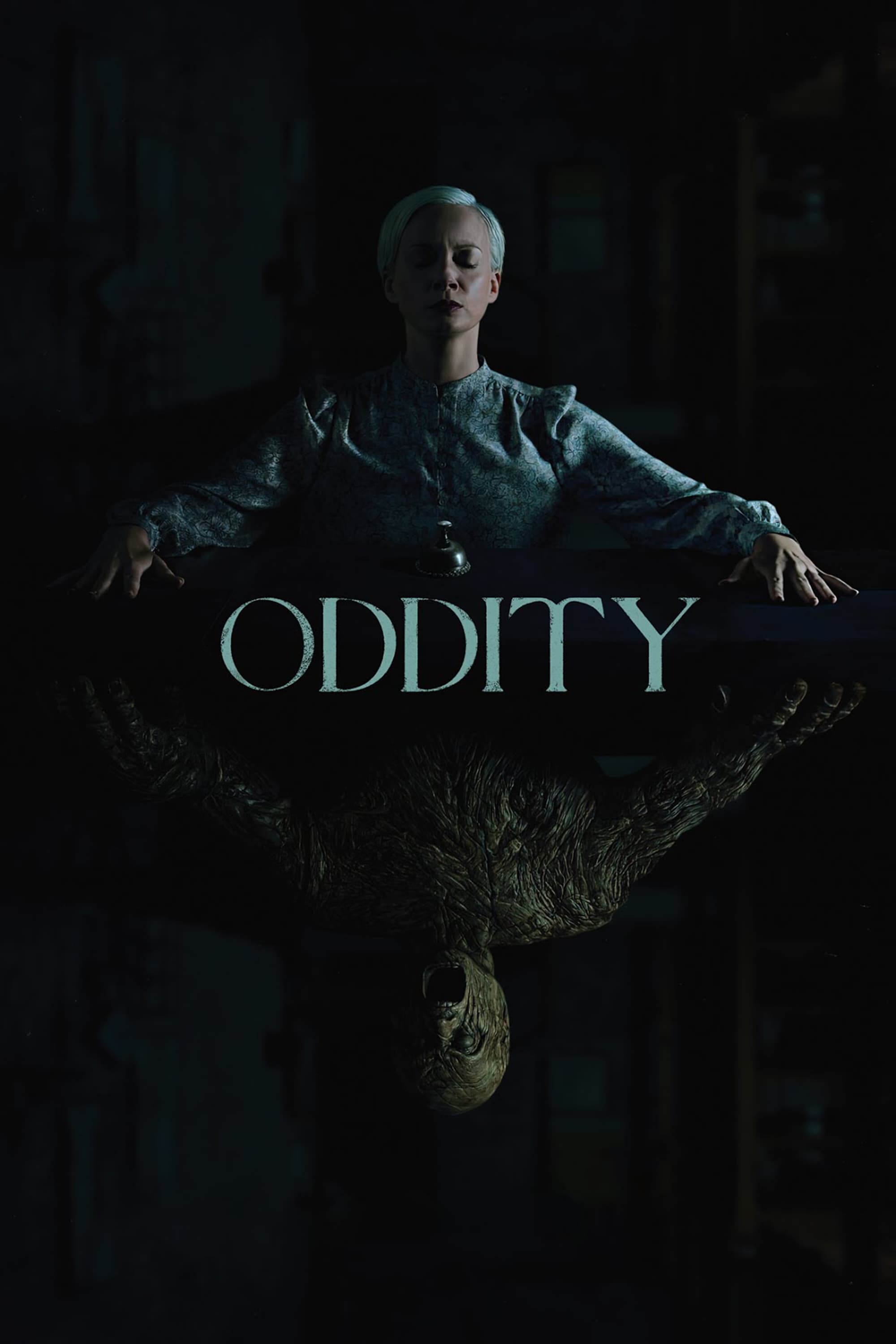
Oddity - dir. Damian McCarthy
So scary at points that I almost cried, which rarely happens. I think the tension is played perfectly. Extremely well executed, was going to give it a higher score until the very end which left a bitter taste in my mouth. @KaoriKap nailed it when she talked about this movie’s views on control, specifically the way it deals with the rationalization of the senses to exert power over others. I hesitate to name any scenes that demonstrate what I mean, but let’s put it this way–it’s obviously important that the main character is blind. Very Oedipus Rex that it is not reason or rationality that forces the final justice but the knowledge of the blind. 8/10.
-
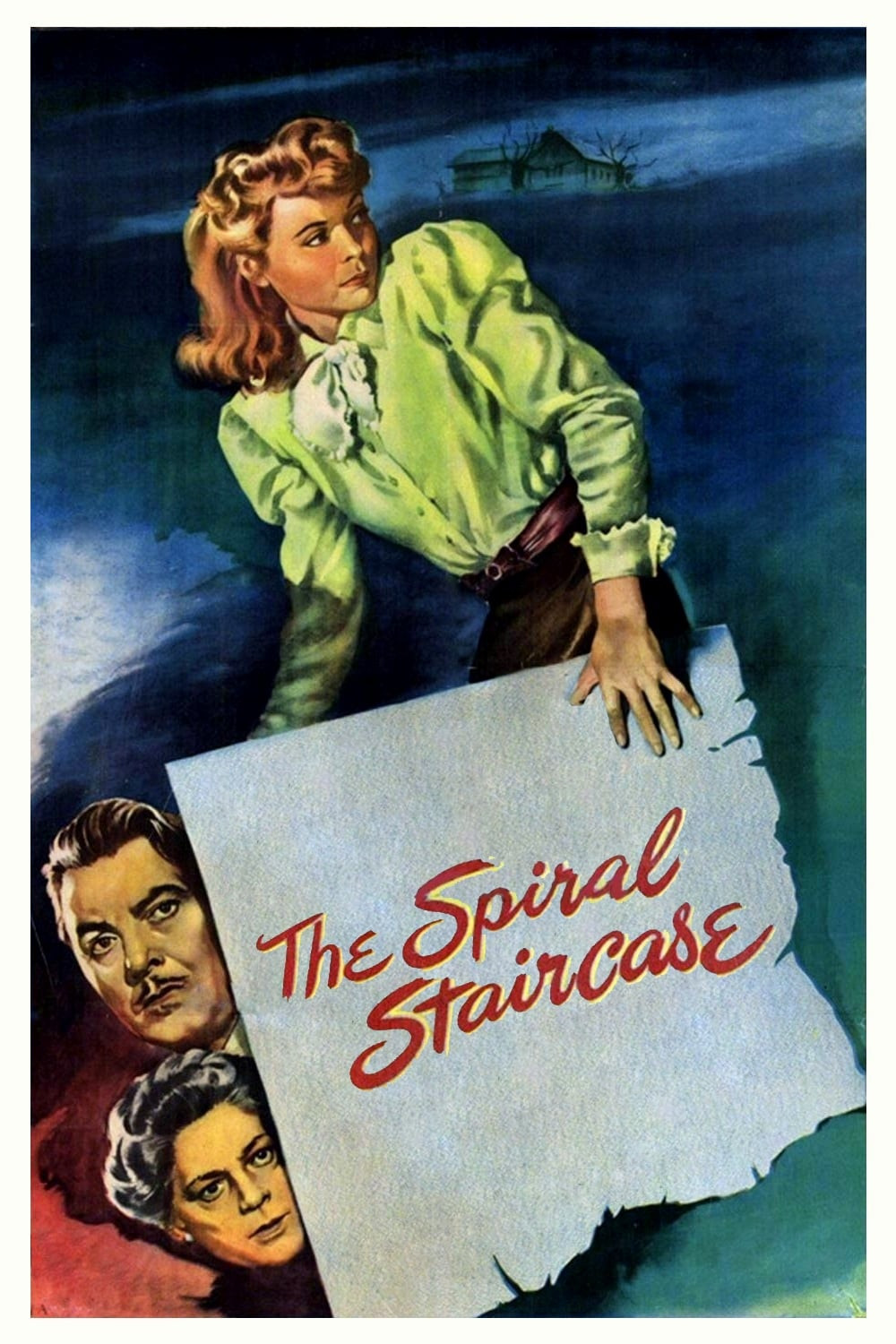
The Spiral Staircase - dir. Robert Siodmak
Inventive and visually splendid, Siodmak makes full use of shadow and space and ornamental geometry, I just wish I felt stuff watching this and frankly I lost interest after about half an hour. I think the mystery of who the killer is works better left unanswered, I’m never satisfied with serial killer narratives that are so rote and plotted. 6/10.
-

Jeepers Creepers - dir. Victor Salva
Love the deep fried grainy look this film achieves with the 35mm lens. I think the first half far exceeds the second, especially the ending which comes way too suddenly and not in a satisfying way at all. Feels less like the crescendo of something akin to Texas Chainsaw and more of an obligation, i.e. “we gotta end it somewhere!” The intrigue for me came with the exploration of the abandoned church and the basement, not the siblings running from place to place avoiding this creature. The initial lead-in to meeting this creature on the road sets you up well to both dread and loathe the foul beast, because anybody who drives like THAT should be shot on sight, no trial, nothing. And I’m always a fan of scares where the horror edges closer and closer to the foreground. Super fun if a little unsatisfying. 6/10.
-

Knife+Heart - dir. Yann Gonzalez
Feel like I would’ve gotten more out of this if I was gay. Sincerely. A lot of it seems to be about processing a specific kind of queer trauma/experience that I simply have no resonance with, plus it’s a love letter to the most queer of all horror genres–the slasher–a genre that I largely detest. Big recommend to my legions of gay fans. 6/10.
-

The Mothman Prophecies - dir. Mark Pellington
A feature film version of what I wanted X-Files to be when I watched it; scary, mind-bending, sincerely paranormal. I only watched 7 episodes and it was far too procedural for my liking. Richard Gere and Laura Linney are doing phenomenal work here, that moment where Gere breaks down on the phone is crushing. One of the few supernatural horror movies that understands how to balance grief and cosmic stakes without sacrificing either, pretty much exactly my thing. Wish there were more horror movies with this specific vibe. Let’s stop doing ghosts, demons and deranged serial killers please, there are literally tens of thousands of cool entities people and cultures have come up with that could be written about. 8/10.
-

The Blair Witch Project - dir. Daniel Myrick, Eduardo Sánchez
Lots of people talk about “filmmaking horror” in regards to something like Hearts of Darkness or Day for Night, and while I can’t speak to the former, I think it really should be a greater part of this film’s discourse that it perfectly captures a specific anxiety you experience when you’re corralling your crew on some shitty small project that you haven’t the faintest amount of confidence in; lots of ambition, lots of vision, zero experience.
Nothing quite so bad as witch abduction happened to me or my crew, thank god. I remember, however, this one moment where I felt like the most incompetent leader in the world. I’d cast an older actress to play my protagonist’s mom. The scene took place on a hiking trail, in a dry riverbed that we’d scouted a few days before and locked into the shotlist. What I hadn’t predicted was the older actress’ difficulty climbing down the steep depression of dry dirt and stepping through the loose stones in the riverbed, where she almost fell a couple of times. She was understandably cantankerous about the whole thing, and I appreciated that she was a good sport. Basically, the lesson here is don’t take your actors into the woods without full preparation.
Separately, another reason I enjoy this so immensely is because of the tangible influence it had on Survivor, which is the only reality TV show I ever got into and one of my biggest obsessions. It’s been awful for the last 20 years but in principle it’s my favorite thing ever, and the first 10 seasons do a good job of replicating Blair Witch, which was Mark Burnett’s intention. You actually see this play out here, because what happens is a micro-society of 3 slowly losing touch with civilization, disintegrating in their dynamic, only kept alive by their cameras. It even becomes a plot point–why do you keep recording? It’s all I have left. Starving and scared shitless to survive death.
And the fact that it’s played as reality until the last second. Part of the appeal of Survivor is that you’re being convinced of an interpersonal mythology that is given the illusion of being continuously evolving. The trick works. As the season progresses, you hope that certain outcomes emerge. You say “Bob should vote for Jim,” when any vote Bob ended up casting happened months ago, was likely a result of producered social engineering, and was based on factors that got left on the cutting room floor. Blair Witch is the same, it squeezes suspense out of a pre-recorded outcome.
Of course, all of this isn’t to disparage or snub the actual horror. It’s nothing too crazy, I’ll concede that nothing happens, and it surely isn’t as scary as it must’ve been to a 1999 audience who was on edge about whether or not it was real. But still I was chilled by the performances, the sincerity of terror in their eyes and voices, their quickness to self-combust. The low quality resolution heightens the disarray of the woods, it makes every leaf and stick feel jagged and dangerous. Despite being handheld, it retains absolute visual clarity. Thousands have tried to recreate its magic, and in a funny twist of fate only a reality TV show host succeeded… which feels fitting, somehow. 9/10.
-
Possessor - dir. Brandon Cronenberg
Commits all the worst sins of modern horror. Just awful, unbearable stuff. 2/10.
-

Occult - dir. Koji Shiraishi
Quotidian tragedy with cosmic consequence. What I like is that Shiraishi shows things to the audience, he is not a sadist who dangles horror just out of eyesight. The visuals are nothing magisterial but they spook because they break the reality of the documentary style sufficiently. This plays at a Haneke-esque sensibility, what with the filmmaker becoming culpable in the escalating horror of “the ceremony.”
I like the idea of the martyr as a lonely, misanthropic, misogynistic prick who nevertheless turns out to be somewhat vindicated (not through ideology but through imagery). At first, like the filmmakers, you pity Eno, and then, just like the filmmakers, you grow to be repulsed by him. 8/10.
-

Angel Dust - dir. Gakuryu Ishii
-

Trick ‘r Treat - dir. Michael Dougherty
Mean-spirited slop.
-
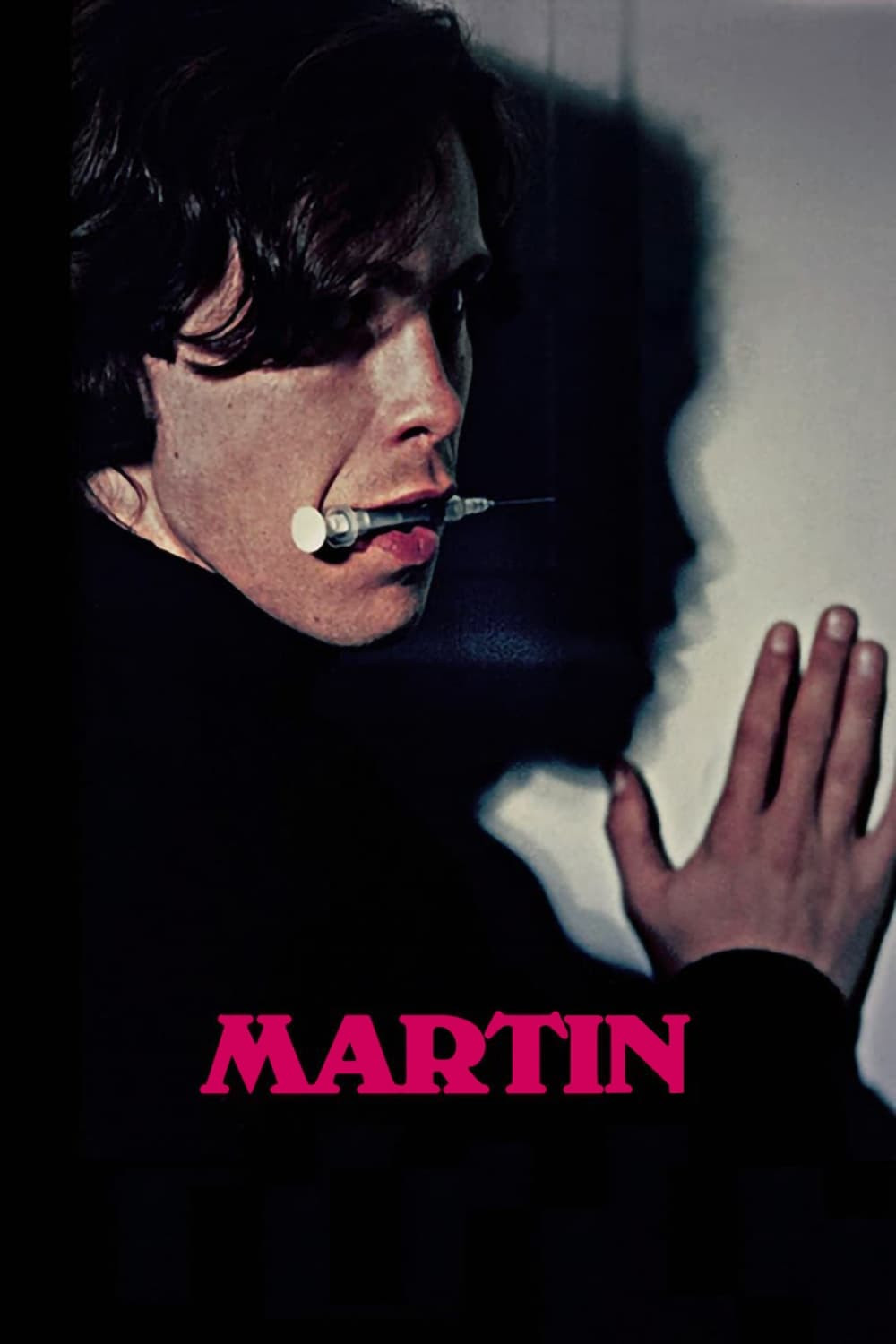
Martin - dir. George A. Romero
The first Romero film I’ve enjoyed, possibly because of how little dialogue it has. Where his other movies have gone wrong for me is in their talkiness. They tried to affect a fast pace without any thrills, here there aren’t thrills, there’s only the macabre sense of soulful isolation, which is performed resolutely by John Amplas. 7/10.
-
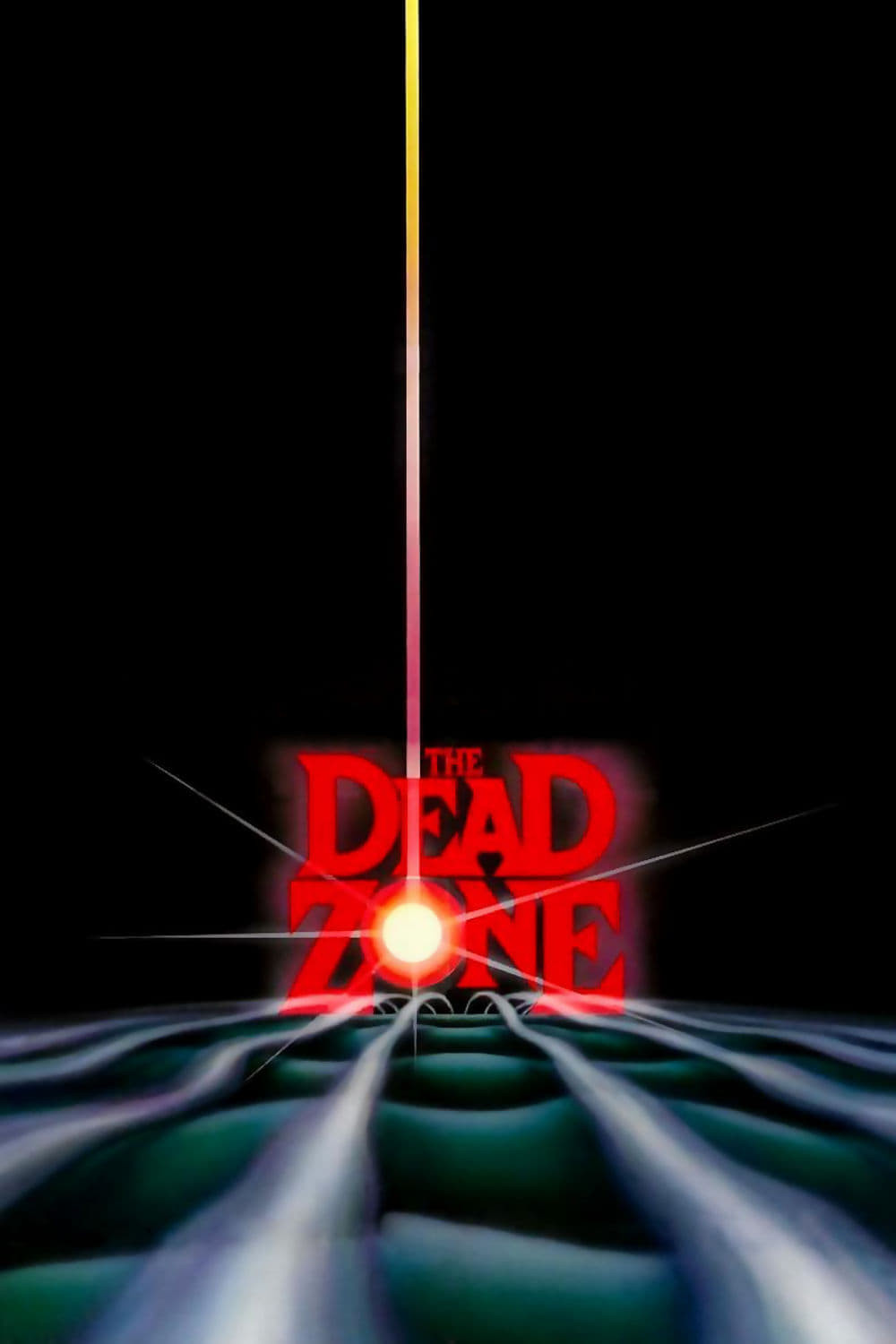
The Dead Zone - dir. David Cronenberg
Cronenberg and Stephen King go together like peanut butter and sushi. King’s overly sentimental characterizations mixed with Cronenberg’s caustic, cold outlook comes with bizarre results. Tonally, I am not sure I felt anything, which is strange, as this film is borderline melodrama. 5/10.
-
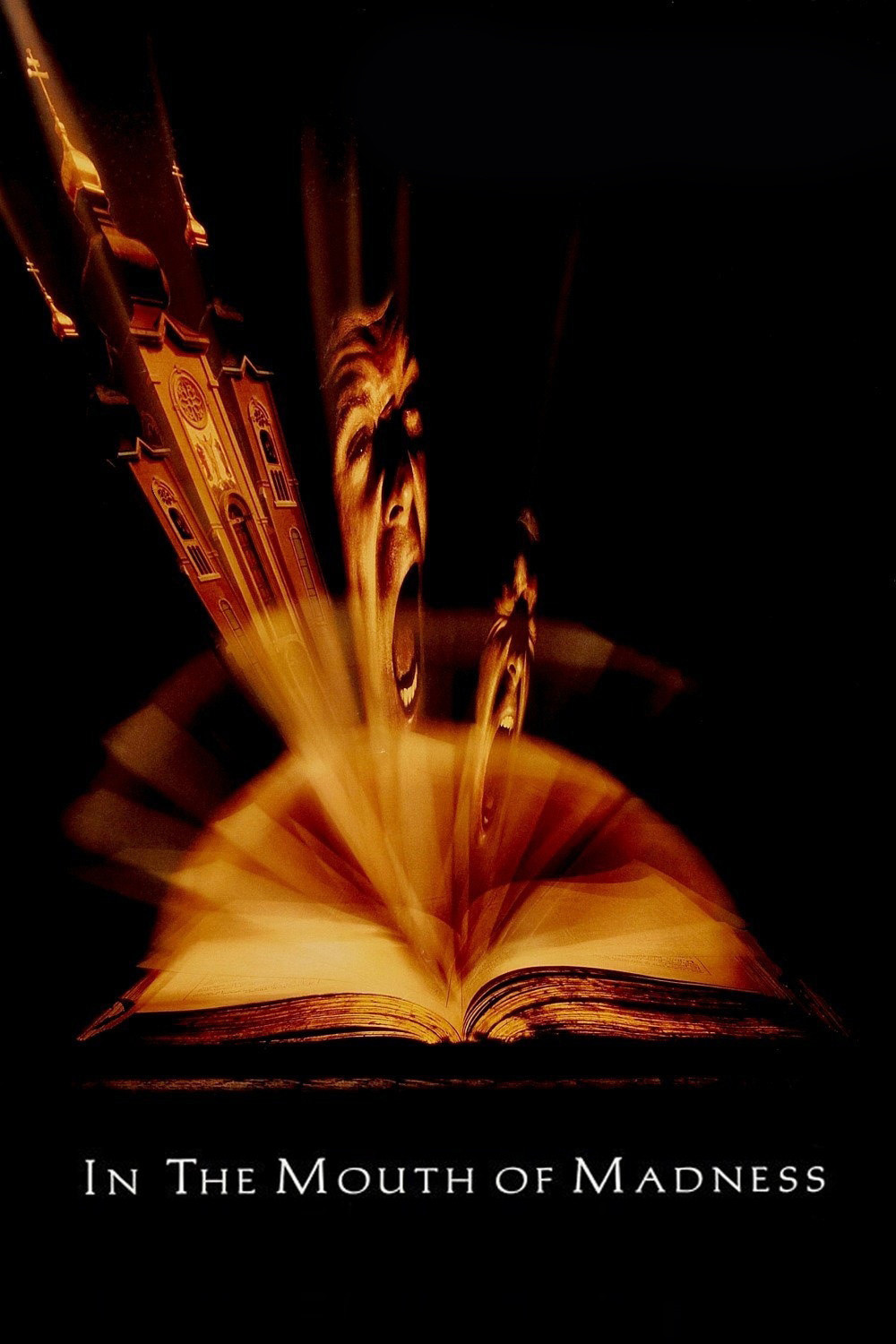
In the Mouth of Madness - dir. John Carpenter
Awesome Lovecraftian work from Carpenter. I think in terms of delivering consistent excellence in the horror genre, there are none like him. His work is exceptionally entertaining when he gives into the schlock, and blessing our eyes, he does it often. 7/10.
-
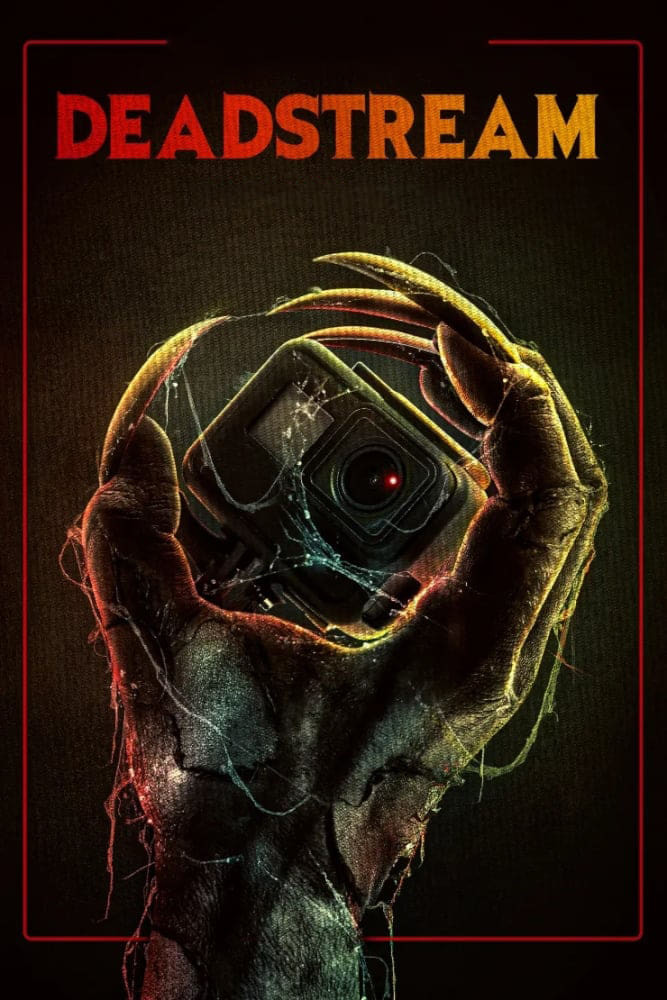
Deadstream - dir. Joseph Winter, Vanessa Winter
This made adult me feel the same way kid me felt watching Smosh videos at 8 years old. Specifically the one with the paranormal easy bake oven.
A lot of fun. There was one jumpscare that almost had me throwing up my laptop. 6/10.
-
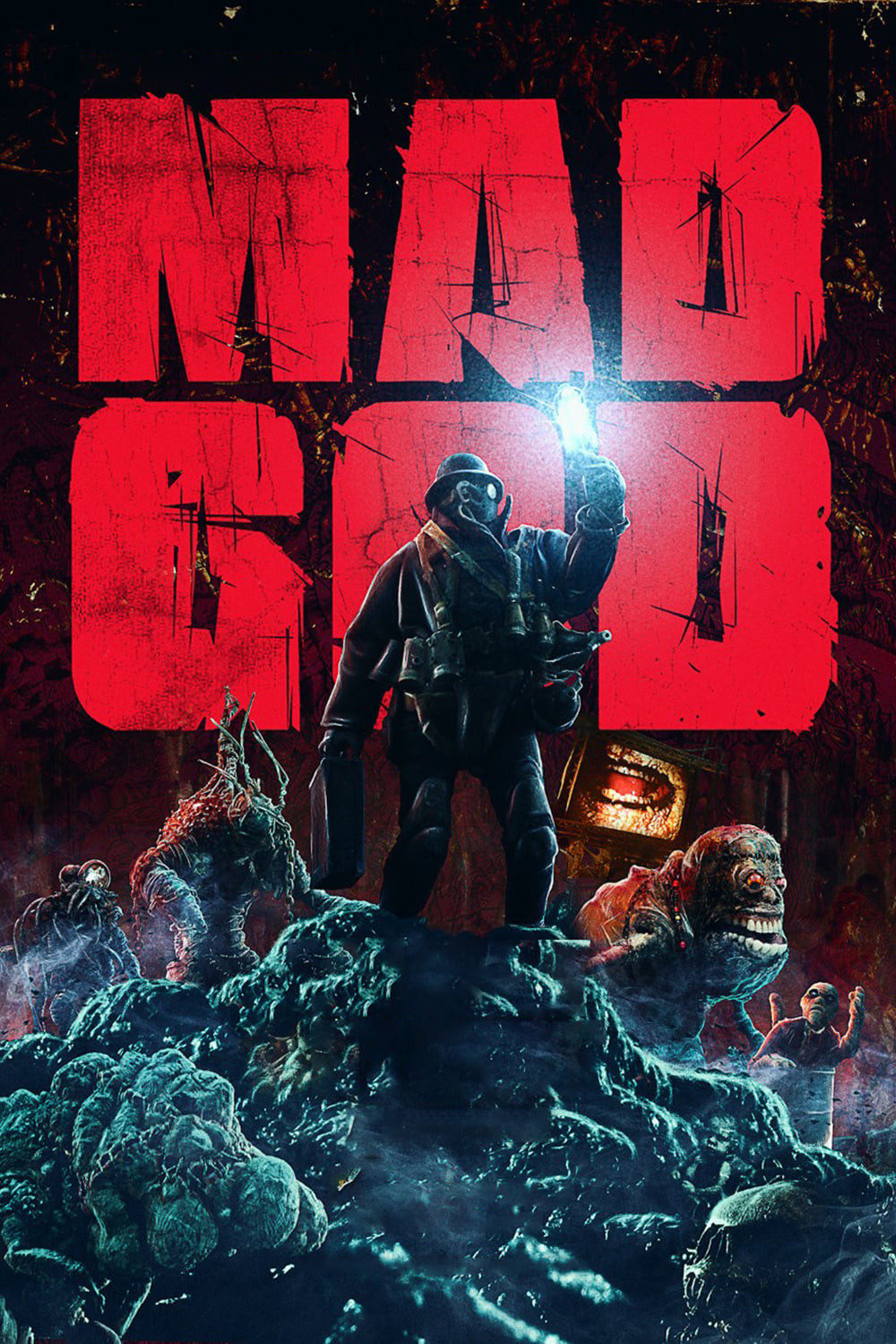
Mad God - dir. Phil Tippett
Super impressive but it feels more like a video game demo than a movie. Cool imagery. 5/10.
-
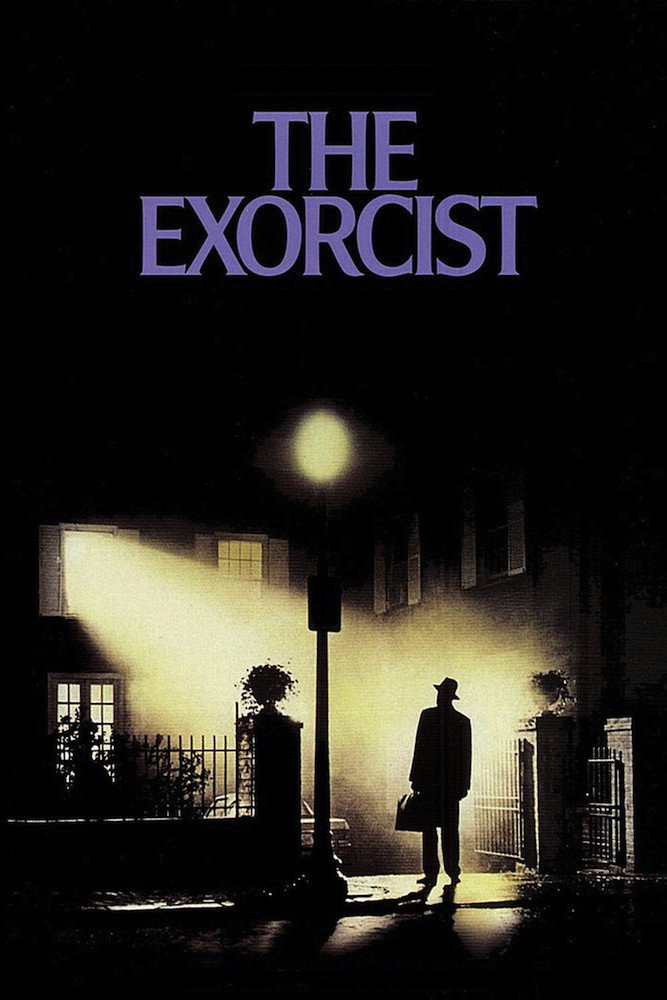
The Exorcist - dir. William Friedkin
I think a lot of the horror is burdened with incessant melodrama. The horror is excellent, though. Of course it is. Ellen Burstyn’s mania is palpable and Linda Blair is absolutely freaking the fuck out. Can’t argue with their utter powerlessness. It’s just, you have to get through endless scenes of who-cares characters talking into circles about stuff that never ends up mattering. It’s all too psychological for my liking. 7/10.
-
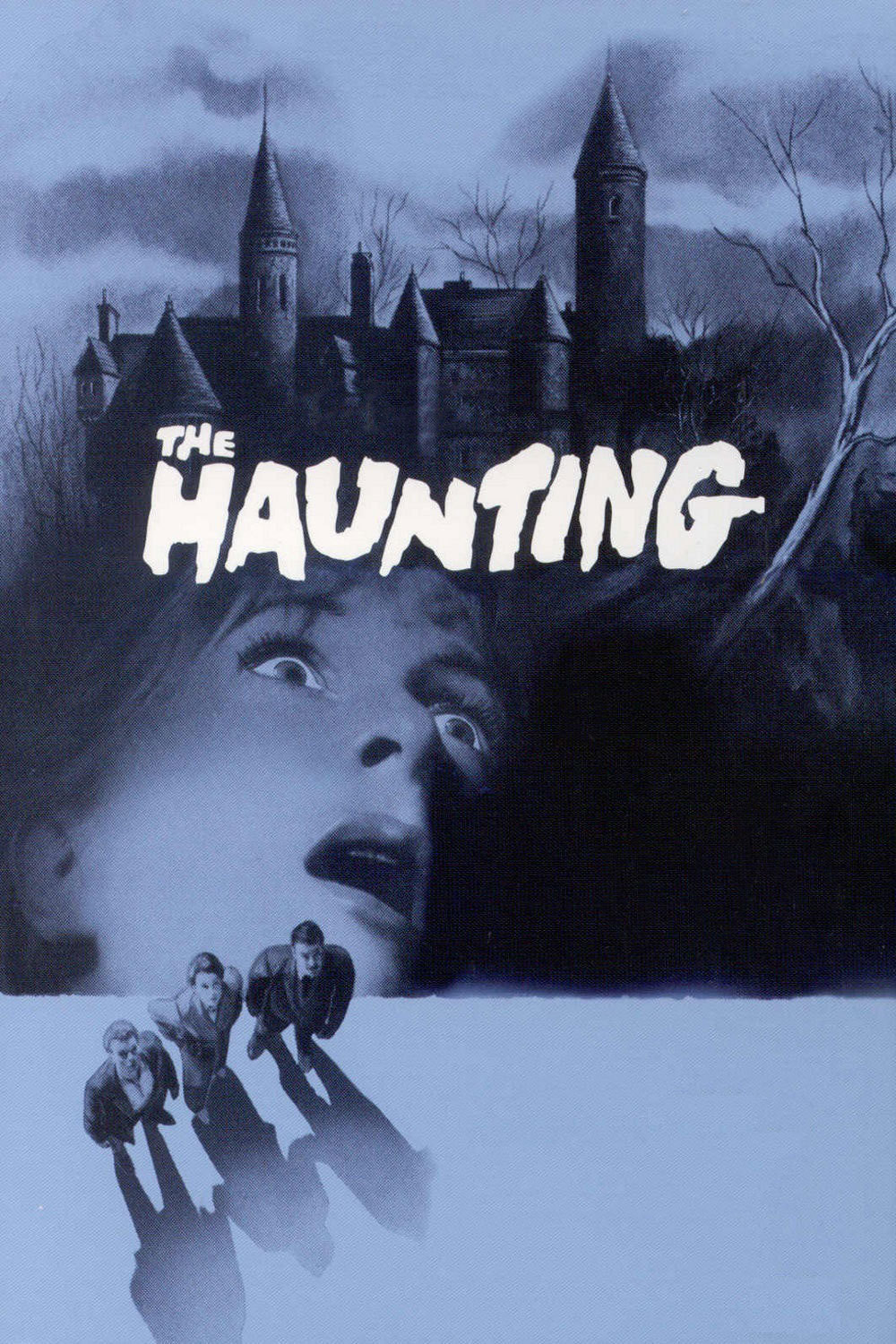
The Haunting - dir. Robert Wise
Another successful Pick Your Poison challenge! Thank you to Aubra for hosting.
Solid closer. I thought the interior of the house itself was mesmerizing. Wise doesn’t shy away from highlighting the pristine inner corridors and ceremonial chambers of the haunted house, and the result is one of the most immersive haunted house experiences you’ll find in horror. 7/10.
-
The Savages - dir. Tamara Jenkins
Cute! 6/10.
-

Next Stop, Greenwich Village - dir. Paul Mazursky
It’s not that I don’t relate to the material. Jewish guy moves to the big city to do theater, yeah, yeah, tale as old as time, I’m a trope, whatever. This was missing a little special something though. Sean Baker called it overwritten in his review. I agree. 5/10.
-
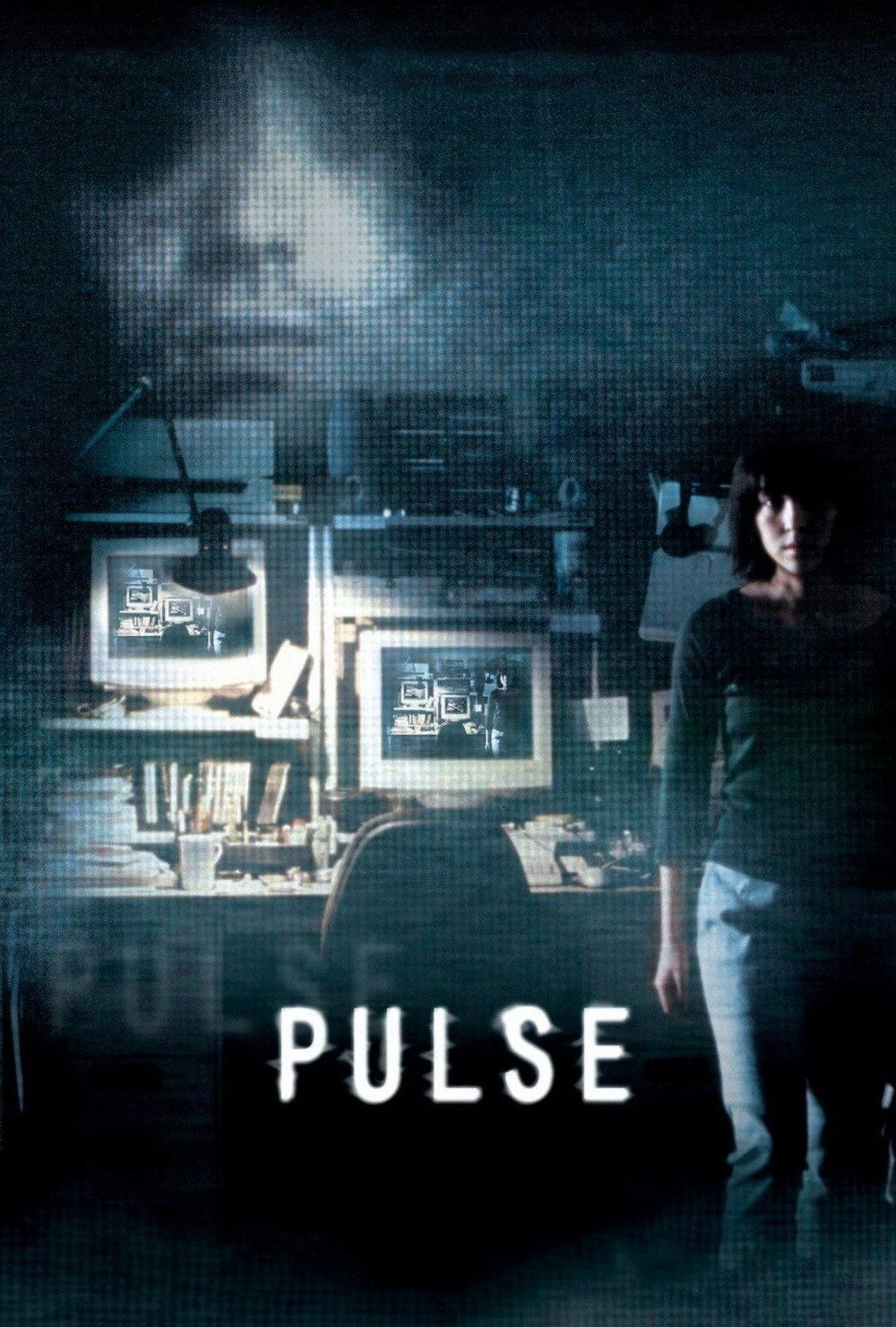
Pulse - dir. Kiyoshi Kurosawa
The decentralized race. How much control do we have over the ultimate binary of the universe, that being death? The answer is none, and once the afterlife begins to swell to a burst you must wonder if the answer is actually less than none, so little in fact that the solitude of life begins to seep out over the top of the basin–so little that the solitude of death becomes a temptation. What I think strikes me about Kurosawa’s masterpiece is the empathy he has for his lonely teenagers, which is why his formal practices of framing them as pieces of a broken world leave such a stain of heartbreak on all the walls and furniture. He allows them to wander this desolate urban landscape, not pressing too closely lest the camera crush the bugs under the lens.
The resignation we feel surveying the trail of corpses our friends leave behind through screens. Grief becomes anonymous, a manifestation of the words unsaid and gestures undone. You cannot reclaim a body that has volunteered itself for the beyond, and beyond means little in a realm of powder and abandonment. Try as we might, we are simply not long for this world, not only in matters of mortality but in matters of civilizational might–the computers and artificial voices signal the end, when the simulacra of human intelligence echoes through the dead circuits, we know our time has come to depart.
I didn’t get this movie when I first watched it. I saw it purely for that one famously scary scene–which is of course some of the scariest shit you’ll ever see in any horror movie–and was left bored for the rest because I’d hitched all my enjoyment to a setpiece. But once I empathized with the actual characters, I became very, very invested in the overarching world. It seems like a no brainer, but details matter and Kurosawa gives us a plethora of details to sink our teeth into for the sake of his wretched denizens.
The last heaving sighs of a dying race–beeps of binary and cameras everywhere, recording in perpetuity. 10/10.
-
The Naked Gun: From the Files of Police Squad - dir. David Zucker
Like most comedy movies it establishes a core set of comedic rules early on and executes them to the finest–just kidding lmao this shit is hilarious who cares about “comedy logic”. Writing about “why” this movie is funny is like trying to analyze a Key and Peele sketch. Just laugh dumbass. 7/10.
-
Once Upon a Time in China - dir. Tsui Hark
I was extremely excited for this, not sure where it went wrong. Maybe the comedy didn’t work for me? Seems like a cultural gap or something. Gotta ask a Chinese homie to break it down, maybe. 5/10.
-

Walker - dir. Alex Cox
Far too didactic for its own good, though undeniably a miracle of American studio filmmaking. That this came out in the 80s and not the 70s is utterly bizarre, because outside of the 70s you’ll never see American filmmaking get more radical than this. The more you learn about our history as a nation the more you realize that we probably deserved to lose the cold war. 6/10.
-
Pontypool - dir. Bruce McDonald
A disease that replicates through language, which transforms words into weapons to be wielded and turned against the speaker. There was an eerie foresight to this film that transcended its limited indie scope, like it was peering into a death-of-meaning future and keeling in horror while embracing the eulogy. Some of the best scares I’ve seen in a minute, love love love this concept. Some bizarre choices but ultimately I can’t complain. 7/10.
-
Roofman - dir. Derek Cianfrance
The primary strand of auteurism I’ve latched onto through Cianfrance’s work is a concentration on smalltown America without much in the way of aestheticization.
I’ve also noticed he gets career best performances out of his actors pretty consistently.
His visual language is a bit tired but I can’t pretend I didn’t cry watching this or have the time of my life watching Tatum work his magic in that Toys ‘R Us.
Howard Hawks said “a good movie has 3 great scenes and no bad ones.” I think that applies here. We are seeing a minor comeback of solid studio work. 7/10.
-
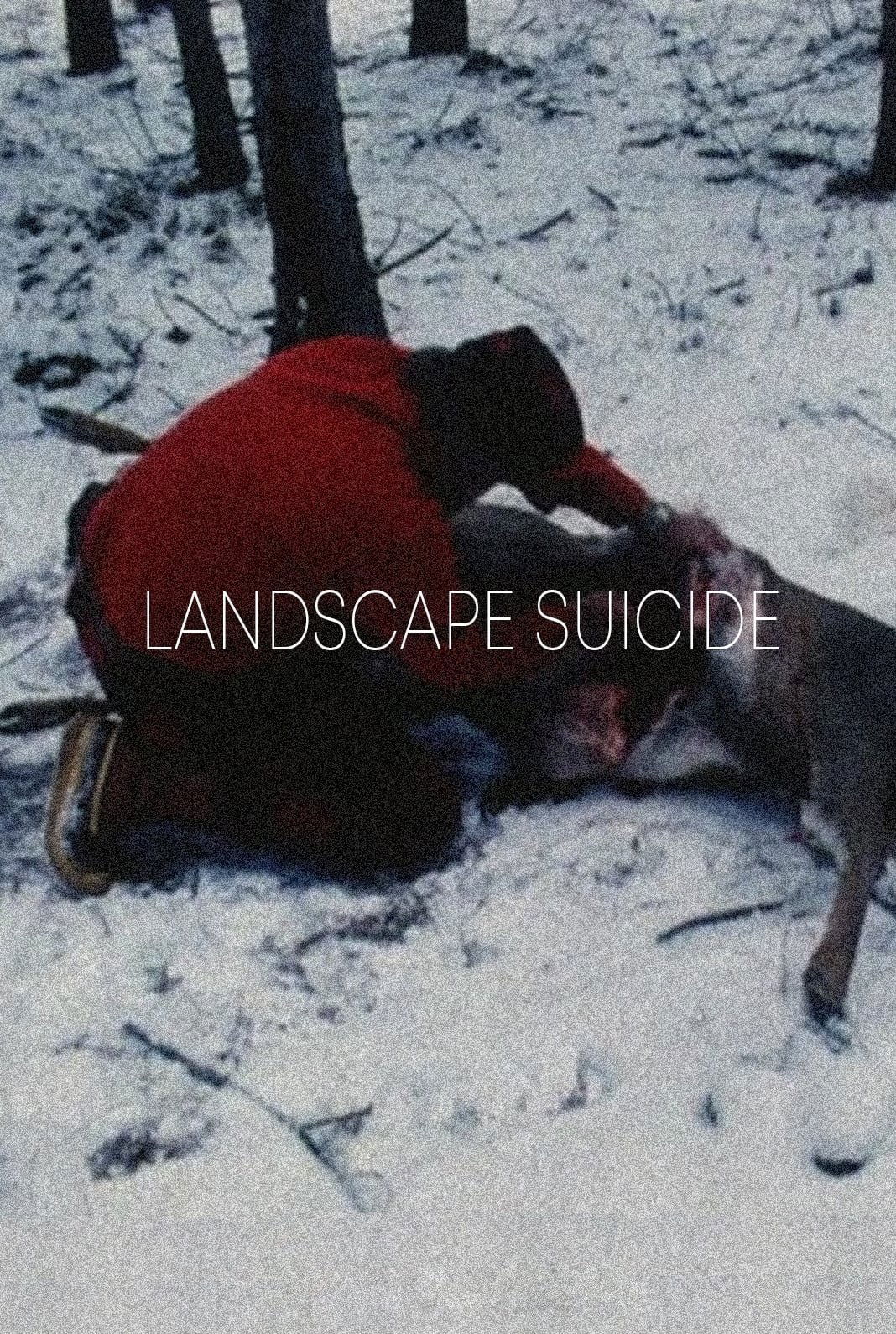
Landscape Suicide - dir. James Benning
I’m looking forward to watching James Benning in non-narrative mode, my favorite parts were easily the nature shots. The crime story had little for me to grasp onto, though I sort of like how it trivializes the brutality of the murders. Like culturally we’re bankrupt but it’s casual, it’s not even worth memorializing or aestheticizing. 7/10.
-
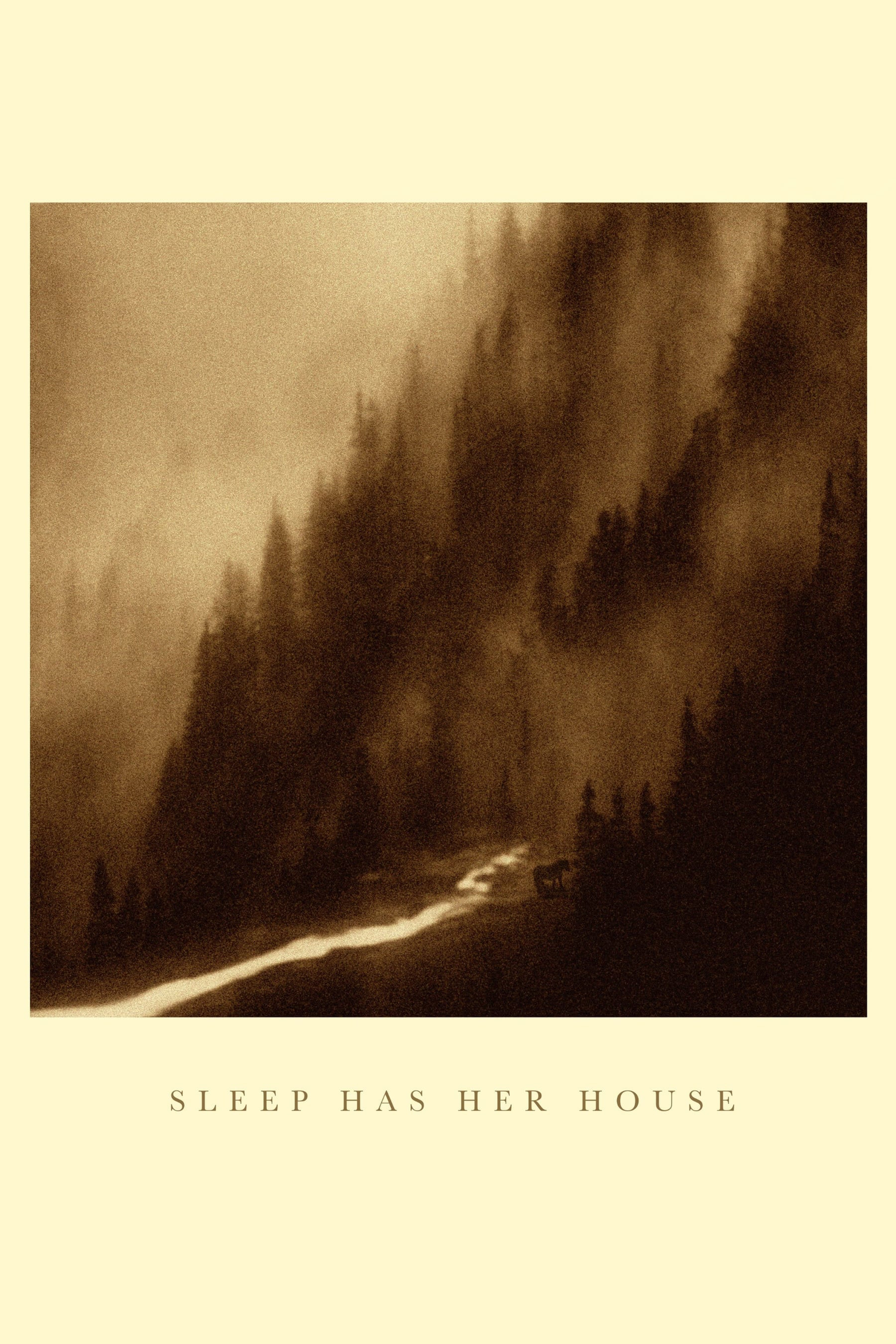
Sleep Has Her House - dir. Scott Barley
I was a bit disappointed to find out this wasn’t real, that it was largely adapted from paintings and still images. Regardless, the vibe is pretty immaculate, at least for the first 3 quarters of the film. Last quarter loses me, it becomes less of a film and more of an installation with occasional bursts of images through lightning, which to me is kinda lame. But–as an introduction to the avant-garde it’s solid. 7/10.
-

Where to Land - dir. Hal Hartley
I was disillusioned with Hal Hartley about 4-5 movies in, once my girlfriend pointed out the noticeable pattern of quirk-concealed misogyny I couldn’t get over the condescendingly pat treatment of women in Hartley’s movies, and Where to Land is not a big improvement in this area. The only time in the entire movie where two women have a conversation, one can’t help but notice that it is very obtusely about the main protagonist, who is a “retired film director with a trail of broken hearts”. Lol, I see you Hal.
I’m glad he got to make a movie, and as always I enjoy his original music a lot, but I’d have a hard time auteurizing this if it wasn’t made by the guy who made “Trust.” 6/10.
-
The Man from U.N.C.L.E. - dir. Guy Ritchie
There’s something sincerely beautiful about seeing the confluence of American and Soviet ideologies cooperate in an effort to prevent Nazis from obtaining nuclear technology. Maybe it’s because I have a hot Russian girlfriend, but it felt personal to me. This movie is a testament to good directing, because the script and story are mostly things you’ve seen before, yet Ritchie imbues it with life, energy, and pathos. More than anything, it is an incredibly good time. Soundtrack fucks crazy. 8/10.
-
Lady in the Water - dir. M. Night Shyamalan
One of the most proletarian movies of the 21st century, a celebration of the community of the common man as a force for good. Achingly sincere about loving thy neighbor and accepting outsiders as catalysts for social progress. Lowkey an incredibly Christian movie in a way that I think lives up to the preachings of the New Testament (what I recall from reading it, anyway).
It made me realize something about Shyamalan’s writing that many people, I think, seem to miss. And that is that he writes his characters as midway into tripping on epiphanies. Hence the perception of their “awkwardness.” I feel like his characters exist in a womb-like state of being not fully formed, so when they speak they can only do so by fumbling for cliches or with heart-rending earnest. They are incapable of dancing above the script, they are as lost and confused as any of us.
The classic Shyamalan twist isn’t only to entertain the story-loving kid in us, it’s the characters inside the story having their perspective warped. Here, Shyamalan runs a gamut of twists towards the end by the simple act of subverting the already convoluted fantastic storybook mythos he establishes and executes early on. At first, the plot seems extremely muddled because of the myriad roles and rules that supposedly come into play to build out the second act. The final “twist,” then, is that the core of it always, always, always came down to love. Love unburdened by possession or control, a pure love, a desire to free the object of your love and do anything in your power to see them on their journey.
In a weaker script, Paul Giamatti might have played a sniveling beta male who had to learn to “let go” of Story, or worse–fall in love with her. Shyamalan is different, though. I think he may very well be the absolute most sincere filmmaker in the world, there is nobody who sees the world like him, so when he portrays love it is not burdened with neurosis–it is pure, unblemished by self-analysis or ego.
I honestly think this may be straight-up utopian as a film. What if we could love each other as much as children love a good story? What if all it took for us to solve our problems was to work together for the common good? What if we were in tune with the oddities and strangers of the world, and instead of pushing them away, embraced them and cared for them as our own? What if we trusted each other with our secrets, talents, and lives? It feels like a pie in the sky idealism but I think this world is within our reach, and Shyamalan does too. 9/10.
-
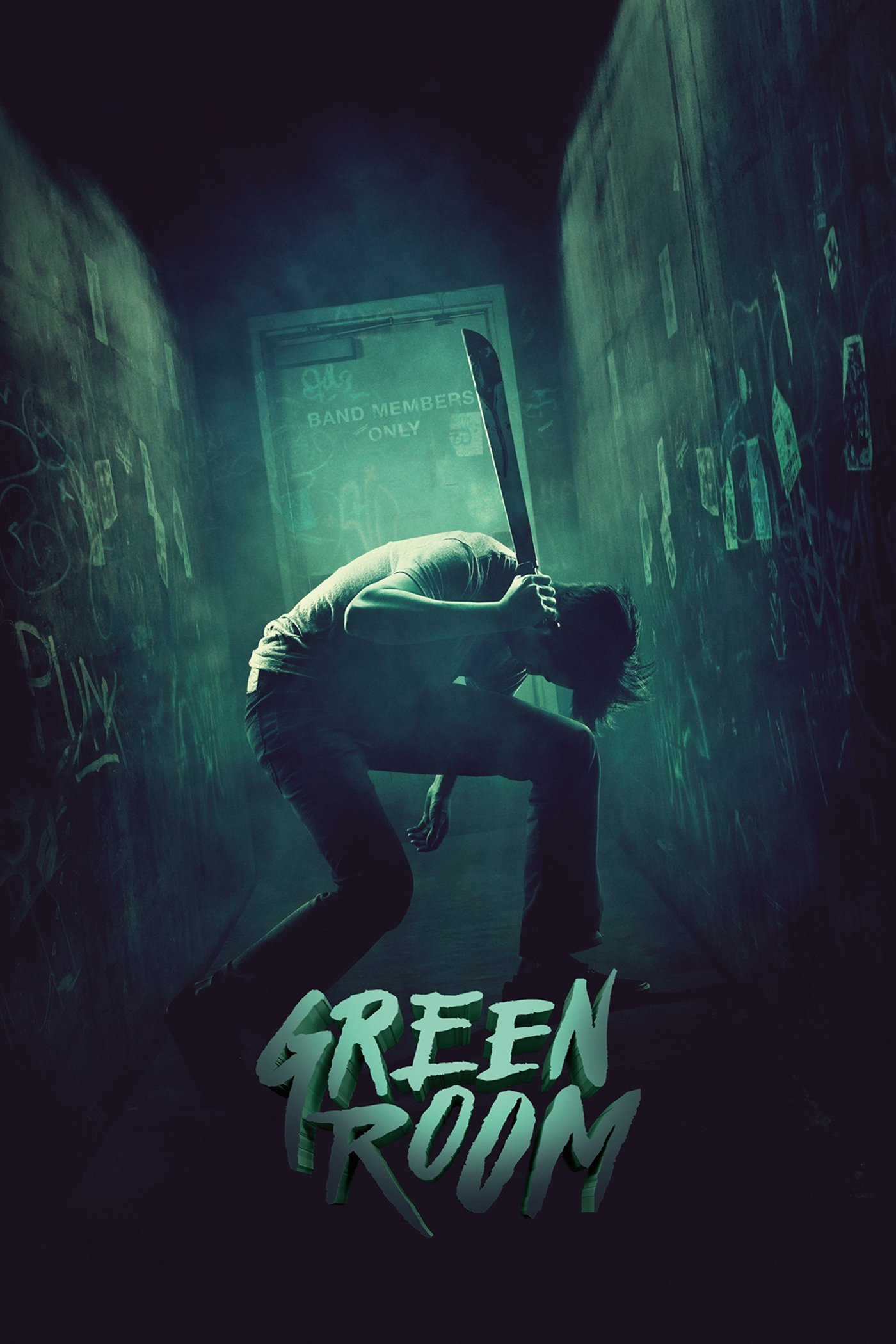
Green Room - dir. Jeremy Saulnier
Saulnier’s pulp sensibilities allow him to lavish his thrillers in detail and poise without losing the charms of good popcorn fodder, this I can respect. He is far less self-serious than he could be. That said, this is not remarkable or as fun as it could have been under a more eclectic aesthetician. What you see here is what you get, no twists, no turns, the story goes pretty much exactly where you think it will based purely off the blurb. 6/10.
-
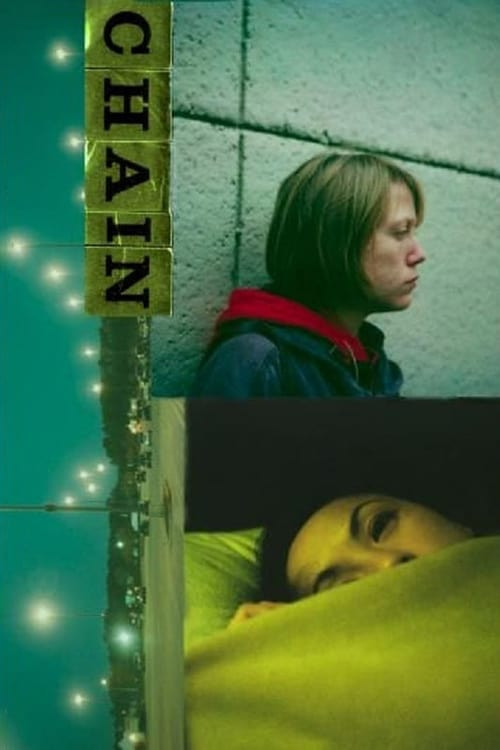
Chain - dir. Jem Cohen
Like a 30 minute walk to a CVS through an unwalkable stretch of town. Signs that are too big. They are for the accelerated consumers, not for the passerby. An infrastructure that has escaped our control. The supply chain compounds on itself. There is so much space in our country. So much space for us to churn into more space, hermetic space, space that is utilized for transaction. The question is, where does it end? What is the goal? Let’s forget the politics and just think about it philosophically. What is the purpose of profit maximization on an interpersonal level? 8/10.
-

Chocolat - dir. Claire Denis
An astonishing debut. Denis is already a fully-formed filmmaker from the jump, employing a more formally reserved style than the one she would later fluidize and turn into observable motion. Here the subjects are held within the frame, they do not command it with their bodies. Relationships held at distance to emphasize the chasm of humanity between the colonizers and the colonized.
The act of domination is not rewarding, it is alienating. 8/10.
-

Red Sonja - dir. MJ Bassett
I want to give this more love because it certainly deserves a higher average rating than 2.5 (ridiculous, people are so standoffish to unapologetic, unironic material… for the modern audience to enjoy anything it must be slathered in several layers of self-awareness). Yes, this movie is incredibly cheesy, but that was what I enjoyed about it.
What I wasn’t too crazy about was the relative shallowness of the worldbuilding and the lack of real majesty in the setting. I understand that this was done on a 17 million dollar budget (extremely impressive when placed into this context) but the cinematography isn’t touching something like Conan the Barbarian, and that’s a real shame.
I hope MJ Bassett continues to direct fantasy though, because this had a strong vision and concrete ideological grounding. 6/10.
-
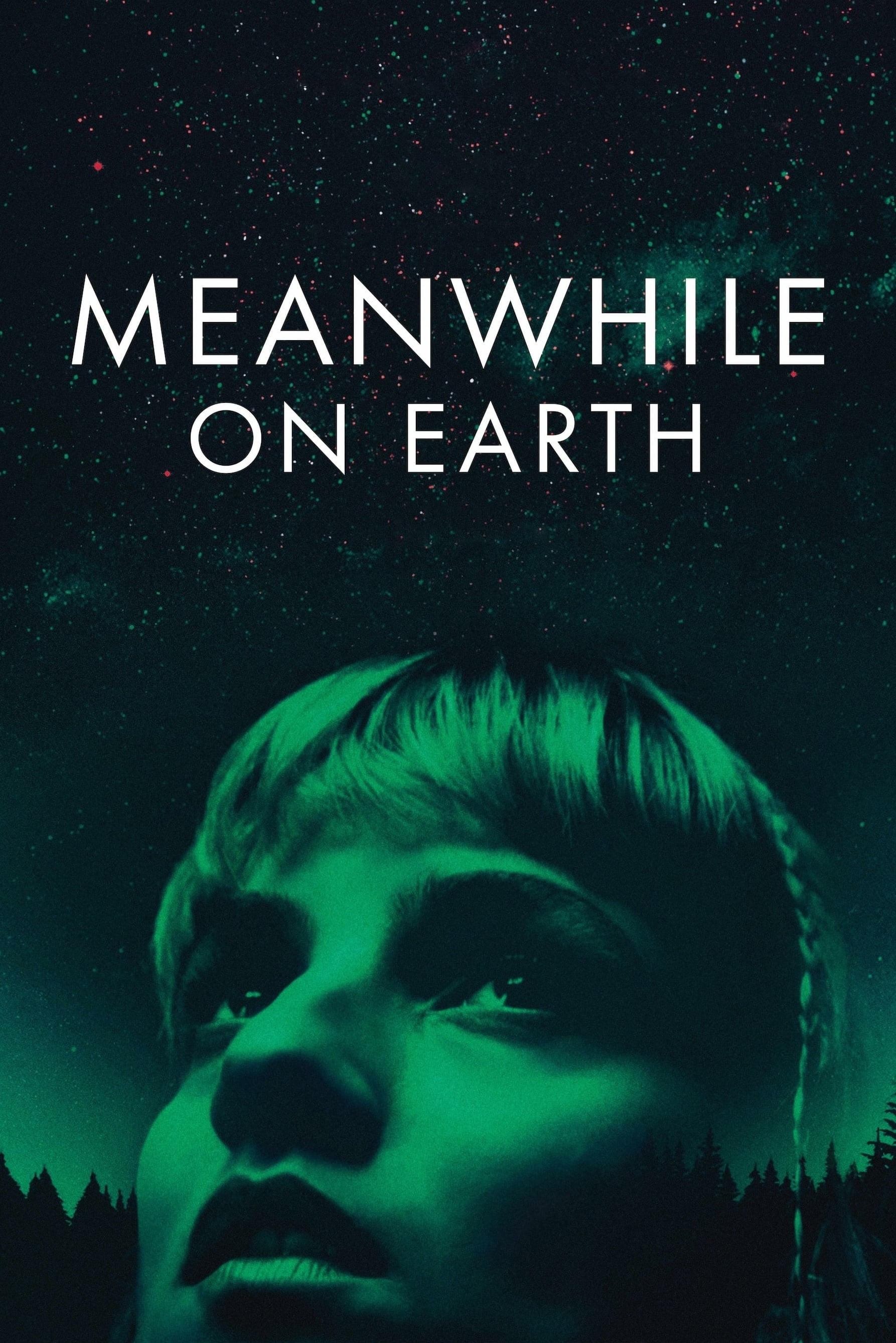
Meanwhile on Earth - dir. Jérémy Clapin
The narcissism of filmmakers who make movies about aliens or demons or spirits or the great beyond and deciding that the REAL meat and potatoes, the REAL subject of interest, is none of that but the “grief” and “trauma” of the main character. I’m gonna be honest I don’t give a fuck about grief or trauma or PTSD or any other mental illness. Never use aliens to clickbait me.
-
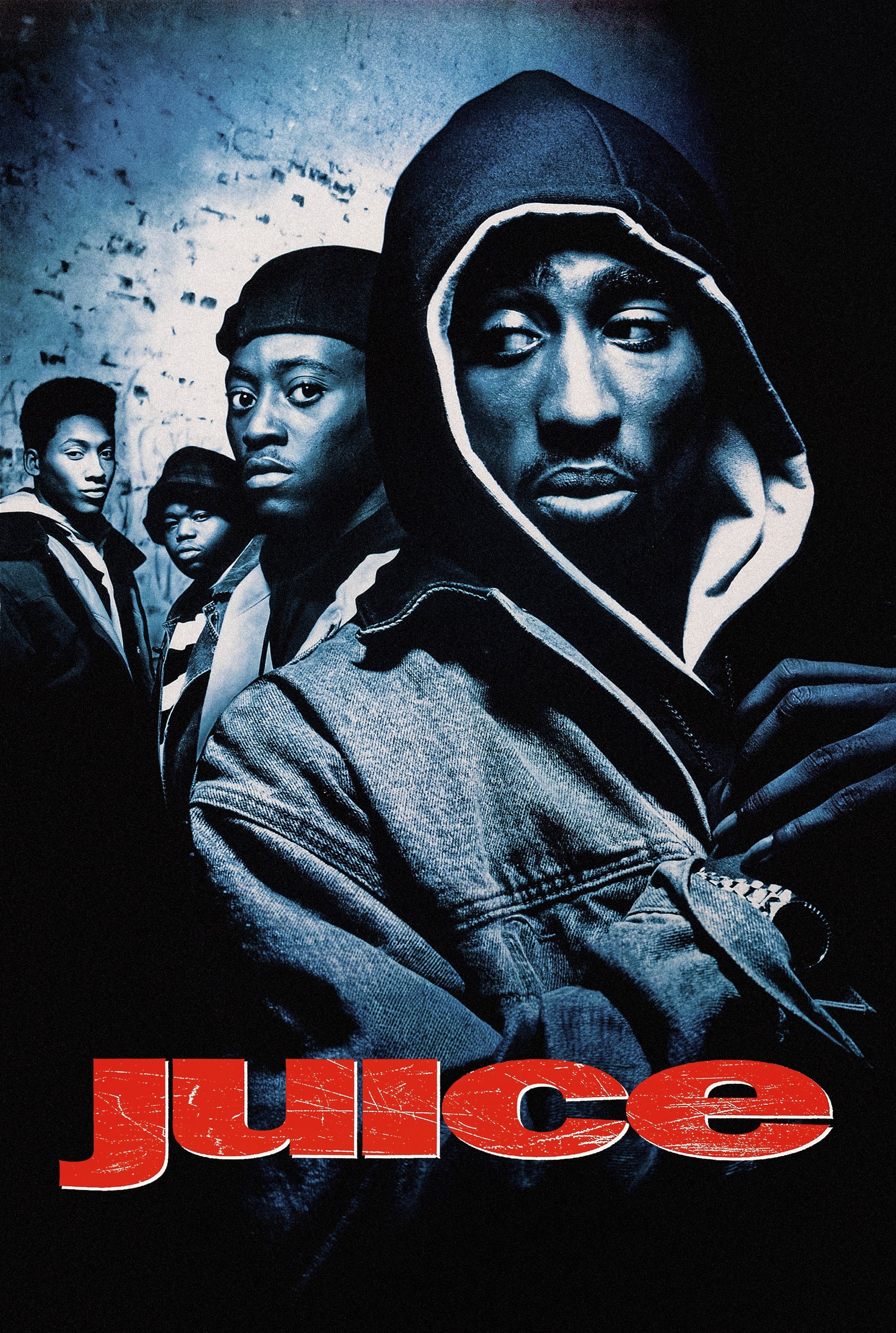
Juice - dir. Ernest R. Dickerson
Transaction. You can’t get anything from anyone without it. Dickerson assigns the “juice” a quasi-mythical property, that anyone can obtain with enough exchange. Dollars for information, information for lives. The moral world becomes murky in a Crime and Punishment esque psychological sub-reality, where all players interact with the shared knowledge of their own mortality. It is all unsaid, though, better left to the pauses between fits of rage. 7/10.
-

The Tall T - dir. Budd Boetticher
I’m a little confused by all of the reviews I’m reading. Gritty? Sure, it’s a gritty western. Intense? Ruthless? Sure, sure. Cynical? NOT sentimental? I don’t know about that… it ends with companionship prevailing over self-imposed solitude. Only by working together can Pat and Doretta make it out alive. Boetticher depicts these figures as compelled by their emotions, at every point they make the wrong decisions, fueled by sentimentality. Aw hell, turning back for the last hurrah–only to get gunned down. Bleak, perhaps, but backlit with a code of ethics that wins out. Keep your word and honor will triumph. 8/10.
-
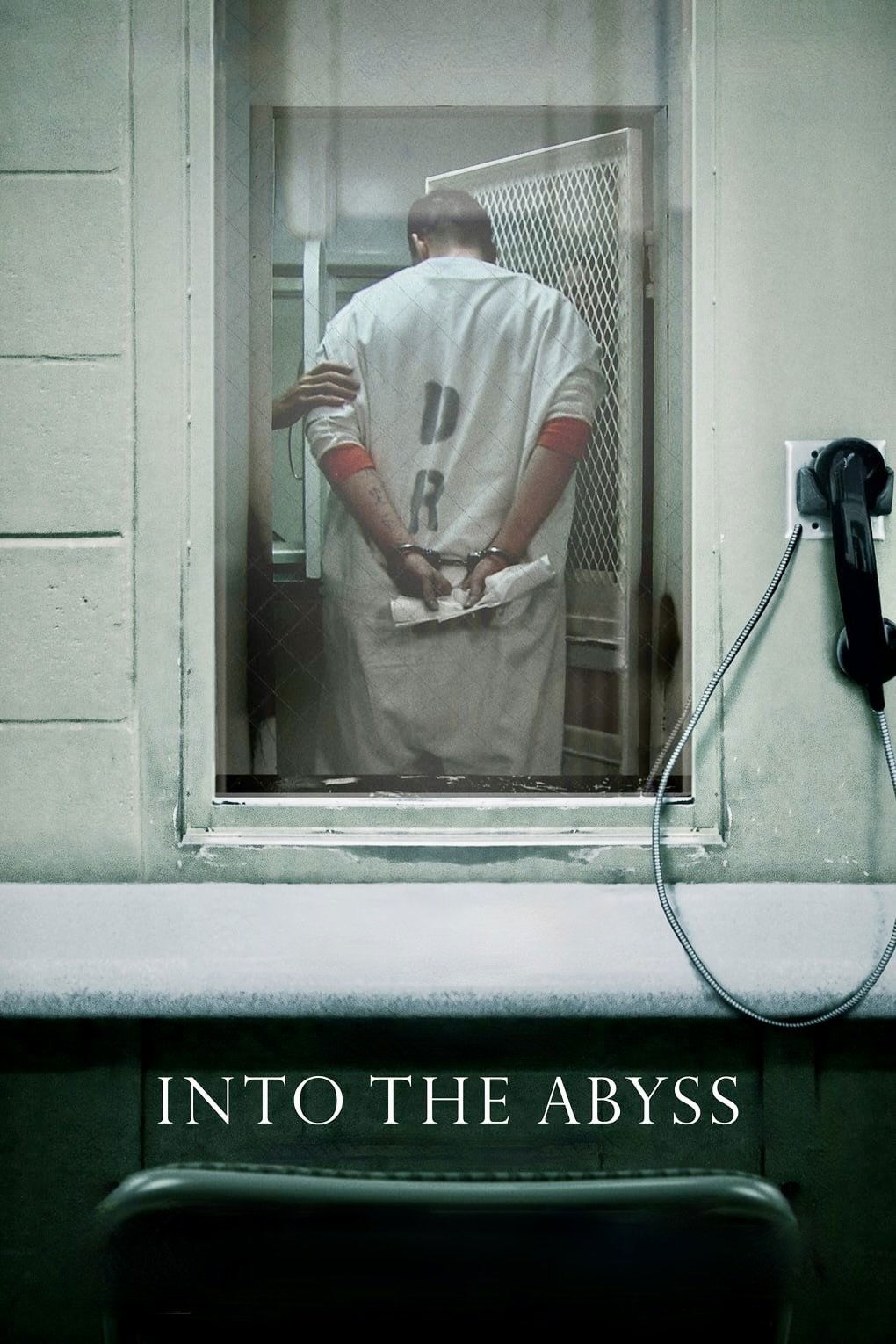
Into the Abyss - dir. Werner Herzog
This movie speaks totally for itself, so will offer only opinion; that the direness of a crime has no correlation to punishment served, that no entity has the right to determine the worth of another to continue life, that marking these bureaucratic barriers is only a means to sever ourselves from our humanity. I admire Herzog for his willingness to make a true crime film from the perspective of the guilty, that not only gives the guilty a voice but advocates for the guilty as a human being. Rest in peace, Michael Perry. From the bottom of my heart, I hope that you and all the other guilty souls see rest. 8/10.
-

Little Dieter Needs to Fly - dir. Werner Herzog
I agree with the criticism that this feels a bit too rehearsed to be truly vulnerable, though I would obnoxiously argue that that’s the point, Dieter has exhaustively narrativized his own suffering to cope with the unbelievable amount of suffering he endured as a POW. “It’s just a movie,” he warmly reminds the actor portraying one of his Viet Cong captors, who is far more shaken than the guy who actually experienced it. 7/10.
-

Stoker - dir. Park Chan-wook
First time I watched this I turned it off after 15 minutes because the “unrealistic” dialogue irritated me. Returning to Stoker almost 2 years later I had zero issues with it. Goes to show how much your tastes can change in such a short period of time.
In a way this almost feels like a test run for The Handmaiden–the gothic aesthetics, the fluctuating relationship of distrust between two women who are being played against each other by a scheming psychopathic male. Comparing the two is a bit unfair though as Stoker is not PCW playing on home court. That said he still gets to flex his formal chops damn near as much as he would on a Korean production, so I’m not letting him off easy for cooking on Hollywood turf.
It’s fun material that amounts to a technically realized B-movie. The ending comes out of nowhere and I think I would’ve liked to see a longer cut. There are simply too many ideas being tapped in quick succession for any of it to coalesce. 6/10.
-
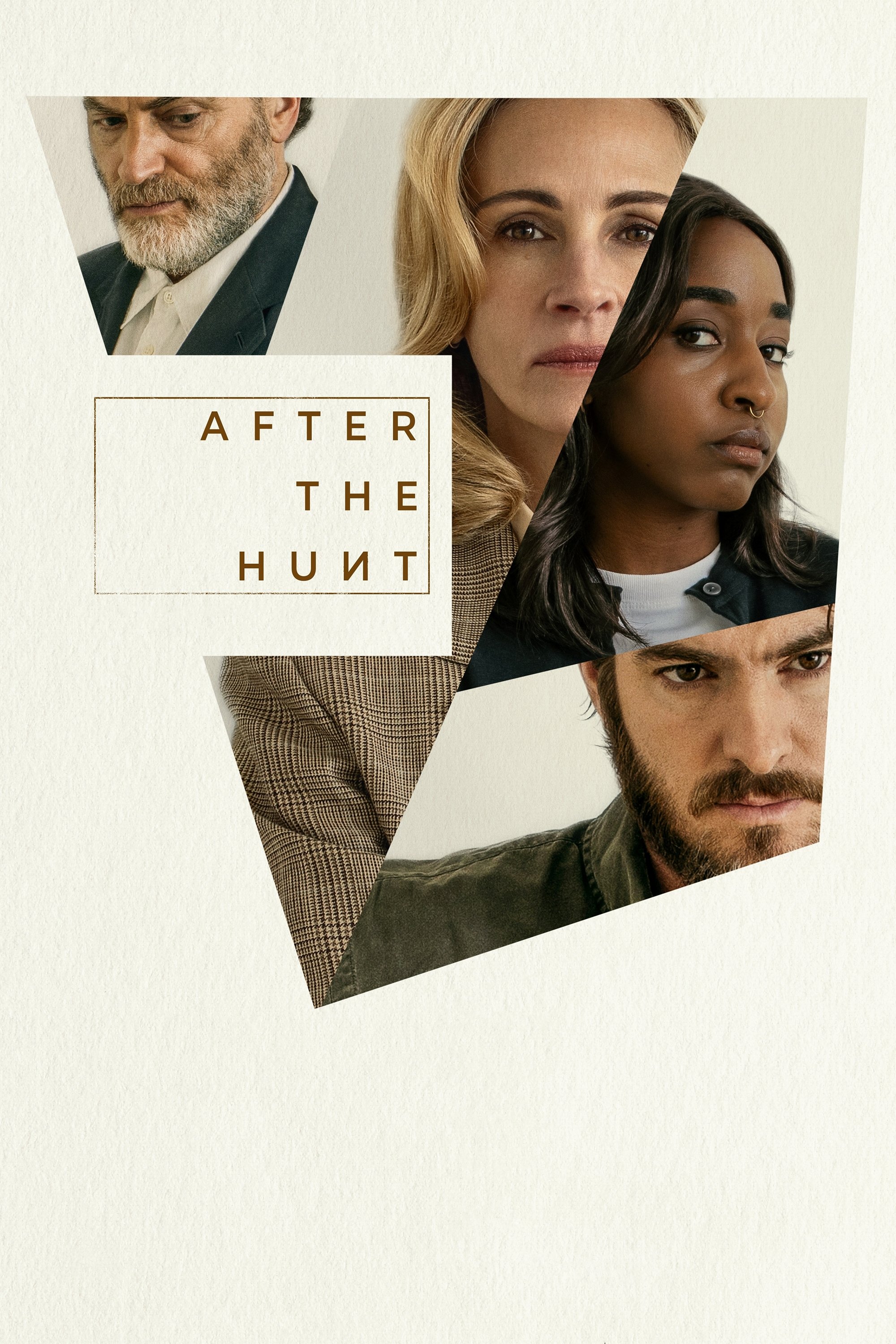
After the Hunt - dir. Luca Guadagnino
Guadagnino is casually having one of the best runs of any director working in Hollywood and I think it’s because you can tell he’s one of the few directors who reads books.
I sort of agree with the top review that it’s not saying anything for or against “cancel culture.” It ends up playing more like a paperback melodrama. So much is communicated in the face.
This feels more like a piece about womanhood than anything. White feminism vs intersectional feminism. The way men try to, even with good intention, turn the female condition into something diagnosable. Alma’s whole thing is that she puts forth a cold rational exterior–she attempts to play the man’s game.
Projected ideologies too–there’s a great @Micah Webber review where he talks about Guadagnino’s disinterest in ideas themselves. He grasped in words what I’d always felt but found hard to elucidate. Every outburst is laden with assumed intent on the other’s part. What is often attributed to ideology (Maggie’s wealth privilege, Alma’s outdated feminist ideals, Hank’s male privilege) can, at every turn, be more attributable to real or perceived grievance. We are emotional beings, we cannot evaluate anything objectively.
The entire plot hinges on a flaw of self-perception. We cannot even evaluate ourselves with reason. 8/10.
-
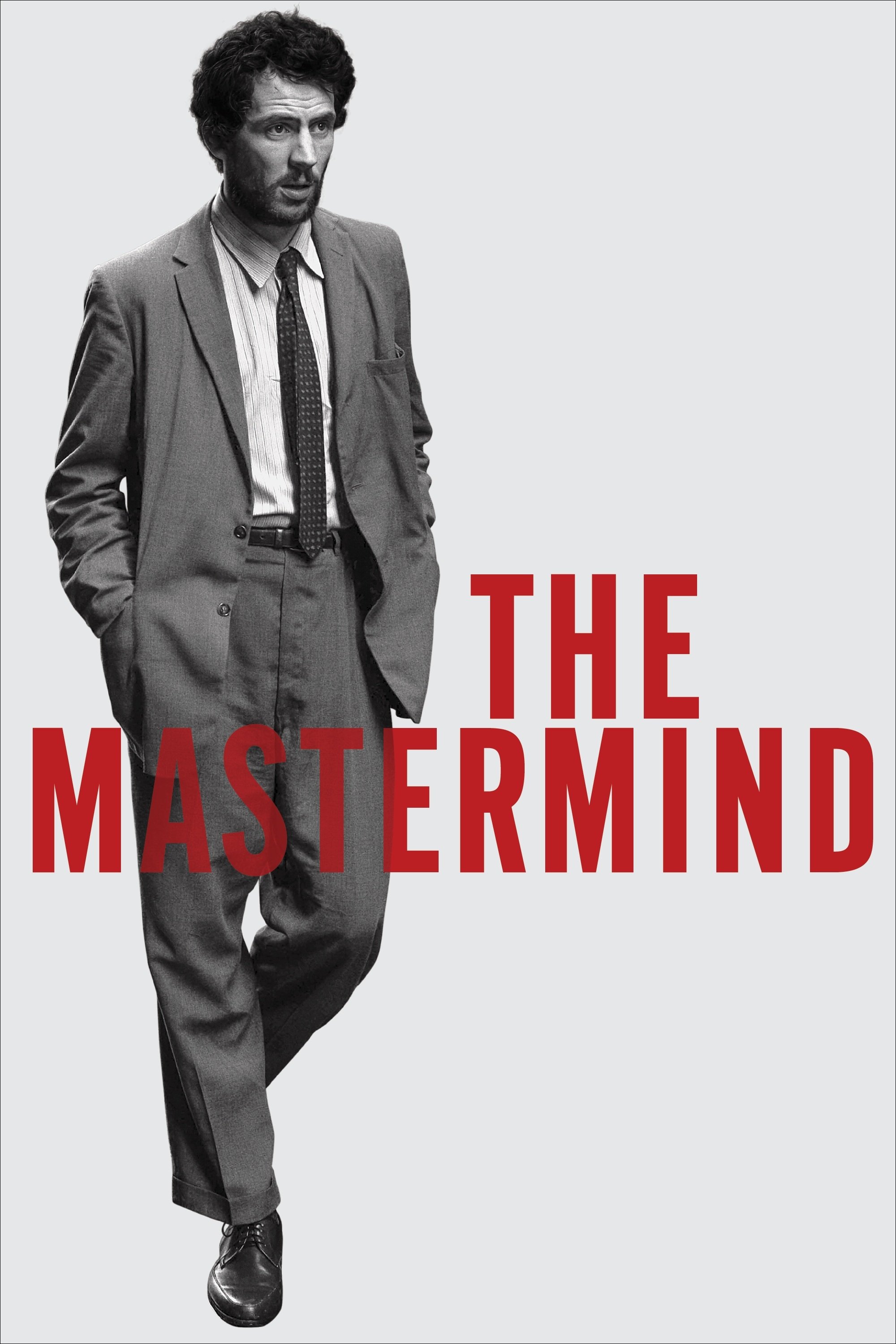
The Mastermind - dir. Kelly Reichardt
Reichardt the 21st century American master. Her movies are never insistent. They allow you to come to them at your own pace. I often find that the best movies leave me with little to say that isn’t directly related to how much I respect the director’s choices or seemingly abstract poetic rambling (or an anecdote). I’m simply not good enough at writing to translate feelings into cogent “review.”
The best I can offer is that, when I walk alone through the streets of Boston in the cold, a little hungry because I am always hungry, with my facial hair growing out so I can prepare for a movie role, I feel like JB Mooney in this movie. In the film’s capacity to generate this self-empathy, I am elated. More than that, I understand its wavelength in totality. I understand the loneliness that can be found within the family. I can understand the life on the road. And then in the final moments I can understand the ironic injustice of retribution for a crime uncommitted. Guilt by association. Drifting too close to the pulse.
My biggest fear is waking up one day in a life that I cannot recognize as my own–I wonder if it is worse to be untethered or to be caged. The American loner on his last legs. The 70’s as a generation adrift from the American consciousness. European Bressonian cinema imported to American politics and sensibilities. You don’t get the life you want, you get the life you get. 8/10.
-
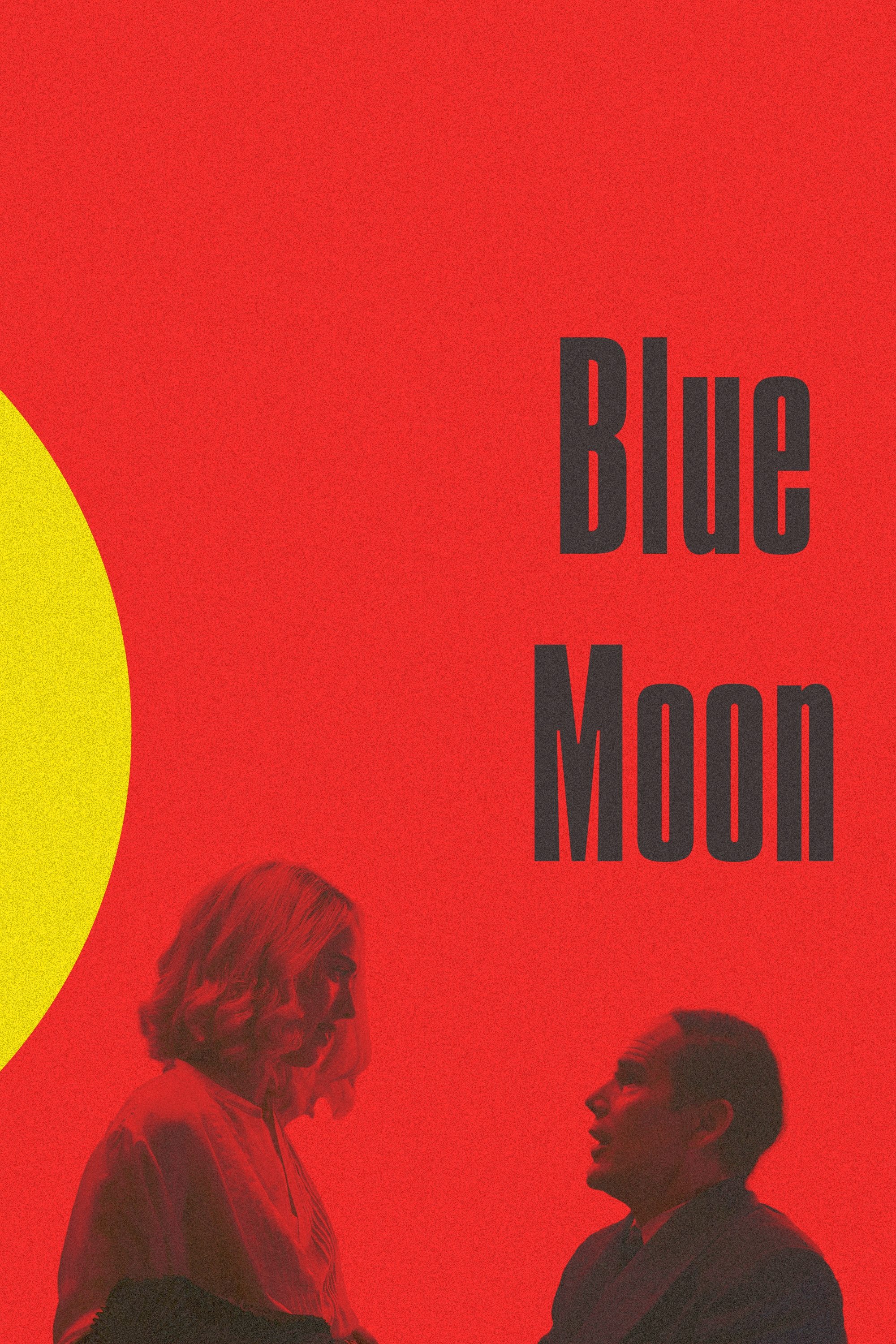
Blue Moon - dir. Richard Linklater
Feels like a play (derogatory). Linklater has almost never been this sterile with his direction. Fell asleep in the theater and I don’t think it was waking up at 7 AM that did me in, although surely it played a small factor. I wonder how many “niceguys” are gonna see this and jerk off while crying. 4/10.
-

Bugonia - dir. Yorgos Lanthimos
This would be really great if Lanthimos wasn’t the most frustrating satirist working in Hollywood, this whole thing reeks of artists thinking they’re too good for the material to the point where for me it undercut any class commentary it was hoping to make. It’s still a good time and the first half shows a more sympathetic portrayal of the redneck than you would otherwise expect for a coastal liberal elite production. That all falls apart once we get to the third act and Lanthimos remembers that he doesn’t care about people intrinsically. Still fun while it lasted. 6/10.