Movies I Watched June 2025

Stars at Noon - dir. Claire Denis
We lost the battle for the soul of the world, and now all that remains is vagrants and lost infidels swimming the canals of the imperial outposts. “The revolutionaries used to be so sexy,” she says, whilst having sex with the guy who holds her passport over her head. None of it makes any sense, the violence and sex and eroticism feels meaningless. Where do we even go from here? What’s left to salvage? Borders, contracts, militias, fake elections. The wheel turns, the dreamers die. 8/10.
-

28 Years Later - dir. Danny Boyle
A film built for us, our generation, lost in the digital noise and disillusioned with the world order as we knew it. The teletubbies scene in the beginning seems like an outlying curio in a film already constructed by curios until you look at it from the perspective of a child. The parents know armaggedon is nigh, but they still keep the kids busy and occupied with content. Until it is too late.
Out of the muck and soot something better can be reborn. This film celebrates death in all forms; death of society, death of innocence, death of loved ones. It finds beauty in the monuments of skeletons, it suggests a magical rebirth that can occur when even an infected woman can birth an innocent baby, it understands that we must accept the passing of an old way in order to embrace something new. You wouldn’t expect a movie like this to meet the moment but it does. 7/10.
-
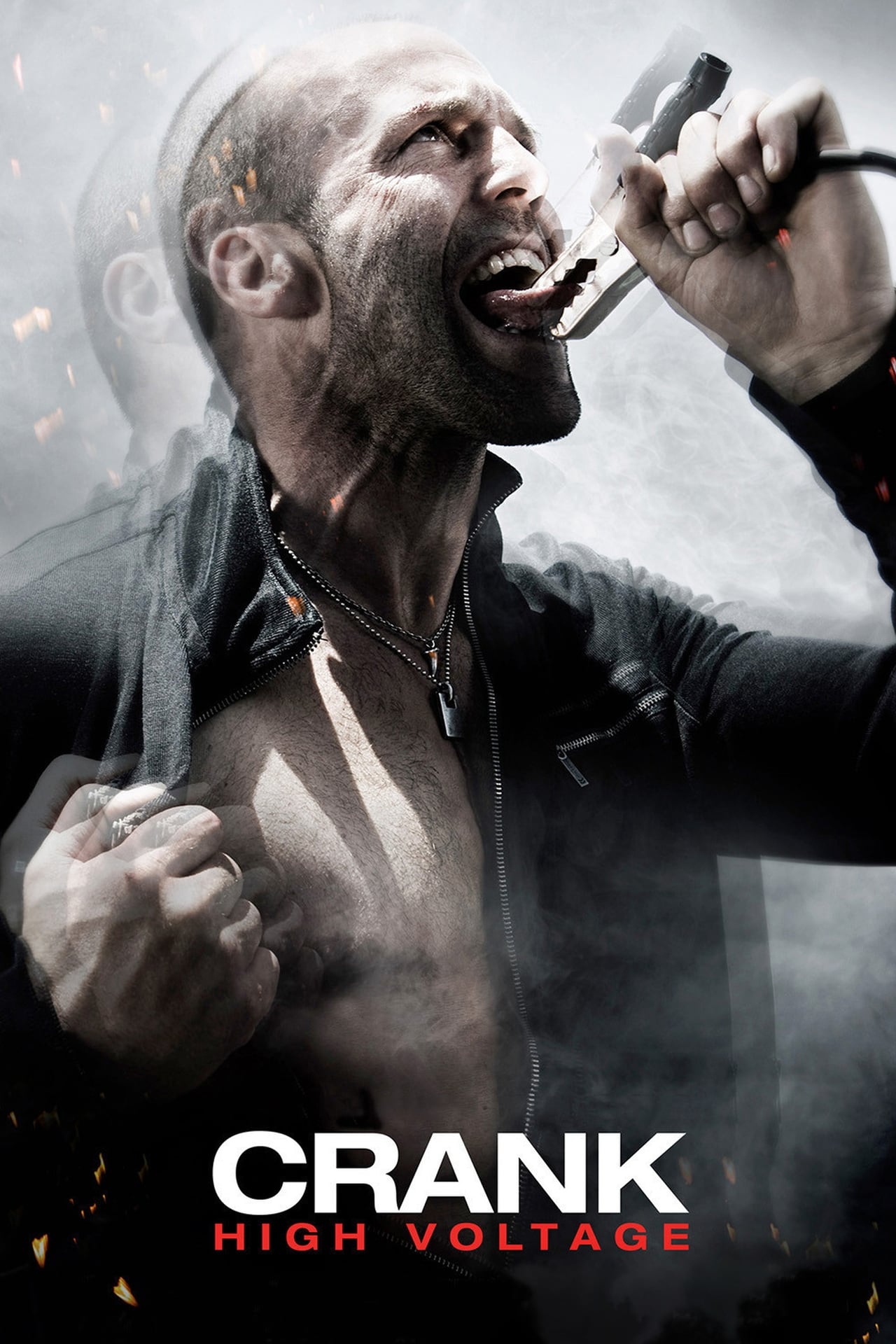
Crank: High Voltage - dir. Neveldine/Taylor
Armond White describes the Neveldine/Taylor style of film as avant-garde. He is 100% correct. This is 21st century high art. Literally think about how you could even translate this into anything but film. You cannot read it. You cannot watch it staged. You can only appreciate it as high-adrenaline image work, a synthesis of visualizations that serve one purpose alone; to trigger your cinematic senses. Crank: High Voltage should have been the future of the superhero film, but two bozos with a camera and a dream can never match up to a multibillion dollar transnational megacorp. We are never getting Crank 3 because the BILLIONAIRES AREN’T READY FOR IT!!!!!! 8/10.
-
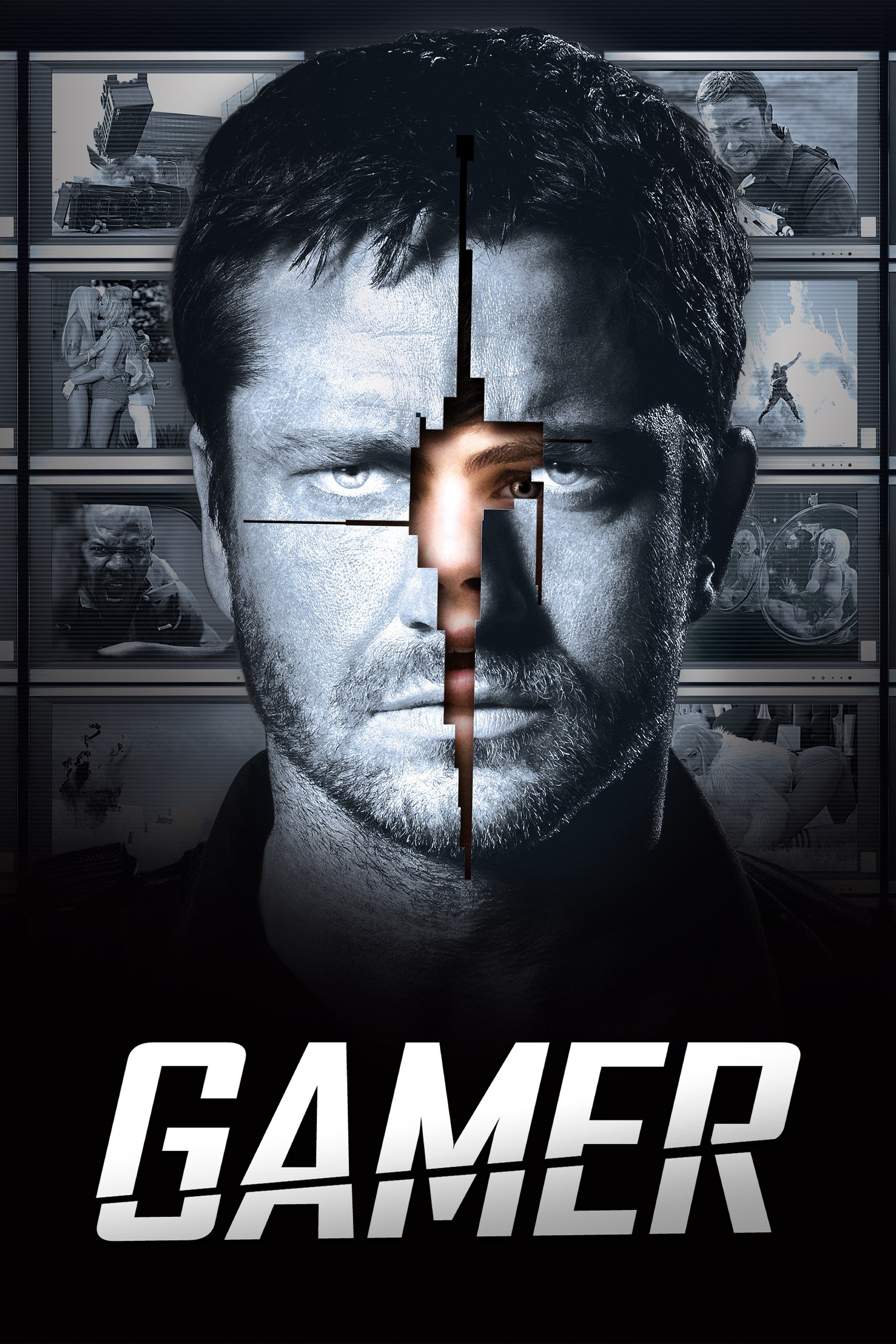
Gamer - dir. Neveldine/Taylor
See all my other reviews about fragmented digitality or whatever. But really what is this besides a sick-ass action movie? I have bozo sense of humor so I fuck with it too much. 8/10.
-

Only Lovers Left Alive - dir. Jim Jarmusch
I don’t think this movie understands why it works when it does. The romance is as captivating as any Jarmusch romance, yes–the man knows how to portray aspirational couples–but the moments in which the film gripped ME specifically were in its depictions of decay. Setting the story in Detroit was a divinely inspired choice, the city of forgotten decrepit industry left to rot by capital. It takes time to get there, almost an hour or so for me, but when it does there’s a brief segment in the film that feels holy, like Jarmusch has stumbled onto an arcane secret of the earth. I like immortality as a calcification of deific duty, like you’ve got to spend eternity as a passive observer of human progression. I like the mythicism, yes, but too much of the film is hipster sleaze, the least compelling part of the equation. 7/10.
-

Bring Her Back - dir. Philippou Brothers
The Phillipous were basically testing the waters with Talk to Me, a film which doesn’t have a whole lot to say, knuckledragging its paranormal horror with forced comedy and reducing its concept to the weakest of “elevated” horror metaphors. I’m surprised, then, that people are calling this the weaker of the two, or a lesser version of their original concept. If anything, it is an upgrade; proof that the Philippous can work in extreme without losing touch with the spirituality of their subject. There is a deep appreciation of the occult in this film that there simply isn’t in Talk to Me, a strong relationship built between the demonic entities below the surface of the image and the visceral brutality of the image itself. The relationships are complex but never more important than the evil and grief wrestling underneath. This is a film about a woman tampering with forces beyond her control, which is a theme I will always appreciate as a fan of cosmic horror. 8/10.
-
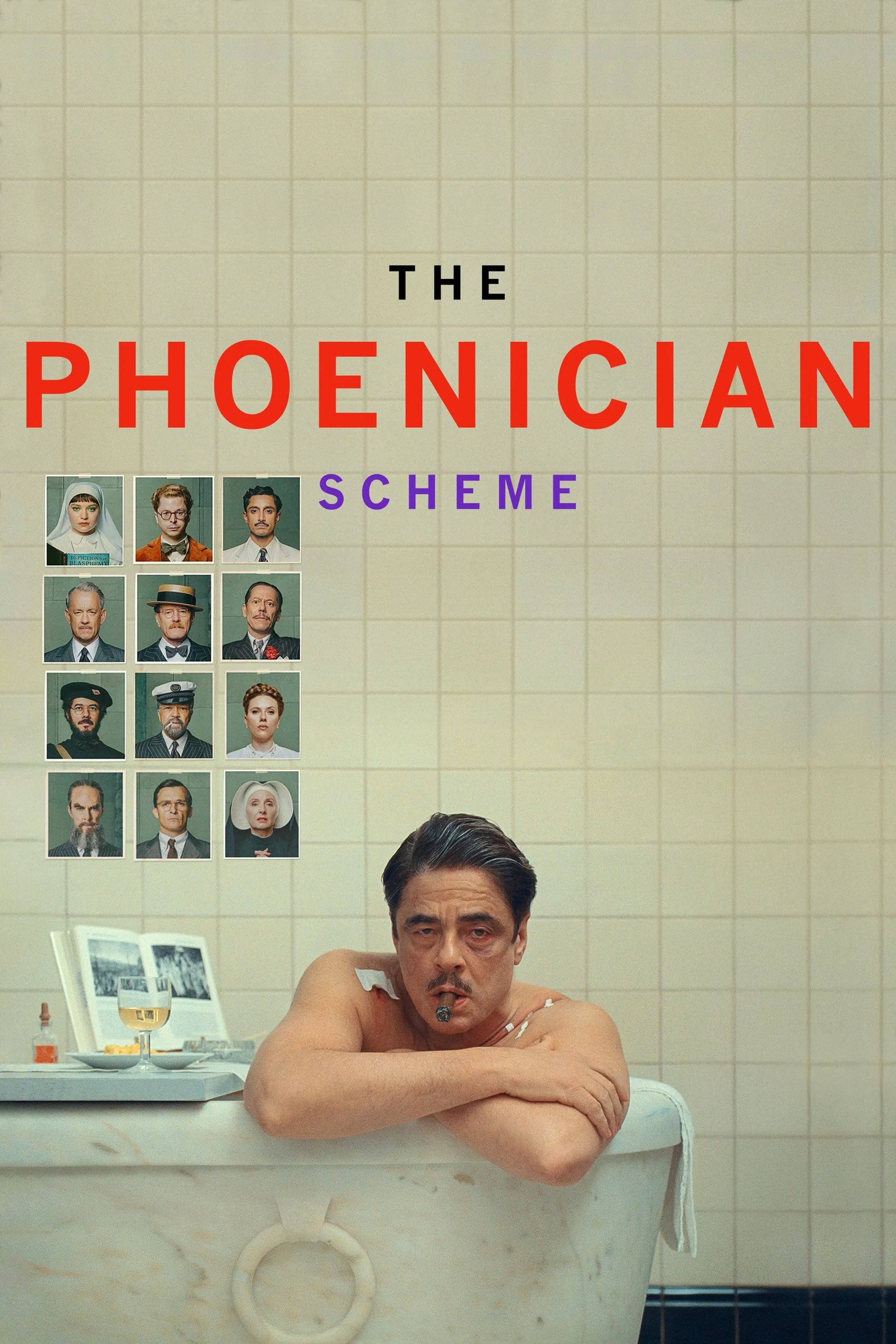
The Phoenician Scheme - dir. Wes Anderson
Stanley Kubrick and Wes Anderson are both perfectionists, but one pushes the perfection to the point of madness and thus elicits a provocation and one merely composes perfection to the end of aesthetic virtue, which in of itself has no real value. Cinema is montage, cinema is image, yes, cinema is built on “aesthetics,” sure, but the “aesthetics” are not an end-all-be-all, they should COMMUNICATE a feeling, an idea, a thought. Anything, honestly. Unlike in the films of Stanley Kubrick, no performer in Anderson’s ever transcends the screenplay.
Buster Keaton and Wes Anderson both play in tight frames with limited geometrical movement, but one pushes the physical boundaries of spatiality to its absolute limit with staggeringly funny results and one, again, merely utilizes the arrangement of the space for surface-level symmetry. There is no physical exuberance in a Wes film, no movement that isn’t endlessly rehearsed to muteness. Unlike in the films of Buster Keaton, nobody in Anderson’s takes any real risks.
The Coens and Wes Anderson both write razor sharp dialogue packed into taut screenplays with little breathing room, but one (or, I guess, two of them) use their dialogue as an escalating series of reveals which unveil seamlessly the microcosm they inhabit and one, again, writes dialogue for the sole purpose of aesthetic whimsy. There is no dialogue in a Wes Anderson film which actually communicates a clear idea of person or place or emotion or plot, and unlike in a Coen Brothers film there isn’t a single line of Wes Anderson dialogue which can be quoted offhandedly. The reason is obvious; it’s disposable.
I make all these comparisons because I think I’ve finally had an epiphany about why Wes Anderson movies have all the gravitas of a soft exhaled chuckle–his movies are auteuristic facsimile. His films serve as charcuterie boards which remind the viewer of better, more compelling filmmakers. Any time Wes broaches the mere notion of exploring an idea or aspect of his worldbuilding which contradicts the whimsicality of his core mechanics, he cowers away in fear, because he is fundamentally a weak-willed artist without any legitimate beliefs. If you were to point a gun at him and ask him to create a film which makes a coherent ideological statement, he would probably shit his pants and then say “it appears I have deposited feces in my undergarments. Please excuse me.”
Take the communist revolutionaries in Phoenecian. They have all the “aesthetics” of communist revolutionaries but go along with Korda’s schemes as glorified security guards because…? Is Anderson making a commentary about how radical communism loses its way to imperial capitalist forces? Is Anderson trying to indicate Korda’s leftward shift as a result of some elaborate character arc? Or is it more likely that Anderson just thought Richard Ayoade would look aesthetically pleasing in the outfit of a communist revolutionary?
I think Liesl’s character arc reveals something putrid at the center of Anderson’s aesthetically calculated box of tricks. At the beginning of the film, Liesl is a devoted believer in the Catholic faith with strong humanist values and a desire to help all living beings. Over the course of the film we watch her “grow” into a woman settling down with a self-identified “moderately conservative” man and recognize her “purpose” as a child-rearer to her dad’s children. I am sure that this seems like a sweet and whimsical cap to her story if you are an artist with no beliefs who secretly resents people with strongly held ideologies but to anybody with a pair of eyes this is about as regressive as it gets. In the world of Wes Anderson, it doesn’t matter how terrible your family is, the family unit is still sacrosanct and anybody with beliefs which threaten the all-mighty unit need be quelled.
Anderson also deploys a strange recurring gag about slavery that I find spineless in the liberal variety. Repeatedly, Korda mentions using slave labor (except they will be paid). It’s a chuckle-worthy joke, sure, but again, if you take the world seriously you have to ask yourself how you are supposed to empathize with a man who presumably uses minimum wage labor to construct his imperial project? Now, there is nothing wrong with asking the audience to empathize with a person who commits moral wrongdoing, I am not the kind of prude who demands that a film undercut its own protagonist by way of moral lecturing. But if you’re going to get into it… get into it. If you’re going to talk about slavery, talk about slavery. If you’re going to get political…. then get fucking political.
Wes Anderson uses Zionist imagery throughout this film as well, with Scarlett Johansson’s Hebrew-using character initiating some kind of utopia in an unspecified region of the Middle East. I am not critiquing the imagery in of itself, I have no way of knowing what Wes Anderson’s beliefs are regarding the state of Israel (he probably has no beliefs at all) and by all means enjoy the film for its… set design, or whatever… but really? When we talk about truly great filmmakers, we talk about people who use imagery to communicate, not just people who use imagery to circle the drain. There is absolutely nothing that separates the work of Wes Anderson from a book of I Spy except for the fact that it contains audio. They possess equal artistic value, only most of us grew out of I Spy by the time our frontal lobes started developing. I suggest it’s time to leave the work of Wes Anderson where it belongs; the toy box.
-

She Was Like a Wild Chrysanthemum - dir. Keisuke Kinoshita
Perhaps a strange criticism but too much formalism? The choice to shrink the aspect ratio into a foggy circle for the bulk of the runtime is odd. If the purpose is to achieve the melancholy of memory it doesn’t make sense… most of the scenes that take place in the past aren’t even stuff our main guy was there for.
Kinoshita refuses to move the camera at all. He gets some great shots out of it, but if you want to sell me on the passion and romance you gotta make me FEEL it, and I never felt it. You could make the argument that the stillness of the frames hangs a weight over the fledgling lovers’ relationship. I find it unconvincing.
Not terrible by any means, it just never soars even close to the heights of something like Twenty-Four Eyes. Lots of crying, not much humanity. 6/10.
-
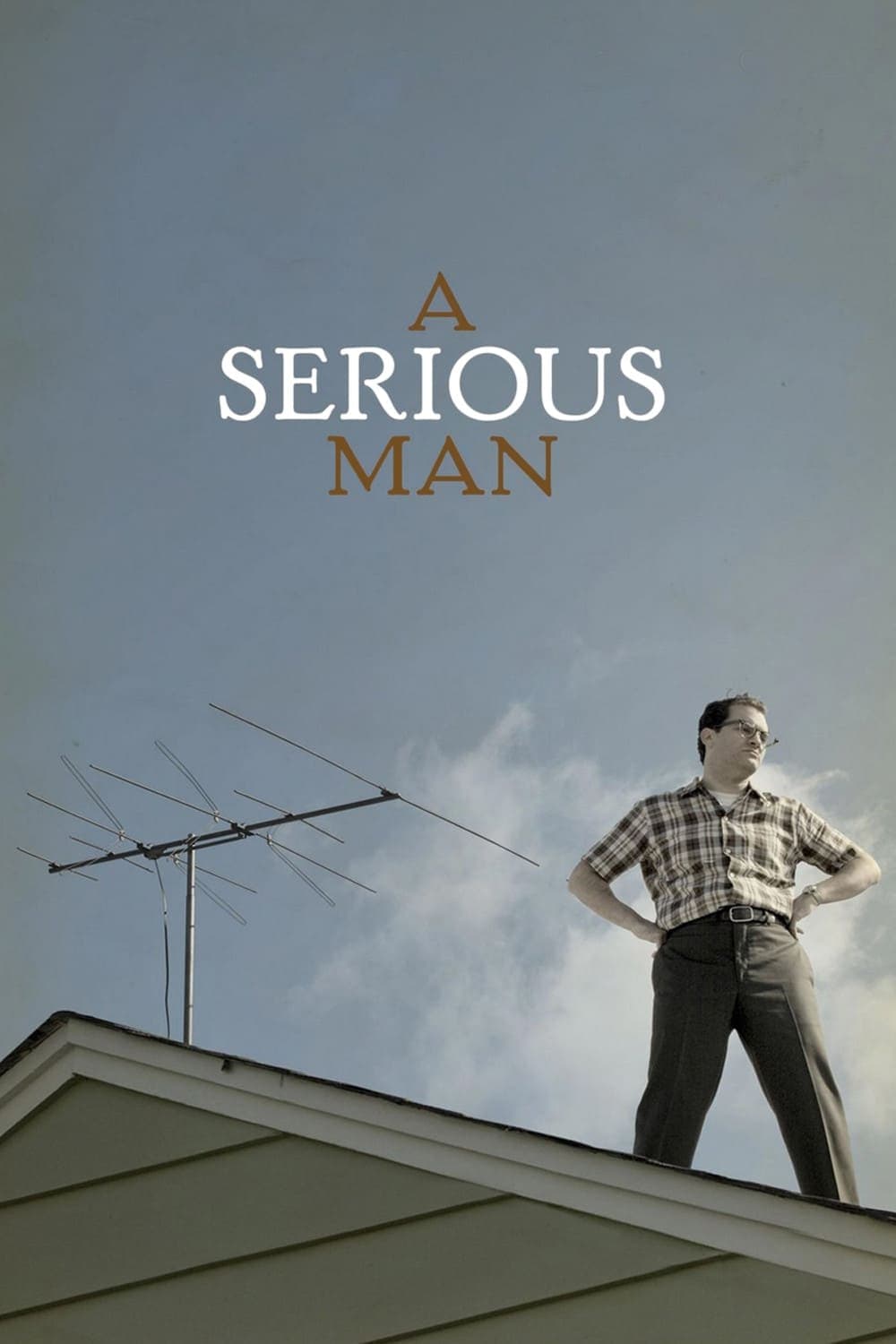
A Serious Man - dir. Coen Brothers
You’d think as a Jewish person I would have a lot of easy opinions or perspectives to fire off on this movie, but I don’t, not really. What it makes me think about is how differently I was raised compared to many Jews. I didn’t grow up in an insular community like this, none of my friends were Jewish, I learned Hebrew through my parents so no Hebrew school, and I didn’t have a bar mitzvah or anything. And yet I still feel this impossibly strong connection to the culture. I’m alienated from it at the same time though, like I watch this movie or any movie by Baumbach and it feels so familiar and yet so alien to me. All the rituals and schmucky stories are foreign as could be. I love this movie and I understand it, I think, but I couldn’t be further from relating to it at the same time. And yet I do? And yet I do. Today was a difficult day for many reasons but I liked the quote it opened with; “Receive with simplicity everything that happens to you.”
Thanks, Rashi. I will. 8/10.
-
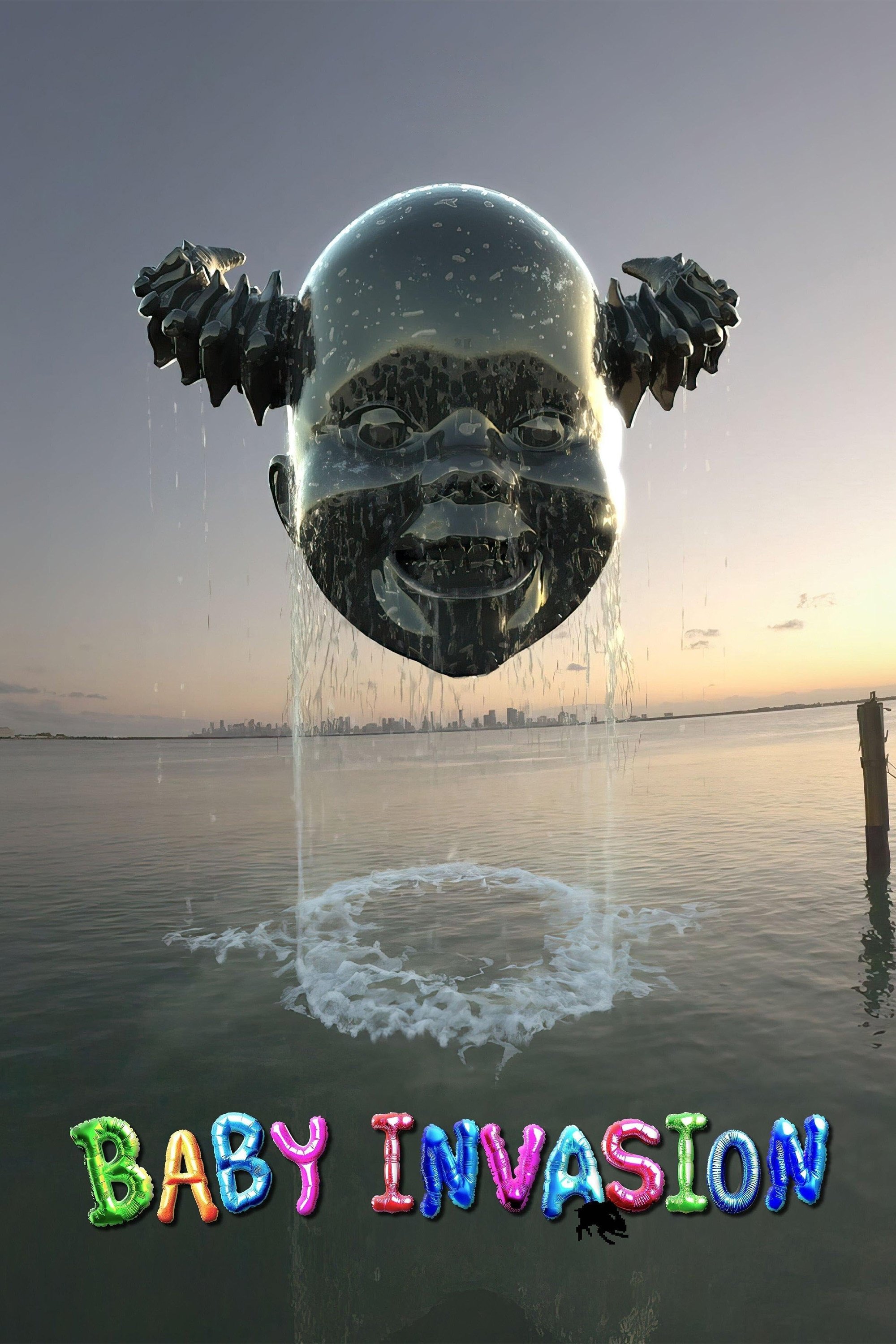
Baby Invasion - dir. Harmony Korine
Even when Korine is putting all efforts towards nihilistic anti-artistry, he can’t help his love of images, it betrays him. Often, during the film, the chat will stop so Korine can show us a cool hyper-processed neo-image, warped and saturated in all its glory. Korine can never accurately mimic the soulless unreal slop of the vogueish content farms because he loves art and mood way too much, there is simply too much aesthetic curation involved for him to actually play the rejector. There clings to Baby Invasion’s residue an innocence, a desire to make meaning out of pixelated stupidity. The chat does not move quickly enough, the home invading babies curiously non-violent; it stings so much of a sincere old man’s confused perspective. A sincere old man trying to fit in with the denizens of the modern generation and failing sincerely, giving up in the end.
It’s not the product of a tortured artist because I think Korine’s having the time of his life, but it’s not the anti-art hyper-ironic brainrot people describe it as either. It’s bizarrely meditative and I hope to see Korine take a more interrogative approach to this train of thought in the future. 8/10.
-

F1 The Movie - dir. Koseph Kosinski
Kosinski wants to be the harbinger of the return of classicism in contemporary cinema and I appreciate that his films are a kind of respite from the post-post-modern irony-poisoned slop being shoved down our gullets, but I’m not sold on it. None of the conversational exchanges are skillfully directed, it’s a lot of cutting between bland shots of people’s faces without any sense of the overarching geography. The one scene I’d say this isn’t the case for is the poker scene but that’s one scene in a two and a half hour runtime, which is itself completely egregious. Days of Thunder, the movie this desperately wants to be a revamped version of (right down to the JERRY BRUCKHEIMER producer credit), is a slick sub-120 minute ride, exactly what it needs to be. Kosinski just isn’t Tony Scott man. Sit the fuck down.
Also, way too many big movies these days are about white dudes being cooler/better/more masculine than their non-white costars. A symptom of the Trump era I reckon, and very, very bizarre to note. 6/10.
-
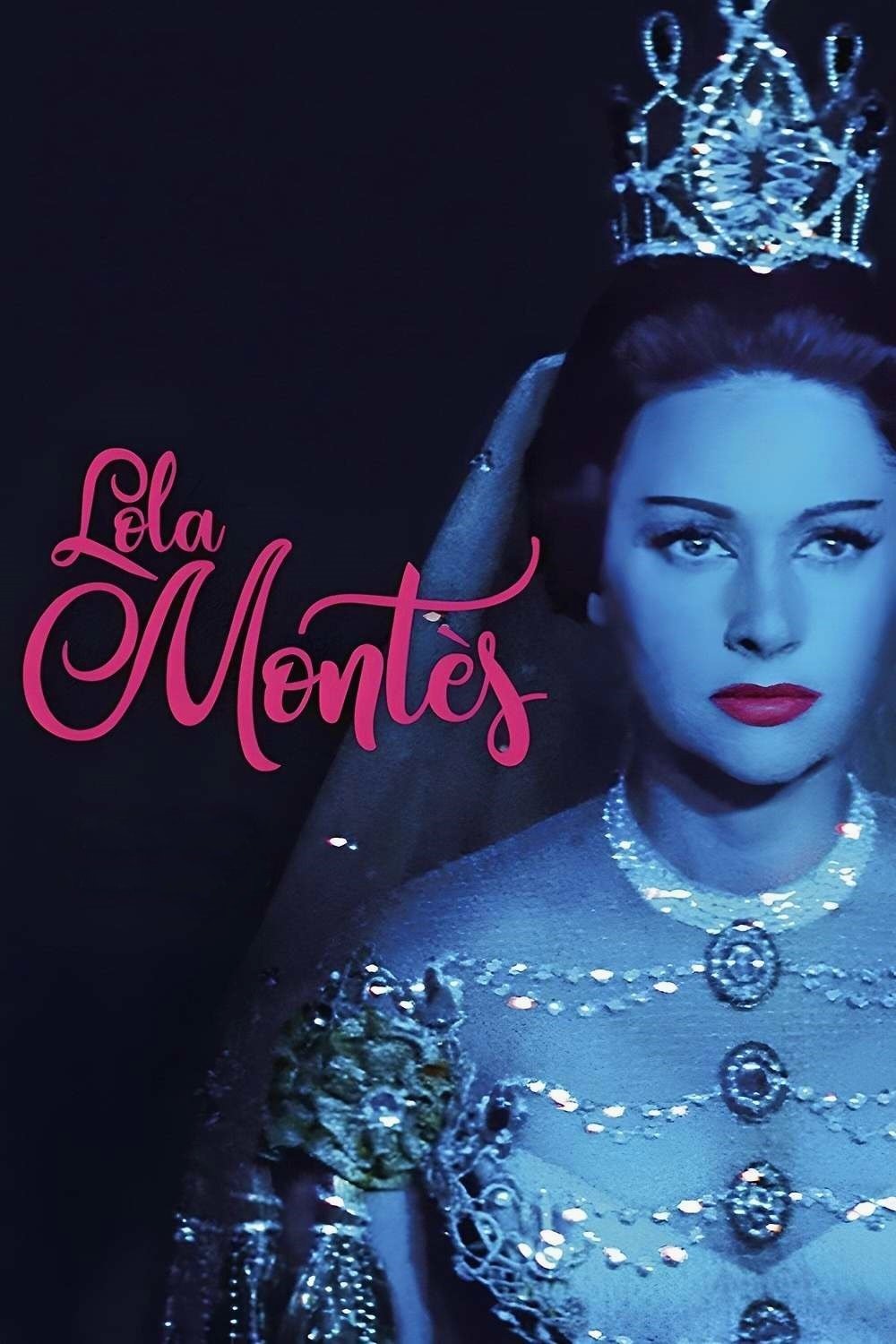
Lola Montès - dir. Max Ophüls
Lola Montes is a figure immediately beset with movement, we are introduced to her as a lively character defined by vehicular interiority, insofar as her escapist tendencies presuppose an underlying avoidance. She attracts romance and fury alike, jeering crowds and wistful suitors. The world is at her feet as much as it nips at her heels. Ophuls’ camera pans, but it never rushes. His frames opulent, careening towards excess but kept in perspective through the usage of personalized framing. Even when the audience is threatened to be lost in the shuffle, Ophuls ensures the focal point always returns to his central woman, and the through line is preserved. 8/10.
-

Amateur - dir. Hal Hartley
I have to overlook Hal Hartley’s casual womanizing to enjoy his movies and I’m usually successful. In Amateur it’s more egregious, really just shameless alt-core objectification. I still like it, I still enjoy the dreamy indie ennui that accompanies every Hartley movie but it’s still just Gen X aimlessness. 7/10.
-

Henry Fool - dir. Hal Hartley
The closest to a “total work” from Hal Hartley, an expression of the ideas he has dabbled in all under the European aesthetic context through which he projects his American thematic framework; working class ennui, artistic and spiritual integrity when confronted with the social ladder, mistaken identities and dysfunctional found families, all at over two hours, by far the longest movie he’s made.
Truth be told, there is a part of me that is conflicted now about Hartley’s work. It is ragingly misogynistic, no way around it. Every female character exists in Hartley’s universe to either be a sexual object or to admire the intelligent, philosophical men, and I find it a little bit repulsive. It’s a shame because everything surrounding the misogyny is pitched perfectly and some of the most unique cinema to come out of the 90’s independent film movement. Hartley utilizes a straightforward Bressonian aesthetic to package his philosophical punches, highly unusual and surreal in the context of Americana. But I cannot get over the misogyny, especially since you can tell Hartley probably THINKS he’s a feminist. It doesn’t have the sincere conservatism of a Clint Eastwood or a John Ford to cover its tracks, so it reeks of male feminist neurosis, and that to me is even worse. 7/10.
-

A Summer’s Tale - dir. Éric Rohmer
Rohmer uses a deceptively simple setup, execution, and premise to wolf-in-sheep’s-clothing a morality tale of temptation, vice, and personal virtue. A buddy of mine on here, Matias, mentioned in my last review of a Rohmer film that Christians love him as a director because of how neatly his films align with their moral system. I specifically looked out for that here. I don’t know very much about the nitty-gritty of Christian ethics but a big part of it is resisting the allure of sin. God creates us as sinful creatures and our goal is to try and atone for that. On paper you’d think if Rohmer was Christian as fuck it would lead to something stifled and contrived but to the contrary; because his style is so low-stakes he can actually convey a moral message without beating you or his characters over the head with their flaws.
Gaspard’s flaw in contrast to the women he fumbles is that he has no principles and no backbone. He flails in weakness when his girlfriend doesn’t return his letters while Margot waits solemnly for her boyfriend, even calling herself a “sailor’s wife”. There is nothing wrong with sensuality, even Solene will admit to Gaspard that she’s dropped a couple of guys upon meeting him, but she has strong, harped on principles that she abides by, and this makes her morally righteous where Gaspard is morally weak. Even Lena’s mercuriality belies a maturity he lacks. Despite her flaws, all she wants, explicitly, is someone she can talk to without any ulterior motivation. This seems to be a common theme amongst Rohmer’s women–their desire for deep connection smudged by male lust. Hence the Christian morals.
Figure out what it is you want, have principles, don’t be morally weak. A lesson all young men could learn from, taught without the slightest bit of condescension or cruelty. 8/10.
-
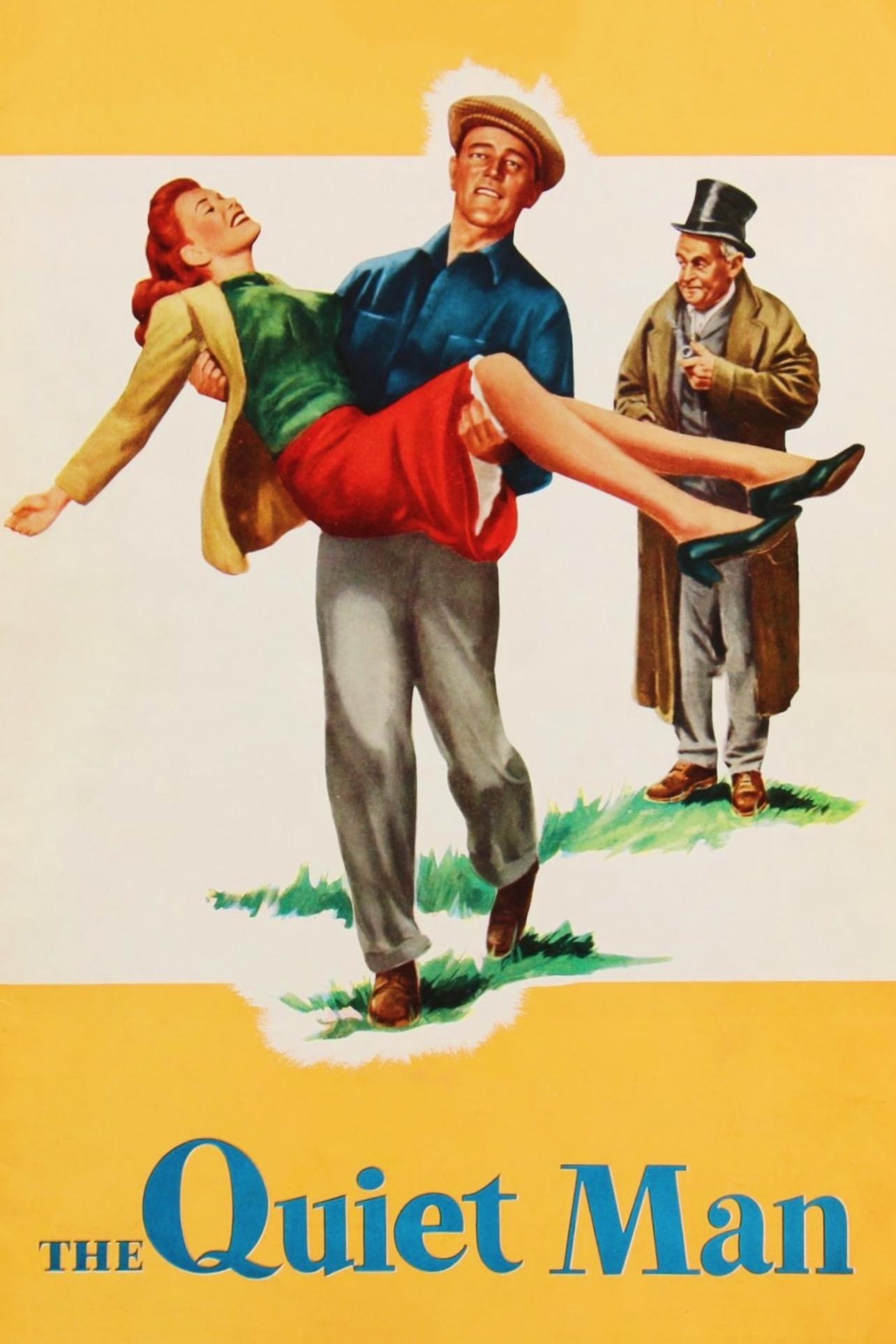
The Quiet Man - dir. John Ford
In the films of John Ford tradition is romanticized and criticized in equal measure. I have heard it said that the great artists live in the dialectic betwixt two ideas and this certainly holds true for John Ford. I think American filmmakers are uniquely predisposed to highly fertile creative contradictions–at once they are proud of their heritage and self-identified as revolutionaries, they pay homage to their past while seeking to carve out the future. Our country was built by hyper-religious zealot refugees who retrospectively constructed a myth of rebellion against the colonial project. We rebelled against our king but all we really wanted was to join in on the race. I digress.
In “The Quiet Man” John Wayne’s Sean Thornton returns to the old country, both Ford’s and his own. Even before I watched this, I posited that it was a personal project for Ford, a delving into his own roots and an exploration of what would actually happen if the American prizefighter were to return to his idealized homeland. Like most Ford films that I have seen it ends on a semi-romantic note, but the question remains–does the tradition make any sense? What is there to be romanticized about such a strict, hypocritical society? These questions are never fully answered, by the end of the film Ford gives us a happy ending, offering small nuggets of incongruous scenework. The Catholics putting on a Protestant act, the marriage between two people who loathe each other being celebrated by the townsfolk, the fact that the resolution is only solved through violence. A not so subtle reminder that highly ingrained structures can only respect violence. Sure, Maureen O’Hara is in love, but what if she wasn’t?
A motif throughout Ford’s films is the folk song. In Wagon Master the chorus of “fell in hind the wagon train” is repeated many times, so much so that even today in my day-to-day life I still sing it to myself. The folk song reminds us of the social codes that we abide by every day. That these townspeople can sing them together bonds them and enmeshes them closer into their collective social fabric. Ford is highly concerned with these underlying social rules and customs. When Wayne and O’Hara are about to kiss in a graveyard (which is also a violation of their courtship rituals) they commit a double taboo, so serious that God immediately strikes them with a thunderstorm. They kiss under the aisles but in the midst of this romance their expressions look labored and anxious. Their act of romance goes against the social code. That is why I consider that to be one of Ford’s most powerful images. It encapsulates his strength as a filmmaker to a T; his obsession with how romance meets tradition. 9/10.
-

California Dreams - dir. Mike Ott
I hope every American on or around the poverty line gets a chance at least once in their lives to go to another country. Doesn’t matter which country, just any opportunity to see a different culture is worth it. I take for granted how much my parents moved around with me. In fact, I used to resent it, but I was lucky. A lot of people want success, but success is often a disguise for a different want. Patrick and Cory want to be actors; I think what they really want is love, and adventure. That’s all any of us want at the end of the day. To love, to explore, to create. I pray we all get the chance to do that in our short stupid little lives, even the freaks and thee weirdos. 8/10.
-
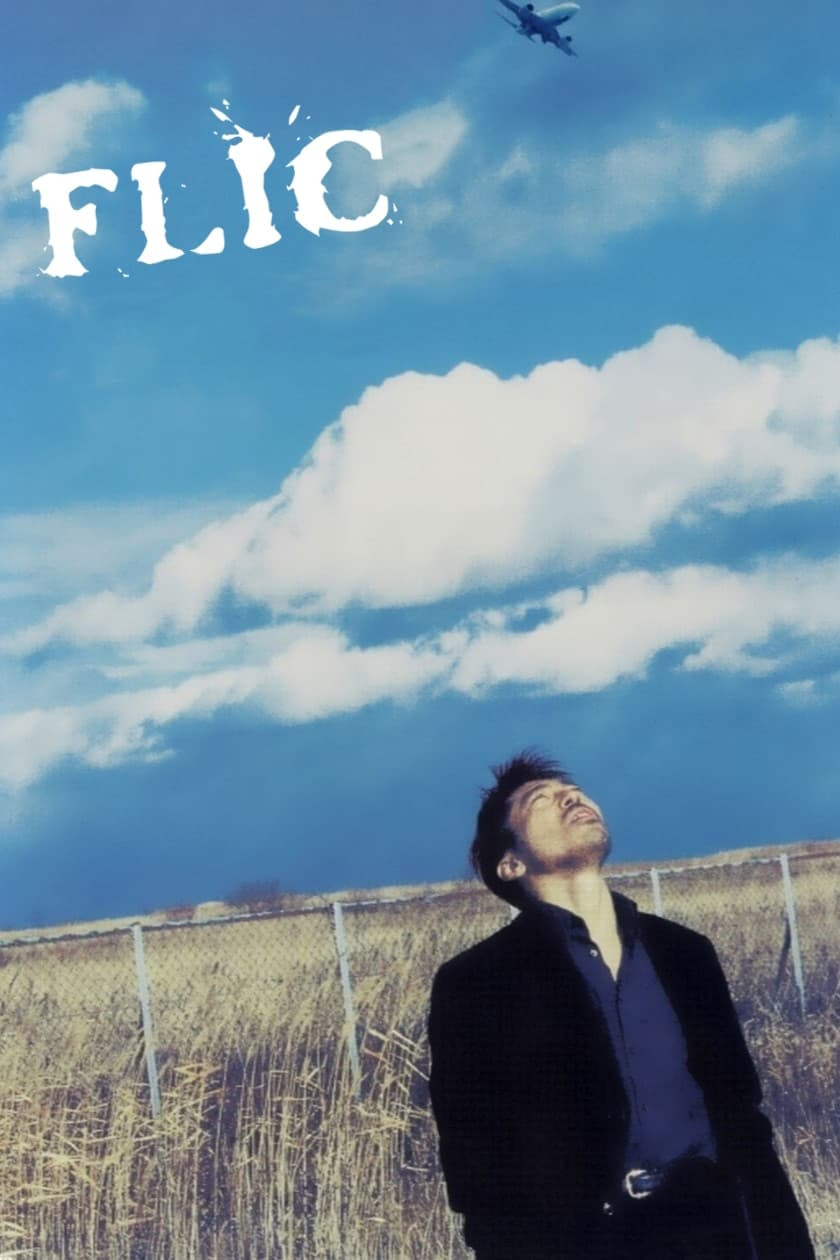
Flic - dir. Masahiro Kobayashi
Long intervals of silence punctuated by torment at close-range. The only time Kobayashi permits us to get close to Murata is when he wants our voyeuristic gaze to torment him. The externalization of a destabilized and disheveled mental state, the case closes before it is investigated, the life ends before it is lived, the agony predestined. Watch the cop fumble for some trace of limbo before it is geometrically diced. This movie explores how it must feel to actually be a noir protagonist, a deliberately obscure attempt to bridge the gap between fiction and reality and capturing the ensuing carnage of the incestuous union. 9/10.
-
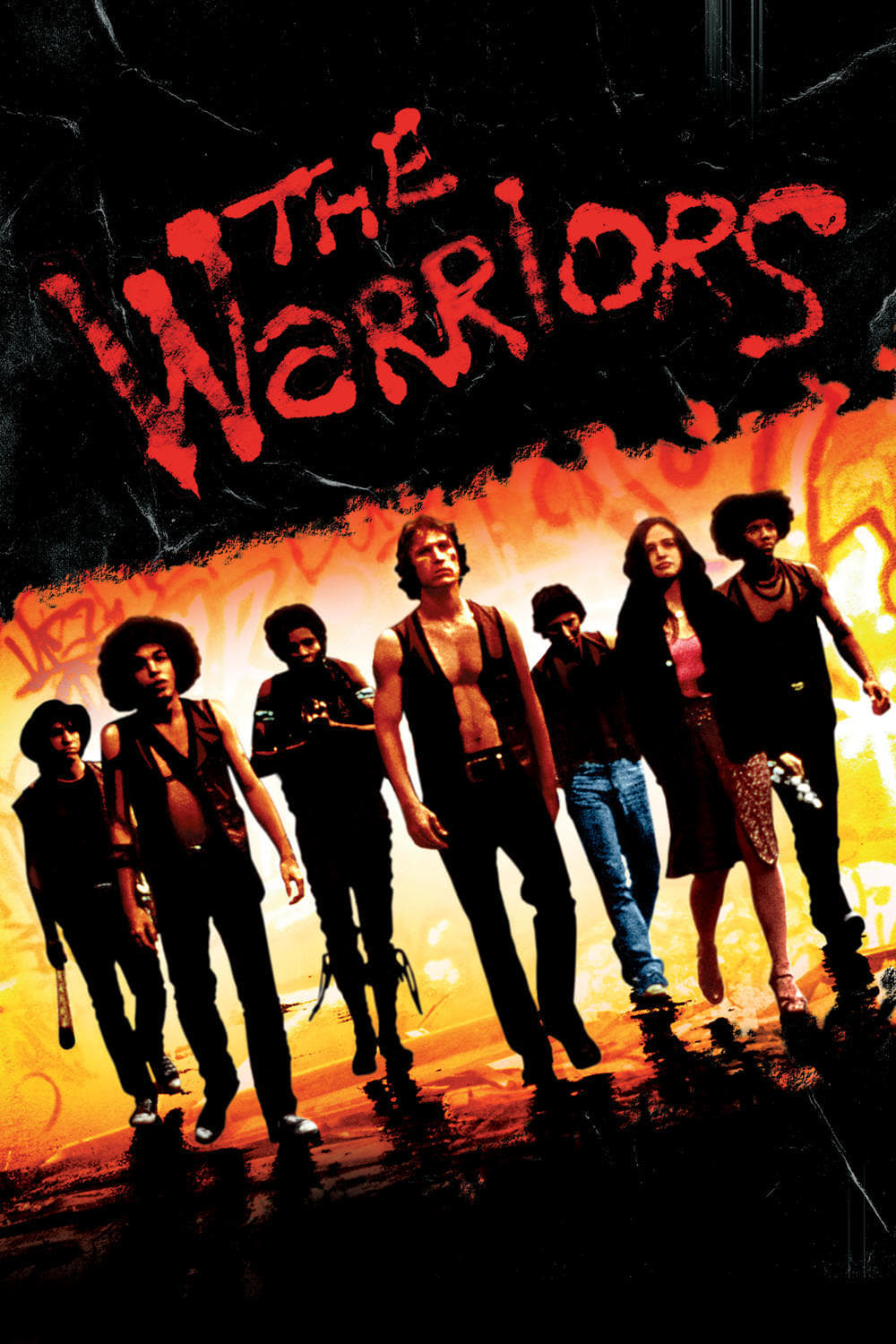
The Warriors - dir. Walter Hill
Walter Hill turns New York into a whole miniature universe of rebels and charlatans, sirens and warlords. It’s like he takes New Hollywood realism and places mythological storytelling over it. Fucking amazing, love it. I see a lot of reviews calling it dumb or silly and I’m like, bro if this was a Hong Kong movie you’d be calling it a masterpiece. We’re so desensitized to sincerity that we scoff when we see it and shake our heads condescendingly but if you choose to play by this movie’s rules you really get invested in the feudalistic vision of New York City it presents. I’ve been looking for more movies like Soi Cheang’s Twilight of the Warriors and this scratches that itch so well, it’s so fucking GOOD.
I’ve been blessed this month with how many incredible movies I’ve watched. Thank God and shit. 9/10.
-

Lake Los Angeles - dir. Mike Ott
Mike Ott attempts social consciousness to flavorless results; Malickian without the mythicality, Sean Baker without the humor. No idea why anybody thought the pallid grey color grade was anything but an eye roll but this is optimal independent “social problem” festival fare. 4/10.
-

Remember My Name - dir. Alan Rudolph
One of those 70s movies that is boring as fuck. Probably my favorite decade but it had its fair share of “character studies” that just had zero sauce at all.
-
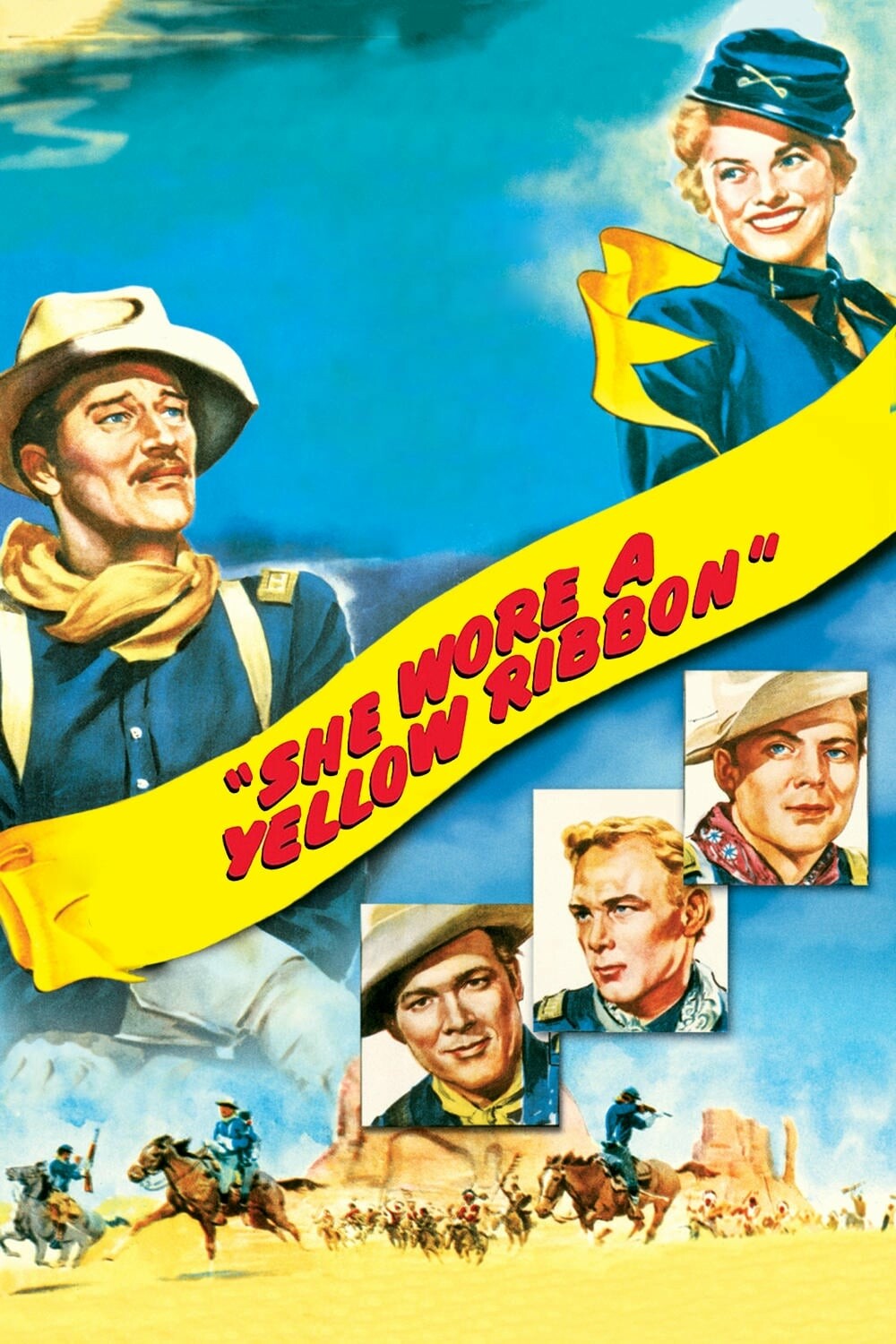
She Wore a Yellow Ribbon - dir. John Ford
No one can accuse Ford of lacking affection, and certainly the director wields empathy for his melancholy, teary-eyed sentimentalist officers, but I cannot help but feel a bit uncomfortable with this whole affair. I accept Ford’s conservatism and I think his depiction of indigenous people is more kind than you’d expect from a guy like him, but I still feel annoyed by the dichotomy of young savages and old wise chieftains. I think you can justify it in a way by drawing the parallels to the American soldiers themselves, their own young upstarts upsetting the old way in uncomfortable expressions of violence, but I am unsatisfied with this answer. At the very least you have some of cinema’s prettiest pictures to keep your eyes satiated. 7/10.
-
Habit - dir. Larry Fessenden
Briefly you are able to see Stromboli’s Pizza in the background as a grainy picture of NYC grit; the sense of setting took me back to my salad days as a six year old with my dad. He’d pick me up after school on his bike and we’d grab a slice at that very location. The horror never worked for me but Fessenden is a director with a phenomenal aesthetic instinct. This and Wendigo are worth watching for the specific kind of eerie coziness they entail. 6/10.
-
Elevator Game - dir. Rebekah McKendry
Adapting a creepypasta should be an easy slam dunk for me, but this is REALLY, profoundly awful. I’m so embarrassed for every actor involved.
-

Nightbreed - dir. Clive Barker
This time, Clive Barker positions the gothic queer sexual underworld in antithesis to sterile suburbia. I appreciate the idea of a hellish community of gay freaks much more than I like the execution; horror usually works best for me when it is maintained, and towards the end of the film it essentially becomes an all-out battle between the cops and the nightbreed. The special effects are absolutely unreal, every inch of this film is laced with the finest of details, but I have to admit it lost me a bit. 7/10.
-
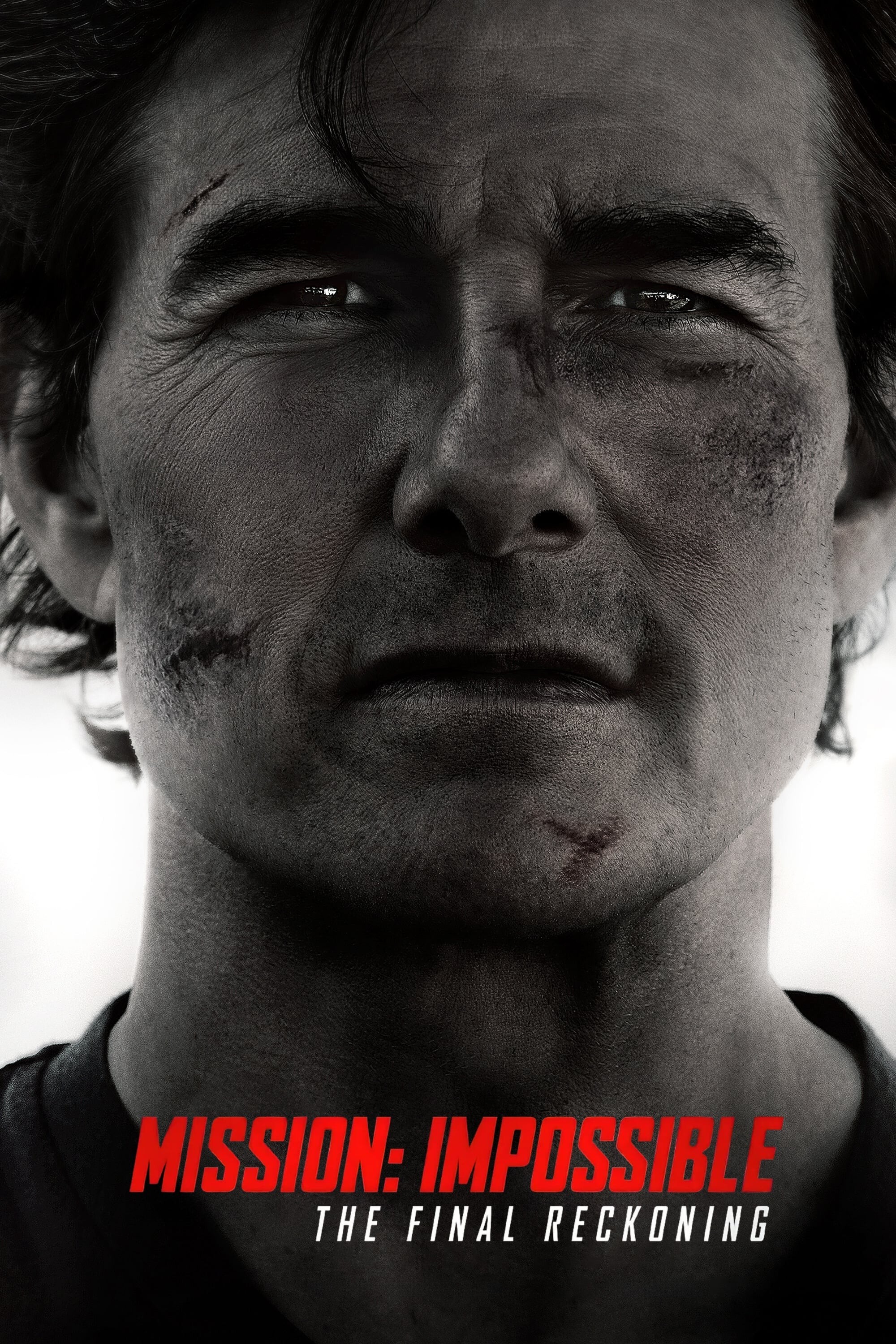
Mission: Impossible - The Final Reckoning - dir. Christopher McQuarrie
Walked out of the theatre after about an hour-ish. Nonstop exposition, nonstop pontification. At one point Ethan kills a few guys and instead of watching that, we watch Grace’s reaction instead (as if we are supposed to be horrified with her that Ethan killed some people, like it hasn’t happened a bunch of times in the franchise). Abhorrent, since it’s one of the few hand-to-hand sequences in the first hour of the film. Maybe I will revisit this at some point when I go through McQuarrie’s filmography but for now I’m pretty comfortable leaving this 3 hour behemoth unfinished.
-
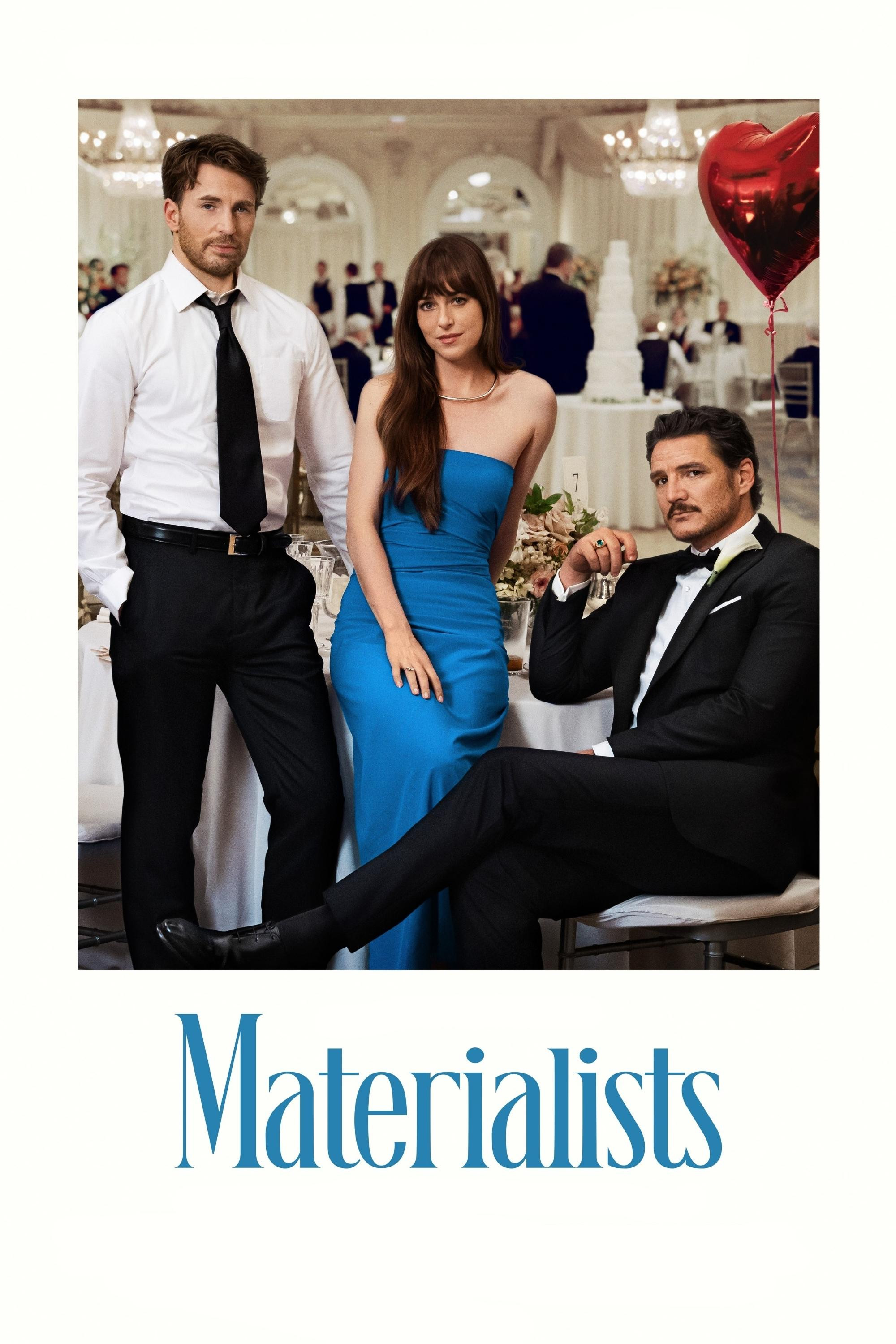
Materialists - dir. Celine Song
Few big takeaways:
I have got to know what Paul Schrader thinks of this. One of the third act turns uncannily reminded me of his late era filmography. A cold professional suffering a crisis of faith? It’s like if Paul Schrader were given a romcom.
Made me grateful to be 6’3.
Pedro Pascal is extraordinary. Two of the best scenes in the movie were his. Chris Evans and Dakota Johnson aren’t even in the same ballpark as this guy, he is movie star material through and through.
I think there will be a tendency amongst some reviewers to dismiss this as yuppie A24 nonsense but I implore them to try and give this a chance. There is a strong sense of female perspective that elevates it head and shoulders over its contemporaries, like Worst Person in the World. Cogent 21st century romance vibes. It is able to skewer while still giving the woman a happy ending. 6/10.
-

Exotica - dir. Atom Egoyan
Patterns stretching into the event horizon until a chain unlinks and something snaps inconceivably and immaterially, a cosmic consequence of a world in which things seem ordered and mannered but in fact bely a chaotic void where great pain and pleasure come at opposing ends of a new century’s blade. In other words; Lynch with a denser screenplay. 7/10.
-
Lord of Illusions - dir. Clive Barker
It infuriates me that Clive Barker only made 3 movies when he is possibly my favorite horror director next to Stuart Gordon. Most directors lean far too into camp or into self-serious bullshit while Barker takes pulp seriously to dazzling results. He has an eye for the subterranean occult, a real understanding of cosmic horror. Also he’s probably gay as hell. 7/10.
-

Norte: The End of History - dir. Lav Diaz
Intellectualizing of suffering warping a man into a moral black hole. Reject God, reject humanity, reject a self-imposed order and what do you have left? Void. Lav Diaz takes Crime and Punishment and widens its scope beyond the confines of the main character’s mind to encompass the entirety of society and human nature in its breadth. We find out that human nature is not individual but instead molded by the world around it. A simple film, executed simply, but the result of its simplicity is complete interpretive freedom. The freedom comes at a cost, but it is freedom. 9/10.
-

Limbo - dir. Soi Cheang
What it means when the differentiation between all men is reduced to zilch, when they are all expressions of hyperviolent trash, when a woman must survive by scrambling through the world decorated with human excrement and garbage. A relentless movie that speaks to the flipside of Twilight’s optimism. In that film, the wreckage liberates; in Limbo, it buries. 7/10.
-
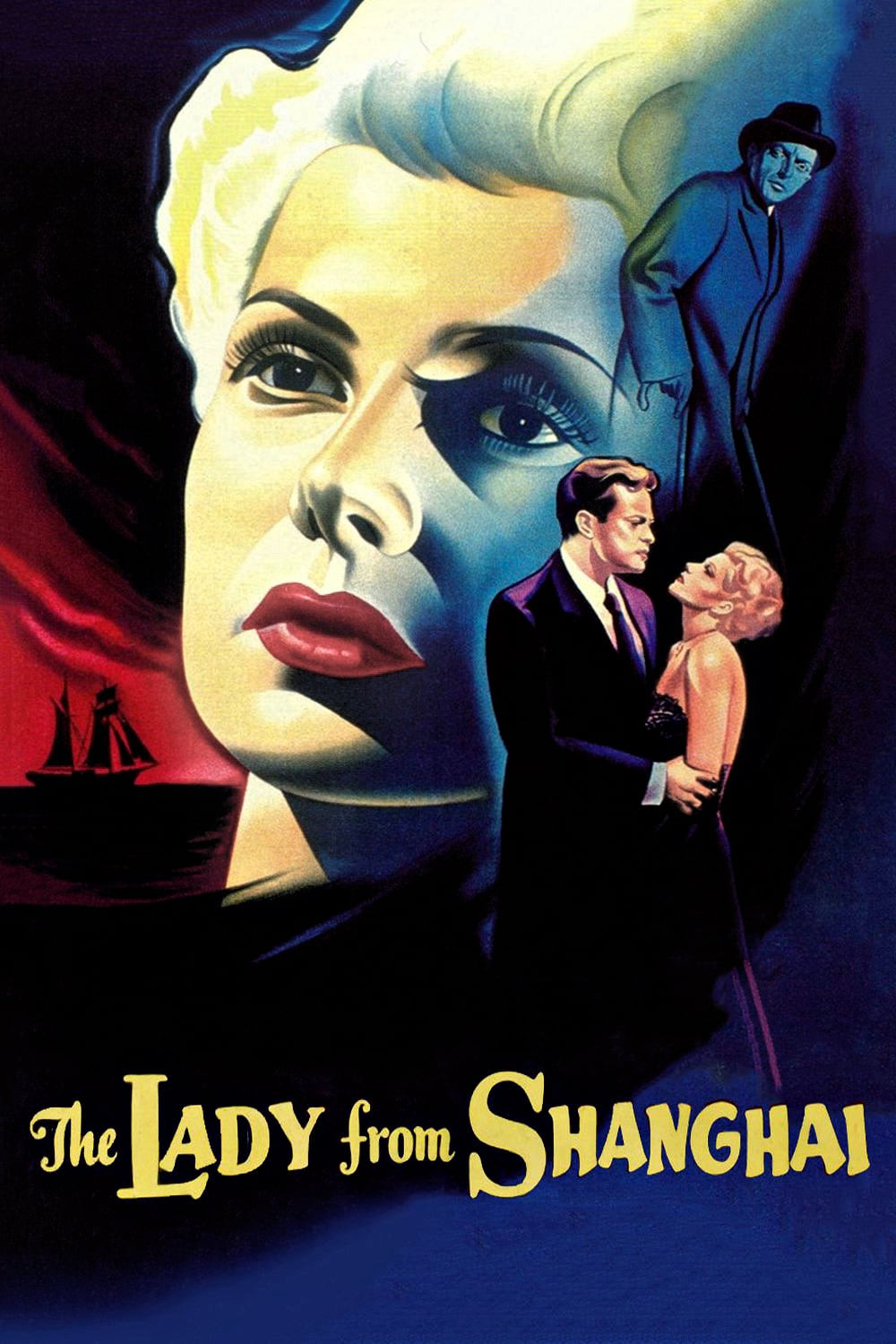
The Lady from Shanghai - dir. Orson Welles
Antonioni must’ve had this shit on repeat while he was making his alienation trilogy. I’m reading an interview he did with Godard and in the preface Andrew Sarris talks about how Antonioni became increasingly fascinated with the upper class as subjects of deception and emotional terrorism as his career progressed. Lady from Shanghai is the marriage between Welles’ theatrics and Antonioni’s twisted fixation on the layers of betrayal landscaped into the relationships of the wealthy. 8/10.
-

Asako I & II - dir. Ryusuke Hamaguchi
Cradling memories under a sheen of passivity, how it feels to suppress emotions unwillingly, to live on autopilot as the cards fall and the moments pass. To fall in love with a simulacra only to realize later that the love was more real than what it was simulating. To be selfish out of dull pallor and to be jolted awake by the cold rain. To die and to come back. Hamaguchi the modern master. Nobody is doing it like him, not even close, not anywhere on this planet, not as far as I know. Give it thirty, forty years and he will be cemented into the global pantheon. 10/10.
-

Blackhat - dir. Michael Mann
The opening minutes of this film physicalize the processing of data. Mann, through a CGI setpiece, makes us acutely aware of the fact that this cloud of information we breathe perennially is this real, tangible thing–microscopic, though it may be. The main action in this film, then, is not in the exchange of blows but in the exchange of data and the ability to keep surveillance on your enemies. And when violence does break out, when it literally explodes into the frame, it is disorienting and disillusioning, it feels cold and empty. We have lost control of our physical selves to a digital armageddon guided by unseen forces, manipulated by ones and zeroes, and liable to end our civilization as we know it.
One of Mann’s greatest, would be his absolute best if Miami Vice didn’t exist. 9/10.
-

Foxfur - dir. Damon Packard
Wanted to like this soooo bad but fuck it’s grating to watch. Couldn’t even get through the entire hour. I recognize that this is intentional but I hate it lol
-

Ali - dir. Michael Mann
Jon Voight puts on an acting masterclass; watching this movie I would’ve thought he wasn’t a spineless MAGA piece of shit in real life!
Dig aside, some of these sequences are the hardest shit Mann has ever committed to the screen. Nothing really tops his work after the turn of the millennium, the masculine alienation and sincere romance being intercut and weaved through with the needle of musical elation.
-
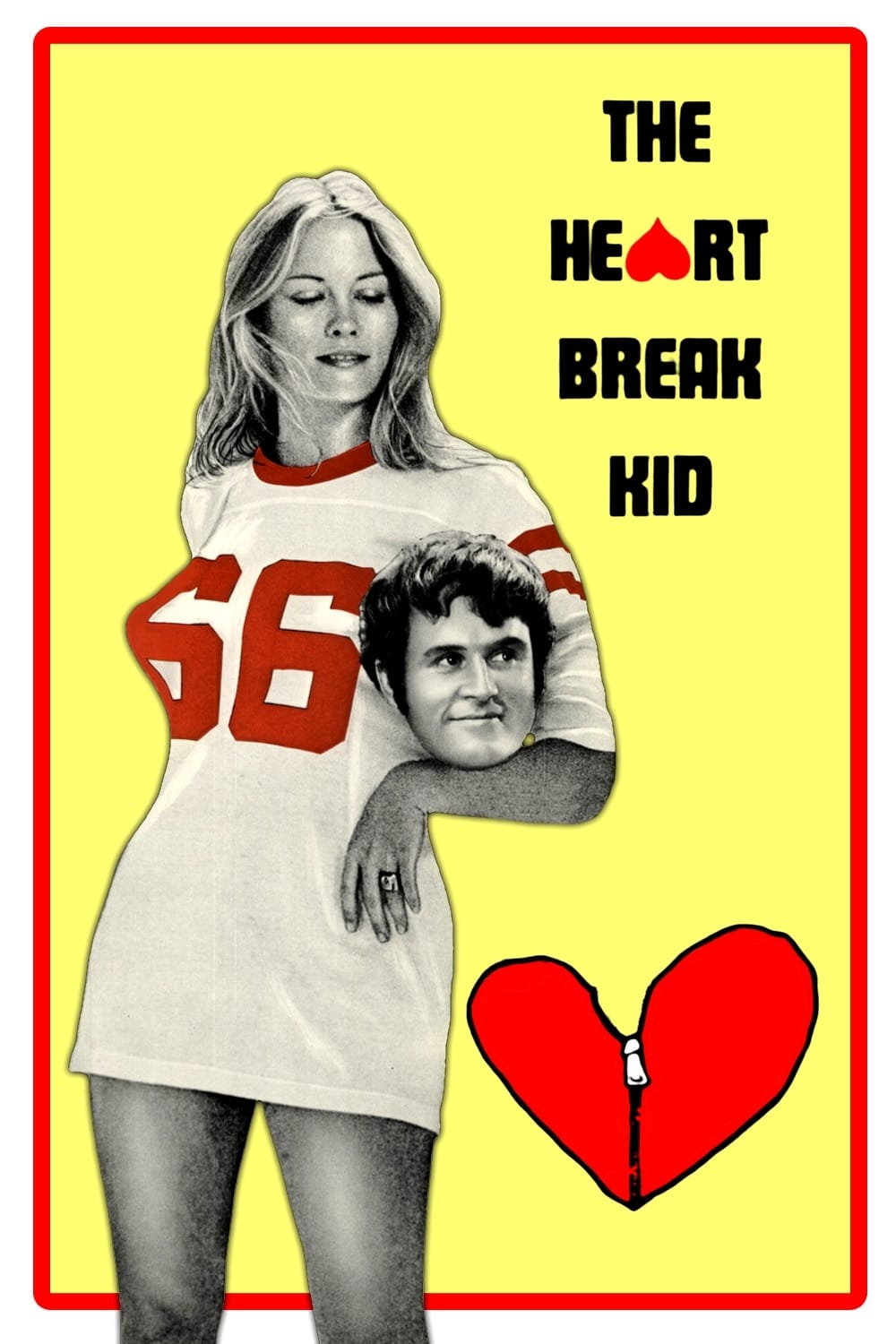
The Heartbreak Kid - dir. Elaine May
Watching this movie as a Jewish guy has to be a form of self-harm. Honestly Hitler probably had this on repeat in the concentration camps. On my Dr. Umar shit after watching this like DO NOT BE TEMPTED BY THE SHIKSA FLESH YOUNG MAN!!!! DATE WITHIN THE COMMUNITY!!!!! Meanwhile my girlfriend is Russian (not Jewish) but I guess that’d be consistent with the Dr. Umar analogy since he likes white girls. Holy christ man. Holy fucking christ. Watching this from beginning to end should earn me head or something. I am physically emaciated from this endurance test. Best male feminist of all time right here. I did it. I watched Elaine May’s masterpiece and it nearly killed me. I’M SORRY FOR LIKING WHITE GIRLS ELAINE!!! I’M SORRY!!!! Is this a movie a depiction of the ninth circle of Jewish hell? This is what you get for leaving your big booby Jewess baddie. Now you have to make small talk with midwestern conservatives for the rest of your life. CHRISTIAN WEDDING NOOOOO BRO IS LOSING HIS JEWISH DISTINCTION TO AMERICAN CULTURAL ABSORPTION NOOOOOOOO DONT LET A BLONDE BITCH COME BETWEEN YOU AND THE TORAH MY BROTHER NOOOOOO. How do gentiles even appreciate this movie? I genuinely do not fathom how you could come close to appreciating it unless you’re knee deep–no scratch that, waist deep–in the culture. You have to understand so many different contexts and stereotypes and pervading memes in the Jewish community to even come close to a complete analysis of this film. It’s Elaine May calling us out for betraying our Jewish women to attempt to culturally assimilate. We owe them better. And honestly we owe ourselves better. 10/10.
-
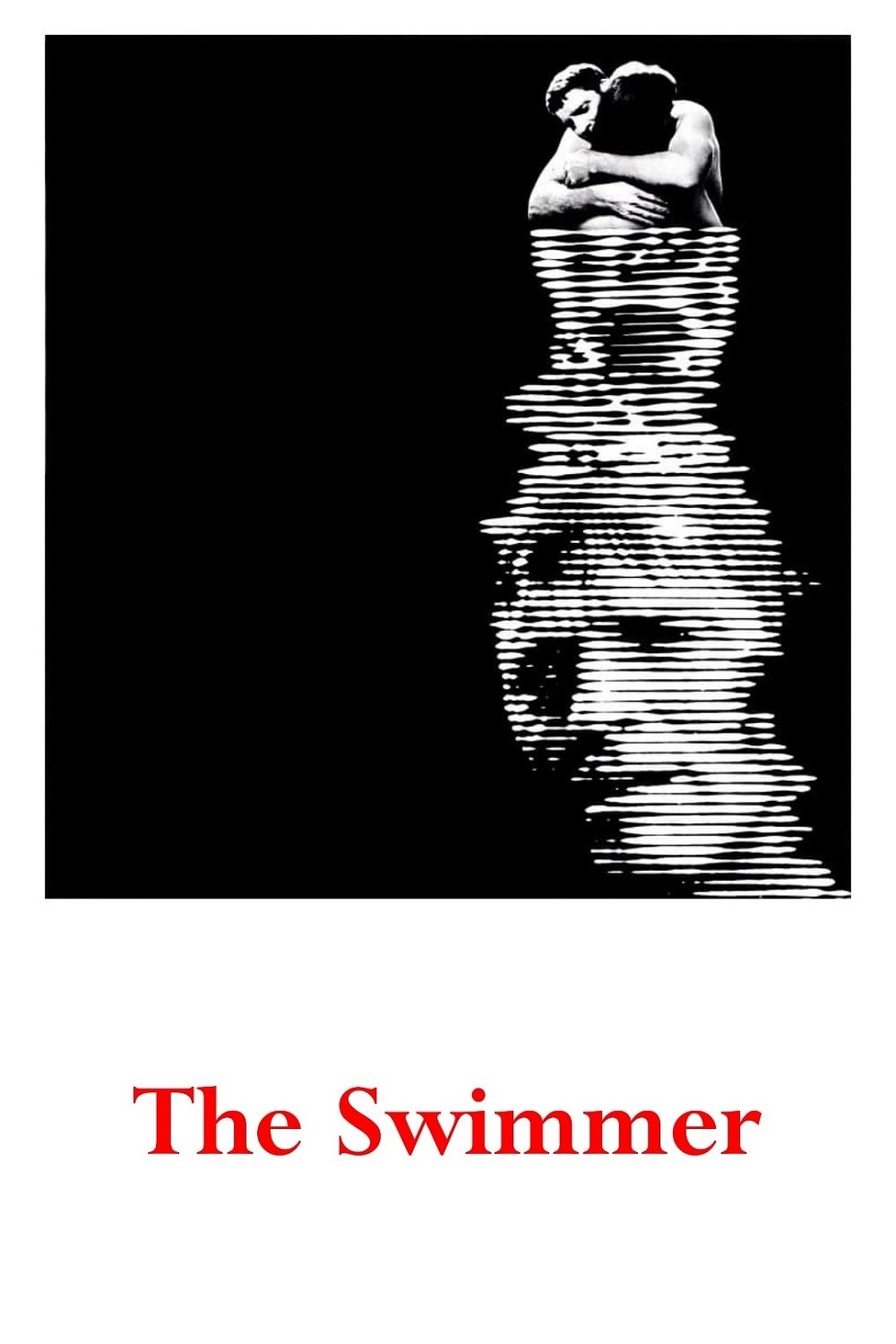
The Swimmer - dir. Frank Perry
Summative because the cinema allows for bifurcated realities via the power of editing. My girlfriend noted the sharp contrast in behavior towards Ned; either boundless adoration or abject disgust. It made me aware of how montage possesses the ability to create not just the numerous individualized possibilities of an image but also the grey space between them. Perry’s camera (and every creative decision in the film, frankly) hovers in this grey ambiguity without submitting to the dichotomy.
Still, there is a furtive march to inevitability, a character arc if you will, even if I would characterize it more as a character unravel, the downward entropic slope. Make the bed, lie in it. Burt Lancaster’s dishabille puts him at a stark disadvantage to the inhospitably suburban world he has at once constructed and been alienated from. The thing which he represents (success, power, manlihood, etc.) is unveiled as a sham, but its effects linger like perfume. The “American dream” which all of us observant reviewers speak of is responsible for the suburban, unwalkable hell he is now “swimming” through. Lancaster is both boy and crone, and his uncanny mannerisms remind me of a teenage boy grappling with the cusp of adulthood. Much of Ned’s bullshit would be endearing if he wasn’t pushing 50.
There’s also the suggestion, which my lovely intelligent girlfriend proposed, that Ned as a veteran is possibly crucial to appreciating the film on another layer. I like it because it forces us to have empathy for this bizarre creature of a man. People WOULD have difficulty talking to or understanding a man who’d killed people, it is simply uncomfortable to have this emblem of what your society represents wandering through your community, naked for all to see. You either venerate the man (as some do) and entertain his delusions or you reject his ill-fittedness, his failure to continue hoisting the illusion up the flagpole.
I find the most depressing certainty of all to be just that–the certainty. How your life is a product of every decision. Make your bed, lie in it. 8/10.
-

Himiko - dir. Masahiro Shinoda
Like with so many 70’s Japanese movies I nod along to the shotlist but find the actual mood and energy of the film to be bafflingly dull. 5/10.
-

Opening Night - dir. John Cassavetes
A mirror image to that of Irma Vep in its demonstration of contained chaos, how art operates as a convertive force from madness into order. The greatest pieces can be accidents, but they are highly spiritual accidents, through their inner universes becoming demonstrative masterpieces. We as actors are responsible for riding this insanity into the sublime. It’s one of the most difficult art forms to teach or learn because so much of it resides in an unreachable place of the human body and soul, so when it’s good it is legitimately effortless and when it’s bad it’s unyielding. Awkward. Torturous. Being an actor is ridiculous most of the time but when it’s good it’s not just good but transcendent. 8/10.
-
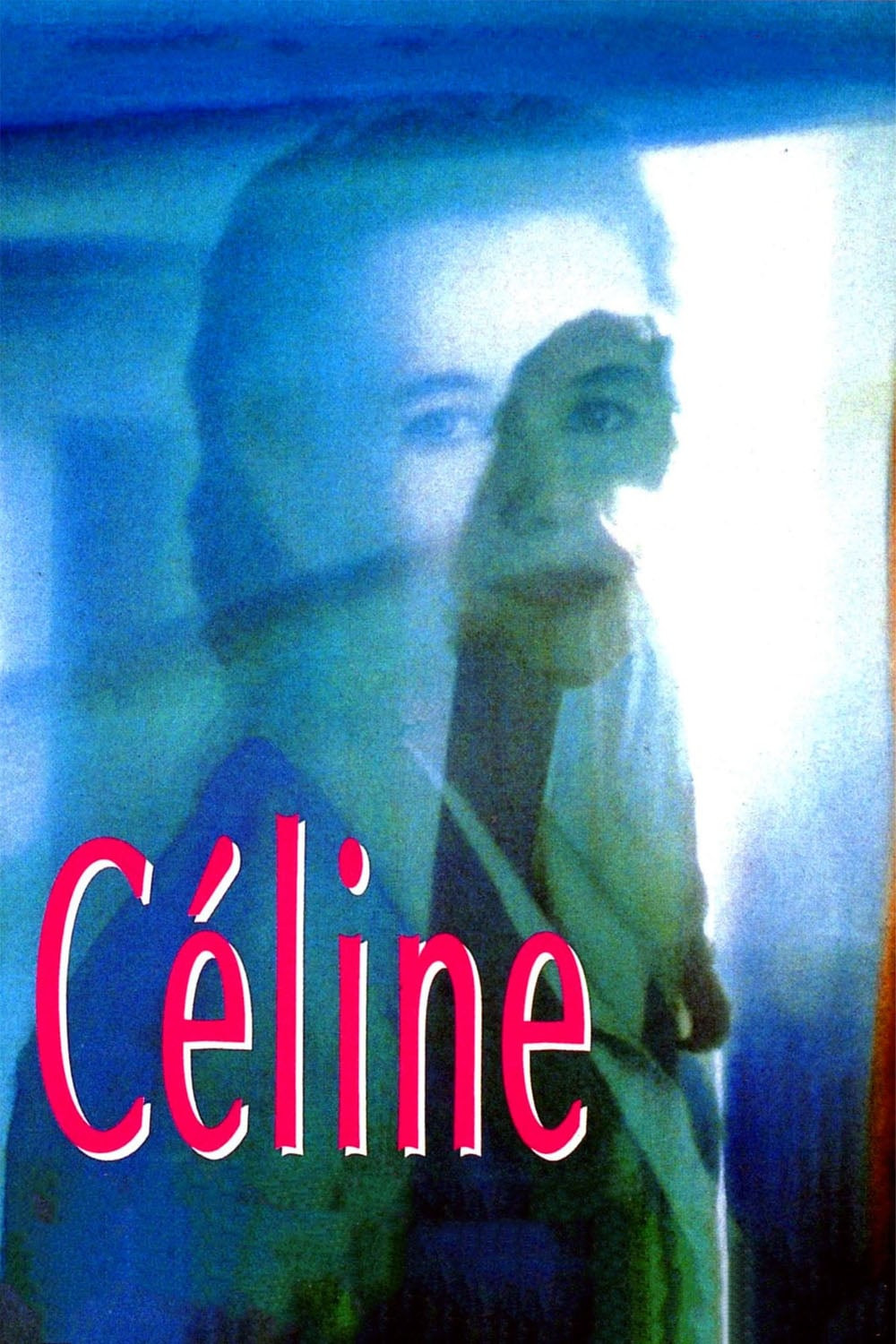
Céline - dir. Jean-Claude Brisseau
I swear to God I will revisit this film when I lose someone I love. I look forward to the first time I will have to truly wrestle with grief almost as much as I dread it. Ever since I was a kid I yearned for the pitch black. For the end of all things. For death and for tragedy. I don’t know what about it is so magnetic to me. I rationally understand the hypothetical pain. But somehow I feel–and this could be a result of movies and books–that great pain is the only pathway to great understanding.
Celine in some ways validates this idea. It is through the loss of everything that she comes to transcendental knowledge and empathy. She becomes an avatar of the cosmic by way of grief. 9/10.
-
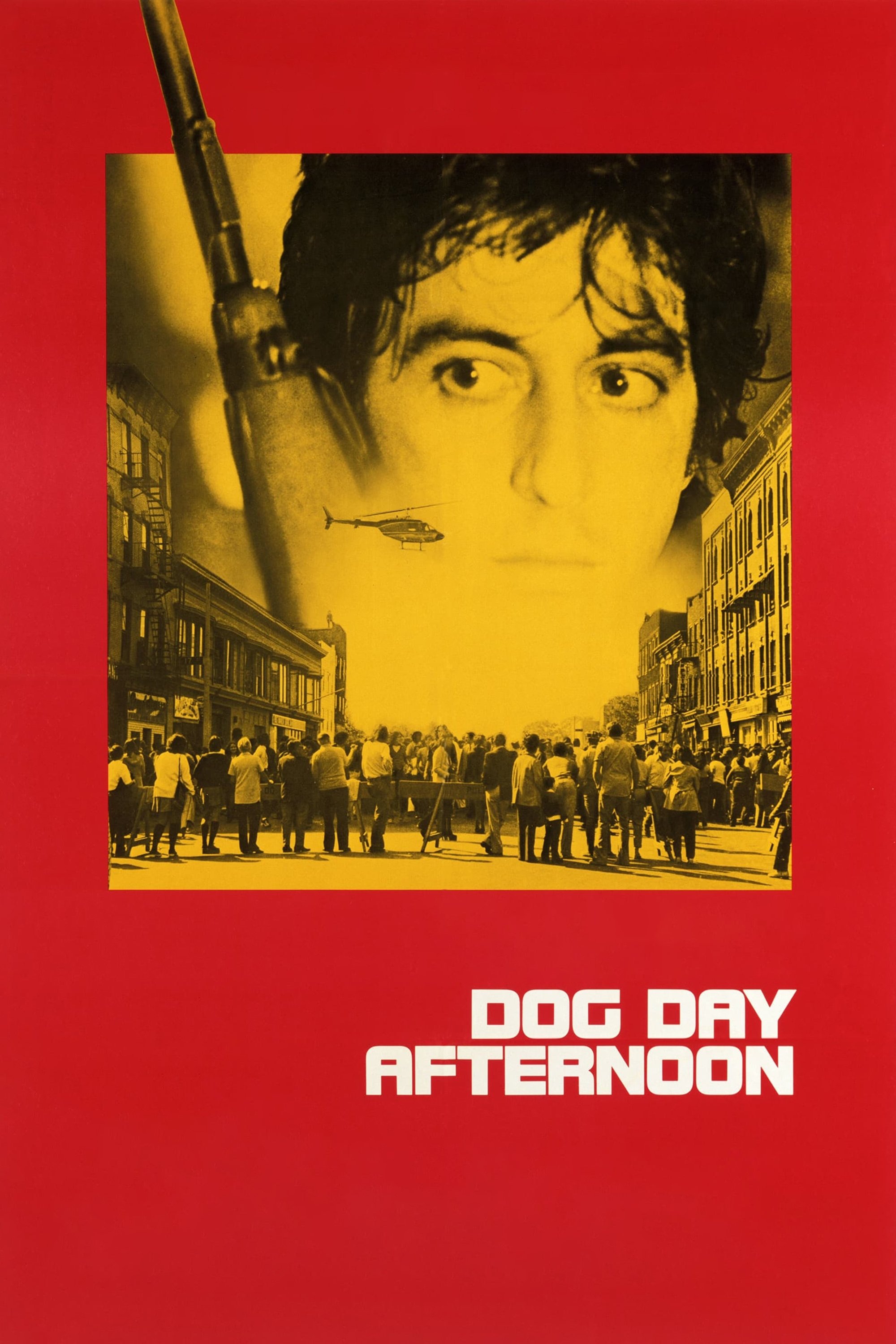
Dog Day Afternoon - dir. Sidney Lumet
Really dry, also feels like a “social message” movie so it rubbed me the wrong way. Not convinced anybody involved was legitimately passionate about gay rights or trans people or even prison reform or whatever other political issue it tackles, so what you get is a good example of where 70’s cinema failed (still my favorite decade probably). It’s ok for a movie to be fun lol
5/10
-
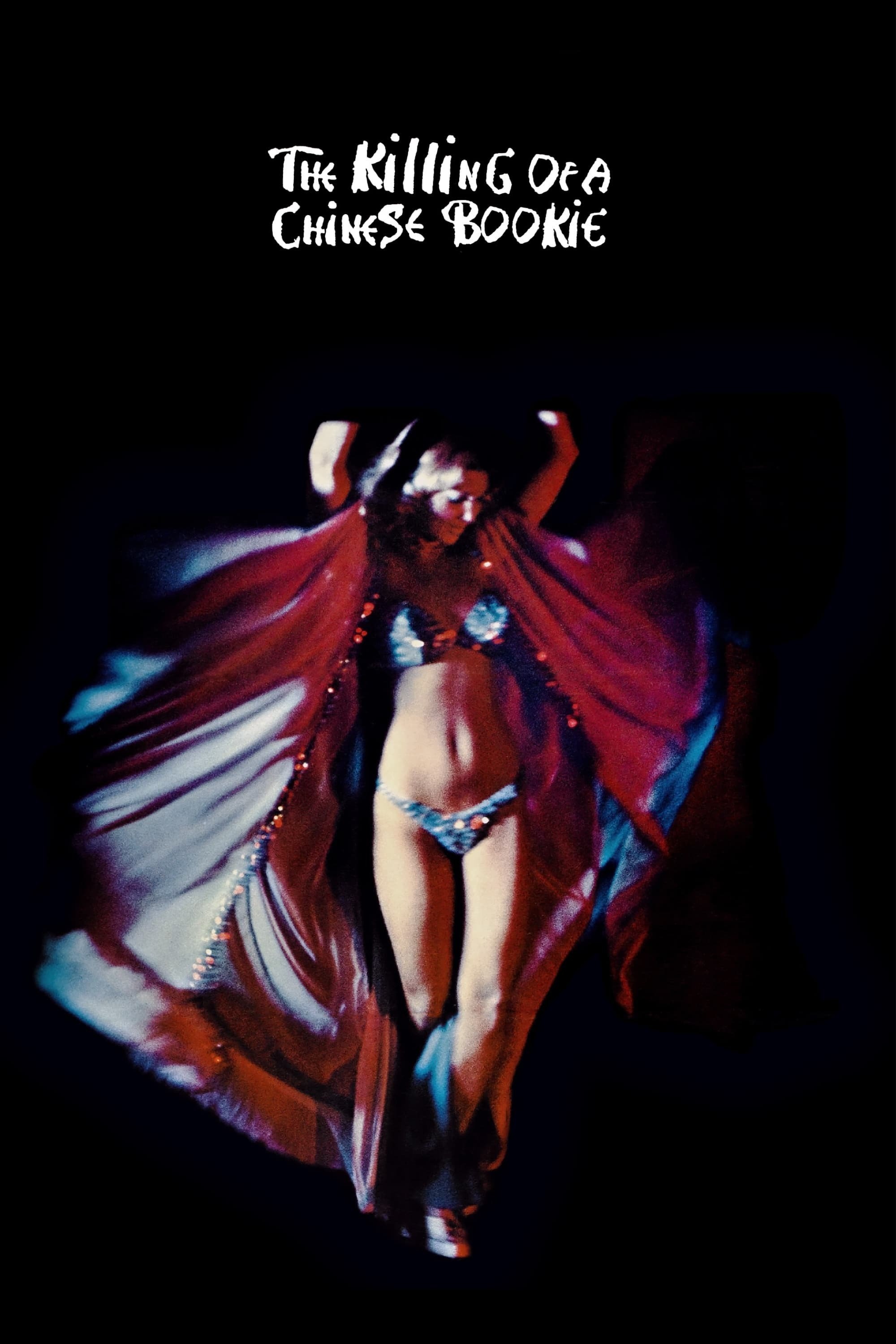
The Killing of a Chinese Bookie - dir. John Cassavetes
Useful to finally see a Cassavetes movie where his style just does not work at all as it highlights some of the weaknesses of the whole cinema verite improvisational style of the American cinema in the 70s. I mean this thing is just fucking excruciating to sit through. Characters do that Cassavetes thing where they talk about nothing while “acting” super hard. People will be like “I got a mother. She’s a good person…. Yeah. She passed a couple years ago. You got a cigar?” Like dope man. How about shut the fuck up what are you yapping about LMAOOOO and this is just every scene. In Under the Influence and Opening Night the fragmented logic has a momentum that you can follow, none of that momentum is here. Horrifically boring.
I wouldn’t pick at bad dialogue usually because I care more about visual language but this film is cinematically illiterate. Has no idea how to communicate space or distance or exchange. Characters will talk offscreen for no reason, at no point do you have any clear idea where people are. Kind of avant-garde because it’s like there’s a total disconnect between the audio and visuals but it doesn’t have ANY of the aesthetic strength to fortify its meandering. So you just watch nothing happening, but it’s not even immersive because it’s framed in the laziest way possible. I wanted to like this, I really did, I generally kinda like scuzzy neo-noirish stuff but goddamn. I have my limitations. 4/10.
-
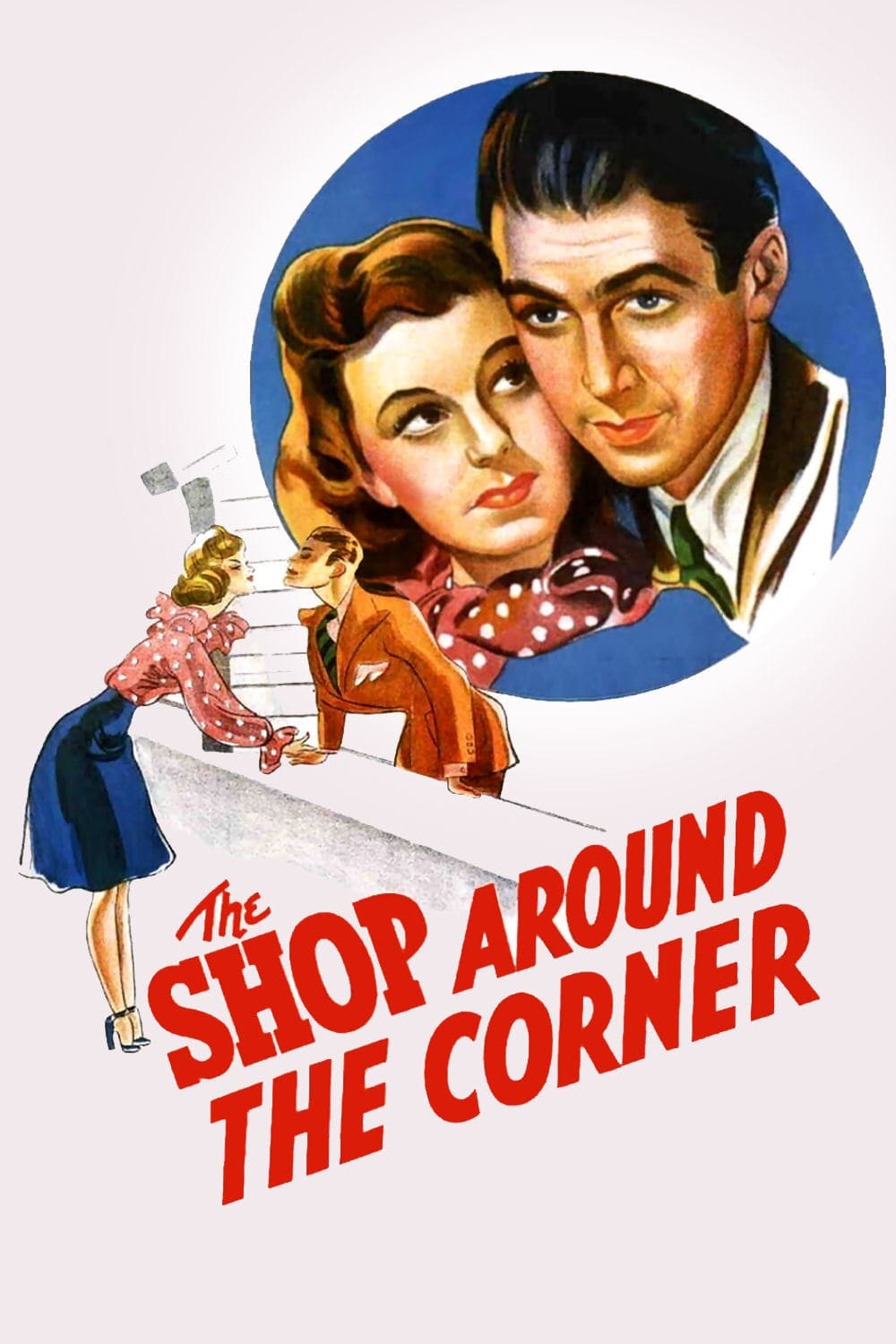
The Shop Around the Corner - dir. Ernst Lubitsch
What is said versus what is unsaid, how things are said, why they are said and when, so much of this comedy revolves around the chasm between the truth in exteriority and the truth of interiority, and how they step on each other’s toes constantly. For example, the bowleggedness of Mr. Kralik and all the other rumors spread by Vadas, or just the conceit of the film itself; where you fall in love with the idea of a person before even meeting them, and in fact resenting their physical self in contrast. We think we know what we want, but what we want is often a disguise for what we want. Get it? 8/10.
-

Shadow - dir. Zhang Yimou
Political precision, Zhang setting up the dominoes to topple them with the artistic glee of a master at play. It is no exaggeration to say Zhang Yimou is one of the foremost filmmakers of mainland China, and he is one of the few contemporary auteurs for whom we can clearly delineate periods of work. Here he can be seen exemplifying the height of his present blockbuster period–not perfect, not as aesthetically robust as his work circa Raise the Red Lantern, but undeniably sharp. 7/10.
-

Seventh Code - dir. Kiyoshi Kurosawa
Kiyoshi is an even colder disciple of Antonioni, his characters do not even have the luxury of romance to soften the blow of transactionality, whereas Antonioni’s at least fumble forwards through their physical magnetism, if not through their communication. Seventh Code presents the inverse; an ability to communicate clearly and with intention, even if said communication is laced with deception, and the lack of maneuverability through the body. Exported identities, where one can inhabit the transient space of a different nation and then be substituted with a sleeper cell backup that lies dormant.
In Kiyoshi’s world there is always the gravitational pull of evil like a black hole pulling down every square foot of asphalt. “There is no future,” Saito says. “Knock her unconscious, send her to the factory,” Matsunaga’s partner says. This is a world defined by meat and labor, and no matter how far past the event horizon you travel you cannot avoid the big crunch. 8/10.
-
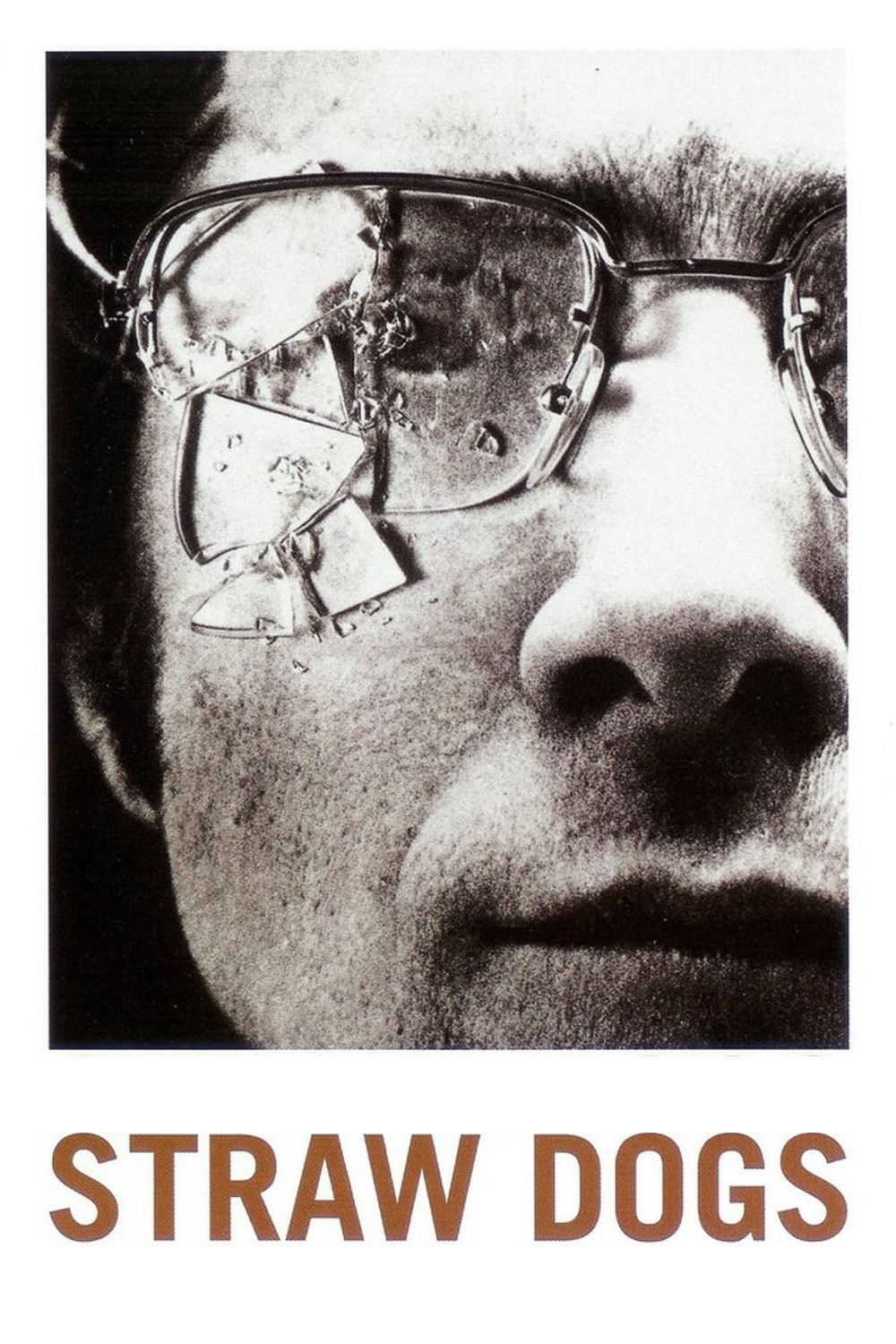
Straw Dogs - dir. Sam Peckinpah
I have a completely different take on this to most people that largely stems from my own personal history. I’m not sure how much it holds up under scrutiny but for the sake of leaving my own two cents on the pile and not parroting takes that have been tossed around for decades, here it goes.
I think this can actually be read as a movie about the Jewish experience of assimilation into white communities and how we are not respected as individuals unless we adapt to European forms of territoriality/chauvinism. This is a very specific kind of fascistic worldview, the idea that us Jews need to inherit our oppressors’ worst tendencies to survive. It’s called Zionism, and the reason it is as tantalizing as bog standard fascism is because there are elements to it that make sense, and feel emotionally resonant to Jewish people.
Just to be clear, I don’t identify as a zionist, I don’t agree with the ideology, and I definitely don’t think Jews should become colonizers in order to assert power on the world stage. I grew out of zionism because I think, like fascism, it is a childish ideology that stems largely from insecurity and fear. But here’s the critical difference that makes zionism more empathetic for me at least than white fascism or white supremacy; it is a LEGITIMATE response to LEGITIMATE historical grievances. White supremacists need to make up conspiracies in order to justify their violence against minorities, while Jewish fascists (zionists) utilize ACTUAL historical events to justify their noxious worldview (the countless instances of genocide/pogrom/lynching/scapegoating that Jews have endured throughout millennia).
None of this justifies zionism, just to be clear, but I hope I can at least EXPLAIN why the worldview holds so much water amongst Jewish people and why, despite growing out of it, I still wrestle with it as a part of my identity.
The reviews for this film are not altogether wrong, but without Jewish analysis I feel alienated from the prevailing take on this film; that Hoffman’s David is the “real” bad guy and his outpouring of violence comes simply from male neurosis as opposed to systemic rage. This is a movie about a Jewish man, played by a NOTABLY Jewish actor, with a NOTABLY Jewish name, responding to systemic antisemitism. His wife is a victim of cultural misogyny but intersectionally her character fails to understand David’s struggle.
The framing of this film is totally weird; we are led to believe by the synopsis that David’s violent outburst comes from his wife being raped, but if you watch the film it has nothing to do with it, in fact by the end of the film he’s still in the dark about what Amy suffered. No, in fact, his violent outburst is a result of his understanding that the men who culturally lynch him seek to PHYSICALLY lynch a disabled man. I read the ending as morally grey–he is allowing his wife to suffer but he is standing up for his fellow outcast, something his wife does not understand by virtue of being part of the WASP echelon of society. That’s why David looks disillusioned when she says she doesn’t care about the life of the disabled guy, it’s like he’s realizing in that moment that he’s spent his whole life chasing the approval and validation of white Europeans when, at best, they’ve never cared about him, and at worst, have actively sought to see him undermined or destroyed. That’s why I see the ending as cathartic, while other reviewers see it as nihilistic or bleak; David, driving away with his comrade, confesses that he too does not know how to get home. The wandering Jew smiling having accepted his nomadic status, having abandoned his squandered attempts at planting his domesticity with the European colonizers.
I also find it so interesting that David never successfully uses a gun, instead using blunt objects, tricks, traps, and psychological warfare (loud music) in order to defeat the white intruders. The expression of Jewish violence lies more in deceit and the outwitting of the enemy as opposed to sheer force. He is outnumbered, outgunned, and physically outmatched, just like the Maccabees were when they fought the Syrian-Greek army, but just like them, he prevails due to his intelligence. A classic part of Jewish mythology is the fight of the underdog, it’s why David intuitively sides with Henry when he’s being lynched. It is also worth noting that David is completely out of place in regards to the reverend and the church social, behaving actively hostile towards the reverend.
It’s hard for me to articulate why I found David the most likable character in this movie, even more so than his wife. The scene where she is raped is absolutely horrifying, but it’s horrifying not just because of the violence but also because of the degree of pleasure that comes with it. It is not simply that Peckinpah depicts the rape as traumatizing but that he complicates the trauma with alignment. I’m not sure how I feel about this, but I think Amy is still a complex character who is treated respectfully by the narrative. I still need to point out, however, that there is a point in the film where she is 100% willing to sell David out to the men who raped her. This is going to be tough to stomach for white feminists but if you analyze this from a Jewish perspective this obviously makes the suggestion that white feminists can be compromised by their white identity. As much as she may claim to love David the Jew, her loyalty ultimately sides with the oppressors first… what’s interesting is that she later seems to hesitate when David asks her to fire on the guy strangling him to death… and she does. I wonder if this is because David has “proved” his European masculinity to her by retributive violence. Part of feminist analysis is understanding how women can perpetrate fascism, and I think this is a clear example of such.
A lot of people point out David’s callousness towards his wife and towards the cat, and I won’t defend that–this isn’t supposed to be a review “in defense of David” (even if I do strongly empathize with him)–but it is worth noting David’s sensitivity, his sincere desire to pleasure his wife. I was shocked to see a film from the early 70’s depicting a male lead fingering his wife or giving her head. You also see him playfully encouraging her during their game of Chess. Obviously he is still a dick a lot of the time, no denying that. But these flaws come from his need to assimilate and his social cluelessness. He’s out of his element throughout the film because as a Jew, he does not belong and everybody, including him, is secretly aware of it. 10/10.
-
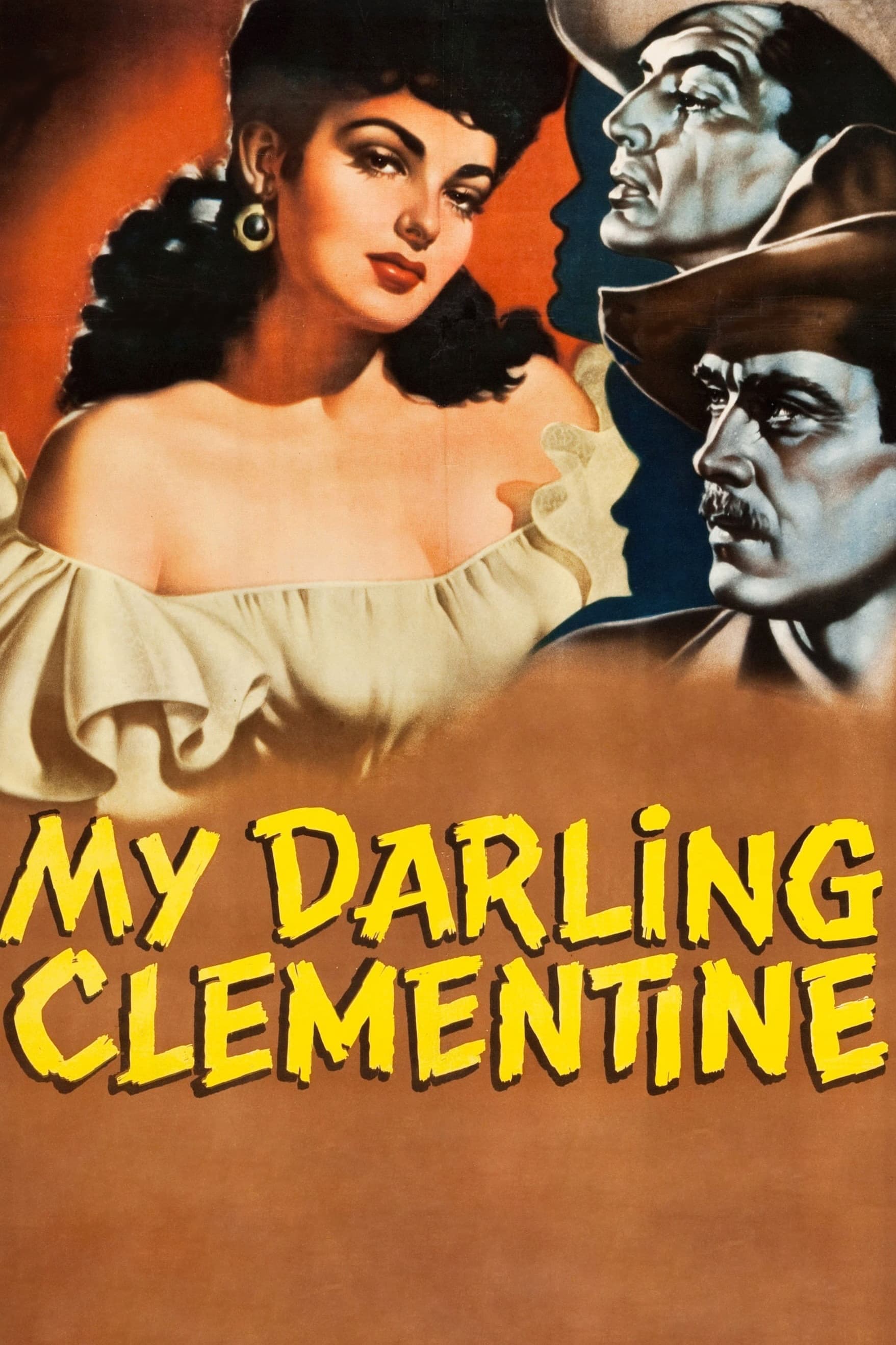
My Darling Clementine - dir. John Ford
Is John Ford the most romantic director there ever was? Surely he was one of them.
Give me 20 more years and it’ll be a 5 star movie. I could honestly see it becoming my favorite movie of all time eventually. I don’t have the language to articulate it yet but it feels cosmically foundational. Lost dreams, fumbled romances, ideals unmet.
Wow. 9/10.
-
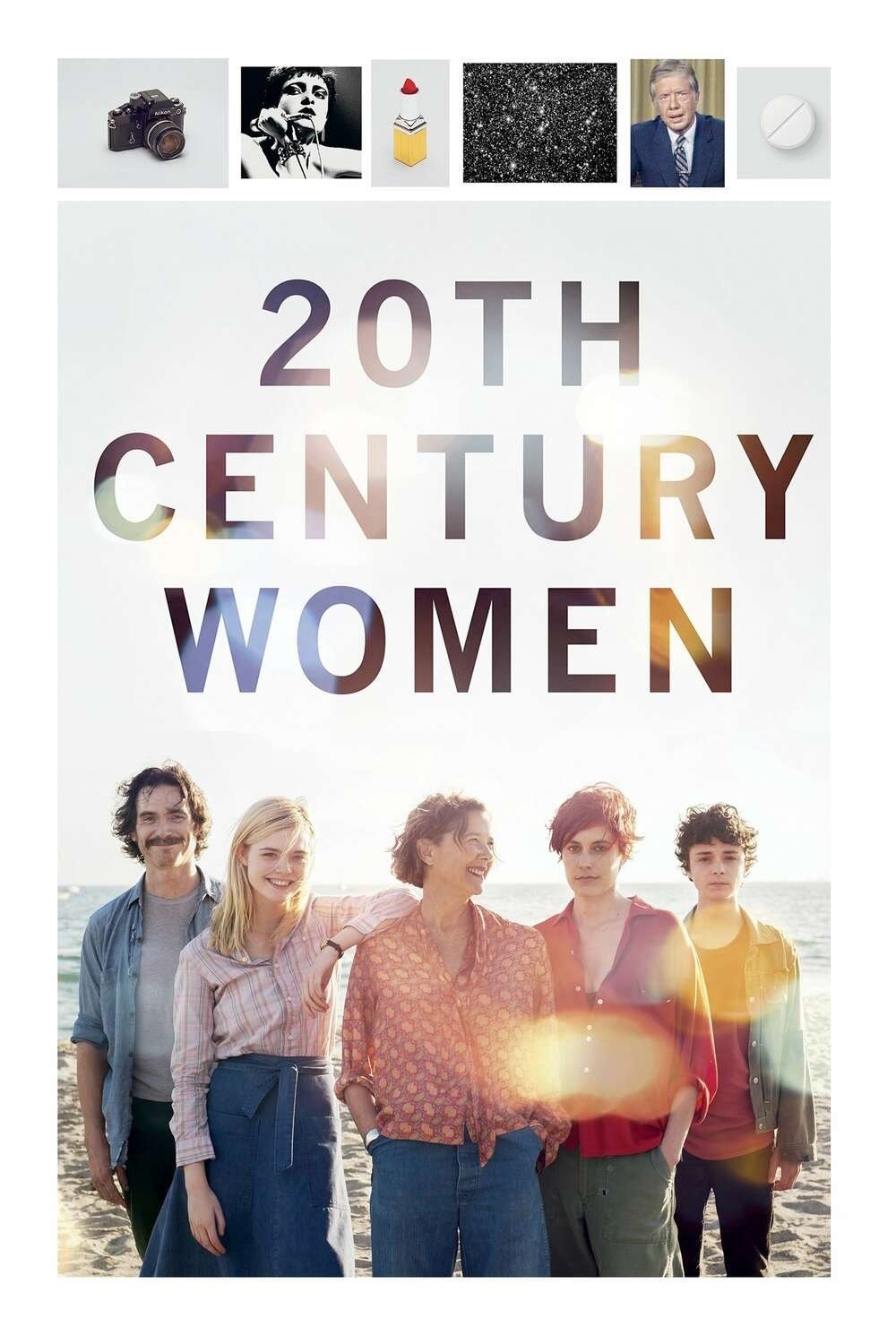
20th Century Women - dir. Mike Mills
Parts of this felt like a really good novel. At one point I was thinking to myself “this reminds me of my favorite Judy Blume books” and lo and behold Elle Fanning quotes a passage from Forever, a book that in retrospect probably changed my entire fucking life when I read it at as a preteen. Honestly I was 9. I don’t know why my dad recommended it to me, but this is the same guy that tried to put me onto Eraserhead the year before, so…
Functionally this is the kind of film that feels like a rustic template on which you can reminisce on your own memories; quality will vary by nostalgic mileage. It’s like a pleasant smell that takes you to a beach you used to go to with your family all the time, or an old house you once knew intimately. I don’t really have much patience for this kind of thing but I didn’t hate it. 6/10.
-

The Worst Person in the World - dir. Joachim Trier
Complete garbage; that should be the whole review, but for whatever reason this is one of the most critically acclaimed movies of the decade so I guess I’ll stand on business and elaborate. I shouldn’t have to, but I will, because I am the Best Person in the World.
Joachim Trier is a director without vision so much as a cascading series of circus tricks. The mannequin challenge scene, the scene where the camera pushes in on a drumming Cancer Guy (can’t remember his name) as the diegetic music swells, the shroom sequence, to name a few examples. You can tell it’s all trickery because the actual dialogue scenes are shot as pedestrian as it gets, and the medium compositions come off like a hipster’s instagram post. I won’t dwell too much on the pristine Ikea ass Spotify commercial ass aesthetics of this film, they are deeply unsettling on a visual level but I recognize that this is subjective.
The narration is complete dreck. So often it robs us of these character-defining moments that by the end of the film, when Cancer Guy tells us (and Julie) that she is “wonderful” and a “damn good person” it has zero impact, because we have absolutely no fucking idea who this woman is besides the fact that she wrote an article once about reconciling sucking dick with feminism (more on this male writer brain stupidity later, on my misandry shit after watching this piece of dookie). When you pump your “character study” with nonstop style over substance, you are left with nothing but candy paint over lead.
Unfortunately, Joachim Trier thinks he has relevant, contemporary political insight. Like every modern Scandinavian filmmaker, he couldn’t be further from the truth. Three parts of this movie stuck out to me as meteorically stupid; the part where we see why Norwegian Adam Driver (I think his name is like Sven or something, I forgot) broke up with his girlfriend, the part where Julie watches Cancer Guy’s interview, and the aforementioned “viral” article that Julie writes about… and this is the real title, by the way, that the movie wants you to take seriously… “Oral Sex in the #MeToo Era.” More on that in a bit.
So first off; Sven’s girlfriend. The movie frames his decision to leave her as a foregone conclusion because… she’s progressive? I guess it must be real hard to date somebody who cares about the environment, cares about the rights of indigenous people, and uhhhh likes yoga?
Obviously I’m being facetious, she is framed as performatively “woke” or whatever but the fact that Trier feels the need to spend a solid five or so minutes delving into this side-character’s relationship with his “crazy woke” girlfriend means that this is an attempt by the film to expound upon a previously set up political bent. In essence, Julie and Sven are set up as the “normal” people while people like Sven’s girlfriend are set up as crazy. We are 100% supposed to take their side, and anybody who uses the “Julie and Sven are flawed characters, we’re not MEANT to side with them” argument is full of shit. I find this whole political bent pretty unnerving for obvious reasons. I don’t like performative politics but I don’t think this movie is suggesting an alternative. Like most of these Scandinavian European festival bait movies it seems fine with the status quo. And for the record, I’m not DEMANDING that a coming of age movie solve the status quo… I just think you should be willing to get your hands dirty politically if you’re going to make allusions in your movie. Get political if you’re going to get political.
I don’t have much to say about the debate between Cancer Guy and Feminist Standin because it’s so obviously a stupid reduction of both sides of the argument. Another scene that just makes me baffled at this movie’s acclaim. How do you watch that scene and not roll your eyes to the back of your head?
The most irritated I got at this movie’s politics was the dumbass article Julie wrote about how she as a woman loves to suck dick (especially when it’s flaccid) and why it is in some form or another in conflict with the #metoo movement. I mean do I really have to explain why this is the most “written by a man” shit of all time?
4.1
Oh shit I guess I probably should lol
If this article were one part of Julie’s character arc, it would be one thing, if it were part of her journey of self-discovery or whatever it would be fine, but this single article is pretty much the only thing Julie ever accomplishes or does in the entire film that doesn’t revolve around her ONLY IMPORTANT relationships–the two guys in her life. Kind of insane to have your female protagonist’s defining feature be a sexual characteristic. Again, if this were one aspect of her character it would be fine, but we are given absolutely nothing else, so it is particularly damning.
I think the scene where everybody was frozen except for Julie and Sven pissed me off for a specific reason that’s difficult to articulate, but I’ll do my best. I personally appreciate art that lets you absorb the space and environment as well as the blocking surrounding the main scene. Part of the appeal of guys like Johnnie To or Luchino Visconti or Kenji Mizoguchi or Edward Yang or Hou Hsiao-hsen is that they are able to tell you a lot about their characters and the place they exist in simply by how they move them around through the frame, and how they depict events existing outside of the space of the story. I consider Millennium Mambo to basically be the 5 star version of this film (movie about a young attractive woman who finds herself coasting between relationships with no direction with narration in between scenes) but what makes Mambo work is that Hou allows us to inhabit the space Vicky lives in, she allows us to spend time with her, he allows us to watch her spaces and relationships fall apart in what feels like “real time.” He is not afraid to take long moments to simply observe Vicky, so even if she doesn’t have well-defined character traits we still get an intimate sense of her being because of the cinematic time we are given with her. In theory it is the same movie as this one, but because Hou is one of the greatest directors of all time and this film is hack work one works and the other doesn’t.
Point is, I consider the “mannequin challenge” scene extraordinarily narcissistic to watch. It is meant to be romantic, but it really just reveals the solipsism of the director, the sheer lack of imagination. At first I found the movie merely annoying, but by the time it ended I thought “wow, movies really don’t get much worse than this,” and so 0.5 stars it gets.
1/10.
-
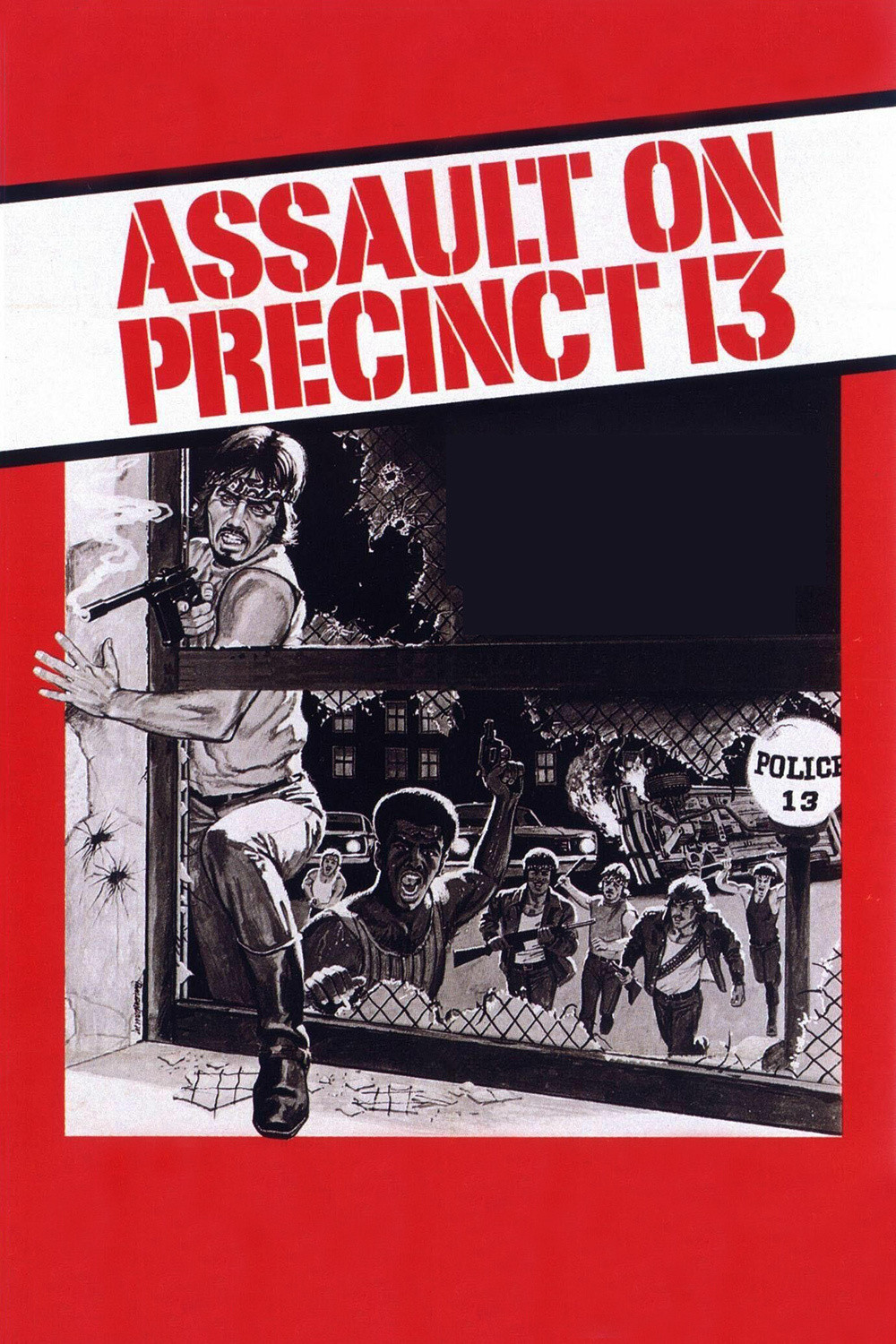
Assault on Precinct 13 - dir. John Carpenter
John Carpenter movies are like: shit aint happening but isn’t this the coolest thing ever? And the problem is it isn’t. 4/10.
-
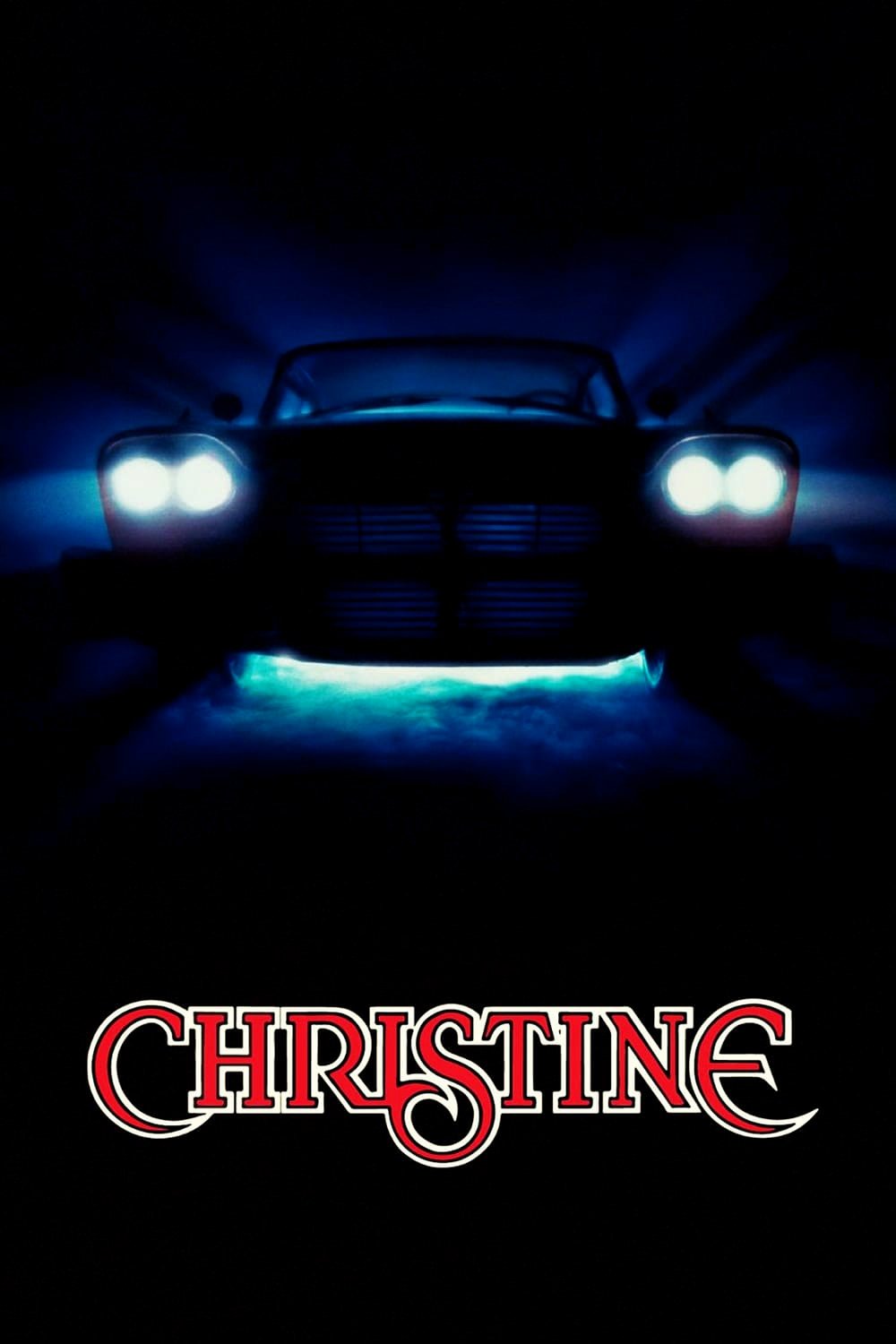
Christine - dir. John Carpenter
Watched this with Tony (my Prius) and he popped a boner.
I don’t see much mention of the racial politics at play. The first on-screen death we see is the silent murder of a black engineer by the killer car he has been paid (or exploited) to construct. Christine’s calling card is old rock ‘n roll by black musicians, also exploited by American culture. In short she is an amalgam of the fruits of Black working class labor never reaped by the community. Detroit was built on the engine of the vehicle, Henry Ford took Black laborers and used them to overcome the strength of unions. The working class found conflict at ends of the motor industry, and now the sick demonic creature that is born as result of this fucked up dynamic comes to life to hunt the men obsessed with its cultural background.
Not just any men either; white men whose masculinity is under threat. Arnie gets a switchblade pulled on him, Dennis gets his dick squeezed by the same bullies. Carpenter basically sets his players up as tribalistic gorillas fighting for dominance on the masculine hierarchy. At each point in which Arnie’s obsession with Christine intensifies, it is preceded by a moment of emasculation; the garage owner putting him in his place, another man giving his girlfriend the heimlich maneuver (the camera makes it look like he’s humping her), and finally, after Leigh sets up the idea that Christine is more woman than car, we get a scene where the bullies from earlier wreck Christine. If Christine is a woman, then Arnie’s girl just got gang raped, and this is the final nail in the coffin for his sensitive masculine ego.
Nostalgia for a rosy past built on the labor of Black men, appropriated by wounded, emasculated white men, turning them into husks of violence and desolation. If it sounds familiar, you don’t need me to drop the f-word. 8/10.
-
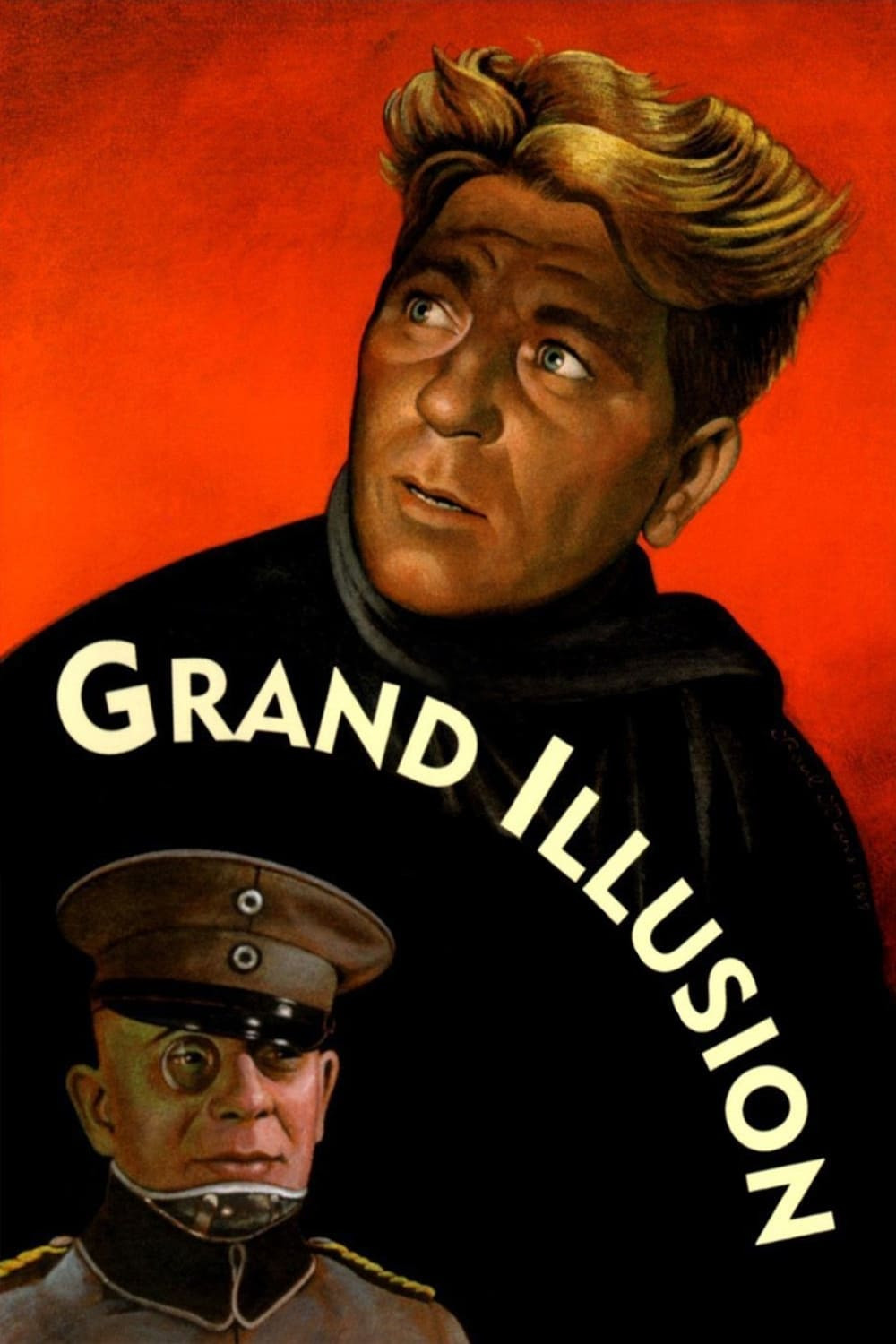
Grand Illusion - dir. Jean Renoir
Had a tough time getting into this unfortunately. I feel like it’s supposed to be a comedy?
-
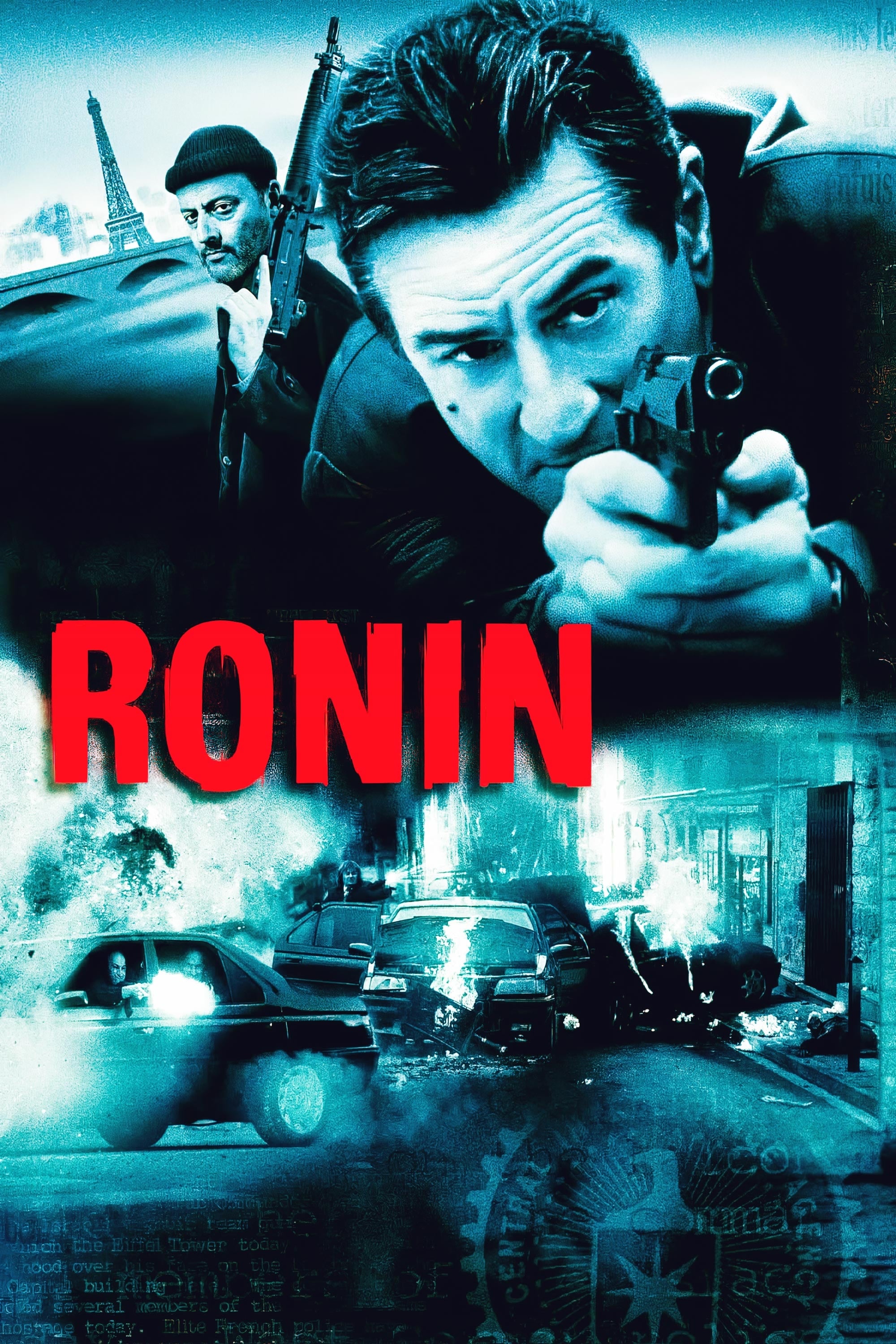
Ronin - dir. John Frankenheimer
Frankenheimer imbues a late-period work with a highly classical sensibility; this remains virtually indistinguishable from its comparable mid-century associations. It’s hard to undersell the framing of each scene. I can’t tell if it’s intentional or if it’s simply a product of Frankenheimer’s age. Either way it’s a solid fucking thriller. 7/10.
-

No Country for Old Men - dir. Coen Brothers
I find the choice to make Chigurh’s nationality non-American worth exploring. We all get fixated on what he does and not where he’s from, but I think the two are connected.
When you watch a Western, it is generally wise to look at what it’s saying about America as a nation, because it’s the only film genre that emerged from America as a new culture and from America as a concept. It couldn’t have emerged anywhere else, and it was developed as a tool for mythmaking–later, for myth-breaking.
Sergio Leone talks about how as an Italian he realized that America the concept was borrowed and did not belong exclusively to Americans as a group of people. The ideas our nation was built on can be revoked from us at any time by any group of people. As Leone puts it; “I began to understand that ‘America’ in reality belonged to the whole world and not just to Americans. The idea of America had already been invented by the philosophers, the vagabonds, the dispersed of this earth, long before the Spanish ships got there. Those whom we call Americans have only rented it for a time. If they behave badly, we can discover another ‘America’. The contract can be canceled at any time.”
Chigurh’s background is intentionally left ambiguous and the themes of the film remain intact regardless of the “answer”, but the few possibilities that spring to mind have their own merits. If Chigurh is Spanish like the actor who plays him, then he is the original colonizer coming to collect. If Chigurh is French, as his name may suggest, then he is the hellish embodiment of a refund for the Louisiana Purchase, the merchant who first sold the land we call America. If he is Mexican (the least likely answer, but a popular guess) then he can be seen as a spirit of vengeance for the Mexican-American war.
I like all of these answers for different reasons, but at the end of the day they’re not really important at all, and I hate symbolism so I don’t consider any of them “canon”. They’re just worth thinking about in the abstract. Leone’s quote speaks to my perspective on this film not due to any hidden details of Chigurh’s origins, but to the understanding that we occupy a lawless land built into a “nation” on blood and savagery, and all our coats of arms are bullshit we use to decorate myriad atrocities. All our rules and symbols and hierarchies are disguises for the ultimate truth–that the armageddon comes for us all and there is nothing we can do to stop it. 9/10.
-

Another Day in Paradise - dir. Larry Clark
Exploitation movies only work if they actually like the people they’re exploiting. Beyond annoying, I’m done watching Larry Clark’s movies. 4/10.
-
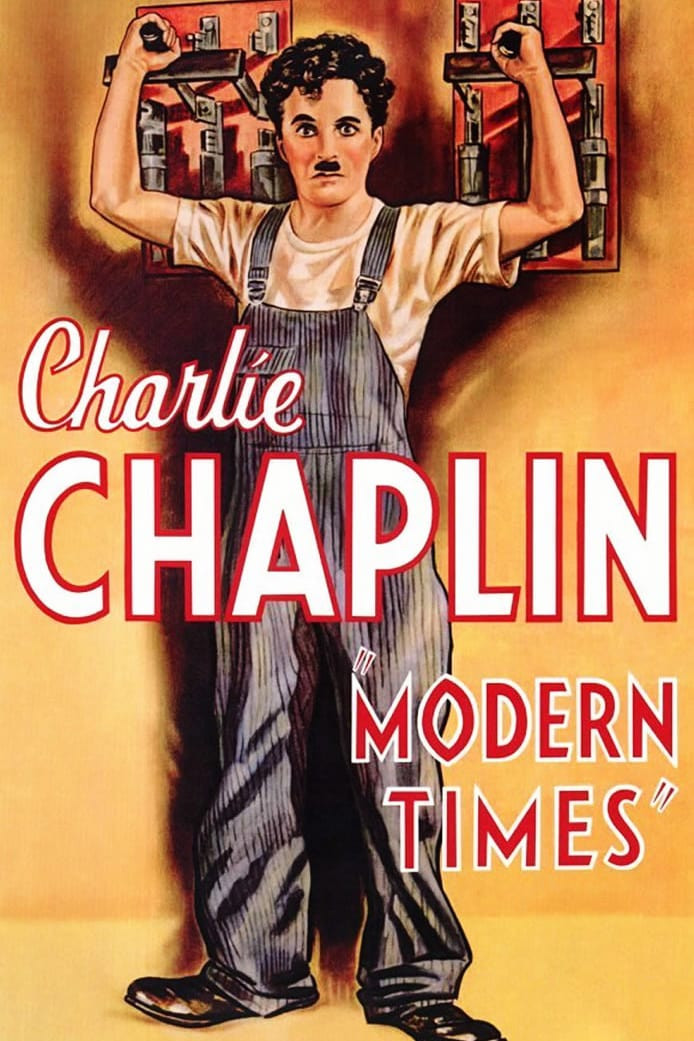
Modern Times - dir. Charlie Chaplin
Chaplin feels like such an anachronistic character here, at no point does he feel like he belongs. The world quite literally breaks around him. I saw a great review from Comrade Yui about Gold Rush which describes the way Chaplin reminds us of a gentler past. There is a real innocence to this film, one that stayed with me long after the movie ended. Ironically enough, I went straight to my boring, brain-melting minimum wage job right after finishing it. One cannot help but feel that the whole world seems ludicrously stupid and menial when you are paid 17 dollars an hour to stand in place.
So simple, so hilarious, so sad, so fundamental. It makes you realize how little import words have on this wonderful medium. I love movies where things are communicated through gesture and through exchange. Ugh. The more I write the more I fall for this movie. Cannot wait to watch more Chaplin. 9/10.
-

Shin Godzilla - dir. Hideaki Anno, Shinji Higuchi
Lots of feds talking in sterile rooms. I understand that Anno is trying to juxtapose the surreal primal fear instilled by Godzilla with the belabored liberal democratic system but honestly nothing about it felt climactic. Godzilla never feels colossal enough or threatening enough. The fact that the Japanese government basically figures out how to coexist with Godzilla after 2 weeks is a head-scratcher. 3 stars for freaky ass newborn Godzilla. 6/10.
-

Duvidha - dir. Mani Kaul
Mani Kaul’s elliptical editing suspends motion for stillness. It is more common in this film to be looking at an object out of movement, even when the camera is rolling and we aren’t looking at a series of pictures. A dreamlike effect takes hold. Highly admirable and as always I love movies that feel like dreams but I cannot say that most scenes being turned into slideshows worked for me. 7/10.
-
Super 8 - dir. JJ Abrams
“Screenwriter core” - my girlfriend.
Could be WAY worse, but could be WAY better as well. I don’t like sci-fi involving aliens that isn’t actually about the aliens but uses aliens to tell the “actual” story which is about boring shit like grief or single parenthood or whatever. If you’re gonna make a movie about aliens, make the movie ABOUT how humanity reckons with aliens. Maybe that’s just me tho. Read The Dark Forest series by Cixin Liu. Shit makes my peepee hard
Big Spielberg vibes, makes sense as he produced it through Amblin. I am not a fan of his style at all and Abrams doesn’t subvert it much, but like most of Spielberg’s work it’s at least passably sincere. 6/10.
-

Shin Kamen Rider - dir. Hideaki Anno
Just really, really annoying tbh.
-

Sylvia Scarlett - dir. George Cukor
Needed something totally uncynical and this did the trick–just had a really big smile on my face the whole time. Old Hollywood keeps growing in my estimation for its grinning romanticism. I miss when things were real and there was hope for the future. I will be watching more Cukor. 7/10.
-
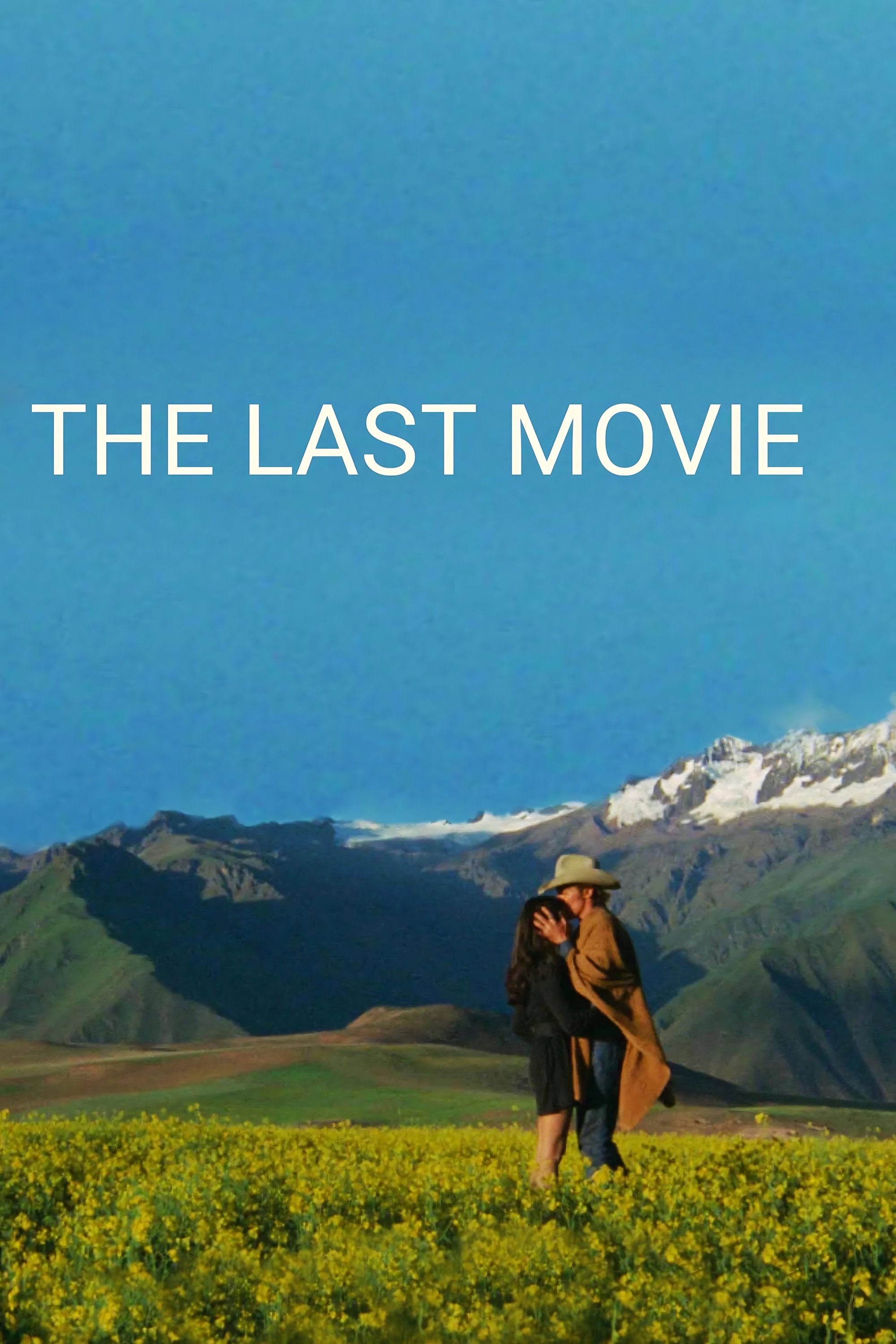
The Last Movie - dir. Dennis Hopper
Dennis Hopper’s celluloid threatens to spontaneously combust as he formally straddles the line between elegant Western romance and imploding avant-garde Antonionian montage. The result is equal parts beauty and bloodshed. Finishing this at 2 AM with my girlfriend made it feel like a dream. 7/10.