Movies I Watched December 2025
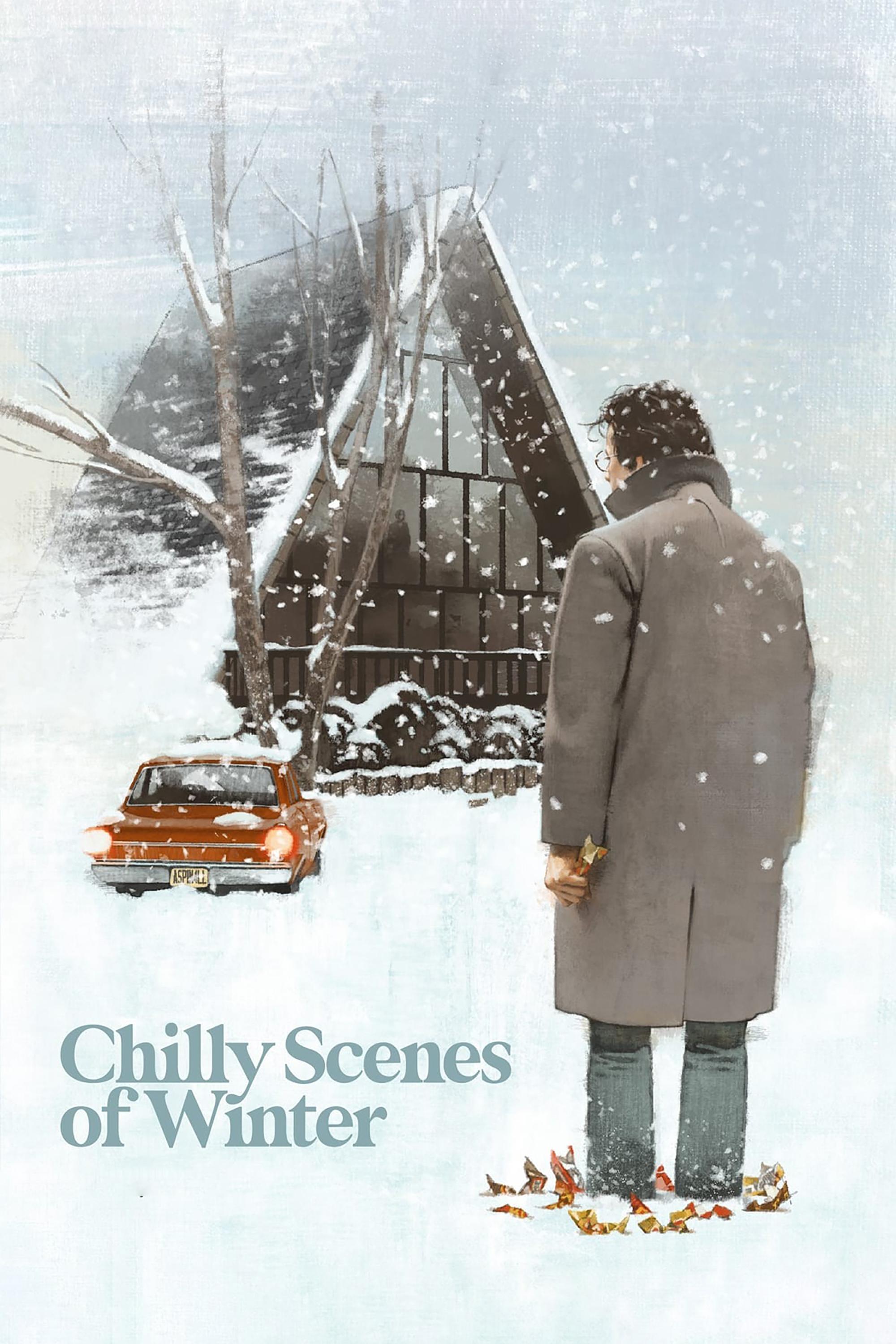
Chilly Scenes of Winter - dir. Joan Micklin Silver
I couldn’t relate to this I would never let huzz run game on me like that
6/10.
-
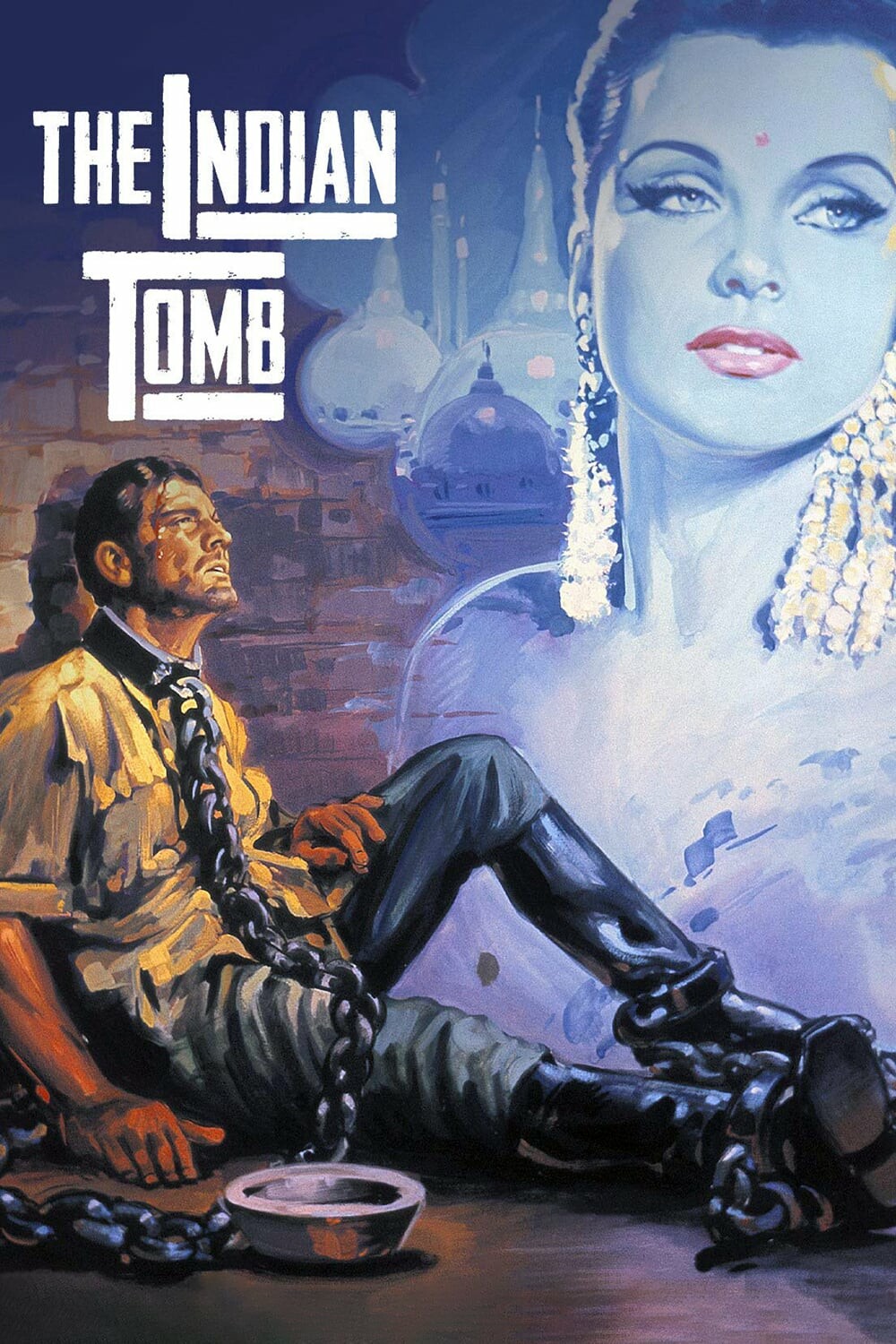
The Indian Tomb - dir. Fritz Lang
I thought this would be more of the same (Tiger of Eschnapur part 2, and all) and it kind of is. Unfortunately, Lang’s work here is sloppier and less precise. It’s also significantly more racist in ways that are harder to brush over. There’s a plot to take down the “good” prince coming from the more “ethnic” looking Indians, and the kingdom is saved by the lighter skinned Indians. In the first installment there was plenty of awkward oriental sentiment, but it was easier to ignore because the aesthetic was sublime. Here it feels rushed and uncalculated. It’s still more beautiful than most other movies, but when you’re following up on Eschnapur you’ve got a tall order to live up to. 7/10.
-

The Wild Bunch - dir. Sam Peckinpah
What’s the appeal of Mexico for outlaws if not for its mirror image? Another North American country that fought a war of independence, only as our country started cracking down more on petty thievery and any real sense of freedom, the fetishization of the Global South became more and more prevalent. The new horizon emerged, the new playground for hedonistic cruelty. The only thing that changed was the appearance of the innocent bystander.
Probably the closest we’ll ever get to a Blood Meridian movie, but similarly to Blood Meridian I just can’t really stomach too much nihilism. All of it eventually sort of blends together into a rabble of gunshots and cackling, which I get is the point but also is not for me at all. I like my westerns more sad and romantic, calculated maybe but rarely do I like them gleeful in their viciousness. 7/10.
-
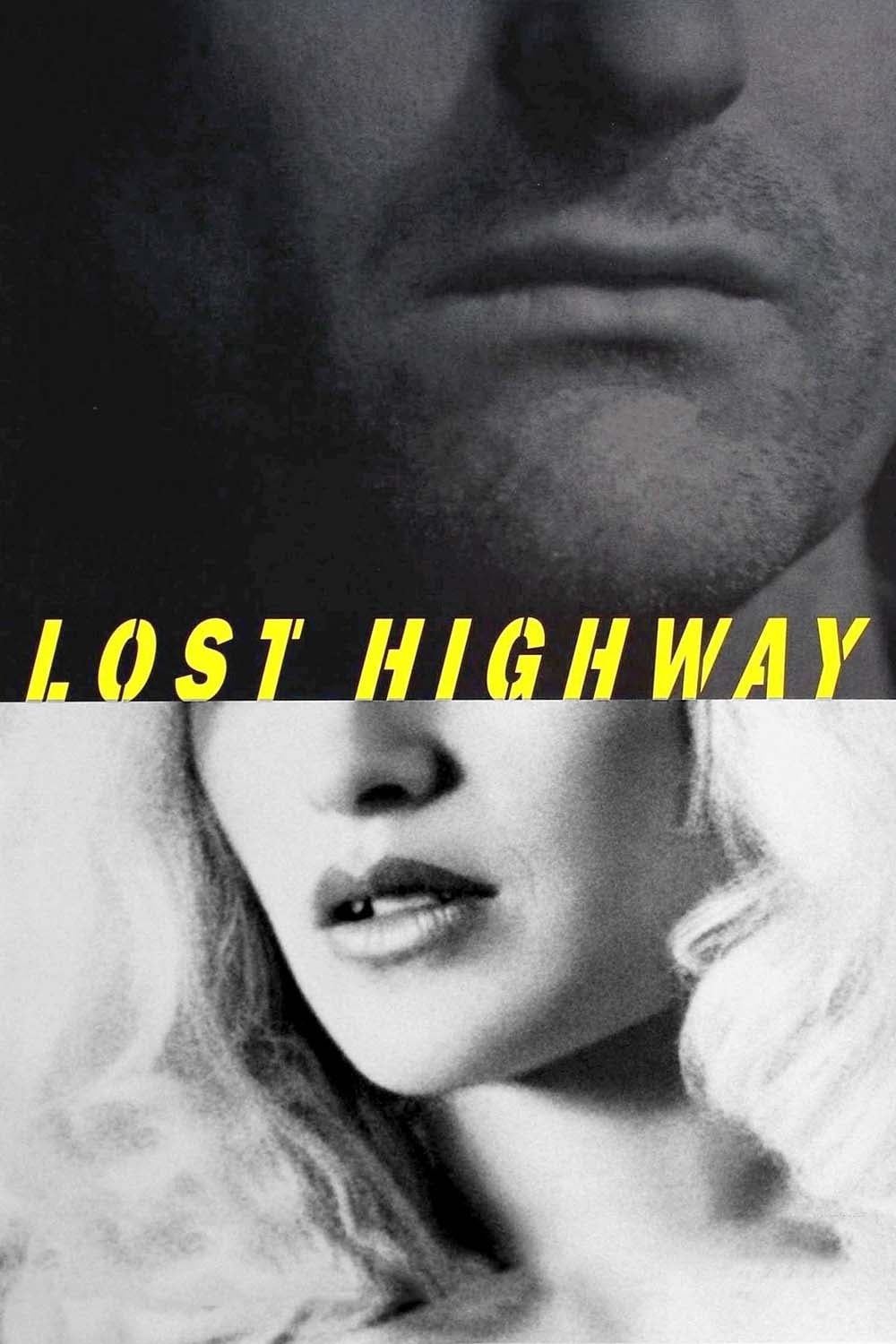
Lost Highway - dir. David Lynch
A continuation in many ways of Blue Velvet. The realization of wrongness in the ordinary, the feeling that your life is no longer your own, the recognition that the person you are close to does not belong to you. One day you wake up and the walls are not the right color, the home has been desecrated by the presence of the otherworldly.
“I don’t understand people who can turn on a camera and either forget it’s there or just not care. When I turn on a camera, it feels like I have an invited an evil spirit into the room.” - Pierre L’Fauex.
9/10.
-

Eureka - dir. Shinji Aoyama
When the rules are what got you in the mud, it takes leaving them to get you out. When the rules don’t describe what could happen, you should take a chance on what might happen. When the rules place blinders on your horizons, you should rip through them with wild abandon.
You will never be okay. That’s okay.
7/10.
-

To Die For - dir. Gus Van Sant
Fans of 90s satire will love this, as it is very much in the same vein as Happiness or even Fight Club with its gleefully acidic skewering of white upper middle class sociopathy. At first I wasn’t sure I even saw Gus Van Sant’s fingerprints, until we got to the stuff involving the teenagers. It’s fun, just too acidic for me. 6/10.
-

Psycho - dir. Alfred Hitchcock
Completely demented as a film, one of the stupidest I’ve ever seen, utterly insipid, shallow, and unintentionally hilarious, but there are a few moments where I’m like, shit Hitchcock really could’ve been one of the best horror directors ever if he wasn’t so obsessed with psychology and plot (the answer to the mystery is never as satisfying as the mystery itself).
The last scene is especially idiotic, we get a whole diatribe about split personalities and “transvestites” and how Norman Bates was coddled by his mother from trauma of losing his father and blah blah blah it’s all extraordinarily stupid. I can see why this movie hit the United States like a nuclear bomb because we are a nation of people terrified of our penises almost as much as we are scared of tits and ass. No wonder incest porn took off here, no wonder your average American fantasizes/neuroticizes about being trafficked, mugged, burgled, shot, etc. Nothing is more tantalizing to us than the psyche of the serial killer, and the more we can attribute rational sounding diagnostics to our national pastime the better.
None of this is commentary on the film itself, just my interpretation of why this seems to be such a landmark film in our cinematic history. It really does feel like psychobabbled paperback trash, and not even well-shot paperback trash the majority of the time (Hitchcock does have some gimmickry that elevates it at points, like the shower scene, the part where she’s hiding under the stairs, the aerial shot of the private eye getting murked).
It had me going a bit in the first half. The sociopathic direction works to create a foreboding atmosphere, which culminates in the iconic shower murder, but then Hitchcock belabors the point… hiding the body… covering up the evidence… the investigation… the reveal (IIIIIIIII AM NORMA BATES!!!! Funniest shit ever lmao)… the explanation… it’s all procedural, horrid, completely devoid of suspense. 5/10.
-
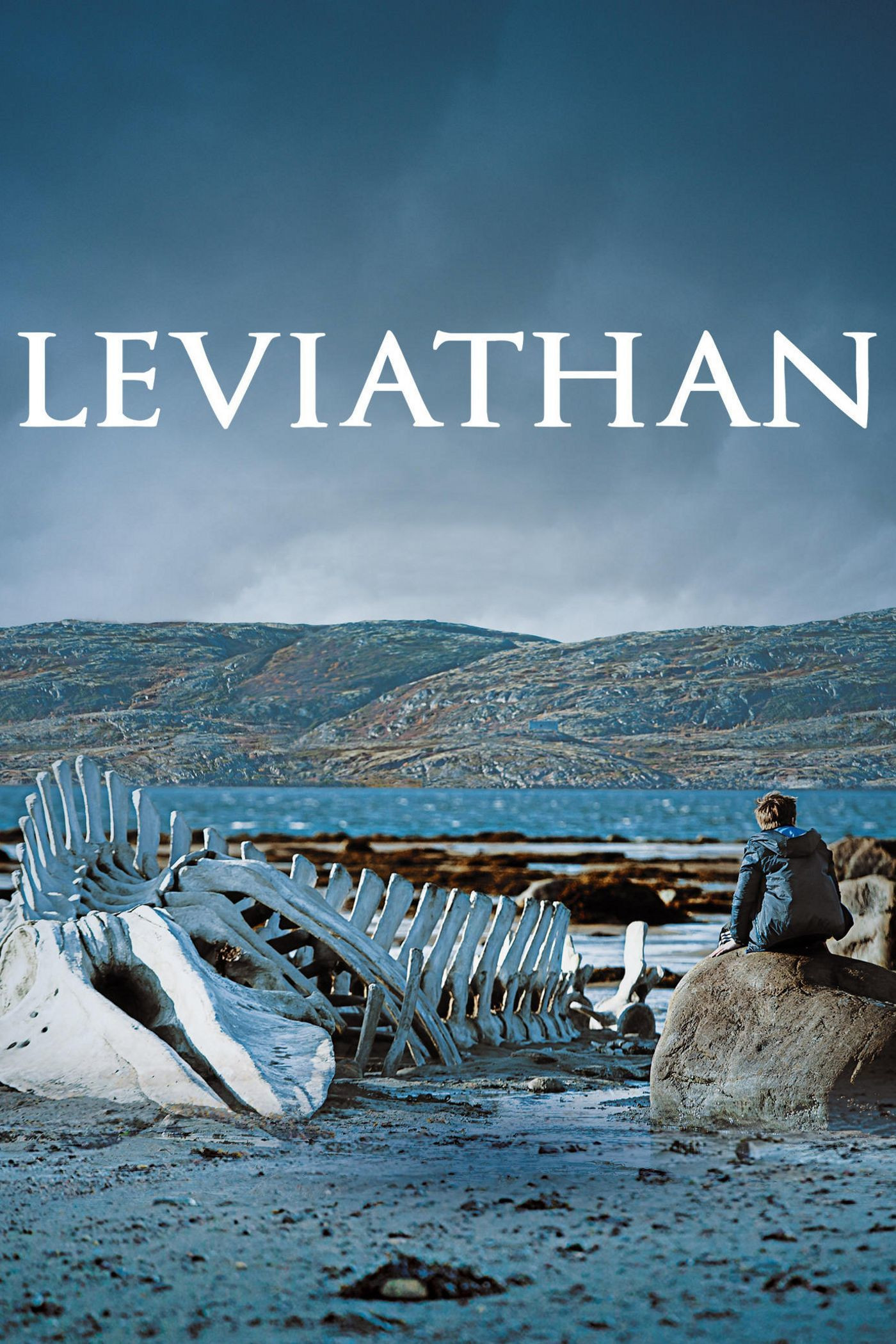
Leviathan - dir. Andrey Zvyagintsev
Something so titanic that God leaves it around as a threat, or a promise, or as a tool to humble His creation. It defies theological understanding. It defies God and man. Antimatter licking at the heels of the machine. The promise made to Job is that he should accept his misfortune to understand God’s plan. But what if God left without paying the bill? Who takes his place? The creation is left with holding itself accountable. Impossible, and unfeasible, sooner or later we reap what we sow, and the biggest debt falls on the poorest of hands. The check written by the powerful is left paid for by the peasantry. 8/10.
-

My Son, My Son, What Have Ye Done - dir. Werner Herzog
If this had veered closer to Lynch’s murky mysteries and less to Herzog’s silly ideas of madness I would have eaten this up, especially since it’s shot like so many of the weird post-millennium late classics (Cosmopolis, Inland Empire, Maps to the Stars) that I love. The fact is that I am just not interested in psychosis as depicted here, but the ideas are there. I think I might prefer Herzog as a documentarian, his narratives just don’t do much for me. 6/10.
-

The White Diamond - dir. Werner Herzog
The most Herzog documentary of all Herzog documentaries. The two main subjects, Graham and Marc Anthony, feel almost fictional at points. I would suspect rehearsals before takes but maybe that’s just cynical of me. It starts off like a fairly standard character study before becoming something more meditative. Worth watching for Marc Anthony Yhap, as Herzogian a figure as any. 7/10.
-

El Dorado - dir. Howard Hawks
Sort of an average Hawksian western, reheating the leftovers from something like Rio Bravo. It’s nice as a bonus disc of sorts but I just don’t think it’s at all as wonderful and sentimental. It also doesn’t benefit from being more poorly preserved, the DVD rip looks super washed out. A cozy time but not the best offering from Howard Hawks. 6/10.
-

His Girl Friday - dir. Howard Hawks
Far too fast paced for my liking, I like my Hawks films more meandering. That doesn’t mean His Girl Friday isn’t a thrill, it doesn’t mean that it isn’t living up to Hawks’ principles of professionalism, it just isn’t the kind of thing I seek from Hawks. Bringing Up Baby is more my speed as far as his screwball efforts go. 6/10.
-
Stand By Me - dir. Rob Reiner
Rob Reiner, rest in peace. You gave me my favorite movie when I was 10. This movie defined my life in so many ways. I would not be the person I am today without it. When I heard what happened to Reiner I damn near shed tears.
This movie understands male friendship more than any other movie I’ve ever seen. Top 5 performance of all time by River Phoenix. Devastating. 10/10.
-

The Shining - dir. Stanley Kubrick
Almost wept at this on rewatch. Such a sad, sad movie. The evils of men are woven into the tapestry of the world. The scene where we see the breakdown of Jack and Wendy from Danny’s eye level… on the verge of tears. Comes a time in all childrens’ lives when they see the truth of their family dynamic. My mom was driving me to school once and in a moment of vulnerability laid out the troubles that had eked her relationship with my dad when they’d first started going out. REDRUM is MURDER when looked at in the mirror. The cinema is the truth teller by holding up a distorted reflection to a distorted world. 9/10.
-

Eros + Massacre - dir. Yoshishige Yoshida
An extraordinarily subjective film about history that cannot be parsed objectively and the death of universal truth. I tend to struggle with a lot of these overly modernist films but the editing and cinematography gave me something to look forward to with each cut. Yoshida is excellent at alienating you from his characters and his characters from each other.
Supremely difficult to watch and also the very cornerstone of one of my least favorite film movements in the world (Japanese New Wave). Yoshida, Oshima, and Shinoda are the only ones I trust, and even then they frustrate me immensely. But I guess that’s the point, the films are intellectual exercises, not entertainment.
7/10.
-
In Time - dir. Andrew Niccol
Sometimes you need to watch a truly bad movie to give you some perspective. Haven’t gone out of my way to watch trash of this order in a long while. Could be worse, though! 3/10.
-
Zeros and Ones - dir. Abel Ferrara
It’s weird. We can watch the same thing play out hundreds of times and perceive it differently depending on the way it receives the light or bounces the sound or interacts with its neighboring particles. We can watch it in pity. We can look at it in adulation or in disgust. We can internalize pain as easily as we spit it back up or laugh it off our shoulders.
The Ferrara experience as I think is most distillable is that the mind of a man is a two-sided coin which hovers in midair, mid-flip, landing on a ridge. Playful. Formalistic. Effortless. Calculated. Intense. Light. Dark. Abel Ferrara is a director of dualities. Binaries. Zeros and ones. But that is such a ridiculously simple assertion to make. I shirk off my duties with a claim like that. Too easy! But need it be more complicated? I mean, Hawke LITERALLY tells you how to feel when the movie ends! I don’t think Ferrara is shy about his meanings and intentions.
To be a soldier or to be a revolutionary. Militancy. Two sides of that fucking coin. A lot of what it means to be an adult is figuring out how to navigate your need to blow up the world and populating it with progeny set on a rightful path. I want to be petulant and nuke everything but I know there are children who inherit the fallout.
One of Abel’s very best. Enamored from beginning to end.
-
Jeanne Dielman, 23, quai du Commerce 1080 Bruxelles - dir. Chantal Akerman
In which the human spirit is not tested by extremity but by docility. The routine that structures us and keeps our spines upright morphs into a deadly enveloping force that crushes our skulls and wears us down into dust. Fire and brimstone as a series of calculated tasks that when repeated, enough, lose all meaning, and in fact become “anti-meaning”. One of the most depressing films I’ve ever seen as it captures a specific fear I have; that at some point in the future all actions neutralize into one big nothing. 8/10.
-
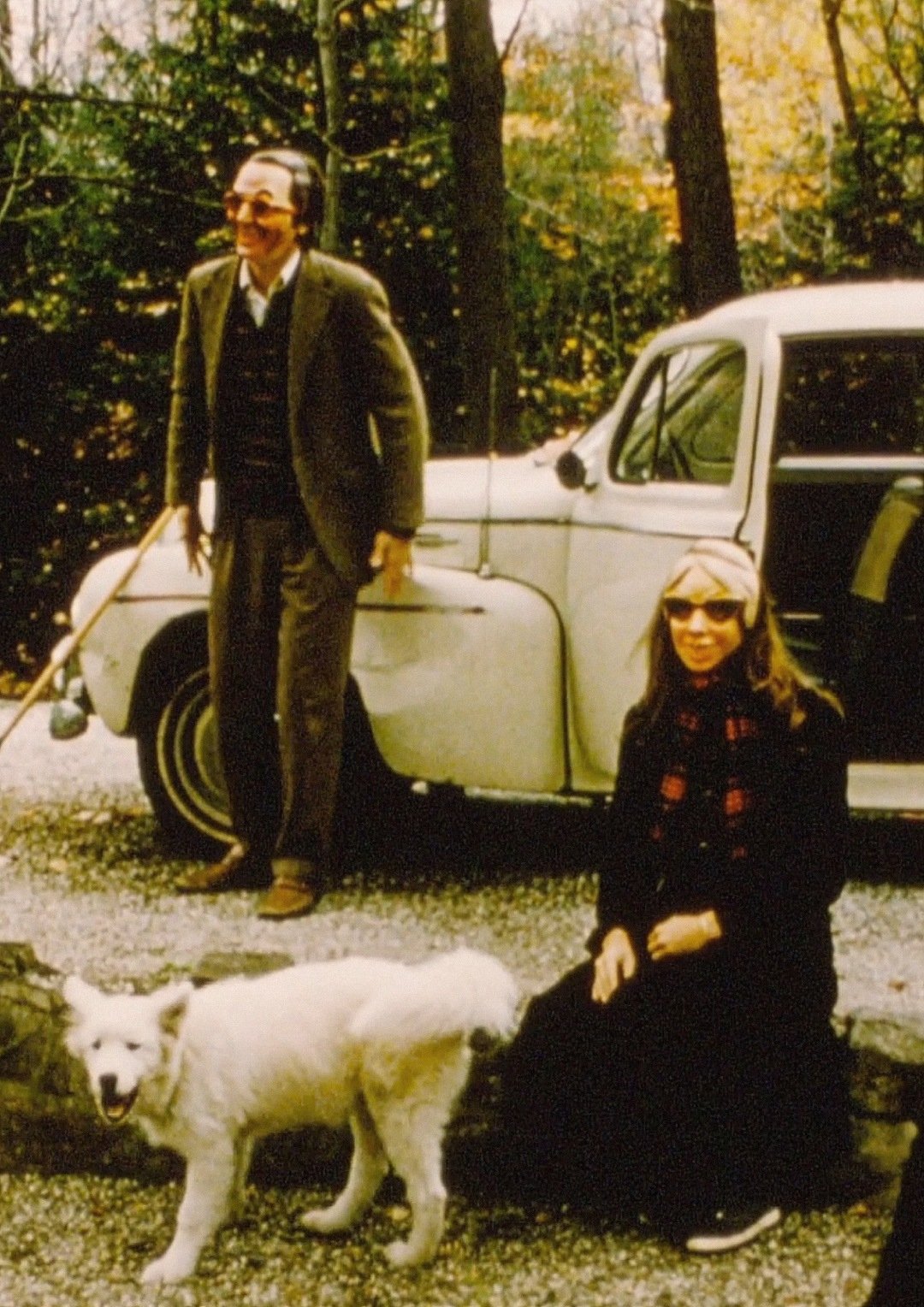
Hours for Jerome - dir. Nathaniel Dorsky
The filmic experience of time spent together with someone. Seasons change. We change. This ineffable thing between us changes. It’s so wonderful. Nothing is ever truly the same as it was before, but at our limited timescale we perceive it in routine and repetition. Everything is always dying and coming back to life. 7/10.
-

Two-Lane Blacktop - dir. Monte Hellman
Abstractions. Endless abstractions in the halfway distance, flyover country, the go-betweens of the American expanse. Nobody can depict the macroscopic like Monte Hellman, the details are never lost on him and his film construction. He was one of the ultimate art filmmakers of the United States, because he saw our country the way a European might have, and yet the American-ness of the picture never seems to be lost on him. Like many of the greats the ideas are more important to him than the specifics–those can always be filled in by the fluctuations of the actors and the camera.
-

The Limit of Sleeping Beauty - dir. Ken Ninomiya
One of the most frustrating watches of my life because it is populated with moments of brilliance suited exactly to my tempo yet kneecapped by a hackneyed narrative, an unnecessary shock factor, and a lurid disinterest in its own human subjects. It wants to be a spiritual successor to Millennium Mambo, this much is clear, but it is in the shadows of giants and it amounts to little more than the humming of a very self-indulgent mosquito.
And yet… you really cannot get an outright negative score from me if you give your film an EDM soundtrack. 5/10.
-
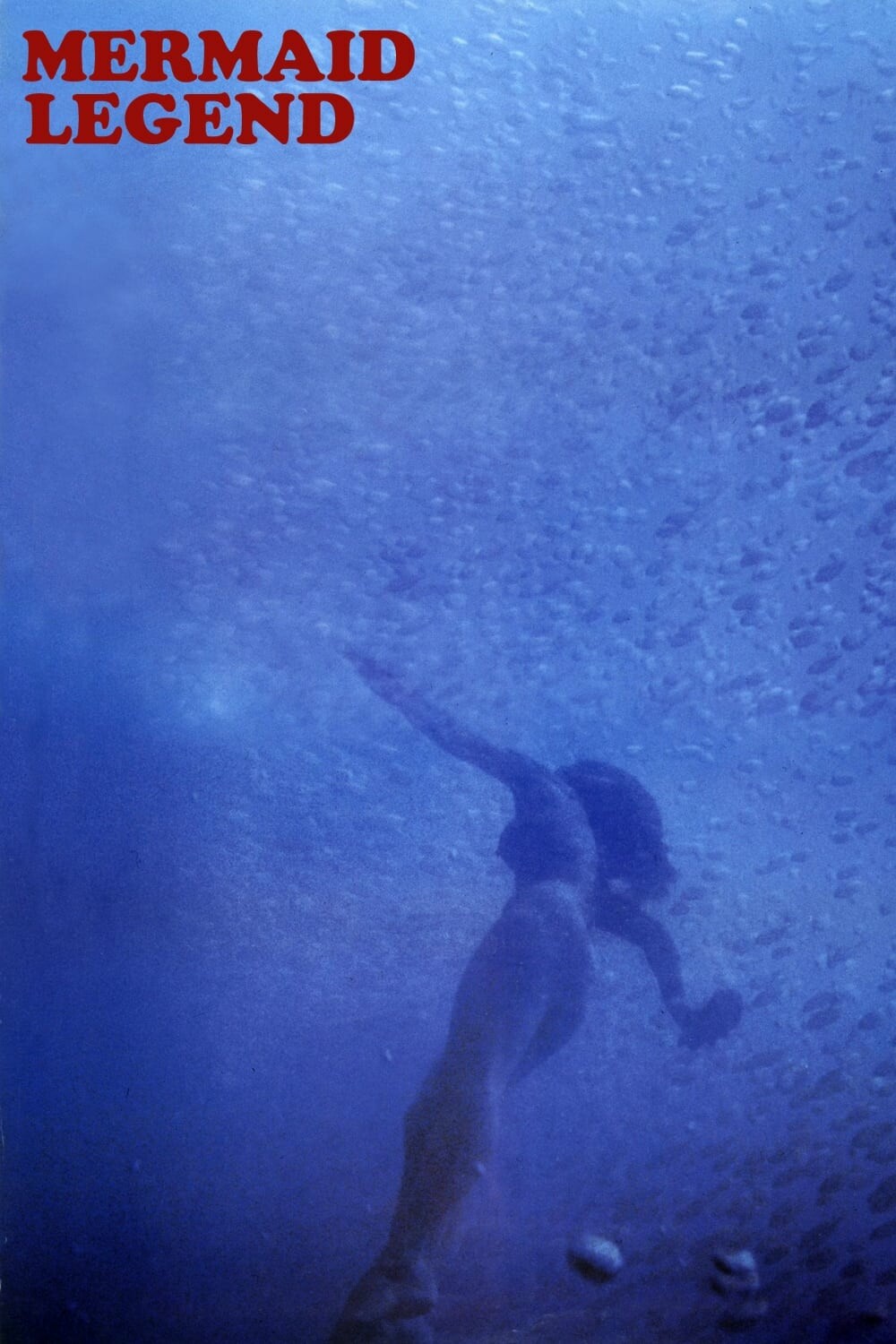
Mermaid Legend - dir. Toshiharu Ikeda
Astonishing. This is what happens when you take the subject matter seriously. I love when gore and erotica is treated with an avant-garde sensibility that doesn’t dilute the pleasures of the flesh. The world of these fishermen is lived in, and then invaded by inhuman bureaucrats, who are more than willing to stake their claim on blood.
Writing about the film is basically redundant; it spells out its bloody dichotomy through its pictures. The woman asking for permission from the spirit then being nearly murdered in cold blood by investors, the use of a modified trident to take revenge, the contrast between the ocean and the backyard swimming pool. 8/10.
-
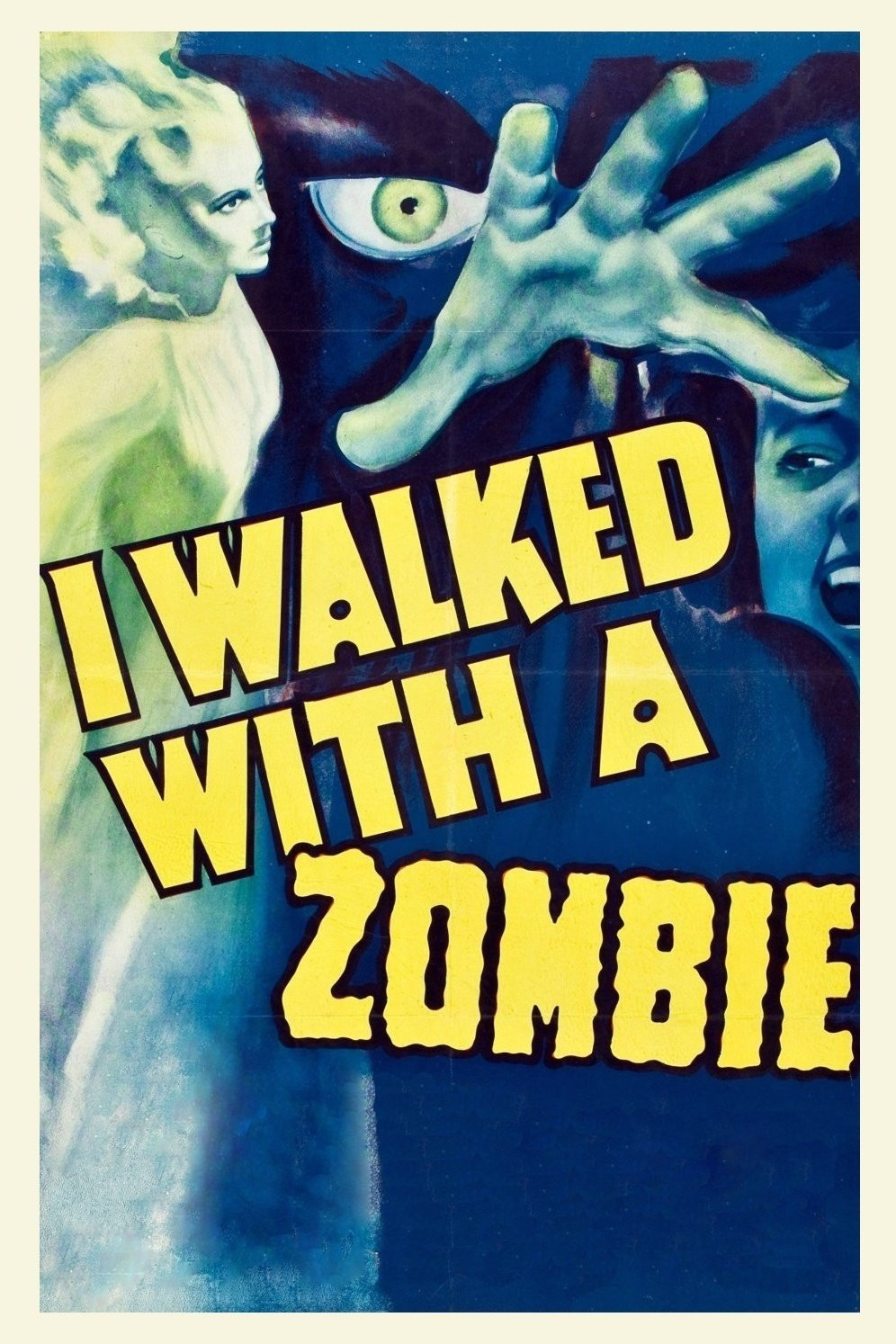
I Walked with a Zombie - dir. Jacques Torneur
After my revisitation of Blue Velvet rocked my whole world, movies didn’t hit the same for a good while. It was this, my first Jacques Tourneur, which I saw on the comedown of a puff, which made me fall in love with the cinema all over again.
This has everything I want out of a movie packed into a cozy 70 minutes. Creepy vibes? Check. Melancholy romanticism? You bet. Post-colonial reckoning? In spades. It’s got shadows, light, the dance of the flickering flames on the walls of the haunted manor. It’s got lovelorn comatose voodoo. The past etched upon the wall.
I loved this movie so much. Love love love love it. Oh my goodness I love it. 9/10.
-

Local Hero - dir. Bill Forsyth
The delicate absurdity at the helms of the corporate autocracy. “You have just one job?” A Scotsman asks our protagonist. The segmentation of profession into highly tuned specialization, and what becomes of your role in society? What becomes of your purpose? To…. purchase land? For the company? For what? To what end? Ignore the politics, what point is there, for you as an individual, to toil for the company? What good is it doing your community?
Little can be so beautiful as Mark Knopfler’s celtic dream pop ballads over the violet hues of the setting sun on the beach, shimmering off the waves. It is exactly what I wanted this film to be. To the letter. When I saw the poster, when I read its synopsis.
Forsyth turns away from didacticism to subtly depict the oilmen as almost alien-like to the quaint townspeople (this becomes especially apparent when Burt Lancaster shows up in a helicopter on the beach–a notably surreal image). What do you mean, you only have one job? What do you mean, you can’t estimate how many grains of sand I’m holding in my hand? To specialize is to cull the human spirit of its finer, coarser qualities.
A lovely film, easy to recommend, one that I relate to immensely. 8/10.
-
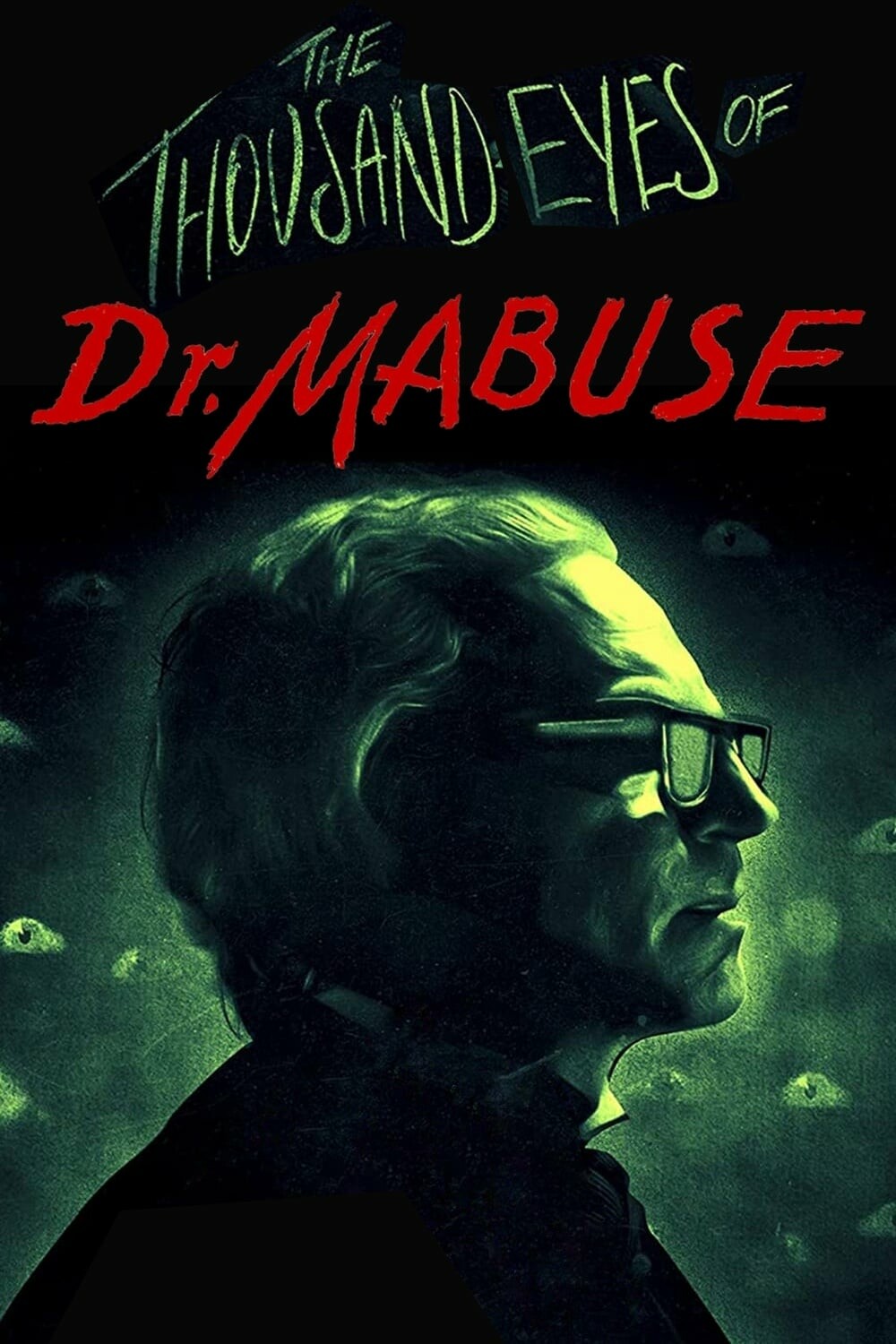
The Thousand Eyes of Dr. Mabuse - dir. Fritz Lang
Might’ve jumped the gun by watching the last Lang Mabuse film first (and the last Lang film, period, which I think is worth noting) but my issues with this were less story-driven and more visual. For the most part it is shot with a quotidian sense of emptiness. It is not lavish or fancy in the slightest. Only the biggest Lang auteurists will see through its nondescript appearance and claw at the themes he has spent his career exploring.
I think Lang’s appeal to me has always been the geometrically carved frames he creates out of the societies he observes and melts, you get the sense he identifies a bit with this Mabuse figure in the way he crafts his films to be multi-leveled surveillance machines. In M, one of his earliest and most formative, he gets mileage out of framing society around the pursuit of a killer. No protagonist, just communities, watching each other, policing themselves. This movie is deceptive in a similar manner. On paper it is a bargain bin mystery but as it plays out it’s clear that most of the subplots revolve around the idea of Dr. Mabuse, not any main character investigating him.
Mabuse doesn’t appear here so much as his shadow lingers over the picture (I intend to watch the previous two Lang directed to get a better sense of this character’s gothic sensibilities), but his still touching tendrils come in the form of surreal technologies that are used to inflict violence through silent terror. I mean just the needle gun itself is a chilling idea, a bullet without a sound that can be used to execute targets in cold precision. The idea here of course is that anybody around you could possess such a technology and use it against you without risk of capture. With each advancement in weaponry we become more and more disconnected from the effects of our violence. Once upon a time we had to swing swords at each other, then we put distance between ourselves and our enemies with artillery fire, and the needle gun offers the next step in the alienation of socially inflicted violence–the removal of noise. No cries of pain, no explosive recoil at the pull of the trigger, just a sharp microscopic object lodged in the base of your target’s skull. Probably won’t even be found by even the most diligent of forensic teams.
Then we get the Hotel Luxor itself, which is imbued with the dark energy of its Nazi past. Lang loves this stuff. He loves locations burdened by history, cursed by their artifacts and atrocities. The hotel is fraught with conspiracy–explosions rigged into phone lines, secret one way mirrors, and surveillance cameras that none of the characters seem to be aware of. At certain points, Lang will pull back from the scene itself to reveal it’s happening through a monitor, which is far more dread inducing than you’d at first think. The classicist becomes the modernist.
In Lang’s final film, the characters are no longer just watching each other with their eyes. Now, they are using sophisticated technological tricks to do so, unconsciously. The panopticon has been so deeply internalized by our society that it’s hardly surprising when a woman on the verge of suicide is met with callous glee instead of empathy. We don’t want to save her, we just want to observe her, study her, prod her, diagnose her.
Welcome to the 21st century, only it was foretold 65 years ago. 7/10.
-

Xala - dir. Ousmane Sembène
Most heartbreaking shit ever is when you think you like the director of a movie but you realize you actually just like the cinematographer or the composer. Watching Black Girl followed by this would bewilder me. One is meticulously composed with the tautness of an Ozu film. Xala is totally unfocused. Hard to follow, hard to enjoy, hard to care about. Maybe I would feel differently if I were Senegalese but I shouldn’t have to make that qualification.
-

Europa - dir. Lars von Trier
Pastiche as only Lars could do. I always like how much he aims to immerse his audience in the dream of his world while still keeping you at a distance from any sort of sentimentality. His view of the world is warped by European cynicism, jam-packed with a transcendent black coffee bitterness. Wrap it all up in a layer of detached secondhand media, and the video plays all on its own, the fragments of a battle where the only thing left is soldiers with pockets yet to be picked by scavengers. 7/10.
-

Letter from an Unknown Woman - dir. Max Ophüls
Love is not enough, and never has been enough, not materially. Declarations of love may ripple through time in drops of sorrow but they are limited by the withholding of the outpour. When you kiss someone goodbye there is a real possibility that this will be the last time you get to do it. Death follows us all, it is more real and more powerful than love.
Somehow, this becomes one of the most romantic ideas instead of the morbid fatalism that it resembles, because Ophuls’ sweeping filmmaking style brings the audience to their knees through palatial chambers and dainty carousels. One of my favorite scenes in this film is the date night at the mock trolly that takes our two protagonists through a series of gorgeous landscape paintings (which are supposed to be European vistas). They are a lie, but they are an incredibly convincing lie when you are in love. You can trick yourself so much more easily when you are under the effect of this narcotic.
Lisa’s father often spoke of weather abroad, always using it as the excuse for not traveling, but the lie conceals a harder truth to bear, that poverty holds us back from experiencing the wonders of the world, hence the pressure for Lisa to marry, hence the fear of death always at our door.
The fear of death spurs us, it makes us into thrill seekers or hermits. Stefan’s wealth acts as insulation from the chilling bite of death, and the experience of meeting Lisa and then losing her unknowingly puts him onto death’s path, only his death is not literal, it is spiritual. When they meet again, his soul has been rooted out as if a shovel had been taken to his heart.
Love is more than a lie, it is more than the flipside of death, it is context that we allow another human being to inscribe on our flesh. When this inscription is read out, it has the power to break the heartiest of men, and the power to resurrect the innocence of the most resigned of women to their fates. 9/10.
-

L’humanite - dir. Bruno Dumont
Girl gets raped
French male filmmakers: How can I make this about me
2/10.
-

Gaslight - dir. George Cukor
I have almost never this much wanted to kill an antagonist with my bare hands, literally clawed at my computer screen wanting to wring this guy’s neck. An absolutely excruciating first hour or so before Cukor grants the audience a reprieve–evil noir replaced with benevolent noir. A lot of femme fatales tend to be women who torment men with their seductive lies, Cukor flips this idea on its head and creates a far more plausibly destructive scenario, a masculine fatale who annihilates a woman’s psyche with carefully elaborate domestic ruse.
I usually find Joseph Cotten to be an extraordinarily boring performer and here is no different. I felt cheated out of a strong ending because his stalwart presence robs the central dynamic of its weight and drama. I don’t think it would’ve been possible for Bergman to find her way out of the hellish psychological maze on her own, so I’m not against the third party intervention in of itself, I just wish it hadn’t been Cotten of all people. He feels like he’s in the wrong movie.
But that’s my only criticism, everything about this is terrifying and infuriating and true to life. I find that the most antagonistic people in my life haven’t been the snarling jerks but the calculated moral heavy-handers, the people who make you feel like YOU’RE the crazy one, the people that always make YOU apologize. The whole time you’re trapped in this vortex of guilt, thinking maybe it’s your fault, thinking–if only I just got my shit together…
I’ve only seen two Cukor pictures, this and Sylvia Scarlett. They are tonally very different but they both deal with acts of pretend. What I mean is that sometimes a mutual lie can bring you great joy, like an imaginary game played with a person you love. Sylvia Scarlett is all about community built on playful lies. But Gaslight deals with the consequences of not being part of this agreed upon reality, and how your brain slowly comes unraveled when you are left out of the loop for too long. 8/10.
-
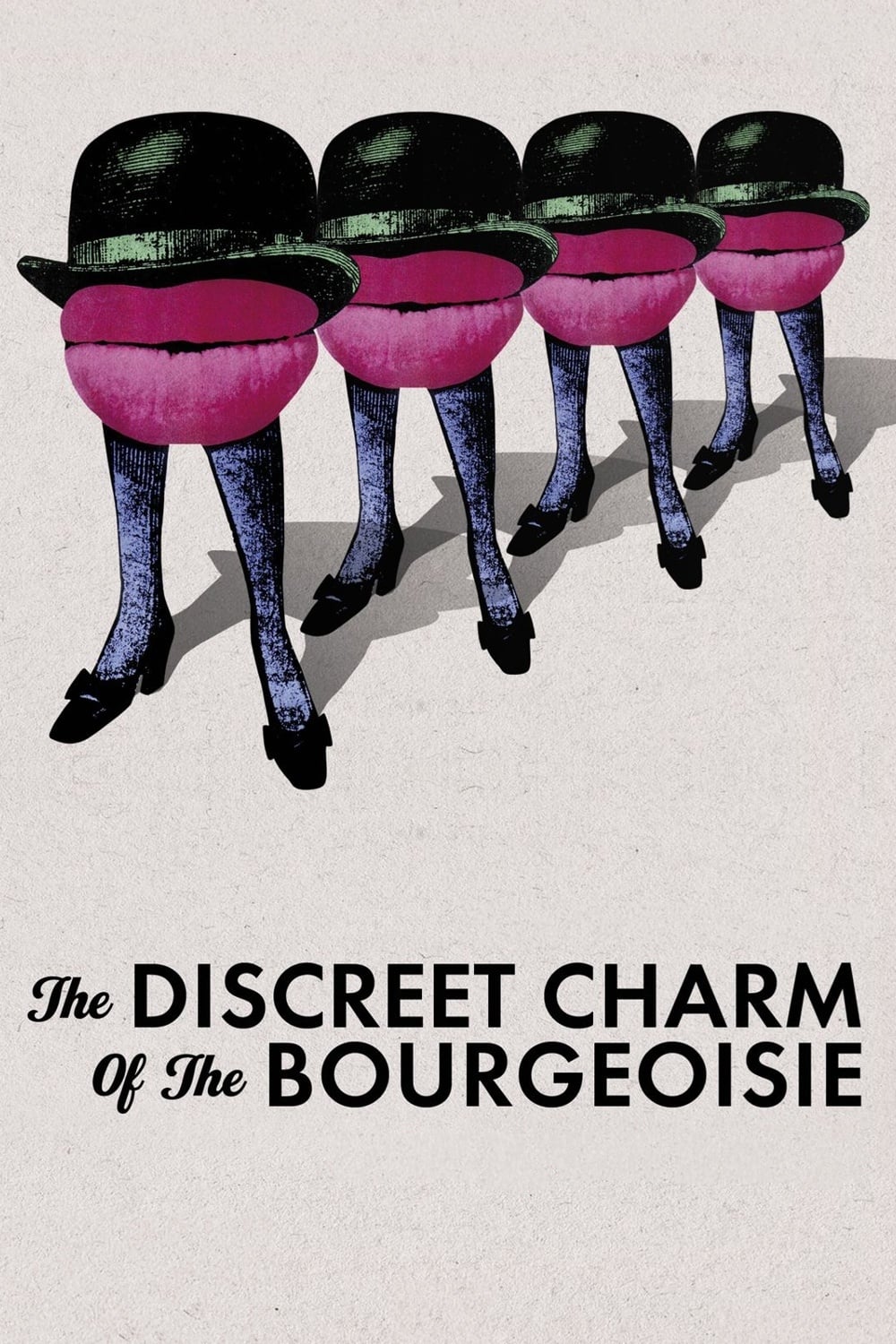
The Discreet Charm of the Bourgeoisie - dir. Luis Buñuel
Hold a gun to my head to force me to watch a Bunuel surrealist satire of the upper class (😂) and fuck it I’ll just pull the trigger for you!
-

Daisies - dir. Věra Chytilová
I think this is the kind of movie you should watch with one of your best friends. It is comically avant-garde but its charm is so thick and breezy that even my friend Cassie, who typically would not go to bat for stuff like this ended up loving it even more than I did.
So much of the excess seems to revolve around food. Part of this seems to me an attempt to correct the austerity politics surrounding women’s roles in society. Contrary to the oft-held opinion that it is WOMEN who are allowed to have fun and giggle with their sorority sisters, society actually tends to give men more leeway when it comes to expressing their inner virility. It is men who have historically swilled beer and wench it up at the club while their wives doted back at home in motherly solemnity.
Part of this film’s ethos then is to take ownership of the chaos of the world. We do ourselves no favors clinging to manners or polite society, it is a dressing up of something that has nowhere to go but sideways. Hence the reminders of destruction, the atom bomb, the great war. All preceded by bureaucratic timeliness. Fuck that, if we’re gonna get blown up by a nuclear warhead because some guy in an office read a memo that told him it was time to bring out the big boys, then we might as well eat as much as we can get our hands on, we might as well give into the splendor of the con, give into the hedonism of taste and touch and pain and pleasure.
So much of it feels like being a teenager. When the social norms haven’t been codified yet, but you’re aware of the boundaries, so consciously you’re pushing them.
The ending message left quite an impact on me. If your greatest indignation is youthful indulgence then you have nothing to whinge about next to the bombed victims of war or genocide. 9/10.
-
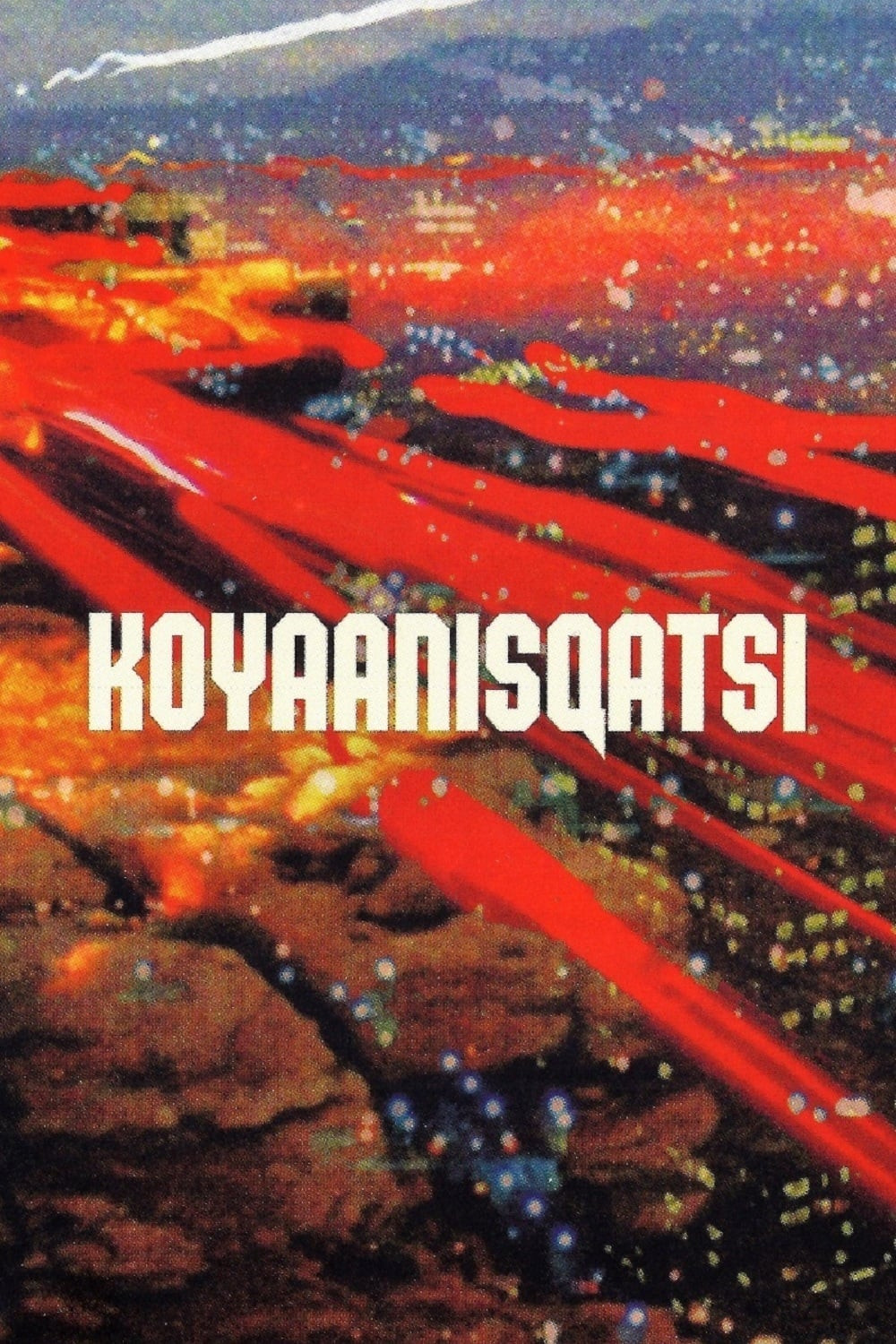
Koyaanisqatsi - dir. Godfrey Reggio
Technology does not stand in opposition to nature, it is an extension of it, a conversion of “natural” matter into something that we see as different, because we see OURSELVES as a separate entity from nature. We view our creations in stark contrast to the world God created, but the fact is that nature has always and will continue to allow for its own destruction. The chaotic life that the film depicts is not, as some conservationists may say, a defilement of the Earth’s natural wonder but merely a stab against our own hearts.
The way in which Reggio depicts complex systems of commerce reminds me of a late capitalist iteration on Man with a Movie Camera. Both Vertov and Reggio view the macrocosmic dimensions of modernity as a beautiful, terrifying thing. I know that Reggio doesn’t loathe it, just as Antonioni never loathed what many deemed hellish in Red Desert. The contrast in the final messages then lie in the aftermath, because the consequence of Vertov’s Soviet reality is a world in which factors can all be accounted for in the centralized state, or the self-regulated community. In the apocalyptically complicated mechanisms of capitalism it is nigh impossible for the average human being to gain an understanding of the people around them. If the Soviet mechanism made its people into watchdogs, the continued deregulations of capitalism have further and further converted us into products.
It’s not so much that we are destroying the Earth–the Earth will be just fine–it’s that we are trying to allocate its resources based on shareholder value. The question we must ask is not “can the Earth survive?” It’s “can our souls survive?”
9/10.
-

Encounters at the End of the World - dir. Werner Herzog
Made for an excellent pairing with “At the Mountains of Madness” by Lovecraft, the absurd B-side. Herzog may claim nihilism, he may pretend to think of human existence as a pebble on the side of the universal highway, but his movies are some of the most humanistic I’ve ever seen. He fucking loves people, he loves their stories and he loves their madness.
Antarctica is the last continental frontier, so it makes sense that we ascribe it a mythical quality. We see a penguin wandering off from its colony on a death march and we either assume its insanity or imagine some kind of supernatural beacon drawing it from its routines. Obviously, we personify the animal, and you don’t need me to tell you that these Antarcticans are a lot like this penguin. I mean, what the fuck drew them out to the end of the Earth? Strictly speaking there is no real reason to go to Antarctica unless you’re curious. Everything you need as a person is back at home, TV dinner on the couch and a family to form. In fact, there’s no reason to do anything outside of your routine, so why bother?
The adventure draws us out of our elemental comforts. The adventure is what draws the penguin out of its nest, because the only way a species can survive is if they resist complacency. For every thousand penguins who wander off and die there may be one who finds something or passes on his genes to another clan, propagating the species. It’s the same reason scientists sacrifice years of their lives to chart out new discoveries for us as a civilization. They go up to space or hole up in some bunker in Antarctica taking milk from seals on the one in a thousand chance it yields something for the rest of us.
Nothing can be gained without going to the ends of the known world.
8/10.
-

Bad Lieutenant: Port of Call – New Orleans - dir. Werner Herzog
The cowboy taken out of the dusty frontier saloon and dropped into the 2000s–prescription painkiller addiction, the bureaucracy of the police force, the crooks in bed with the cops. I think the intro of the flooded prison in the wake of Hurricane Katrina is one of the strongest images of the decade. Because of the Herzogian insistence on narratively enforced madness though, the fleeting spirituality of certain moments can’t be taken seriously. Cage’s insanity works well for such a pugnacious script, and I enjoy the reptilian POV shots (they hint more at the side of Herzog’s work I DO enjoy: wide-eyed non-objective documentary character studies). 6/10.
-

High and Low - dir. Akira Kurosawa
We begin at the penthouse suite with a full view of the city. We descend into the gallows, crowded and choked with human refuse. From above you can see it all. But you are in full view of those below.
You can tell Kurosawa loved theatre, and I mean this both as a compliment and as a complaint. For me, the first third of this film was a slog to get through. The staging does little for me. It’s only once we get into the investigation and we are taken through Yokohama on the ground level, interviewing fishmongers, heroin addicts, and other denizens of Japan’s lower class that my intrigue blossomed.
And the ending. The final exchange between culprit and “victim.” One lost all his money, one lost his life and eternal soul.
Kurosawa asks: Who’s the real victim?
8/10.
-
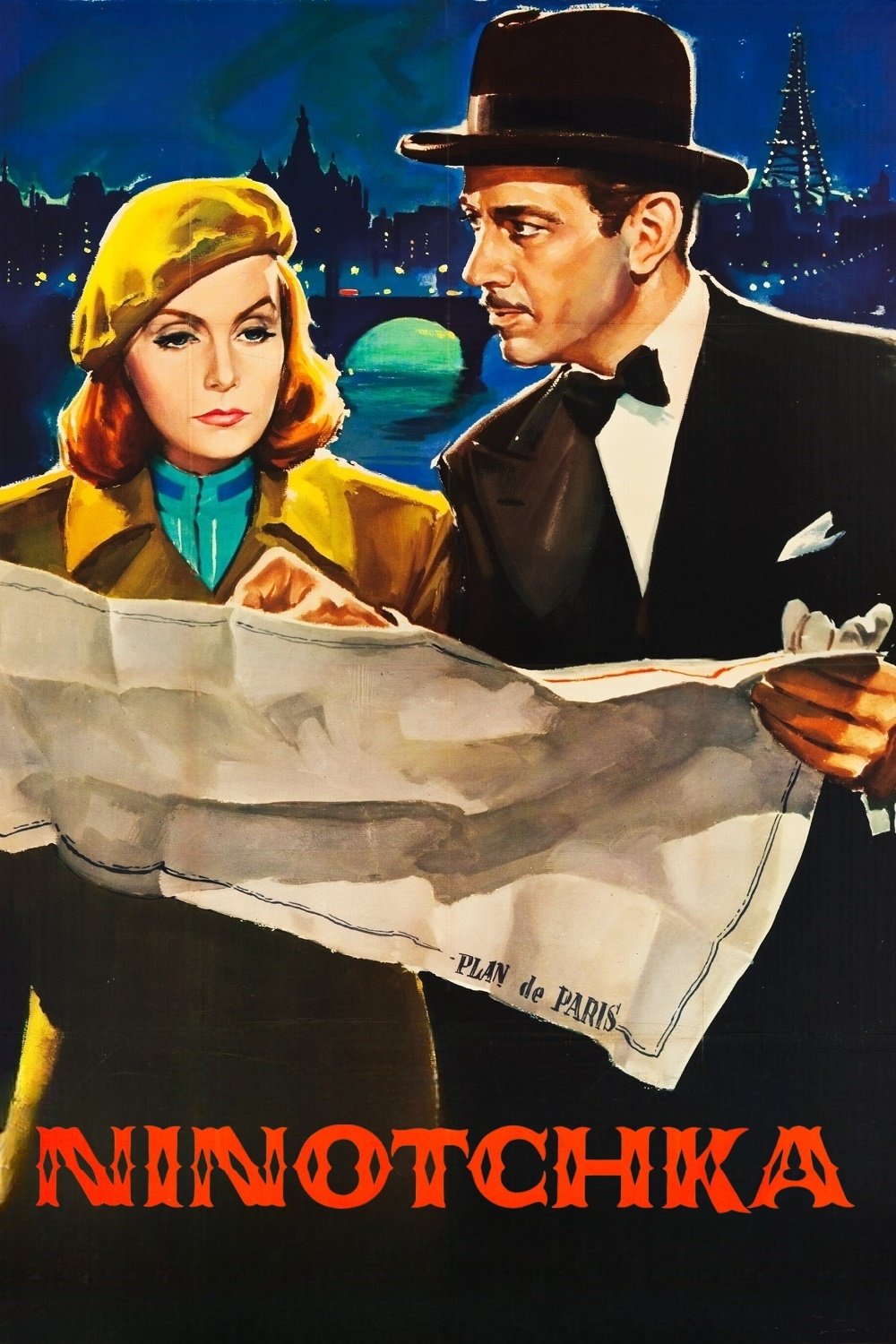
Ninotchka - dir. Ernst Lubitsch
Ernst Lubitsch’s strengths as a director are almost invisible. You don’t notice how sharp and precise every choice is because his mise-en-scene is totally impeccable. Every cut feels like the most obvious decision, every instance of a character moving in and out of a light, every offhanded joke. This is a cinematic confection, a dessert for the attentive and a reward for the curious.
I’m not sure how to structure this review without devolving into hollow adulation, so I’m just going to write down as many things I can remember loving.
The introduction of Greta Garbo’s Ninotchka: Lubitsch tracks the three Russians following a bearded fellow, thinking they’re supposed to meet him only for him to “HEIL HITLER” another German. Then he cuts to a shot with Ninotchka in the background, and they meet her instead. Just one example of how this is one of the smoothest movies ever made.
The gag of Melvyn Douglas’ Leon taking the elevator to get to the top of the Eiffel Tower in two minutes only for Ninotchka to take less amount of time to ascend 1000 stairs.
Leon calling his butler a reactionary after reading Marx for a day.
The shot of Leon and Ninotchka staring out at the “doomed civilization” that is bourgeois France, the shimmering city lights reflecting back at them. The reminder it gave me that as much as I lament the armageddon that surely awaits my capitalist world, we did manage to produce some wonder in our halcyon days.
Back in the late thirties, the Soviets weren’t the enemy. The Nazis were. The romance here is not a marriage between liberalism and communism, the romance here is just an idealization of the apolitical stance one could take when one recognized that the real enemy was knocking down the European doorstep with a swastika on its back.
Both our civilizations are doomed. So let’s forget about the politics for a couple of hours and love, if that’s even possible.
9/10.
-

Escape from Alcatraz - dir. Don Siegel
There is nothing in the world capable of restricting human will. The most perfect prison break movie I’ve ever seen, takes the logic of A Man Escaped to an American conclusion; in that Alcatraz (and other maximum security prisons) are in principle anti-individual, anti-American. Which is why so much of the film is about reclaiming individuality (through painting, or reading, or creating, or crafting… etc.), only for the efforts to remain anonymized in the end. They broke the institution but their souls were sent adrift. The ending is so shockingly melancholy it almost took my breath away. I didn’t expect something so mythopoetic from a barebones Siegel thriller. 8/10.
-
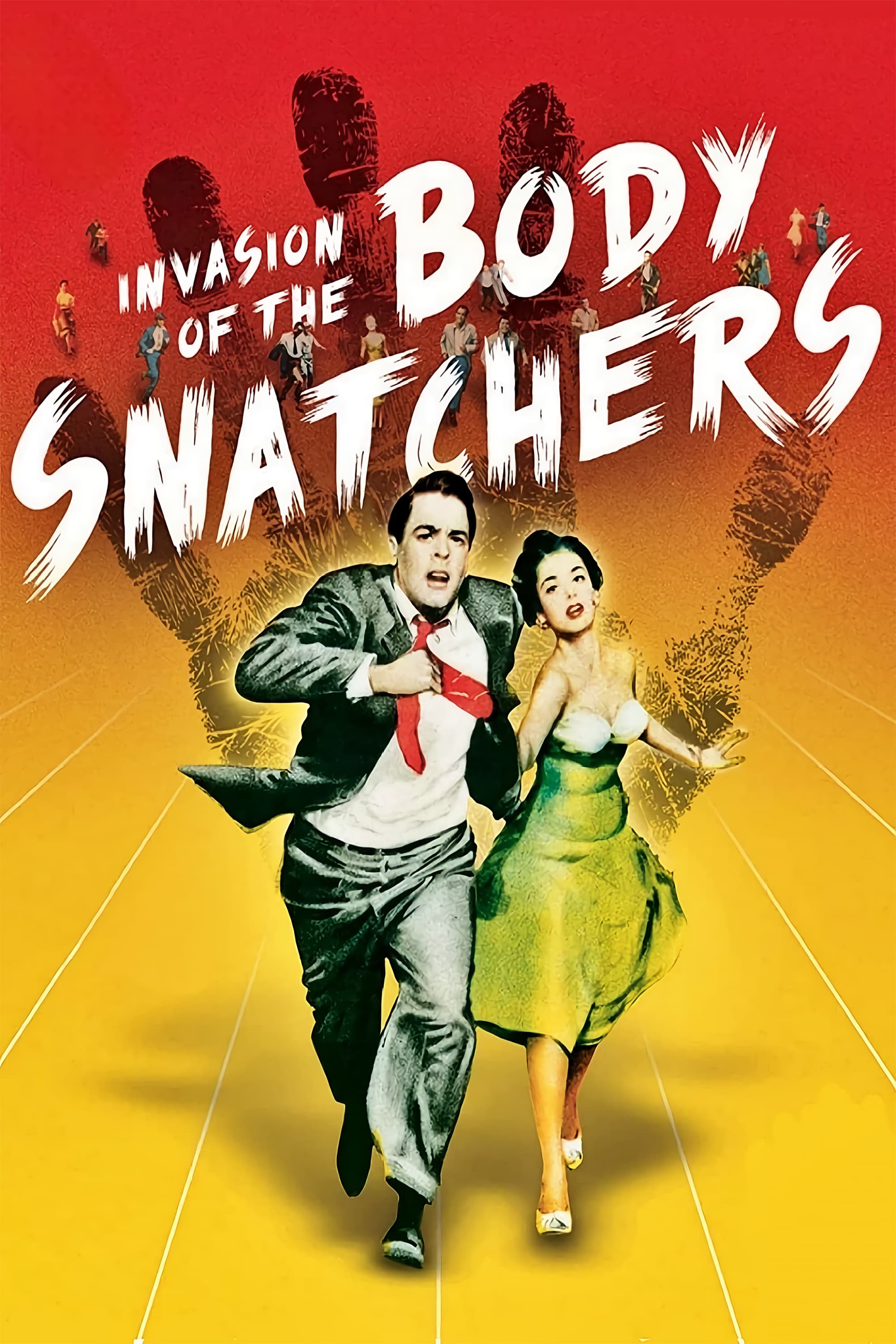
Invasion of the Body Snatchers - dir. Don Siegel
The lead-in works better than the delivery. I fail to see how this is at all an effective horror film when none of the impostors are even trying to seem inhuman. Abel Ferrara’s take was the best because it totally worked as an inversion of the human will. There’s none of that chilling realization here, everything is rushed to its conclusion quickly and the ending is some of the corniest shit I’ve ever seen. 5/10.
-
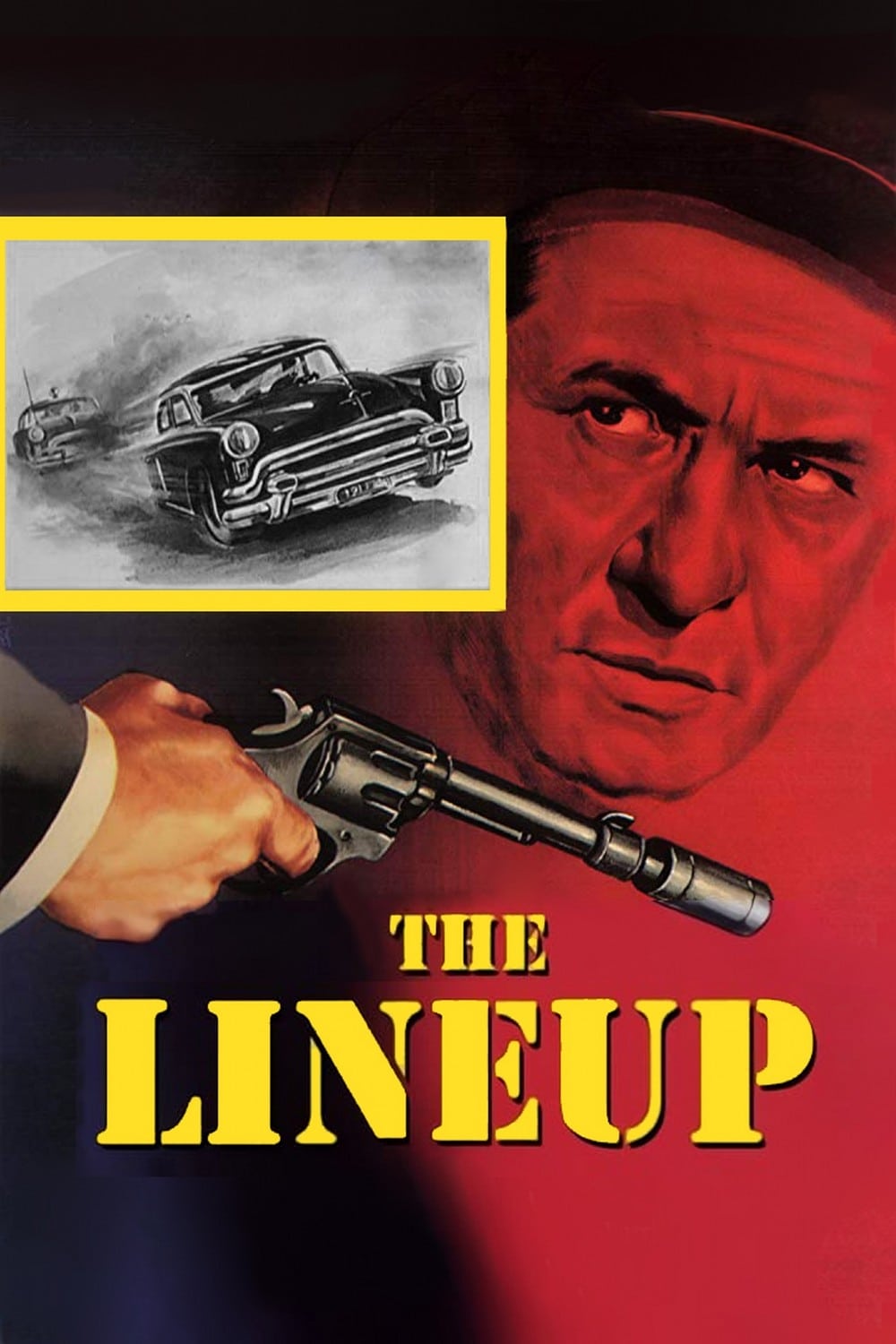
The Lineup - dir. Don Siegel
I can see how this must’ve influenced a lot of more hardboiled 60s and 70s crime/noir procedurals. Siegel’s got a lean and mean instinct for directing unsympathetic characters who do what needs to be done for business. Lots of interesting stuff here that deviates from old Hollywood norms. Like the way the plot basically can be bisected about halfway through between the cops and the crooks. Some of the violence here is also quite astounding. Much to admire. 6/10.
-
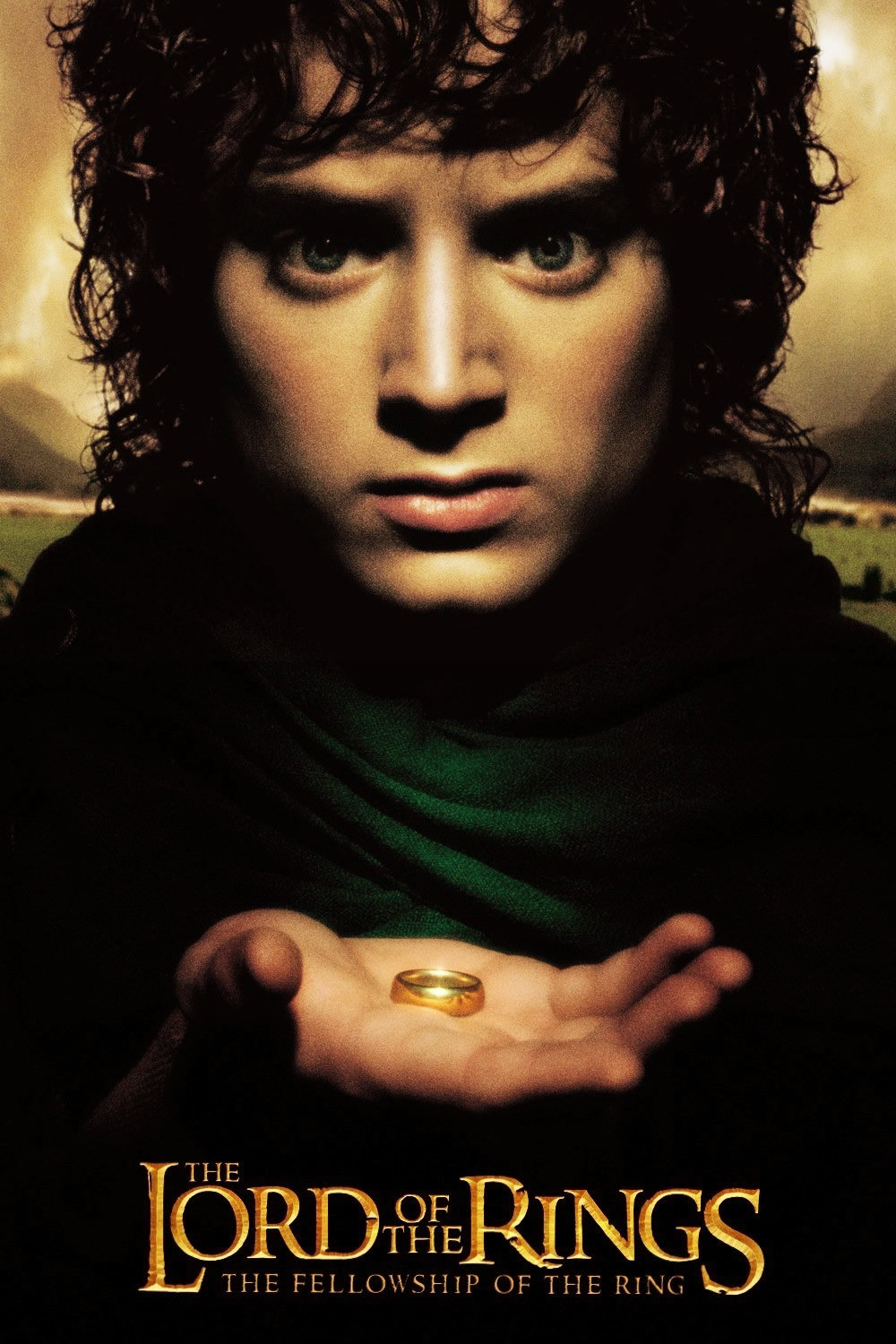
Lord of the Rings: The Fellowship of the Ring - dir. Peter Jackson
Way more bizarre than I expected. I was not expecting to see all the Peter Jackson-isms in this thing. Legit reminded me of Braindead. Not really grand but formally unique for sure. I was talking to my girlfriend about whether or not the cinematography looked “good” and I guess she’s right that it’s not good in a Tarkovskyan sense or whatever, but at least it has personality.
The high fantasy formula of “group of people walk from point A to point B, fight something/receive an object or wisdom” sucks ass so this movie was never going to really succeed with me. I also find a lot of Peter Jackson’s tendencies as a director really childish, he’s kind of like a New Zealand Bob Zemeckis. Lots of budget but not a lot of skill. Spielberg would’ve run circles around this thing. 5/10.
-
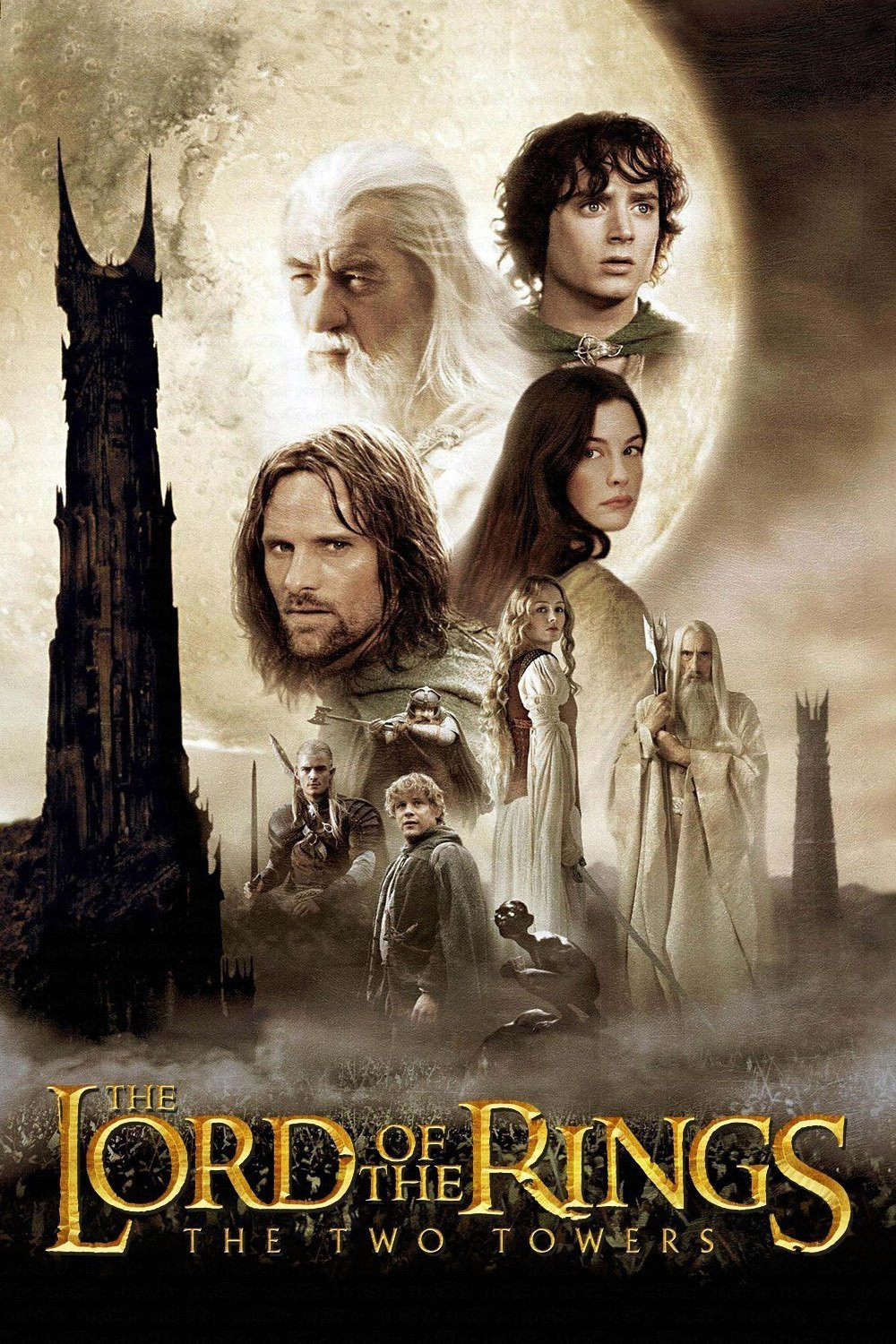
Lord of the Rings: The Two Towers - dir. Peter Jackson
I gave the first one some leeway because there were elements of its coming-of-age narrative I enjoyed, but the kiddy gloves are off here. This movie is total dogshit and I can’t really understand how it got its reputation.
Visually it is abhorrent sludge, and as a piece of fantasy worldbuilding it’s dull. The world doesn’t feel lived-in at all. Every location is hollow, empty, sparsely populated and repetitive. Yes, there are some cool on-location vistas but because the color grade was done by a 5 year old (10 art directors!!) it ends up looking like the backdrop of a Windows start screen.
You can’t even begin to compare this shit to the Star Wars prequels, those had imagination with rich worldbuilding and tons of unique alien/droid/vehicle designs. The boldest creatures in this movie are the Ent which end up just being bipedal trees. A big opportunity to go crazy with a design and they end up just anthropomorphizing a plant. Really dull stuff.
What am I missing here? Did I miss the boat by not watching it when I was 7?
2/10.
-
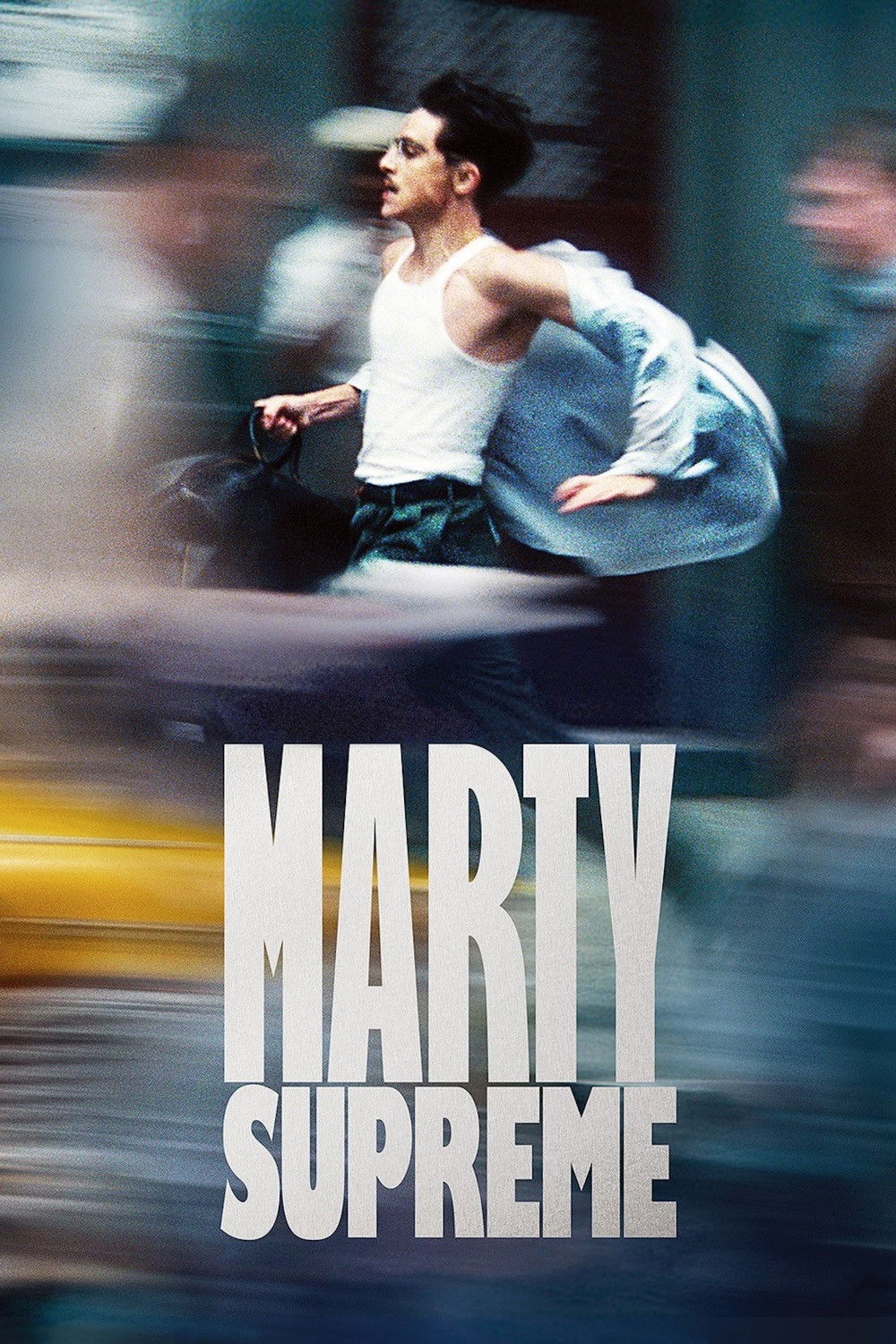
Marty Supreme - dir. Josh Safdie
I can’t imagine how much people who aren’t Jewish miss watching this, to me so much of the narrative is hard-baked with a Jewish identity that if you aren’t tapped into that you’re not even watching the full movie. Safdie is Jewish, Chalamet is Jewish, the collaboration is about the Jewish struggle for assimilation into American society, the contradictions laden within that battle, and the self-indulgent scam that it is.
Marty is a sociopath but only as much as he is a product of his environment. He grew up going through the foster care system, he found something he was good at, he hitched all his bets to it, and so naturally he became a self-serving prick at the expense of everyone around him. I ask, how but for the grace of God go you? Of course I do not mean to make excuses (as Marty points out in a funny exchange with the head of the championship when begging for a second chance), I just mean to point out that almost all sociopathic behavior is learned.
Consider Rachel’s ploy with the eyeliner. On the surface this is pretty objectively scumbag behavior, but from her perspective her only chance at getting what she wants for her and her baby is to do whatever it fucking takes, ethical or otherwise. The difference between her and Marty is an obvious one; that she is acting for two and his motivations are fundamentally selfish. The next part of my Jewish read on this concerns this surface-level selfishness. When Marty robs his own shoe store at gun point, I completely empathize with him, because from within the Jewish community there is a terminal lack of sympathy for aspiring athletes (especially if the sport is fucking table tennis, which was another layer of enjoyment for me, I used to LOVE table tennis). This is not universal, but I can see how frustrating it’d be as a young Jew being held back by your own blood. He’s promised a bonus to go to Japan and gets strung along because his family’s Jewish imagination cannot fathom the possibility of a future outside the limited American framework (start a business, run a business, pass the business onto your kids).
Then obviously there’s the shiksappeal that gentiles will never fully understand, the way a young Jewish guy places high sexual value on a white girl. Similar dynamic plays out in Heartbreak Kid. Alienated Jewish men forgoing their cultural responsibilities for a taste of blonde.
But I digress, because all the sexual politics are hardly relevant to my enjoyment of the film. I find it way more intriguing that Marty’s last straw isn’t being spanked, isn’t being asked to lose… it’s being asked to kiss a pig. A non-kosher animal. It’s this weighing of values that goes through the young Jewish protagonist’s brain. In every moment of the film we are being asked to consider the immediate objectives Marty pursues, the obstacles in his path, and the tactics he uses to bulldoze through them. Because every single one of these elements is clear, we not only get an acting masterclass from Chalamet (the clarity is an actor’s wet dream), but we also get to see the Safdie formula at play. He gets us behind all his scuzzy characters because of how well-communicated all of the aforementioned elements are.
The politics I am interested in are the postwar politics, the battle of values between jingoistic American rhetoric, the muddying interests of capital, and the assimilation into both of these as a Jewish outsider. It’s in the blurb, to go to hell and back for the American dream. And that’s an easy thing to name drop in a review, to just pay lip service to the contradictions of that dream, to go on and on about capitalism and patriotism, but it’s another thing entirely to visually pit a Jewish man against a Japanese man to an audience of desperate, traumatized Japanese people reeling from the nuclear bombs while the Jewish guy performs for the US armymen WEARING his necklace, the whole time! Is Marty Jewish or is he American? Is he both? He is equally willing to play both cards, when he cracks jokes about the Holocaust (which just happened, by the way), or when he demands special treatment from the championship as an American.
The honey scene is tremendous stuff, some of the best Holocaust related imagery I’ve ever seen as a Jewish person in film because it manages to root the victimhood of the Jews in a struggle. We’re not just martyrs, we’re people. We were never consigned to our fate. Kletzki used his skills to earn white respect, then used that respect to bring the spoils back to his people. Kletzki is a Jewish symbol of power. Marty fails to bring back glory, he is a Jew who has lost his way.
Second scene with tremendous racial politics is the scene where Marty and Wally scam a bunch of, initially, well-intentioned white guys together. At first they’re more than willing to empathize with Wally’s story, until they get scammed and come after the two of them, calling out the n-word. Wally ends up getting screwed more than Marty does, because Wally’s got less recourse as a Black guy than Marty does as a Jew. His moneymaker gets totaled, he has responsibilities that Marty doesn’t.
Something this reminded me of was John Singleton’s Baby Boy, which also concerns an underdeveloped ghetto kid who needs to own up to his responsibilities. Singleton believed in a woman’s ability to tie a man down and help him see the light, here Safdie only allows Marty the catharsis of fatherhood after he already burns all his bridges. It’s the slinking back of a rat after eating all the cheese, no reckoning just acceptance.
8/10.
-

No Other Choice - dir. Park Chan-wook
After about a decade of defanged toothless satire from the US and Europe that fails miserably at capturing the postmodern zeitgeist, Park puts down the kiddie gloves and decides to show the West how it’s done.
Hell, let’s look past the cutting observations on the value of labor and the rotten foundations beneath the middle class lifestyle and just appreciate the formalism itself–I’ve almost never seen a director having this much fun with crossfades, match cuts, sound design. No director is getting as much mileage out of audio dynamics in facetime calls as PCW.
The title “No Other Choice” is a misnomer because at pretty much every point, as my girlfriend observed, there was ALWAYS a choice. I mean the guy barely TRIED to look for another job! At first I was sold on his desperation as well but the rug was pulled underneath me during the last couple of scenes (one of the best endings all year… my girlfriend wasn’t as enthused but I thought it was just as ballsy as Park’s other finishes). The satire here is not as simple as exploiter vs exploited, this is about the narrative that a hapless dipshit has to tell himself in order to justify out-sociopathing the rest of his fellow workers.
A lesser satirist would’ve attacked the family as well, made the wife a cheater, but I like what Park does here, which is a simple trick many screenwriters use to make the audience get behind their characters’ arcs… “making the characters empathetic.” It’s an effective technique more people should be utilizing! Now, the interesting thing here is that their relationship is still fundamentally built on tension. They may work as a team when it comes to concealing the crimes but the root cause of their stability as a middle class couple is built on bodies. “Pig meat” as fertilizer. A great image. 8/10.