Movies I Watched January 2026
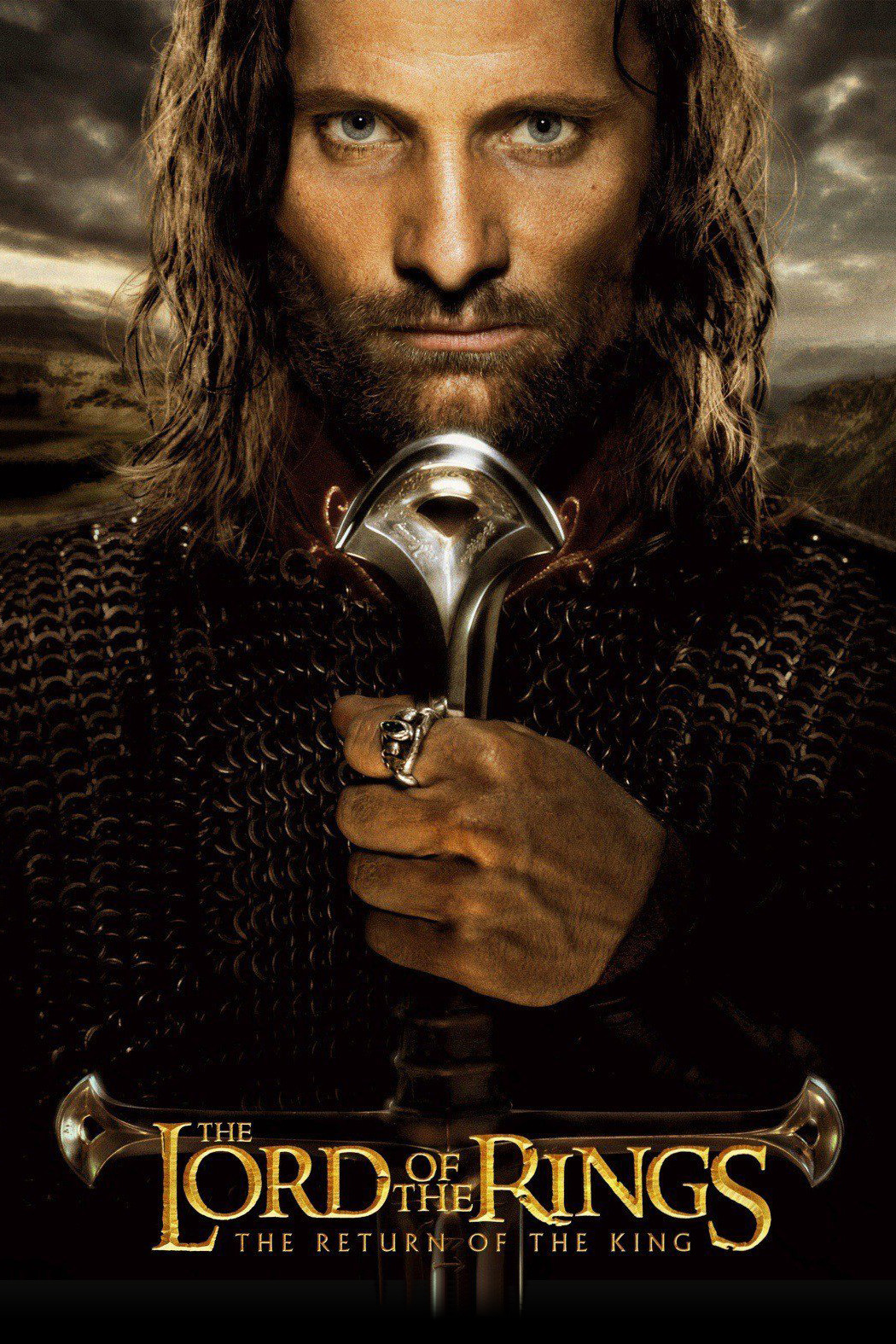
Lord of the Rings: The Return of the King - dir. Peter Jackson
Millennials gotta be smoking crack to have gaslit the world into accepting these movies as gospel. What gives?
The most colorless fantasy world I’ve ever seen. Just lots of green and grey.
Butt ugly visuals. Those green screen effects look like sludge. Many, many overexposed scenes. Totally inexcusable.
Lots of sad and dense conversations between characters I could not give two shits about. You really understand why these things are four hours long when they have seventy scenes of random side characters making googly eyes at one another.
Aragorn most boring dude ever? Who cares about him lol.
Why does every male have long flowing hair. Some of the most repetitive and unimaginative fantasy character designs ever. Huge elephants and spiders are cool, but at the end of the day they are just big ass elephants and spiders.
Peter Jackson doesn’t know how to put together a scene without cutting each time a different character opens their mouth. It’s okay to see them all in the same frame while they talk, buddy. We don’t need to fill the screen with their face each time they have some text to speak.
Once again, the whole world feels super empty. At one point they’re meeting a king at his palace and his throne room is literally just Gandalf, the dumb hobbit, and the king himself. It’s like they couldn’t be bothered to care about the slightest bit of immersion, all they need is the three people who matter to the scene and that’s it. No background characters, no extras nothing. It absolutely kills the “end of the world” stakes if we don’t see a living world that needs to be saved.
Awful trilogy. Doesn’t hold a candle to many of the blockbusters from its era.
4/10.
-
La Haine - dir. Mathieu Kassovitz
I’ll bite the bullet on talking politics even though the film is effusive in its own. It is making a bold statement–what that statement is eludes me and probably even eludes the director, Kassovitz, who uses the punchy political text to mostly pick at masculine performance, which makes me wonder if the film’s talk of uprising and retribution and systems in free fall means more to the expression of angst than it is a cogent framework of analysis.
I guess what I’m trying to say is that I don’t know what I’m “supposed” to take from this. Kassovitz is more of an actor than he is a director, and this film is such a weird outsider in his small catalogue that it’s hard to pin down what his overall approach to filmmaking is. Maybe I need to watch his other movies, but the reviews don’t look promising. Just not really sure. Are we angry at the system or are we angry at its denizens? Is punk performance or is it legitimate activism? Is killing a skinhead really all that different from killing a cop?
I’m not asking to poke holes in the movie. I’m just wondering if the point is to ask the questions or if the point is that there is no answer.
I’m still thinking about it, for what it’s worth. The line the film is built around, about falling and thinking it’s all good until you hit the ground, spoke to me for sure. No denying that.
7/10.
-

Hero - dir. Zhang Yimou
The story was uninteresting to me as a Westerner, but when your movie is this dynamic and colorful and bewildering in its action and melodrama it’s impossible to come away thinking anything other than “give Zhang Yimou unlimited money to make any movie he wants.” And luckily he’s getting that carte blanche to make The Three Body Problem. Give him a trillion yuan to make all three parts a 20 hour filmic rapture. My Lord of the Rings right there. 7/10.
-

New Rose Hotel - dir. Abel Ferrara
While I was rewatching this with my girlfriend–who loved this far more than I did when we each individually watched it for the first time–I quipped “this movie is how it feels to get out of a hot tub.” And I keep thinking about that offhanded comment, because I am so completely blown away by how accurate it is for me. You get into the tub and its so hot and warm and cozy and you start to drift off into a tired stupor, then you rise out of the water when it’s time to leave and it’s like your whole body is heavy. My strategy is to jump back into the pool after to bring my senses back to life, but imagine if that wasn’t an option. Imagine if your body was heavy with the sex lies and videotape of the night before and there wasn’t a way to shake it off.
For me one of the scenes that broke my heart the most, that I felt spoke most to my generation’s epoch, was the scene where Sandii is talking to X about having a family, a kid, a dog, a home, just like her grandparents did. Can’t we just get married, she asks. Can’t we have that? It’s so sincerely romantic that it hurts because the whole movie is formally the opposite of all of that. It is constantly shoving tits and neon and empty buzzwords in your face. How can anyone possibly believe, in this hermetically contained new world order, in something as ridiculous as a home and a marriage and children?
One of the greatest films of all time, and the crazy part is that it’s not even my favorite Abel Ferrara movie. How is it possible for him to be this obscure?
-
The Last Picture Show - dir. Peter Bogdanovich
The death knells of American society, the difference between the communal gathering of a cineplex and the isolating atomized world of television viewing. Not much left to do in town once the picture show is gone. All elders seem to know how to do is disappoint and ravage their successors. Our culture seems so willing to cannibalize itself. When Billy gets hit by a car, all they do is blame him. It’s no wonder the town died–it practically killed itself. 8/10.
-

Paper Moon - dir. Peter Bogdanovich
Sexist at its worst (The Trixie stuff should have been omitted), but then again so could be Chaplin, who is an influence the film wears proudly on its sleeve. I like that there is no saccharine resolution, the only way these two can express their love is through debts. Reminds me a lot of Hawksian affection. One con man recognizes a little connie, and the film is about how they are equals, not so much father and daughter. 8/10.
-

Magellan - dir. Lav Diaz
So much of the “truth” is unseen, and I put truth in quotes because it is such an elusive property, especially when talking about this thing called history, where facts and stories and myths all come into interplay. At one point, when Magellan is being told an indigenous story, he scoffs at it, questioning if they considered that it was all just a “story” or a “phantasm.” The scene is doubly ironic; at once it fingers the hypocrisy of Magellan’s God, the “story” he believes, and second, it actually does turn out to be story. The indigenous leader did invent a demon to lure Magellan and his men into slaughter.
There are many examples of Lav Diaz’s formalism obscuring violent or vulnerable truths. The slaughter as mentioned above takes place under cover of darkness, and we often see acts of brutality take place off-screen, or behind other objects. Such as the scene where a man is being whipped on Magellan’s ship, you don’t even see the act itself, you just hear his screams of pain, and then cut to him writhing in agony on the ground after the act has finished.
I don’t think violence is the only “truth” however, another example of darkness obscuring “truth” is the scene where the priest is taking men’s confessions. They admit to him that they have lost their faith in God. A sad admission. Contrast that with his conversation in the captain’s quarters. Magellan reveals his true machiavellian instincts to the priest. He doesn’t really believe in God, doesn’t hold confession sacred, profanes the very things for which he outwardly displays zealotry. We almost immediately cut to him abandoning the priest in the middle of nowhere. Faith left behind on the journey west.
The most subtle example of obfuscation I noticed was the sunlit joy of landfall, filmed from a low angle as the ship passed the beams of light. We literally see the vessel block out the sun as it enters Philippine waters, the relief of finding land tainted with the obviously terrifying undertones of European-indigenous contact.
What Lav Diaz has always understood, I think, is that there is a huge difference between what we profess and how we act, and the way we often mediate this difference is through the weight of historical motive. Magellan is compelled by the allure of power to warp the beliefs he professes to act in tyranny. But, and here’s the kicker, Lav Diaz doesn’t patronize the indigenous tribe by pretending they aren’t tempted by the same human greed. Humabon, the chieftain of the tribe, is motivated by the promise of power just as much as Magellan is, and so he agrees to convert his people to Christianity for this promise of power. His spiritual beliefs, outwardly espoused, cannot hold a candle to the taste of authority.
What a lot of well-intentioned progressives seem to believe is that colonization is a one-dimensional act of aggression. And certainly, we should condemn the tyrants of history who conquer and lord over their subjects to extract resources from them. But let’s not forget that much of the British Empire’s success came from their ability to use economic incentives to manipulate local lords to act on the empire’s interest. Let’s not forget that West African lords went out and hunted for the very slaves that were exported to the New World. This isn’t my attempt to reduce all history to a milquetoast plea for centrism. Far from it. I’m just saying… we have to look inward a bit. Realize that the abhorrent brutality of history isn’t alien, it isn’t inhuman, it is the product of our relationship to power and status.
This sounds pessimistic, and I can understand why, but I don’t think it’s as terrible as you’d think. The ending of the film encapsulates why, as it sees Enrique, the slave, win his freedom through the massacre that he helped to engineer. Violence is a tool for oppression, yes, but it is also a tool for revolution. Nature allows for the flexibility of behavior and truth. A chieftain can be invented to win a war. A god can be invented to control people. A truth can be invented to build an entire civilization.
9/10.
-

Demonlover - dir. Olivier Assayas
All that corpospeak and conspiracy for the pornographic suffering to become background noise in some suburban kid’s daily malaise–he’s not even a bad kid, just conditioned by repetition to the sounds of screaming. You get used to anything if it’s put in your face enough, just as we’re used to seeing the bodies of women mangled and stretched and dissolved.
They talk about the dealing of porn as if they’re talking about any other product. They talk about the animated bodies of prepubescent children as if they were just another confluence of pixels, a screensaver to beat off to mindlessly. Mindlessly. Mindless pleasure. Not even pleasure, anymore. I mean, all you’re doing is chafing that shit raw. Numb.
The cinema that explains the contemporary psychology of the gooner lifestyle.
8/10.
-
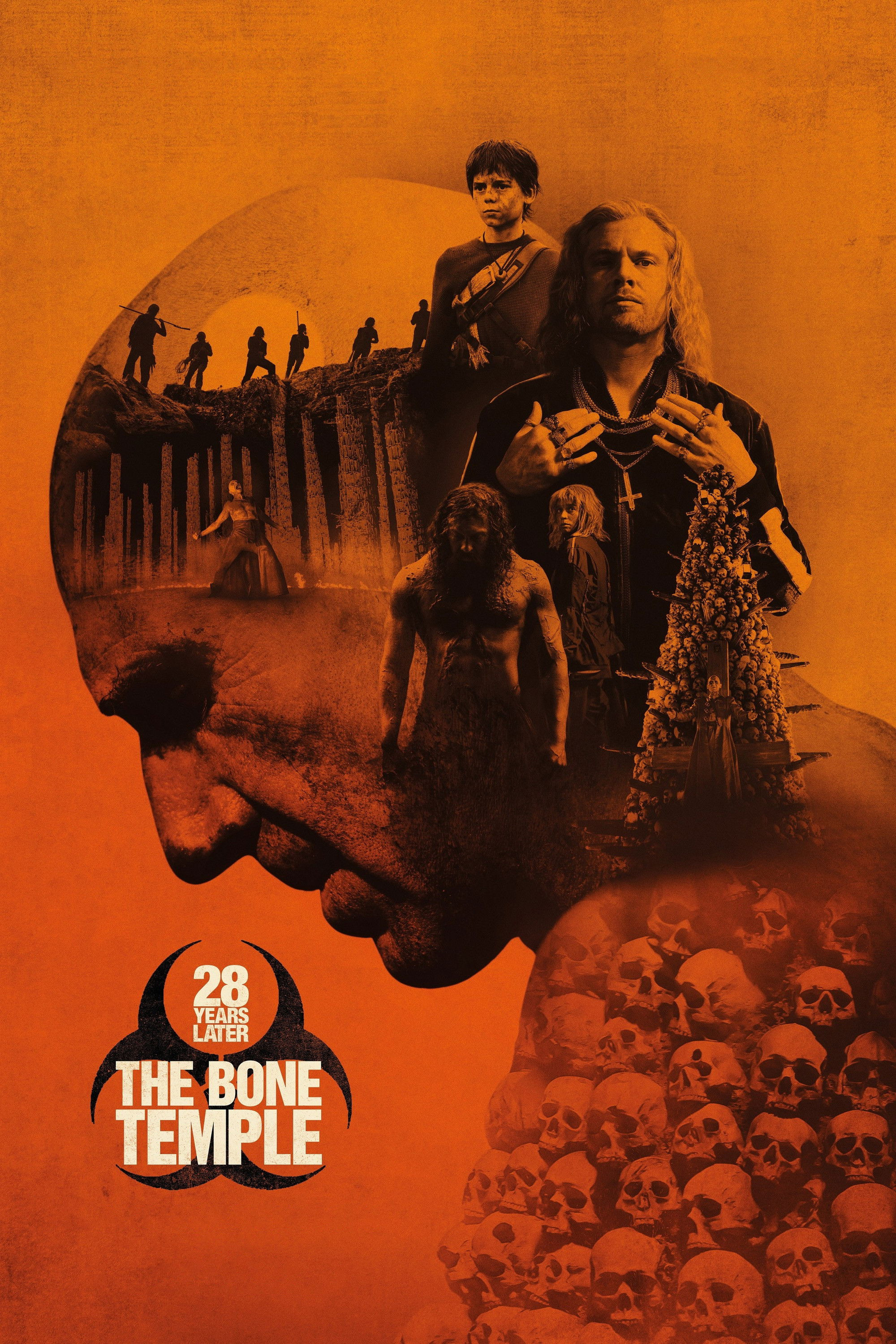
28 Years Later: The Bone Temple - dir. Nia DaCosta
Diminishing returns, interesting ideas, feels more like a TV installment than a real movie, though. Somewhat excited to see the “finale” to the series because it’s back in Boyle’s hands, though I really don’t know that any of this postscript was necessary. It’s hard for DaCosta to cook with useless ingredients, she does alright with what’s given to her I suppose. 5/10.
-
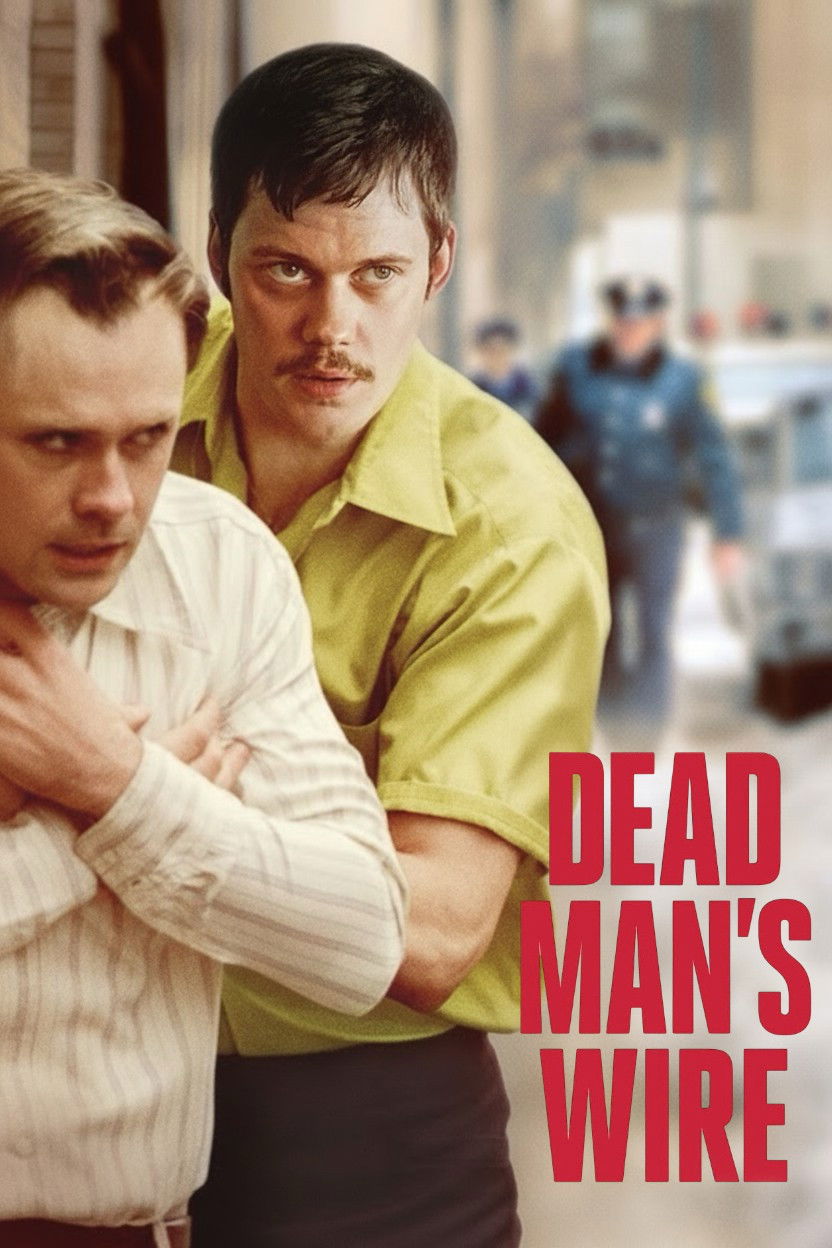
Dead Man’s Wire - dir. Gus Van Sant
Boring. Walked out of the theatre. Skarsgard wasn’t convincing in the slightest.
-
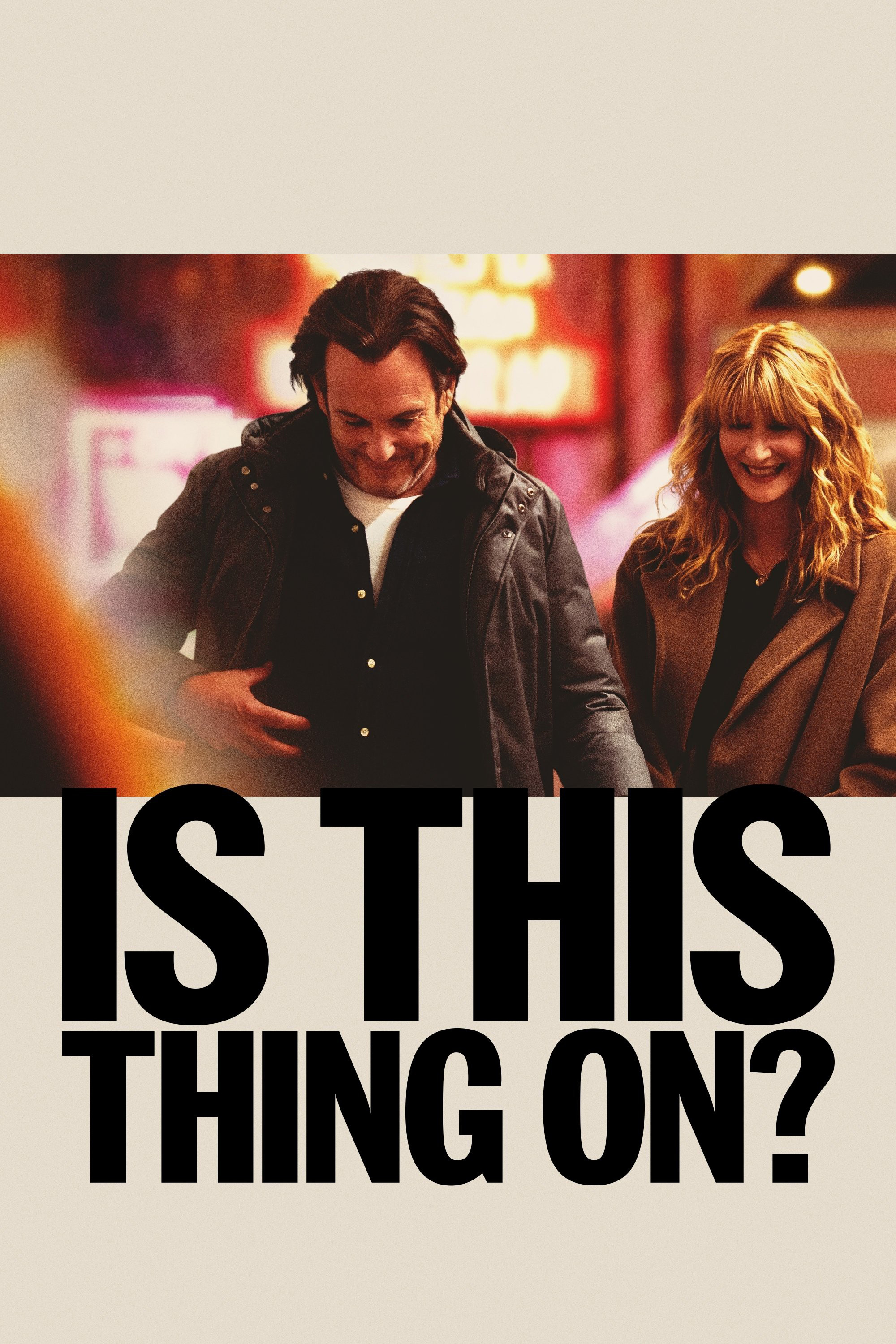
Is This Thing On? - dir. Bradley Cooper
I hope Bradley Cooper continues making low stakes character-driven movies, he really excels at them. He really knows how to direct moments of intimacy. I remember there were a couple of scenes in the first half of A Star Is Born that blew me away, I felt that butterflies-in-your-stomach sensation of falling for somebody when Cooper and Lady Gaga were getting to know each other. And then here there’s a terrific sequence where we see Arnett rush to get to his first big show, and I 100% felt my heart drop the same way I felt the first time I did open mic or whenever I’m about to go on stage as an actor.
What I’m REALLY hoping for, and this might be a reach, is that Cooper taps into his innate appreciation for the relationship between performance and personhood. He could legitimately be a great auteur, he just needs to get out of his own head. And movies like this and Star show a great deal of promise. We can only hope he doesn’t cloy for an Oscar again, because fuck the Academy–play to your own muses instead. 6/10.
-

Highest 2 Lowest - dir. Spike Lee
Painful how badly Lee drops the ball in the second half. The filmmaking ability is all there, the concept is actually very strong and I like what he does with the original, on paper. Of course the performances are mostly solid (at least initially, you can’t go wrong with a Denzel-carried first act).
The idea of a Black music mogul on top of the world, who made it out of the hood on the backs off his love of music only to lose his way and try to hold onto the business to prevent it from being pilfered by the overlords AI, the intersection of greed, Black capitalism, class–it’s all there. At first.
And then we meet the trap rapper behind the kidnapping, and the whole thing falls apart. Lee doesn’t do anything to exploit the class tension between David and his driver, any issues they may have get resolved when the movie turns into a Denzel Washington action vehicle. A big issue with this remake is that it doesn’t have much confidence in the policemen to carry the second half, which is part of what made High and Low work; the diptych story. So instead we get this ridiculous confrontation between Denzel and ASAP Rocky, and Rocky comes off like a total psycho, leaving little moral complexity for David King to contend with. High and Low’s ending, which rocked me to my core, is turned into an old man lecturing a greedy kid about having values beyond acquirement. No attention paid to the irony of David, who was ready to sell out his company for AI, telling this kid with nothing in his bank account that “not all money is good money.”
Honestly, if that was the last scene of the movie, it wouldn’t be too bad. Not good, but not as bad as what follows, which is a resolution to the earlier subplot involving David and his son’s musical discovery. We watch, for an excruciating 5 minutes, Sula sing an incredibly uninteresting and poorly vocalized gospel song, only for David to sign her on the spot after a ridiculous monologue (can you handle the MEMES?).
The movie thus becomes not a reimagining of High and Low within the context of Black culture, but a reimagining of High and Low if it were directed by a self-righteous liberal. 5/10.
-

A Tale of Winter - dir. Éric Rohmer
Rohmer opens the film with a rapid cut montage of sexual bliss and then spends the rest of the film on bourgeois humdrum nonsense, only to end it with the moral lesson of “faith” in the reunion with the “real” love from the beginning. The problem is that I don’t buy it. I was bored and annoyed by the ending. 5/10.
-
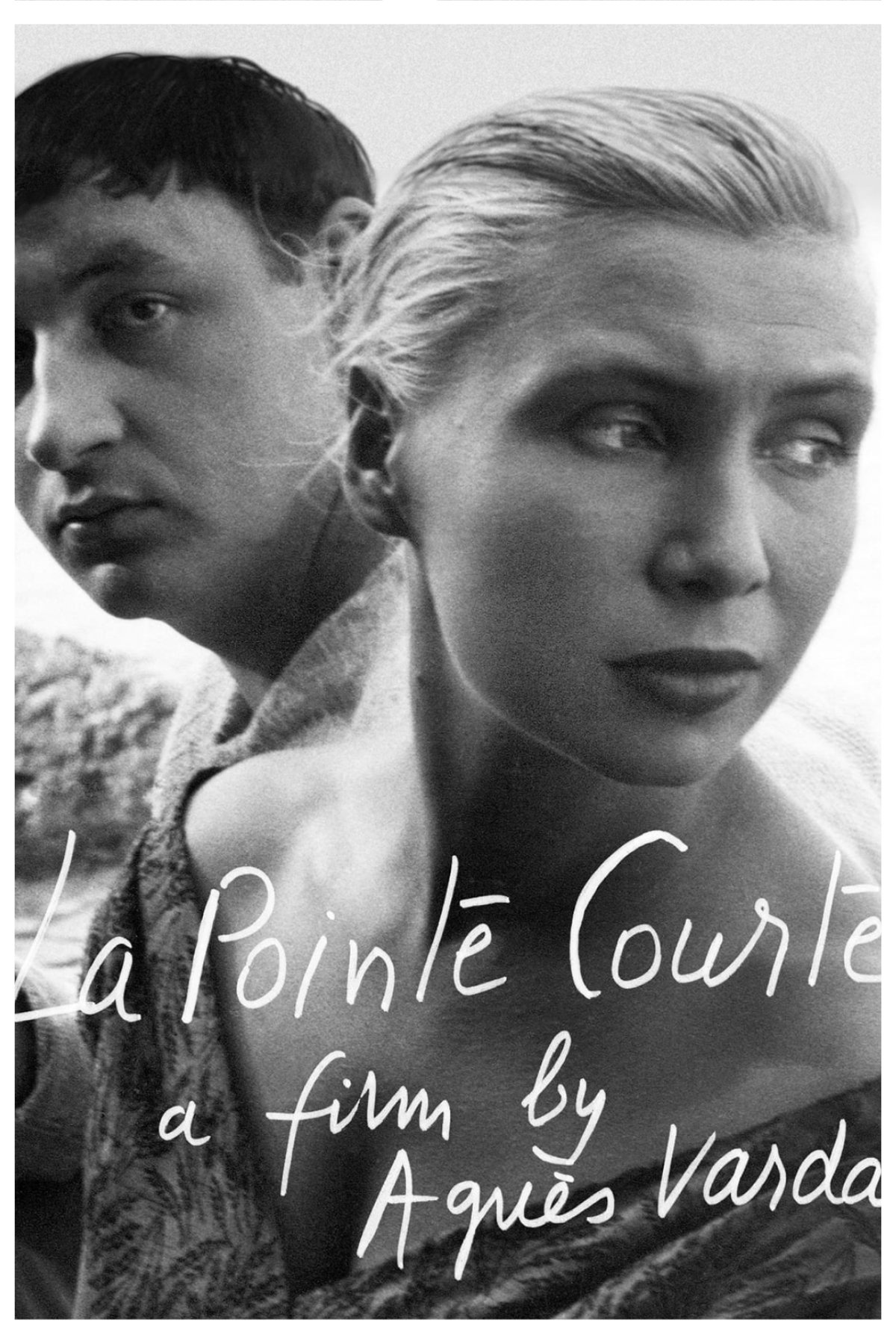
La Pointe Courte - dir. Agnès Varda
Too elliptical for my liking, but Varda’s immediate genius is apparent in her framing and modernistic direction. Some people just intuitively understand cinematic language, she is one of them. Adam and Eve revisiting the ruins of their civilization, debating if the old ways can be continued. The eternal question of the millennium shift. 6/10.
-

Lo and Behold: Reveries of the Connected World - dir. Werner Herzog
Werner was not the man for this doc. Super unfocused and uninvested. Most of the people we encounter aren’t particularly interesting either. Herzog is better when he’s meeting likable fringe weirdos, and he’s also better when dealing with more adventurous subject matter. His observations on the internet or not captivating in the slightest, and more often than not his contributions to the interviews feel forced, derailing the conversation for a shoehorned moment of oddity. 4/10.
-

Tie Xi Qu: West of the Tracks - dir. Wang Bing
I spent a week watching it, and then I’ve spent the last week trying to figure out how I want to go about writing the review, and I have to face it: I’m stumped.
All I know is that this is one of the greatest achievements in the history of the medium. All I know is that you have to be a generationally committed artist to gain the trust of strangers enough so that they let you witness them at their most afraid, angry, and vulnerable.
The part where the boy reunites with his father and he literally cannot contain the torrent of emotion that pours out of him. Literally writhing on the ground. Literally screaming and crying. Furious, relieved, devastated.
And the camera sees it all. It grants us the privilege of witnessing a human being in a primal state of emotional expression.
Words don’t do it justice, but life keeps chugging on.
10/10.
-
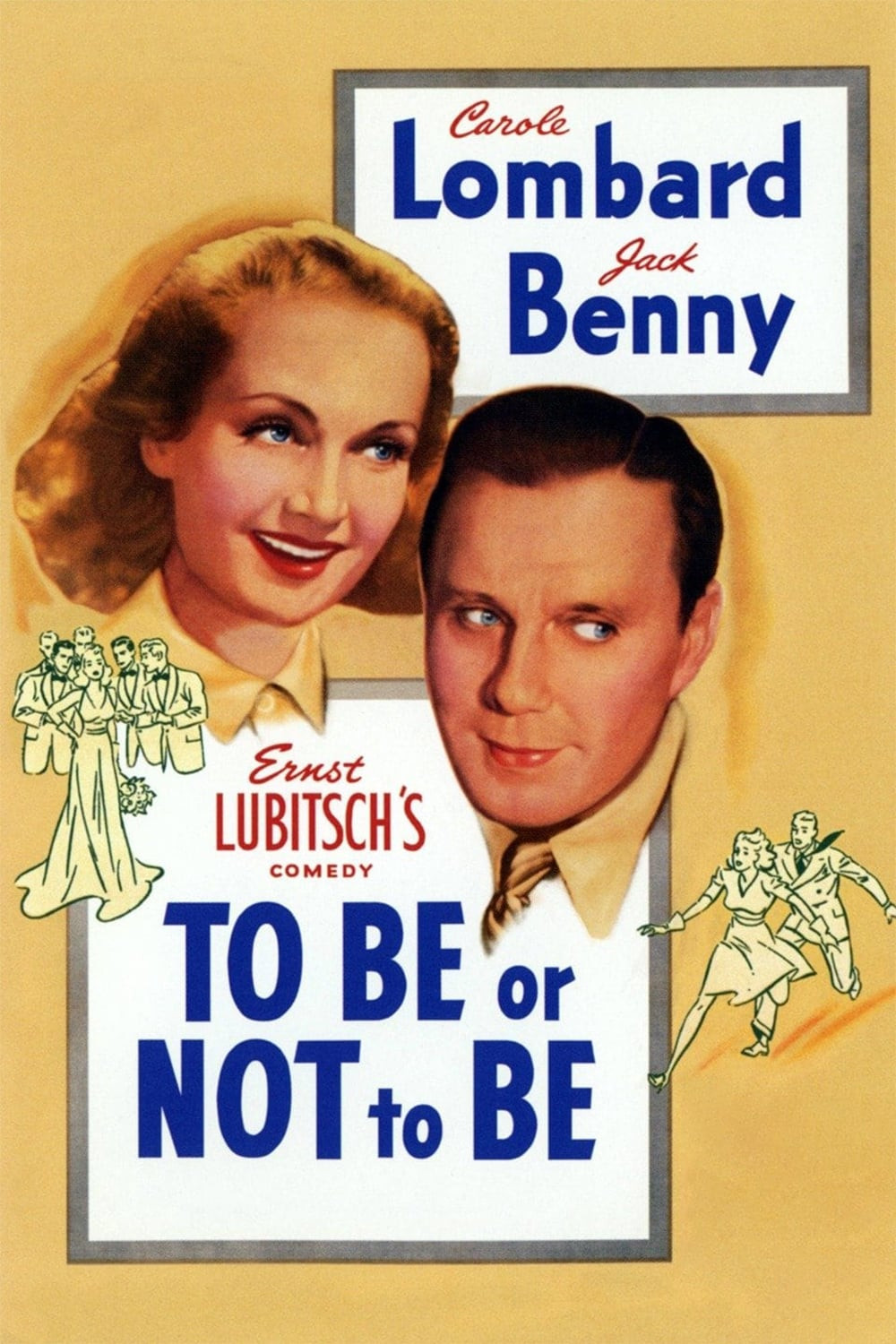
To Be or Not To Be - dir. Ernst Lubitsch
Not my favorite Lubitsch because it goes all in on the comedy and not so much on the romantics (which is what I’m really there for, to be honest) but it is wickedly smart and funny, and it features most of the fun parts of his filmmaking, so I cannot possibly be bored or dislike it. Plus it understands the frustration of being an actor and dealing with a shitty audience. I genuinely wanted to kill Sobinski. I don’t care if he’s handsome or whatever. Put his ass in one of the concentration camps. You do not get up during THE monologue, you fucking shitstain.
7/10.
-

Trouble in Paradise - dir. Ernst Lubitsch
It’s Ernst Lubitsch so it’s perfect, but what gets me is the specific way in which it is perfect; not through anything unnecessarily convoluted but in its romance and playfulness. The more film I watch the more I appreciate these little flourishes, that aren’t showoffy but delicate and timely, like when Lubitsch harkens back to the same joke of panning across windows with a music sting to reveal a punchline/dose of critical information for the plot to complicate. Or when characters stand up at the same time. And sit back down. And then stand up. The repetition in this film is so delightful every time. I feel like a kid watching a seal perform with a ball on its nose, clapping like a dummy for the tricks.
I caught this one moment where they tried to do a pan and you could see the cut because they didn’t get the shot right in one take. It was a mistake but I even liked that the mistake was kept in. Maybe that’s the auteurist in me excusing nonsense. Maybe I just think there’s something magical about that old-world imperfection. Maybe I’m crazy about games played in love, communication through insanity. What’s the point of fucking if it’s not fun? And for a movie from the 30’s, it’s a lot of foreplay. The most foreplay, even. I swear to god if cutting wasn’t an option in this filmic medium you’d probably get sex scenes between all the dialogue!
9/10.
-
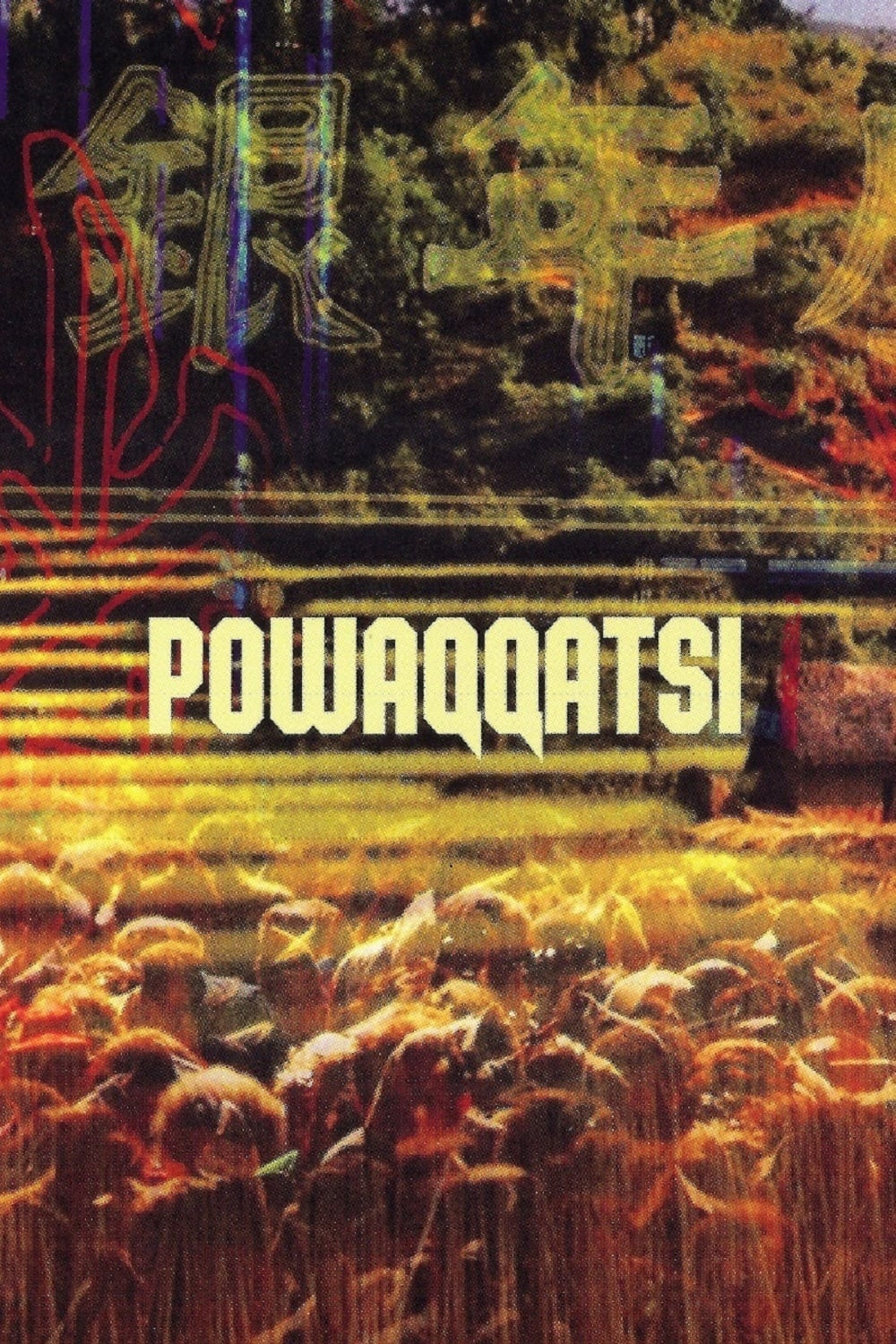
Powaqqatsi - dir. Godfrey Reggio
The vision for Koyaanisqatsi was stronger not because the images were necessarily better but because the subject demanded far less from the editing room. The transition from natural wonder to industrial process to consumerism can be done with only images. The exploration of third world exploitation can’t really be conveyed without a lot of strong cross-cutting, and I don’t think Reggio’s got a good grip on what he’s saying with a lot of these shots. I hate to say it, but it does feel like mawkish poverty tourism in a way Koyaanisqatsi never once did. I recently watched Tie Xi Qu by Wang Bing (review soon, one of the greatest movies I’ve ever seen in my life) and it gets at these ideas more prudently. 6/10.
-
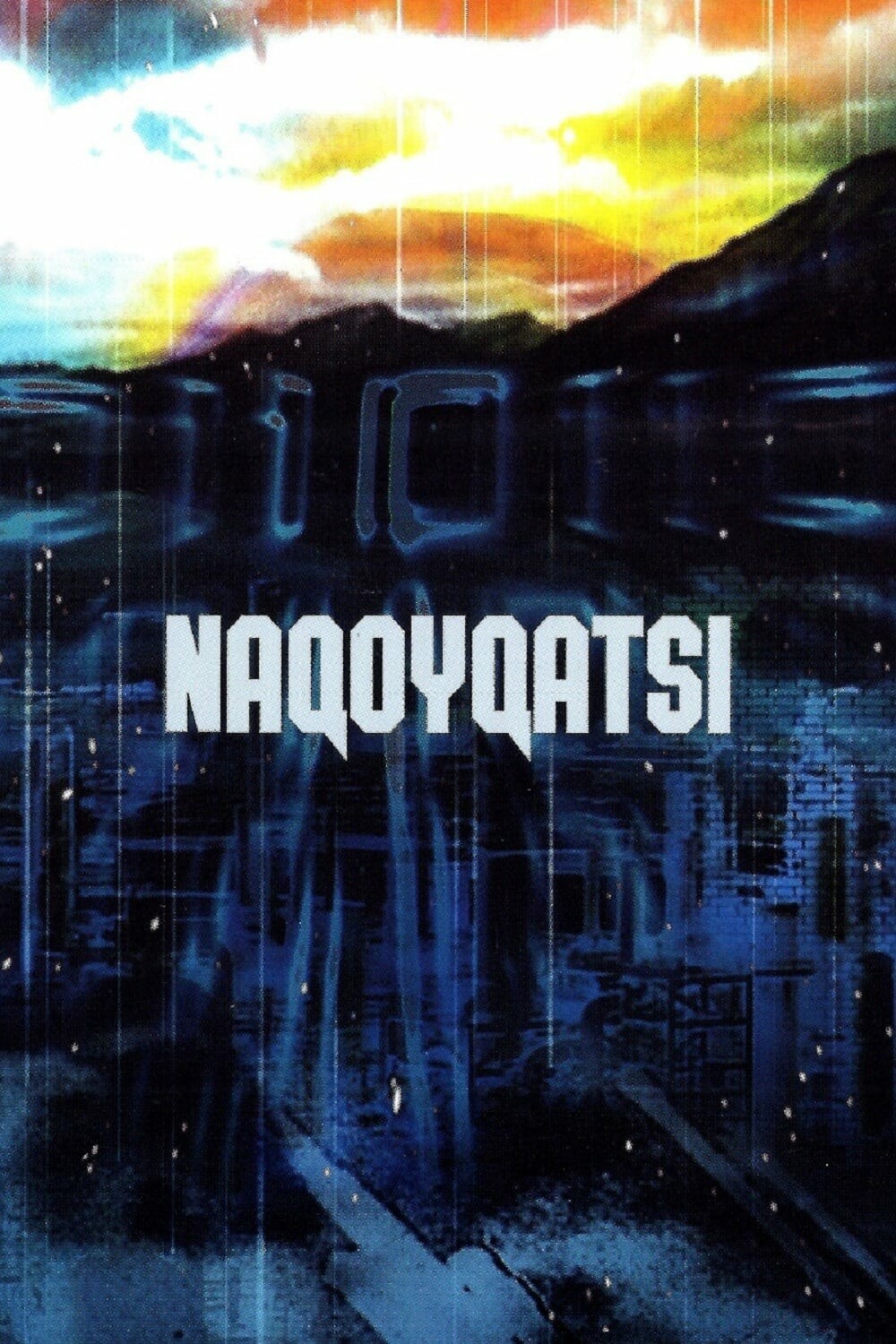
Naqoyqatsi - dir. Godfrey Reggio
My favorite of the trilogy, which I expected, but not so decisively. Everything Reggio sets up in the first installment pays off in dividends here, where the extremity and the achievement of man and nature is digitized into raw information, all glory to god a binary code with simple instructions for a newly virtual society. Near the end we even get something akin to a flashback, where Reggio and Glass mournfully pan over the natural vistas with sumptuous awe–and yet it can’t be reclaimed. Something is off, of course it’s off.
I can imagine why this didn’t play well with audiences back in the early 21st century (though I suppose we are still in the early 21st century). The gift of hindsight helps, because watching this now, the idea of “life as conflict” or “life as a virtual game” becomes prescient when we realize just how much wealth and power has been generated by mere numbers. This was even before the 2008 recession. It used to be that if you were rich, in theory, it meant you possessed land on which things were produced. Now you do not even need to produce anything to be wealthy. Now every business is a scam. Now every customer is a potential sucker who can be manipulated into falling through advertisement-based algorithms. Now you can even bet on who will live and who will die.
The progression through the trilogy is perfect. First we convert nature into a product. Then we export that production line overseas. Finally, we become products ourselves, fighting for our value as humans in a free market competition for who can descend to hell the slowest.
I wonder what Godfrey Reggio thinks of Kalshi. 9/10.
-

Fitzcarraldo - dir. Werner Herzog
Kind of a shallow movie that relies on you being keenly invested in Fitzgerald’s ambition to work. I simply didn’t care about his dreams enough. 5/10.
-
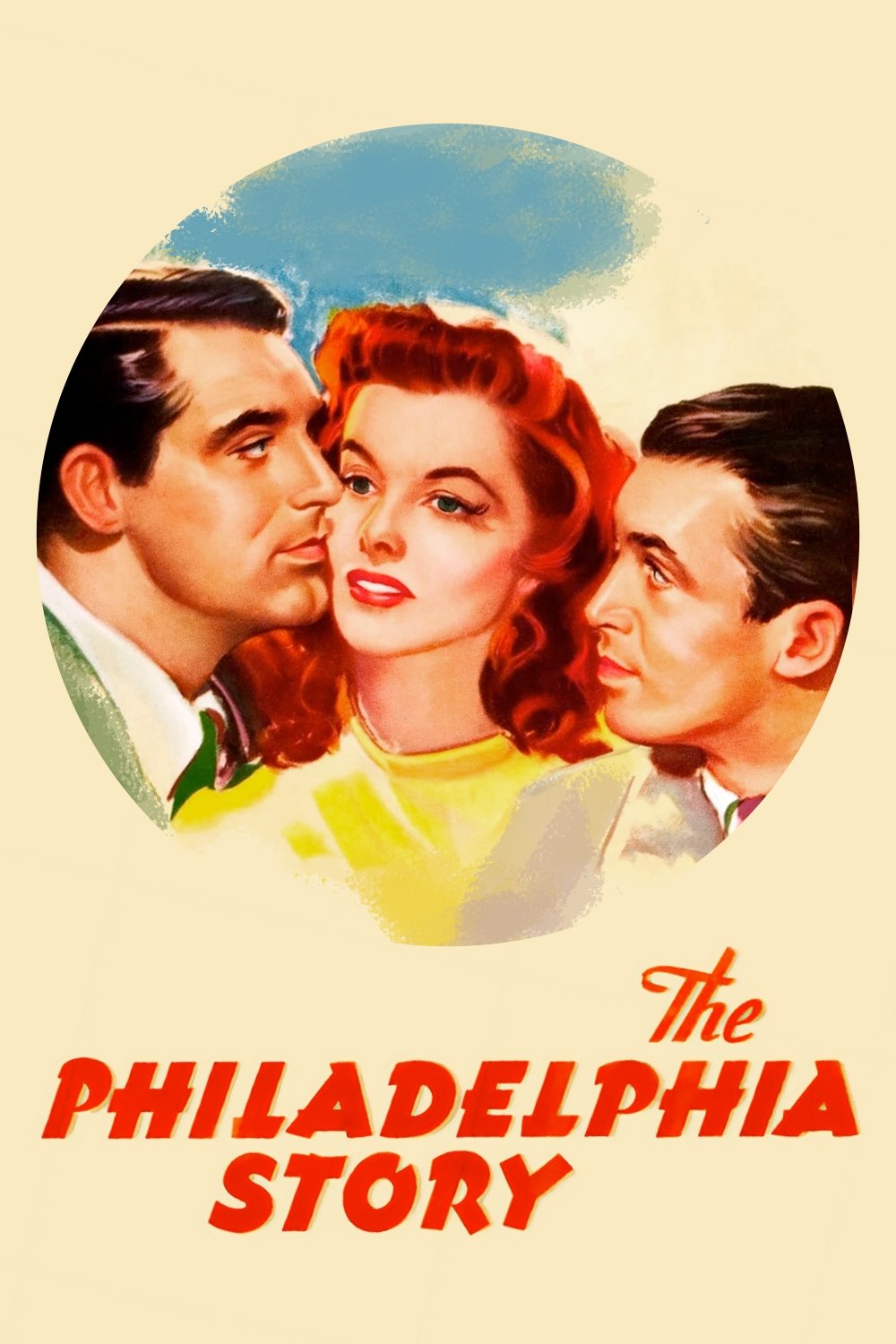
The Philadelphia Story - dir. George Cukor
Charming if not conservative in its “class analysis.” It didn’t slip my attention that the resolution to the whole story rests on Hepburn choosing to remarry a fellow rich asshole who shoved her in the face (even if it is kind of a funny visual gag to open your film with) instead of the obviously better pairing in Jimmy Stewart. In fact, the whole story is a bit of a head scratcher, but Cukor is an incredibly proficient director of manners that you don’t notice how vapid it really is (a compliment, I swear). I just don’t think he’s nearly as good as Lubitsch, who does a lot more with similar types of material. I never quite bought into the romance here, even if Katharine Hepburn is totally fucking electric.
6/10.
-

Dr. Mabuse, the Gambler - dir. Fritz Lang
I was admittedly intimidated by the five hour runtime of this silent film, but when I put myself in the mindset of a German kid circa the Great War watching something like this for the first time my imagination was captured.
Dr Mabuse is a Nietzschean figure in the way he imposes his overwhelming will on other people. It is not merely that he is a mastermind, it is that his power extends outwards like tendrils from the underworld to the surface, which is why Fritz Lang sets so much of the film in seedy underground bars and gambling dens. As always with Lang, the interiors and the exteriors play double meaning.
It is surreal to think that within ten or so years the Germany Lang depicted would transform into something so utterly unrecognizable, but such is the nature of fascism. The Mabuses of the world take advantage of the weak-willed and turn them into pawns to seize power.
Looking forward to the next Mabuse film, which takes place around the time the Nazi party was seizing control of the country. 7/10.
-
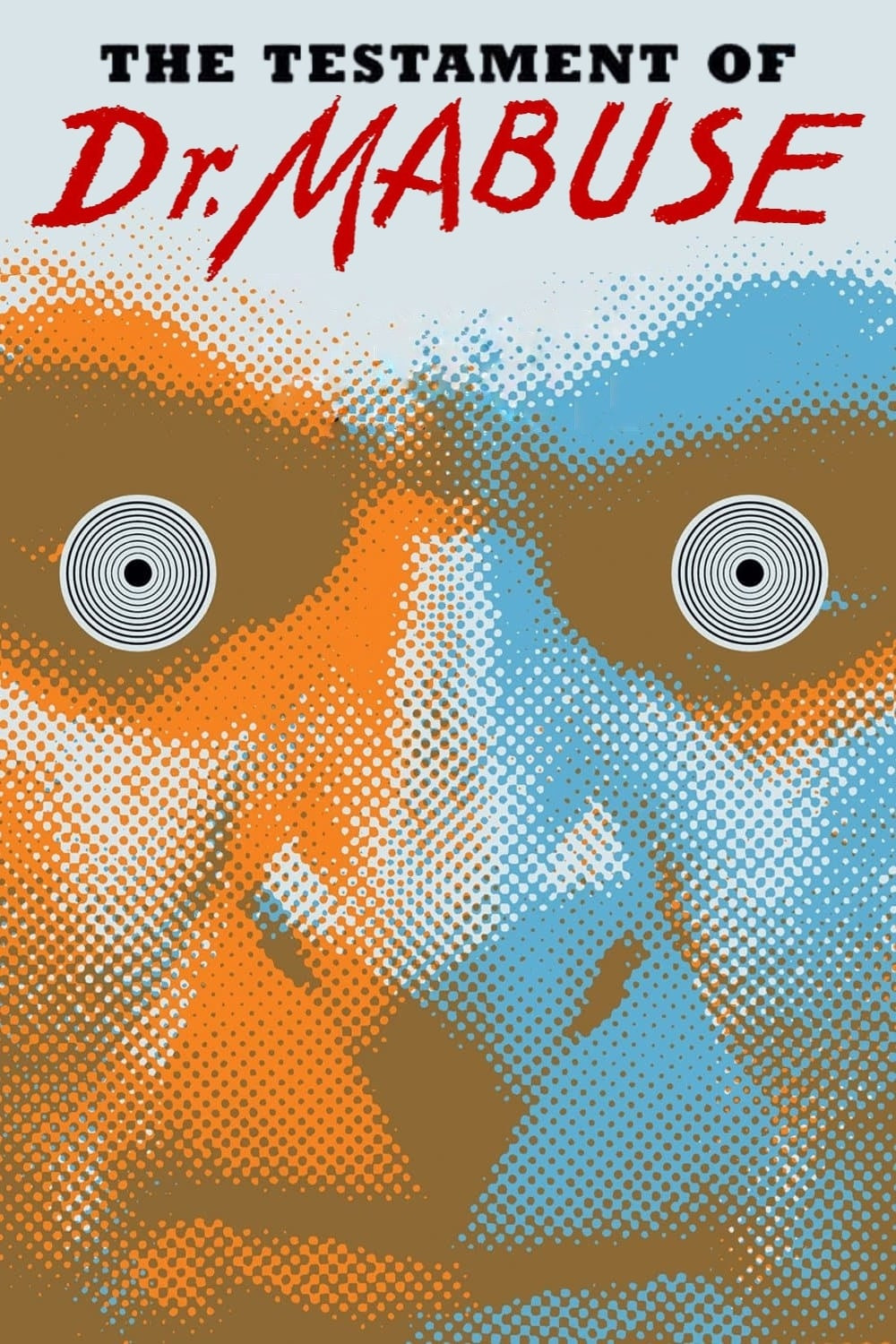
The Testament of Dr. Mabuse - dir. Fritz Lang
Wanted and expected to like this more but what I think I realize now is that Lang’s crime narratives are his least interesting to me. Too methodical and precise for my liking. Conceptually this is very much my thing, though, so maybe I’ll give it another go at some point. 6/10.
-
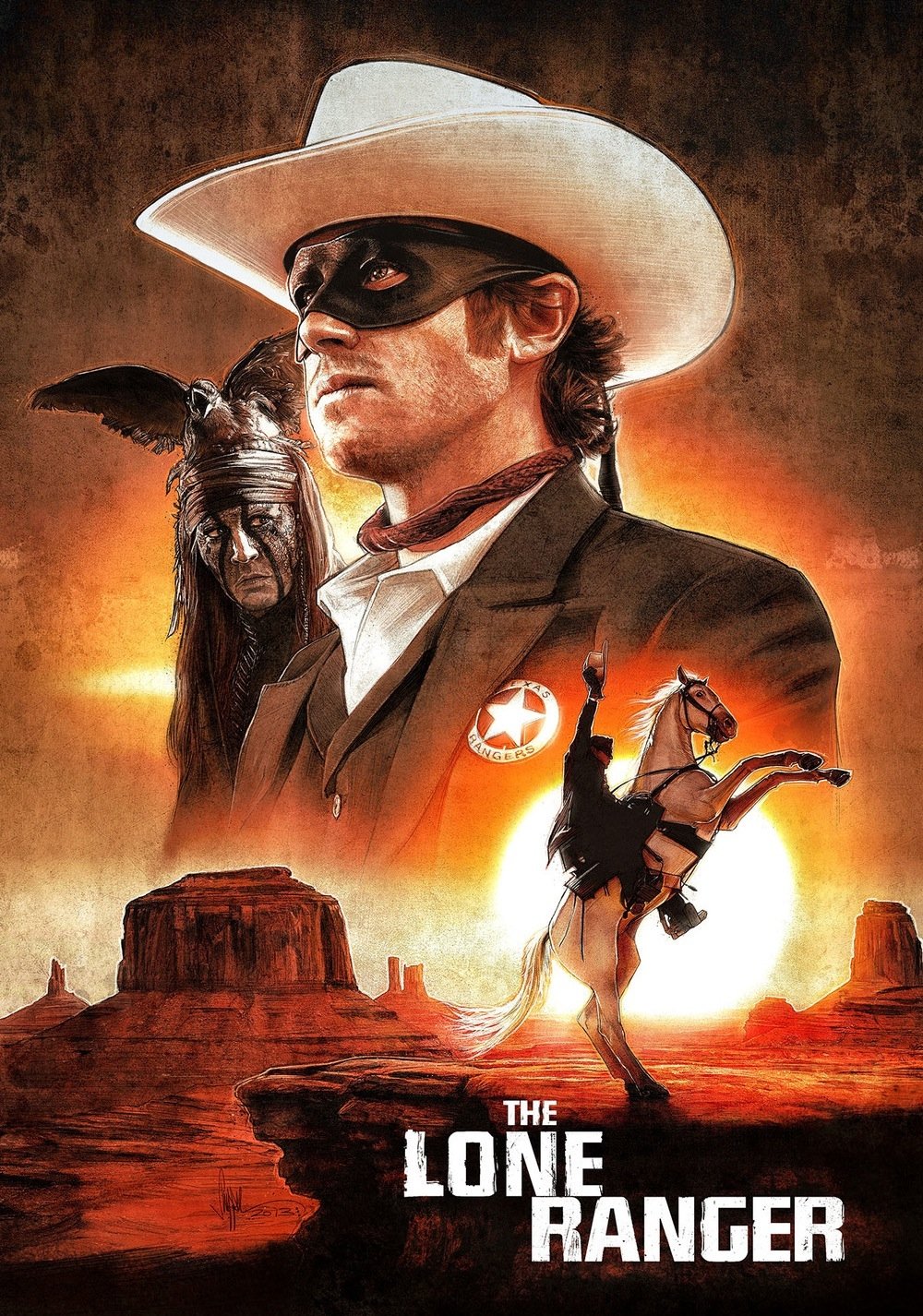
The Lone Ranger - dir. Gore Verbinski
A kid with circus peanuts hears a yarn of the old west. Hard not to think that the kid is Gore Verbinski. Hard not to yearn for something that was never real. Hard not to feel cheated out of something glorious. The best westerns, the ones that we still talk about at least, understood the contradiction between what was promised and what came to pass. The ideals versus the praxis.
Conceptually, the film does so many things right. The military defaulting to defending property over “law” (or the way in which law is more of a construct for property protection than justice). The ranger becoming more of a paragon of masculinity without any of the needless toxicity.
Also helps plenty that Verbinski is one of the last great Hollywood directors of action sequences. A good time, unsure of why it has such a bad reputation beyond the racially inappropriate casting (which can easily be explained by the strong possibility that the film doesn’t get made without a star in the role of Tonto).
7/10.
-
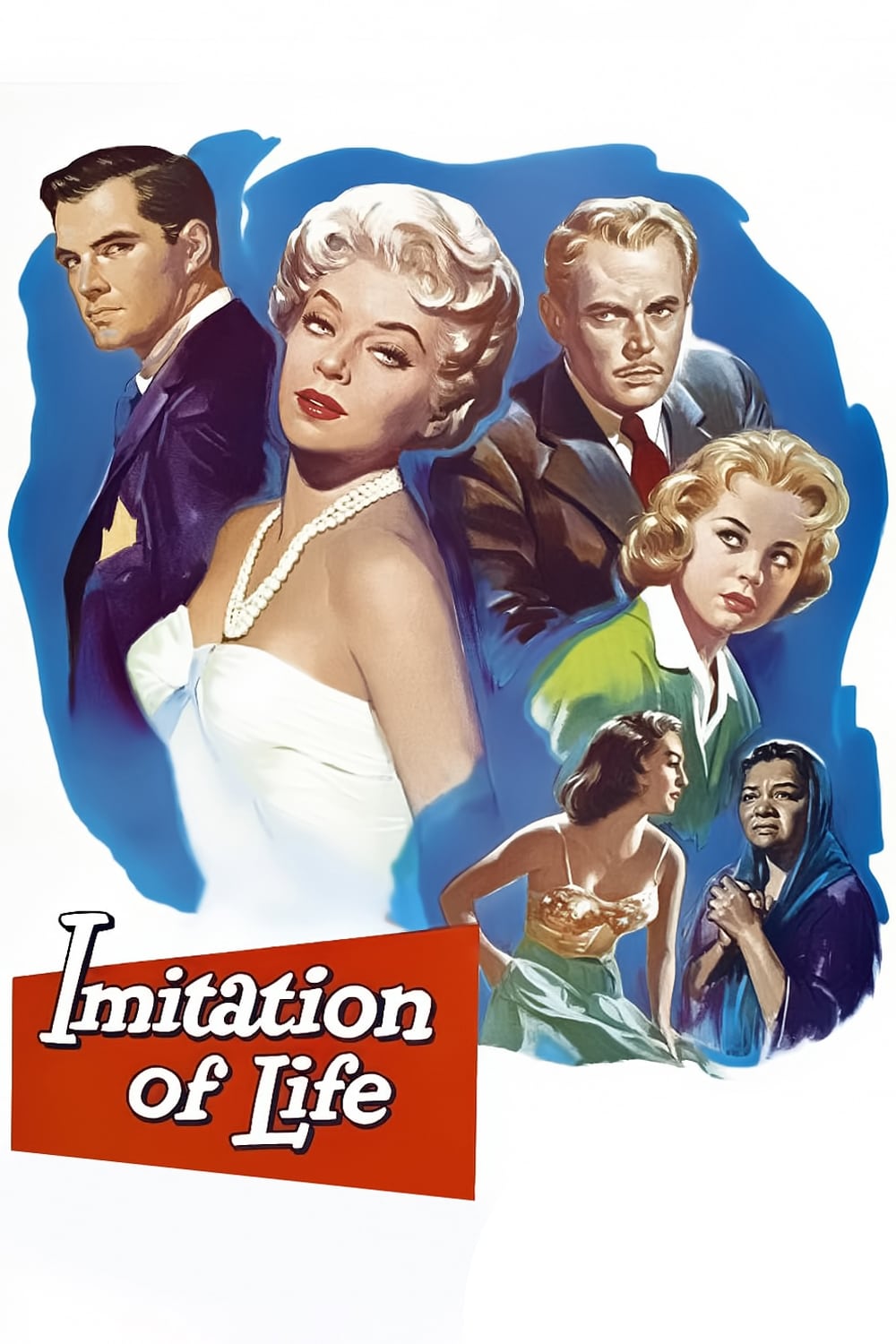
Imitation of Life - dir. Douglas Sirk
First of all, what a shitty poster. The two most important characters of the film relegated to the bottom right corner. Not docking points or anything, just an observation.
I’m conflicted about this film. I don’t think it handles any of what it talks about with any of the authenticity it demands. It may be graceful and pristine and candy-colored as any Douglas Sirk technicolor melodrama, yes, but man… what’s going on here? Why is Annie such a doormat? The depiction is so patronizing it legitimately offends me. I don’t buy it at all, sorry. I’ve never met a single Black woman in my entire life who is this passive to her own humiliation, and I’d bet my bank account this kind of person didn’t exist in the 50s either.
I also strongly dislike the way the film seems to think Lora ought to negotiate her dreams with traditional marriage. Nah, man, I think she’s totally in the right to dump Steve. Fuck that guy. I hated him the entire movie. At the very least, though, the movie doesn’t end with Lora reneging on her ambitions to commit to him, so I don’t think we’re supposed to necessarily want her to. Especially since Sirk spends a lot of time lovingly devoting his filmmaker’s gaze to the homes and luxury she acquires.
The character of Sarah Jane is so weird to me, and I can’t speak too much to what she’s supposed to be. The best scenes in the movie are when she and Annie part ways, and the very end, when she crashes the funeral and sobs over the casket. It’s sad stuff, and I think what saves this whole portrayal (a white actress playing a self-loathing mixed-race girl) is the melodramatic empathy we’re prodded into giving her. The scene where she gets beat by her boyfriend is really fucking tough to watch, it’s hard not to understand where she’s coming from when she literally suffers violence (and loses a job as an exotic dancer) because of her mother’s race. Consider how seemingly effortless it is for Lora and her daughter to advance in the world, all Lora has to do is bat her pretty blue eyes and the stars align. The only course Annie gets to chart for her and Sarah Jane is to tag along on the coattails of the generous whites. The dolls’ house favors the blonde doll.
But that’s the white world, man! The only scope we get to view these black characters through is a white microscope, which I don’t hold against Sirk–he’s a German guy–but I do have to question some of this film’s logic. I just don’t know if I really buy it. It’s a beautiful picture, though.
7/10.
-

Written on the Wind - dir. Douglas Sirk
The more wealthy a character in a Douglas Sirk film becomes, the less happy they are. Compare Written on the Wind to All That Heaven Allows. The latter is a sad movie, sure, but it is nowhere near as bleak–Cary is still granted her happy ending, once her property has been dissolved and she fully accepts Ron’s working class way of life. Cary’s middle class suburban life eats at her soul. Hope is not lost, though, since the proximity between her status and that of Ron’s is tenable.
To contrast; Written on the Wind’s family of Hadleys are so obscenely rich that they can casually fly cross-country, buy out opulent hotel rooms, and own the only nice piece of property for miles. Everything outside of their mansion is pure American wasteland, they’re almost like gnats sucking out the lifeblood of their community. Sirk’s images are vicious in this movie. The Hadley family is almost irredeemably rich, filthy rich, disgustingly rich. And their wealth doesn’t just make them miserable, it impairs their social skills. Marylee and Kyle are dysfunctional.
Sirk’s work is not high art. It’s paperback trash. But he’s not ironically working off that material, he’s actually really into it. He’s treating exploitative, tabloid type material as if it’s high cinema. I think the dichotomy of Kyle and Mitch speaks to this idea.
Kyle and Mitch’s friendship disintegrates because each of them represents everything the other cannot have. Mitch is responsible, hard-working, and confident, traits he acquired from being forced to earn his place in society. Kyle can afford to be none of these things. The exploitative part comes from the trashy way Sirk categorizes the two men. Mitch is big, strong, wins fights, is pursued by women. Kyle is shorter, infertile, loses fights, and gets emotionally cheated on by his wife as well as his sister, whose entire character motivation is Rock Hudson’s penis.
Let’s be honest; this IS low-brow trash. But that’s why it’s so electric. Sirk leans into the melodrama without losing sight of the characters and the colors of their emotions. Proof that filmmaking is less about the material and more about what is done with it.
9/10.
-

Magnificent Obsession - dir. Douglas Sirk
The fulcrum of this melodrama is that to be fulfilled as a human being you must sign away the debts people owe you, forgive them all, and act in full equanimity to the world. There is an unexpected spiritual dimension to this, even a kabbalistic quality to the connection between all debts accrued and unpaid, in that the universe keeps a tally of these micro and macroscopic exchanges; the smallest of molecules colliding with the largest of feelings to reward the obsessed. The more devoted you are, the more your life is deepened, the more your loves are nurtured.
-
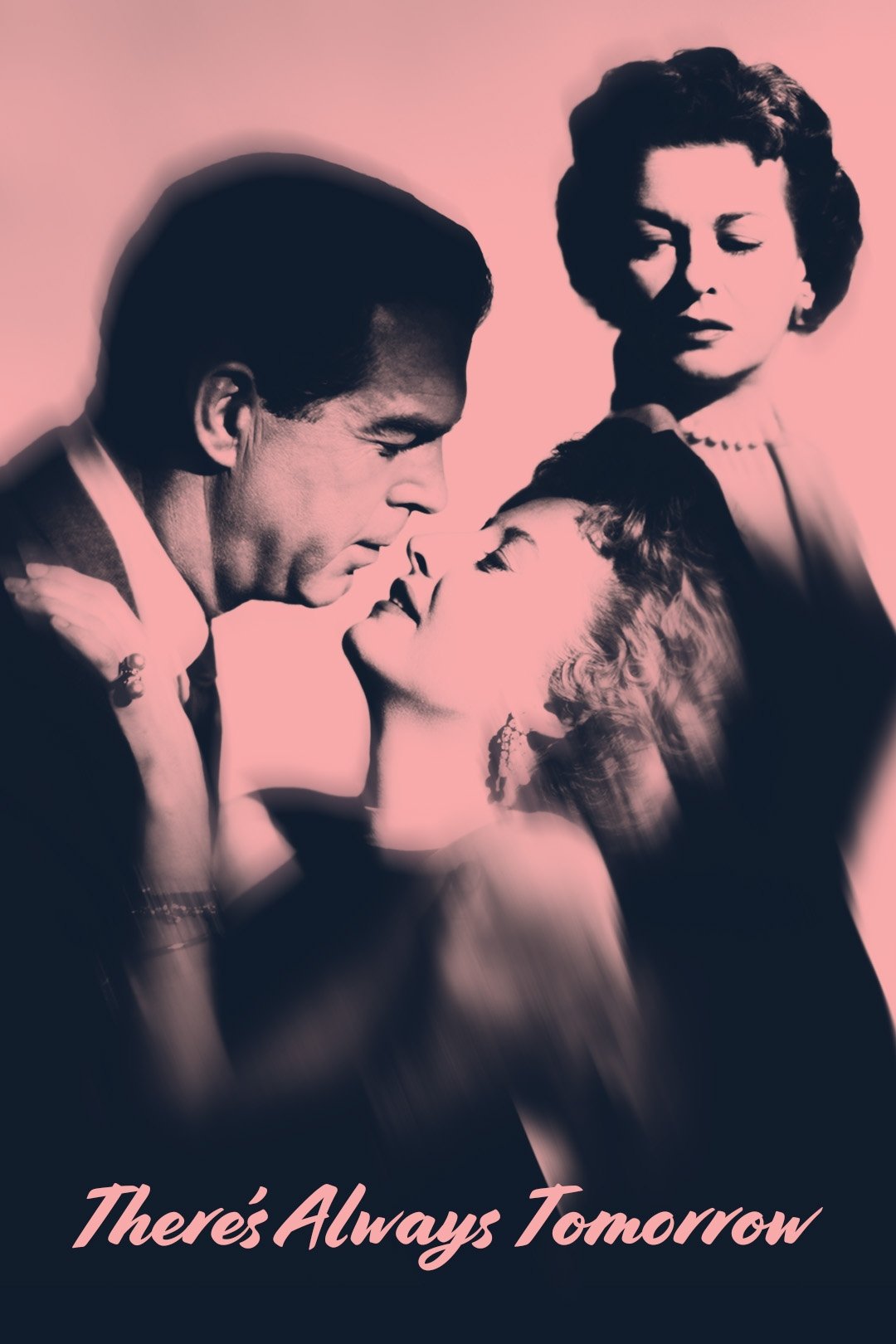
There’s Always Tomorrow - dir. Douglas Sirk
An interesting experiment from Sirk, the director of women’s pictures to essentially insert a male lead into his melodramatic formula. This is the struggle of someone who thanklessly works for their family for years and then has the opportunity to find love in an extramarital affair and does NOT!
The temptation for many a reviewer will be to dismiss Cliff’s problems since he is a man and for many progressive types men aren’t really supposed to vocalize their issues lest they be a little bitch who need check their privilege. Even I was kind of anti-Cliff in the beginning because of this bias, though that might’ve been by vague dislike of Fred MacMurray.
Then I was fully behind Cliff once he talked to his wife about it and she seemed like a hollowed-out kewpie doll in response, zero understanding or empathy. There was something deeply horrifying about that scene. I don’t know how you can be married to someone for 20 years and then come to a crossroads where it becomes evident you guys are speaking two different languages. Scary stuff. 6/10.
-
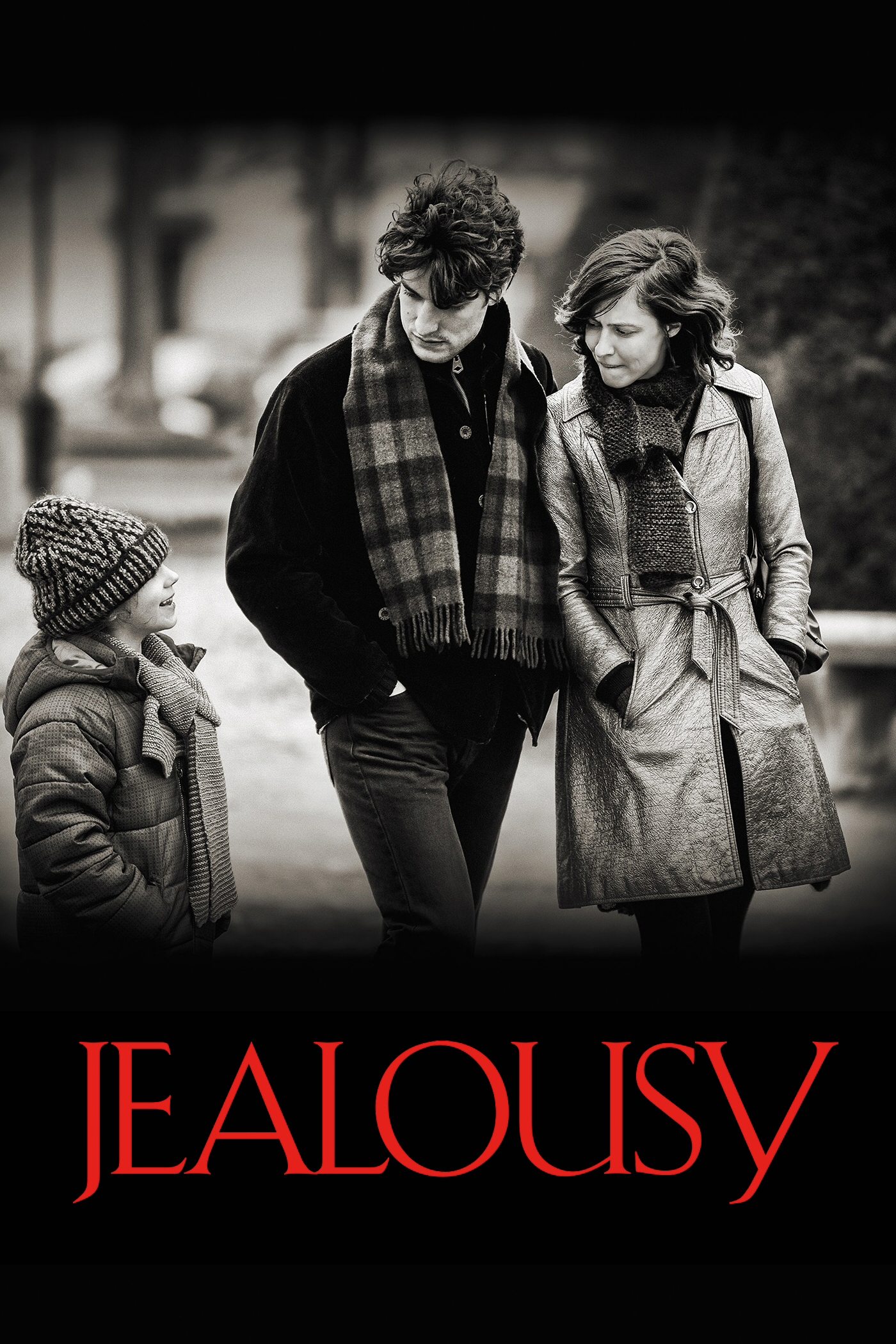
Jealousy - dir. Philippe Garrel
In which Garrel deliberately avoids any closure, emotional release or performance and the lines between the screen and the life are muddled. Very much my thing, you’ll almost never go wrong with me if you obfuscate your character’s inner worlds and play melancholic guitar music over it. Dark French folk, I’ll call it. Black coffee, sobering in its weathered confidence. 7/10.
-

In the Shadow of Women - dir. Philippe Garrel
Such a quietly devastating movie, christ. The theme for this month seems to be “reminders of the fragility of the male sex.” I feel like I am continuously reminded by the films I watch of my own failings. Garrel undermines everything. With glances and admissions. It was all pointless in the end. I don’t usually like this kind of bitter nihilism but fuck if it doesn’t hurt good sometimes.
8/10.
-

Lover for a Day - dir. Philippe Garrel
I’ve finally figured out what the main theme running through the work of Philippe Garrel is–disappointment. Bitter, turgid disappointment. Dad’s dating one of his students. She’s nowhere near as mature as he thought he was. Everybody in this movie is letting someone else down. 7/10.
-

Father Mother Sister Brother - dir. Jim Jarmusch
I miss my little brother.
Today I woke up feeling like I hadn’t slept. This happens a lot. I’ve accepted by now that sleep is probably just going to suck for the rest of my life. I make do without much of it. The real side effect is that a lot of days feel like waking dreams. No wonder I only started appreciating Lynch more after battling insomnia for a year straight.
I told my friend Cassie I couldn’t understand how I was feeling. Sometimes it feels impossible to go back home. That’s the best way I can put it. I look at my family and I just don’t identify with them anymore. The first two stories of this triptych were difficult for that reason, it felt like a warning for me to figure out how I’m going to become my parents’ son when we’re all older, otherwise our relationship could get perforated by awkward obligation.
I miss my little brother.
This movie is awkward and tender. Jarmusch operating in the same mode as Paterson, I’m glad he isn’t making hyper-ironic drivel and is going back to what he does best; intimately weird studies in conversation. I was bored, I was uncomfortable, I was amused, I was touched.
7/10.
-

The Meetings of Anna - dir. Chantal Akerman
It’s so difficult for me to watch Chantal Akerman’s movies because they feel exactly like a depressive episode. So when I’m depressed they’re torture and when I’m not in the thick of it it’s like being shown an unrelatable sketch–totally boring. When I realized this fact about myself her work sort of clicked for me in a way that it hadn’t before, so at least there’s that. 7/10.
-
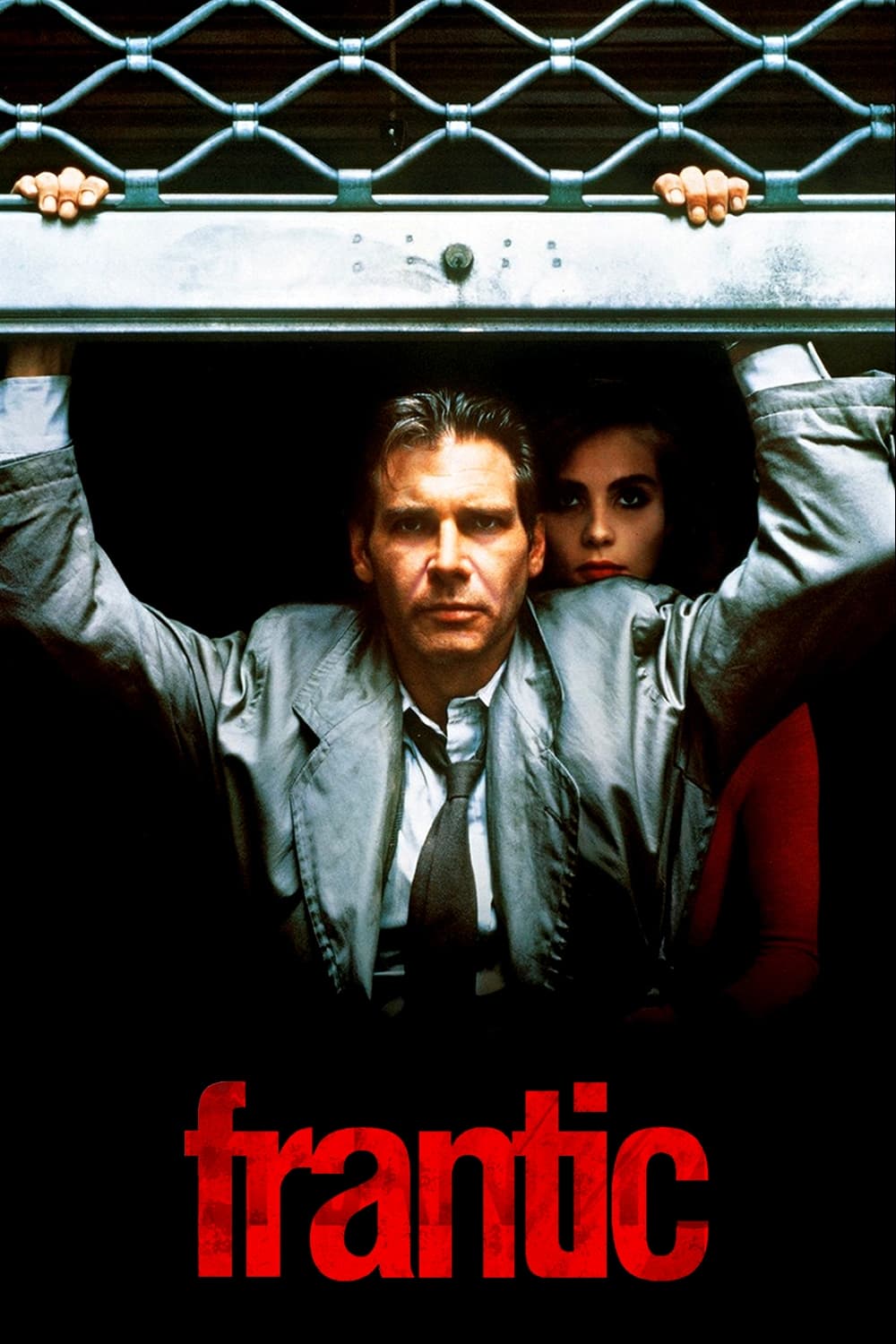
Frantic - dir. Roman Polanski
Honestly, I’d be cool with Roman Polanski being a pedo rapist if his movies weren’t this viciously, aggressively boring.
-
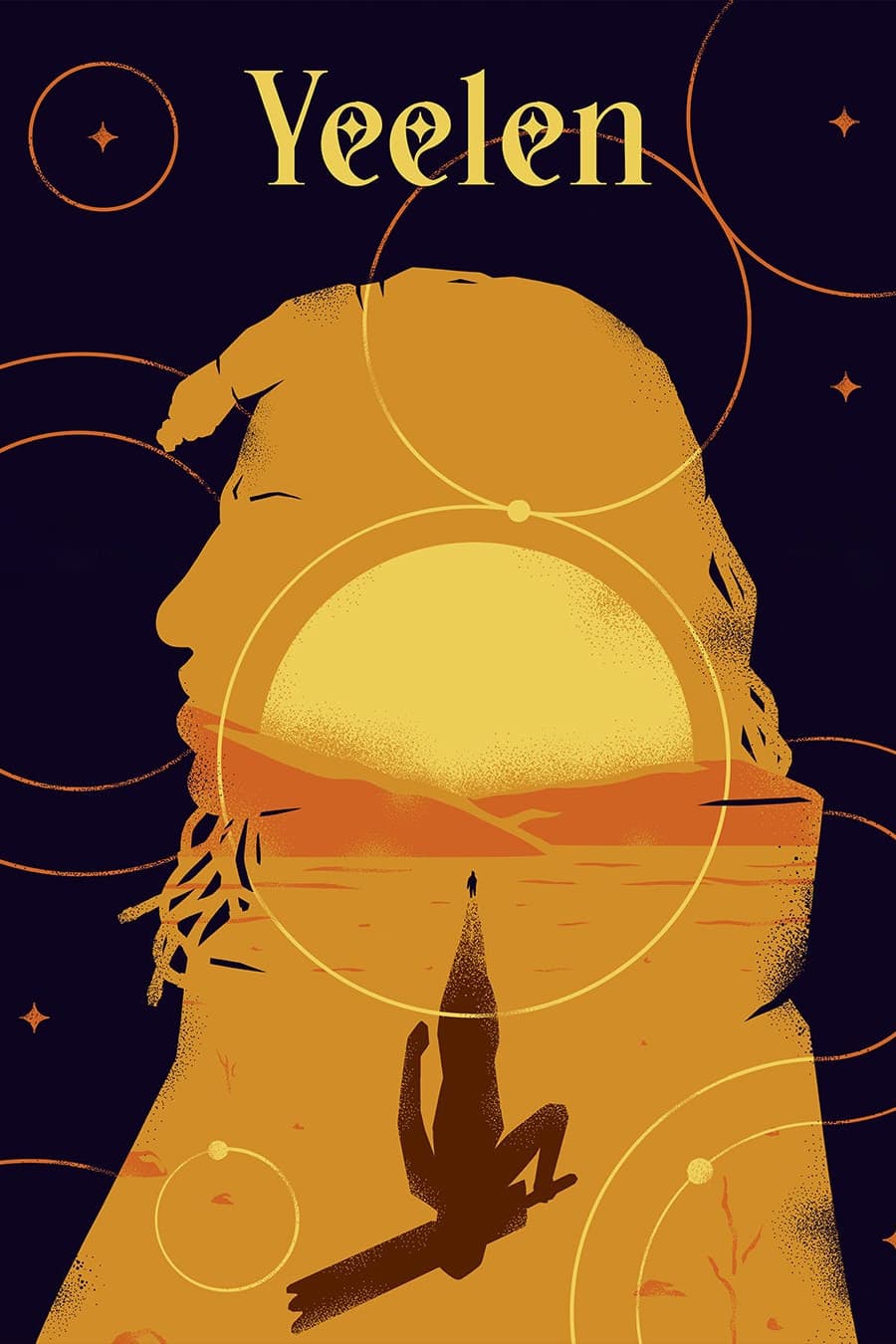
Yeelen - dir. Souleymane Cissé
Beautiful movie ripe for visual analysis. Not sure how much I really got without a good understanding of local mythology. Wish we got more cinema from the African continent at large.
6/10.
-

Bitter Moon - dir. Roman Polanski
So completely evil that I honestly came around from hating it to liking it. Polanski doesn’t just detest women, he detests humans as a whole. The only thing he might love is himself, though he might hate himself too. I don’t usually like to use films as a springboard for armchair diagnosis, but with this film it’s hard not to.
A movie for the people who love his films and leave compulsory performative reviews like “sigh… why did Satan have to make such a good movie…” as if Satan’s authorship isn’t the damn appeal! At the end of the day, you should be honest about your perversions and admit that you’re titillated by the imagination of a scumbag. Either that or just move along.
-
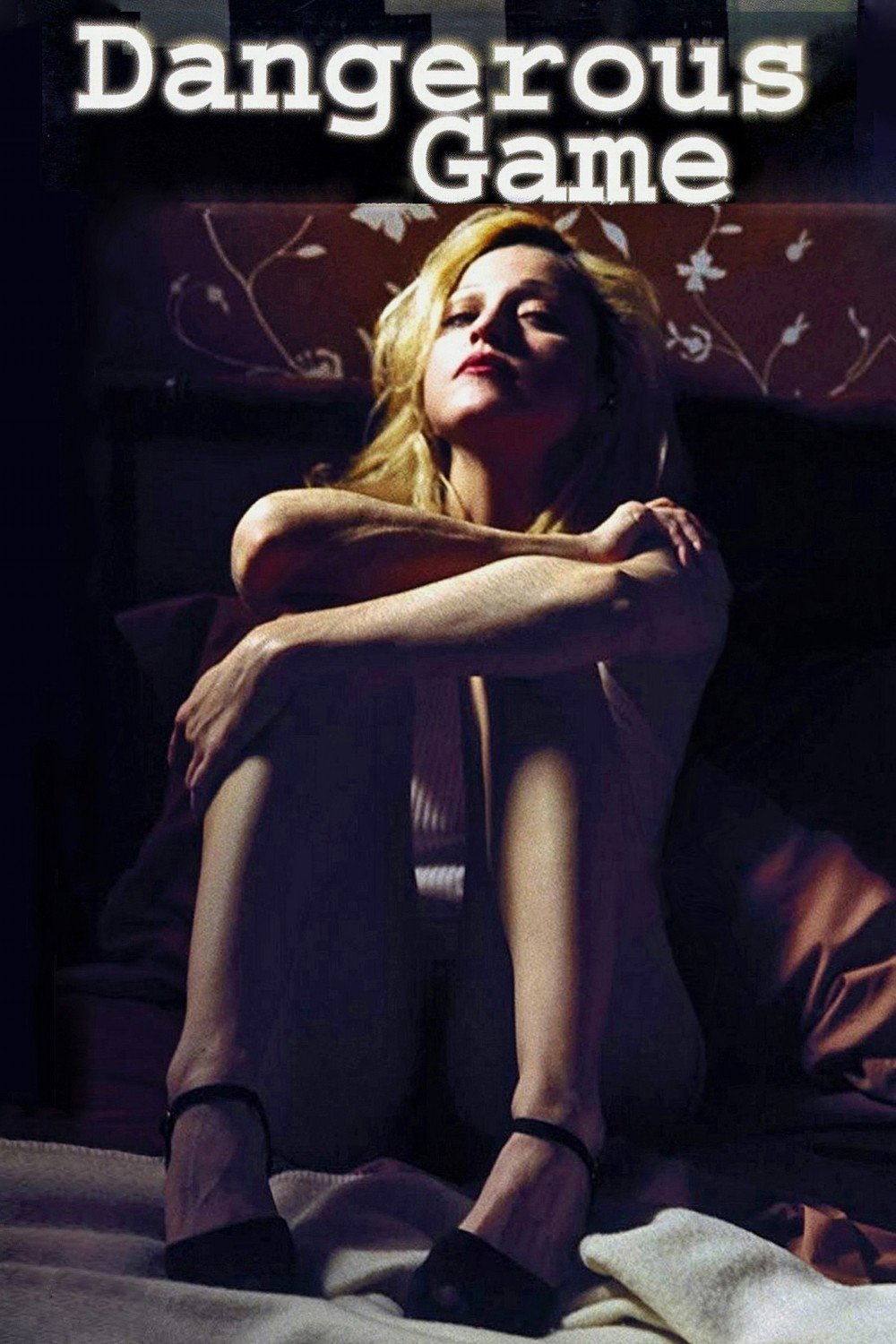
Dangerous Game - dir. Abel Ferrara
Risks taken that no other director would take. Angry, sweaty, drunk, destructively horny. It is literally impossible to write about a Ferrara film without mentioning him at all because his process and personality is so completely entwined with the work itself. I had an argument with my girlfriend recently about separating the art from the artist. I conceded to her that it is impossible. Further, it is unadvisable. You miss so much about art when you ignore the process behind it. That is not to say “don’t watch movies made by problematic drug addicts” but to recognize that the Ferrara behind the camera is a troubled man interrogating his troubles for us to see. 7/10.
-

The Beauty - dir. Arūnas Žebriūnas
Watching this made me think of my girlfriend’s little sister. I’ve talked about this before but there’s an inherent pain in reconciling children with the truth. Just seeing their innocent faces, knowing that the world will not be always kind to them.
I like that Inga is kind of an asshole too, to be honest. An innocent face does not mean perpetually innocent behavior. Kids can be dicks. The nuance comes from the young actress’ performance and the way in which we are continuously asked to empathize with her. 7/10.
-
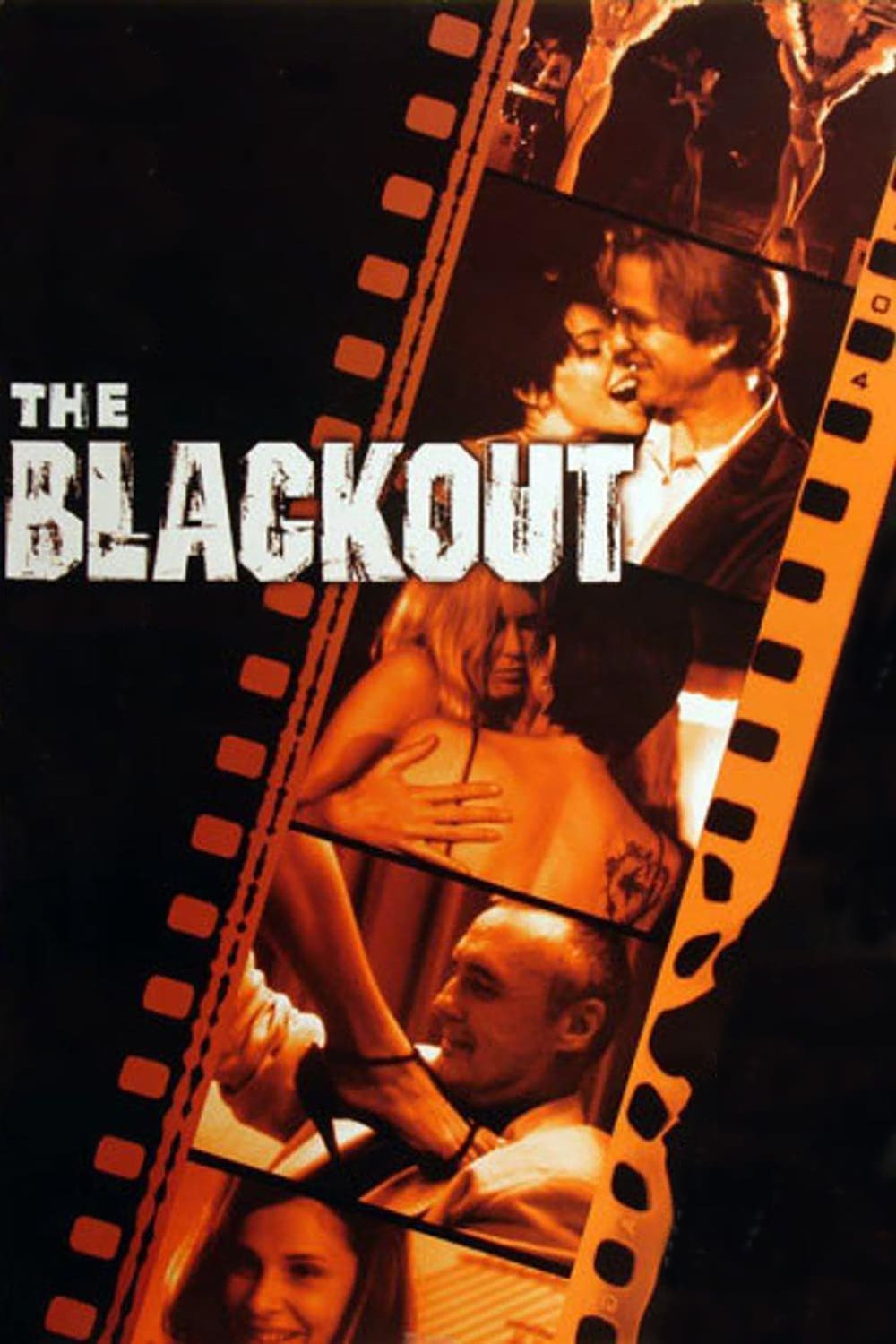
The Blackout - dir. Abel Ferrara
There are details of that encounter that remain utterly vivid still, though the rest is something more like a long-forgotten dream, smoothed out of its pixels until it resembles a rounded off spherical instrument. Less precise. Far less so. I don’t want my own image recorded; I am drunk on the sight of my own image. I don’t want to see her ever again lest I am paralyzed by weeping; I would give anything to remember the smell of her freshly moisturized legs. I don’t want to be reminded of my own pathetic smallness; I am constantly tormented by the agony of my own fury. The body of a beautiful woman is liquor and I am a raging drunkard, putrid and stinking, a hairy ape bent on the destruction of myself and anyone so unfortunate as to be caught in my radius.
Were it worth your time or mine to apologize I would, but “sorry” wouldn’t begin to cut it–worse, I don’t even know what it would be for… me? My own inadequacies? What can I attribute those to? That cry-it-out method my father thought would make me independent? That I was unable to breastfeed without hurting my mother? It’s all so ruinous to admit because all it does is expose the revisionism of my memory. What good is trauma if it can’t even be recalled? What point is there in answering questions to a psychiatrist if the cure is buried under miles-long rolls of film? Film is memory–both can and will be manipulated.
I cannot believe I ever said that to you. Literally. When you remind me of the callous things I once said it almost feels as if you’re talking about another person. I literally cannot wrap my head around the fact that I said those things. Every time I am recreated on camera that is a clone of myself. I shouldn’t be held to the responsibility of the clone. Please don’t make me answer for things my memory cannot aid me in. If I don’t remember telling you something then please don’t hold it against me. I abdicate responsibility for my other self.
Impossible. Absolutely fucking impossible. There’s the paradox. There is the fucking paradox. If I could remember it I would only want to forget it, and when I forget it there is nothing I want more to remember it. To say I have no excuse is the excuse. Let me romanticize my own suffering, nobody else will do it for me.
10/10.
-
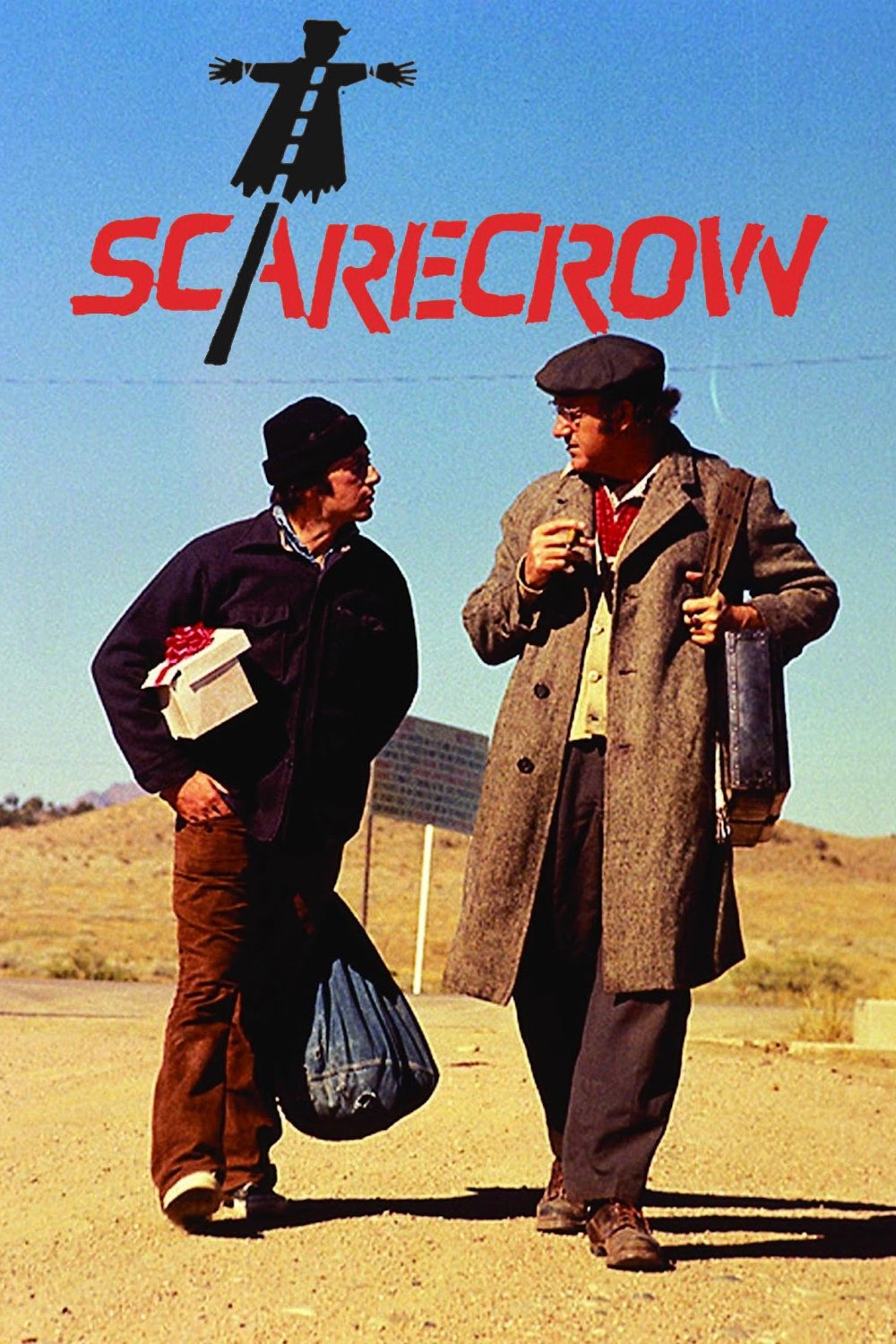
Scarecrow - dir. Jerry Schatzberg
Possesses the subtly deranged qualities of a Cassavetes film, who Andrew Sarris once criticized as “grappling when he should be gripping.” I like Sarris’ characterization of Cassavetes, because even though I like him a lot when he’s at his best, the description is apt when he is at his most precarious. Scarecrow avoids the aimlessness of its 70’s counterparts by keeping its myopia to a minimum, by its sensitivity and the love between its two leads.
I liken Scarecrow to Cassavetes because it is of its ilk, a film about those who we deem mentally unstable trying their damndest and failing to play at normalcy, or at least the perceived sense of normalcy that was most apt to Americans in the postwar economic boom.
People give a lot of props to Al Pacino, and it makes sense because he’s fucking adorable here, but I gotta say I think Gene Hackman was the star of the hour for me. As an actor myself I was taking notes mentally the whole time. This is a difficult part to play sympathetically, as Max is kind of a huge asshole most of the time, so it’s up to the actor to figure out how exactly they’re going to avoid falling into cheap cliches. Keeping Max taciturn but fundamentally loyal was the right call. I felt bad for Pacino after he got beat within an inch of his life in prison but I felt true sympathy for Hackman when he got out of bed to comfort him.
Schatzberg knows how to direct, there is no doubt about that. A hidden talent of the 70s that I ought to keep an eye out for.
8/10.
-

Working Girls - dir. Lizzie Borden
I never really understood what was in it for men when it came to prostitution. Why the hell would you pay a woman to pretend to be attracted to you? It’s so transactional, totally unsexy. But then I realized that it is in fact the transactionality that is the appeal. A beautiful woman that would never give these men attention forced to give them attention at the sharp end of a crisp benjamin. Men get to feel like kings, women just have to keep working. 6/10.
-

Egg - dir. Yukihiko Tsutsumi
Top review talks about how this is about “trauma” and that should’ve been reason enough for me not to come within thirty miles of this movie, but the banner looked so enticing I couldn’t help it. Big mistake. 3/10.
-
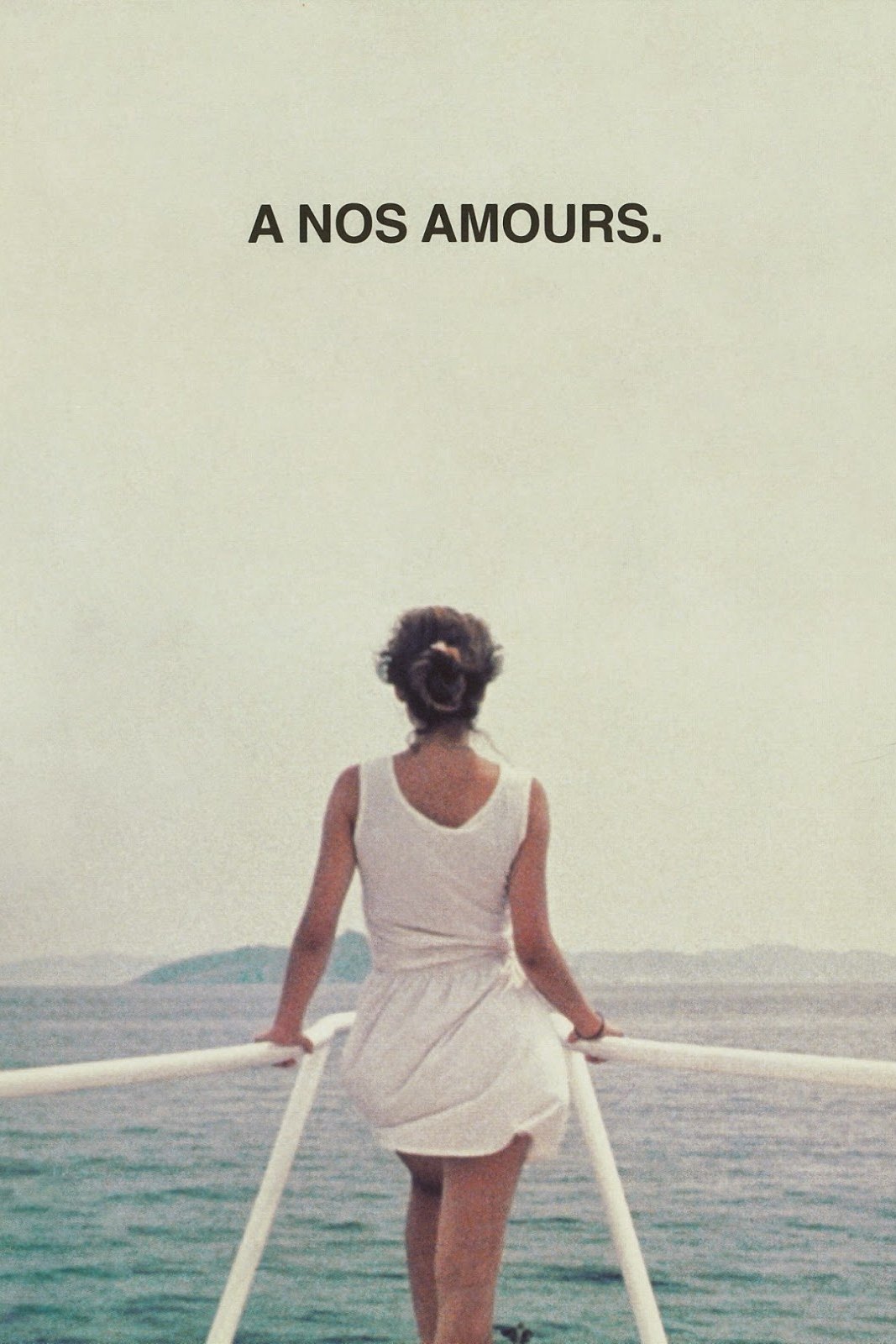
A Nos Amours - dir. Maurice Pialat
Family is a permissible arena of lashings that we’ve sequestered off from the rest of society. Things fly in closed doors that would be considered alien in the communal space, wherever that might be. A depressing movie not because it shows a family crumbling but a family realigning its pieces. Perhaps, I think, it’d be better if they did crumble.
Sandrine Bonnaire really is a phenomenal actress because she hides everything behind a smile without glazing her eyes over. You look at her eyes, the tenseness at the edges, the crows’ feet that never quite get to a crease and you see so much anguish. As far as depictions of hypersexuality go, this one is most crushing. 7/10.
-
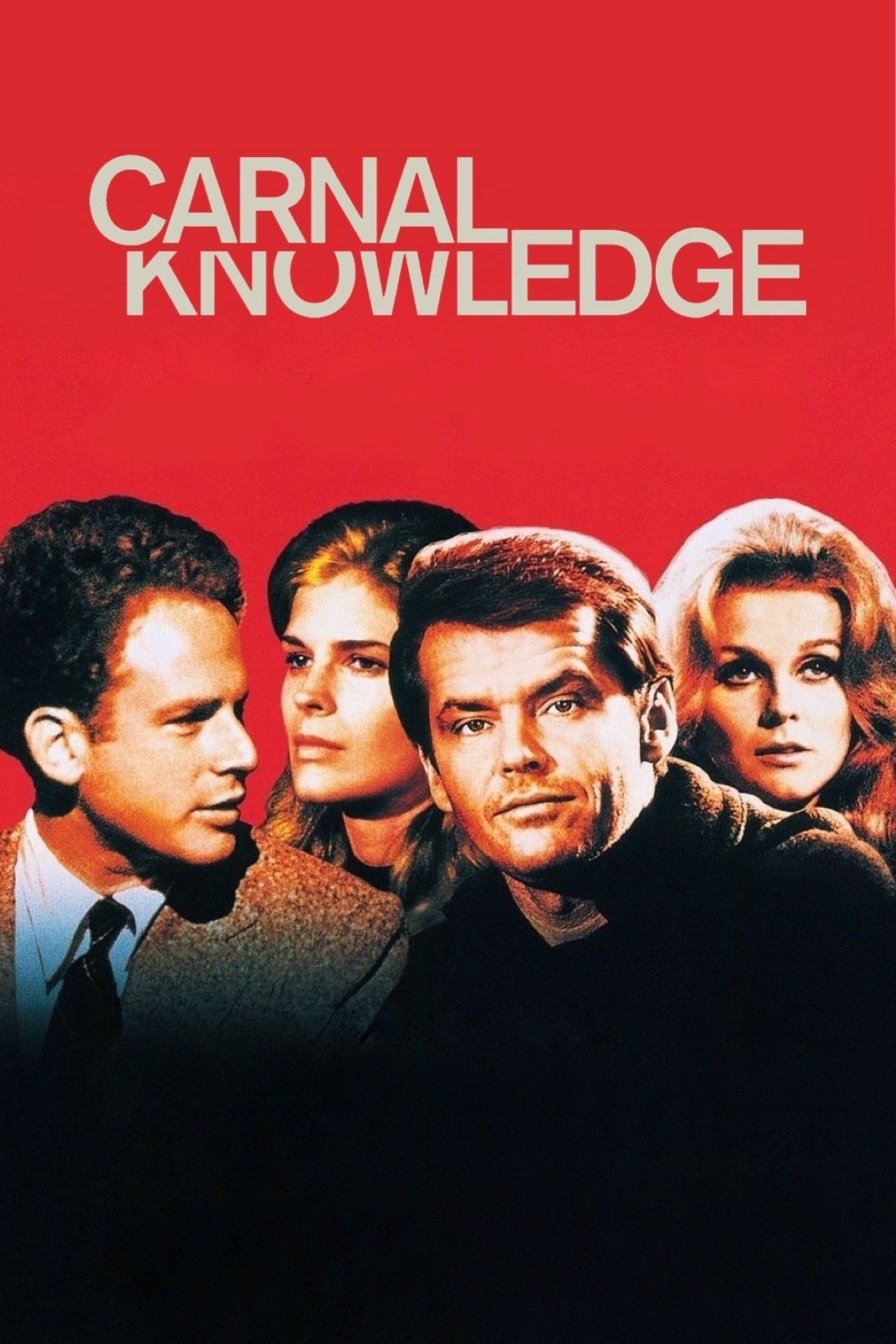
Carnal Knowledge - dir. Mike Nichols
The follow-up to The Graduate which shows us what happens after the bus zooms away and the two boomer kids have to actually contend with their own romantic listlessness. Nichols uses pitch black darkness and interior blocking to create something akin to a romantic horror movie, where all masculine intent is obfuscated by perversity. It made me feel disgusted with my own onanism. The type of movie you turn off and then decide afterwards to never beat your shit again. 7/10.
-

White Material - dir. Claire Denis
Maybe I’m just miserable but I had a hard time with this one. 5/10.
-

The Counselor - dir. Ridley Scott
This film is an actor’s wet dream–a compliment I would usually reserve as a backhanded slight against a movie with lots of screaming and histrionics–but no, Counselor is a decidedly philosophical crime/neo-western with non-stop opportunities for actors to be sincerely ideological while still putting up their facades. It’s the film’s central conceit. If you wait long enough for these sleek veneers to crumble, they will, and the collapse will be worth the patience. The ending is totally fucked, but that makes sense coming from a Ridley Scott-Cormac McCarthy collaboration. Two men without much sympathy for the mannered way of living, all talk and no blood. 8/10.
-
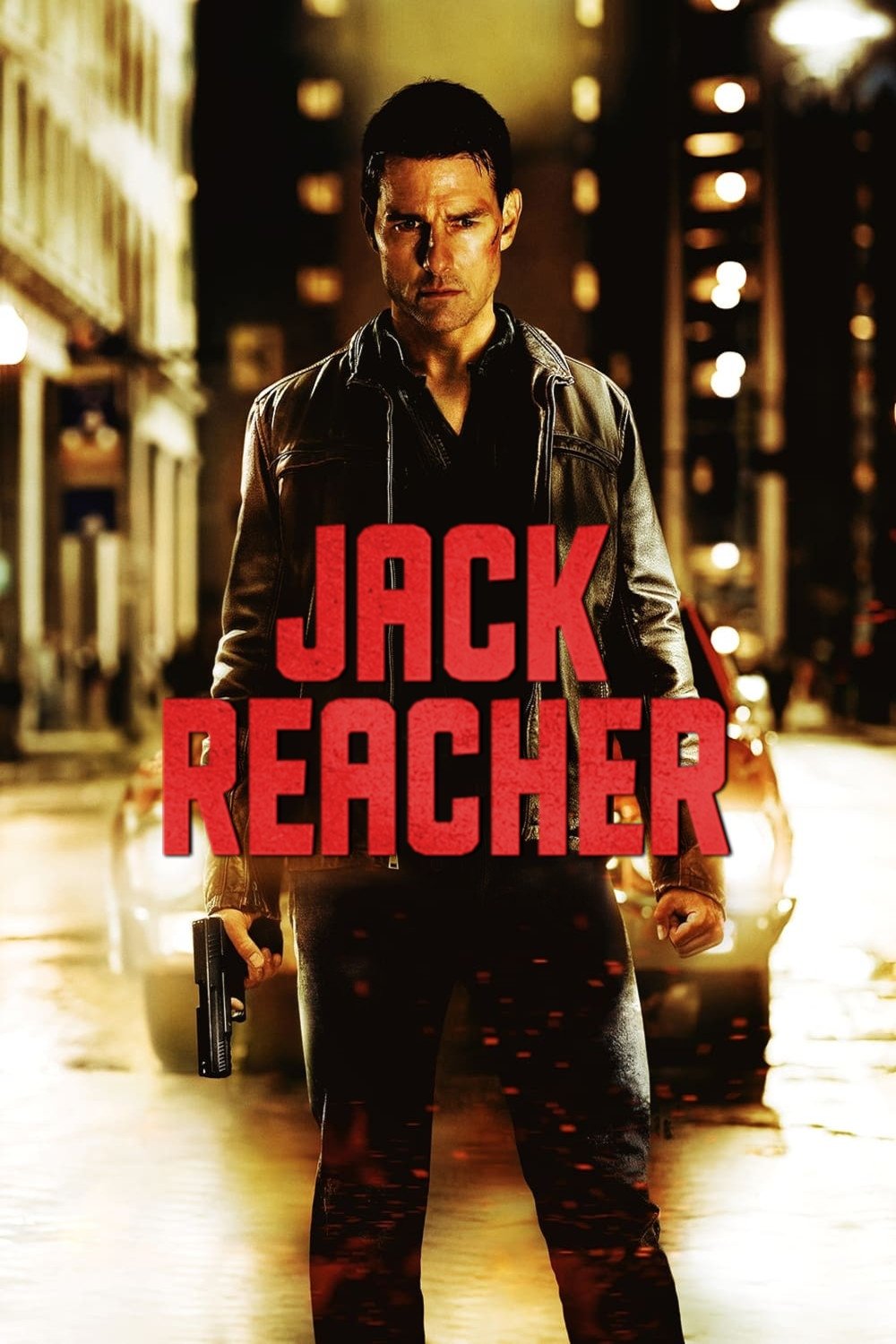
Jack Reacher - dir. Christopher McQuarrie
Razor sharp pitch perfect action direction from McQuarrie. I think this is one of those movies you don’t fully appreciate until you’re more in tune with what sloppy, poorly directed popcorn cinema looks like versus a visual masterclass. Suppose, god forbid, we lose Michael Mann… McQuarrie is in a good spot to hopefully take up the mantle.
The problem, still, that I have with McQuarrie is his nihilism. Don’t get me wrong, it works for Jack Reacher and it certainly works for something as cold and bloodthirsty as Way of the Gun, but I can’t wax poetic on this shit so much as just lean back, shake my head and grin. Wolfish, man. That’s what this is. Vigilante justice, detail-oriented carnage. Airtight.
Nobody will ever replace Tom Cruise. The industry wants me to believe Glen Powell’s got the chops to do it, but you cannot watch this film, look me dead in the eye and convince me that you could swap the two men out seamlessly in this kind of role. Tom Cruise is believable as a hero, as a menace, as a mentor, as an apprentice, but it’s his taut physicality–which McQuarrie knows damn well how to direct–that puts him in another league of human action figures. 8/10.
-
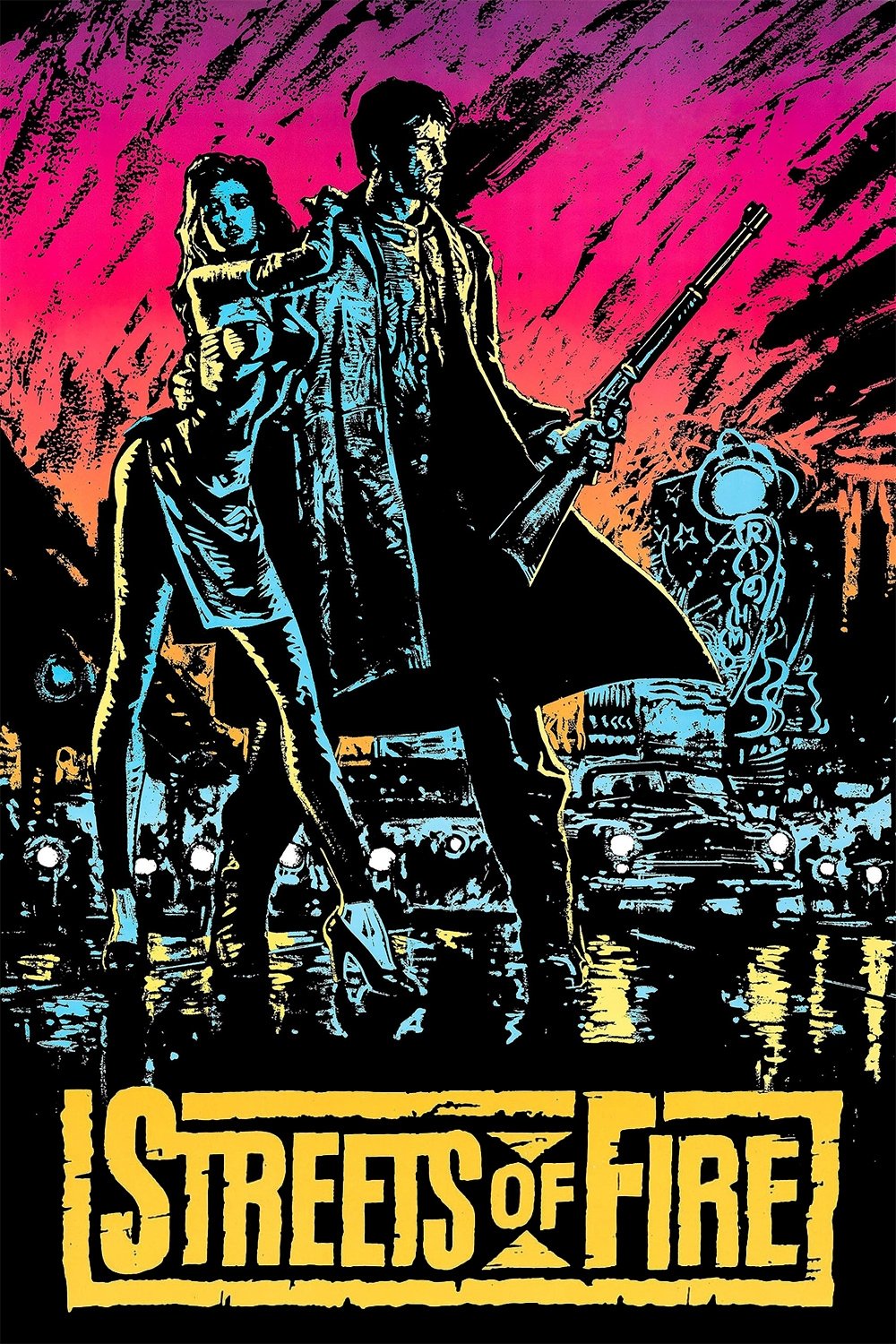
Streets of Fire - dir. Walter Hill
Walter Hill shoots this nocturnal neon cowboy movie like it’s the best music video ever made. It’s about the most 80s thing you can imagine, right down to the 50s nostalgia that spurs it. Problem for me is the script, which is a lot of grouchy bickering. I get the Hawks influence but I don’t think Hawks’ crews were ever this annoying. For most of the movie it seemed like the main cast hated each other. And it doesn’t help that Michael Pare is one of the least compelling action heroes I’ve ever seen.
What I find compelling about Hill’s work as a director is that in each of his movies he finds a way to create an alternate universe, uncannily similar to our own but more lawless and savage. Like I said, a cowboy movie in the 80s–he’s really transposing the de-institutionalized savagery of the frontier onto the cityscape. It’s dumb macho brute cinema, but fuck if the strength of the visual worldbuilding doesn’t work for me. 7/10.
-
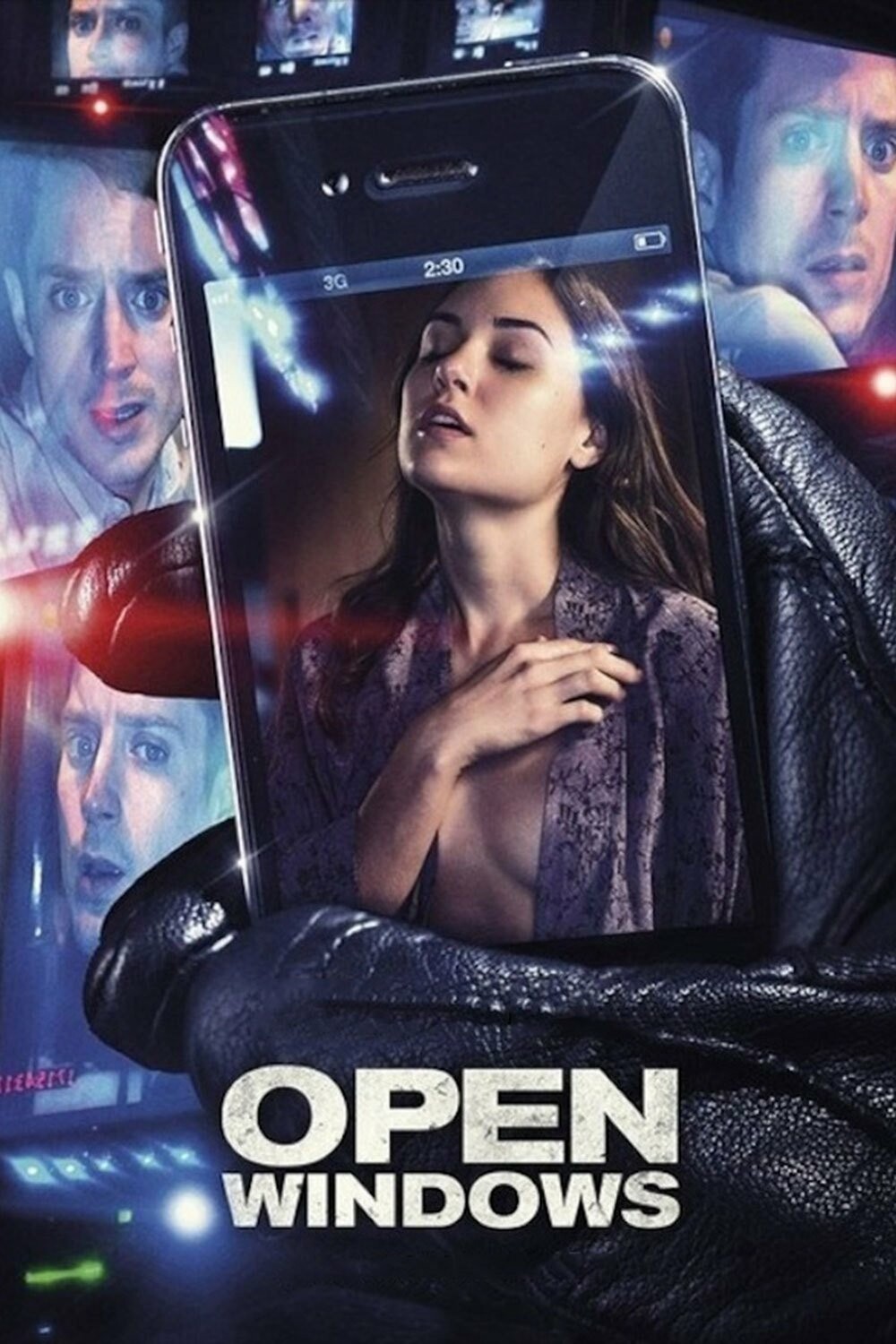
Open Windows - dir. Nacho Vigalondo
“21st century Rear Window” might be overselling the believability of its screenlife formalism but there’s no denying the suspense is there. I appreciate Nacho Vigalondo’s commitment to the mindfuck. I also thought Sasha Grey wasn’t too bad as the objectified mega-celebrity. I’m surprised more film directors don’t utilize porn actors for more sultry roles, the decision to cast her here was astute and fit the film’s sordid themes. 6/10.
-

Colossal - dir. Nacho Vigalondo
The absolute worst scene in the whole film is when Vigalondo tries to explain the premise. I thought I wanted some backstory but it turns out to be really stupid. That said, the rest of the movie is quite watchable and fun. Good actors, solid premise. A bigger blowhard than me could try to talk about the “US imperialism” themes but I won’t do that to you.
I am finding that I enjoy Nacho Vigalondo’s movies a lot. He’s no genius but he knows how to make a good low-budget popcorn film. He mines a lot out of very little. 6/10.
-

Pooka! - dir. Nacho Vigalondo
Commits all the worst sins of modern horror filmmaking
-
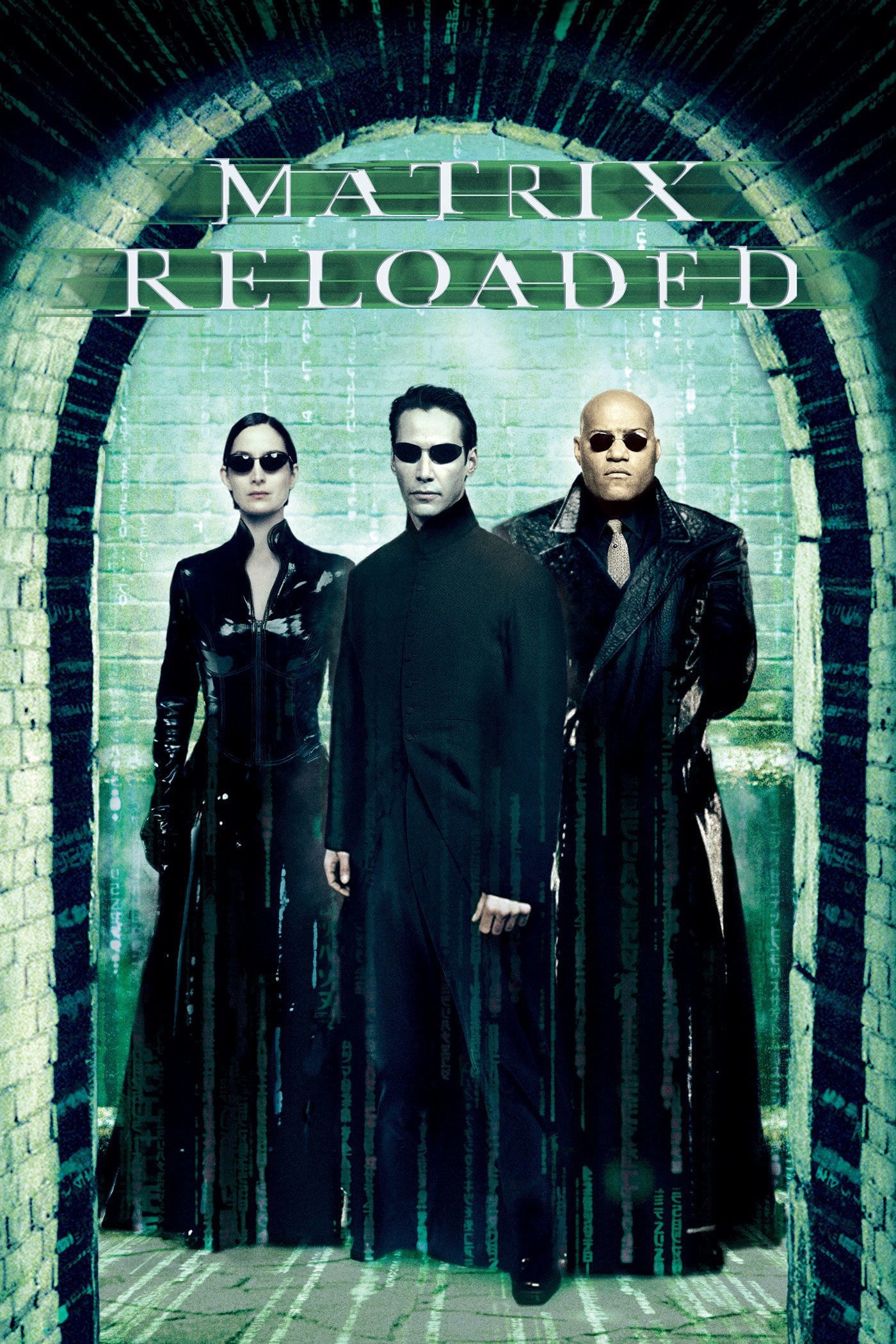
The Matrix Reloaded - dir. The Wachowskis
As far as I’m concerned this one is a masterpiece, an improvement on its predecessor at every level. No exposition, just breakneck action, worldbuilding, and philosophy. I feel like people forget that a lot of the original Matrix is sitting in a room with the main crew as they talk and talk and talk about stuff. Here we cut straight through that and get to the meat and potatoes, and the result is one of the most visually expressive action movies ever made. 9/10.
-
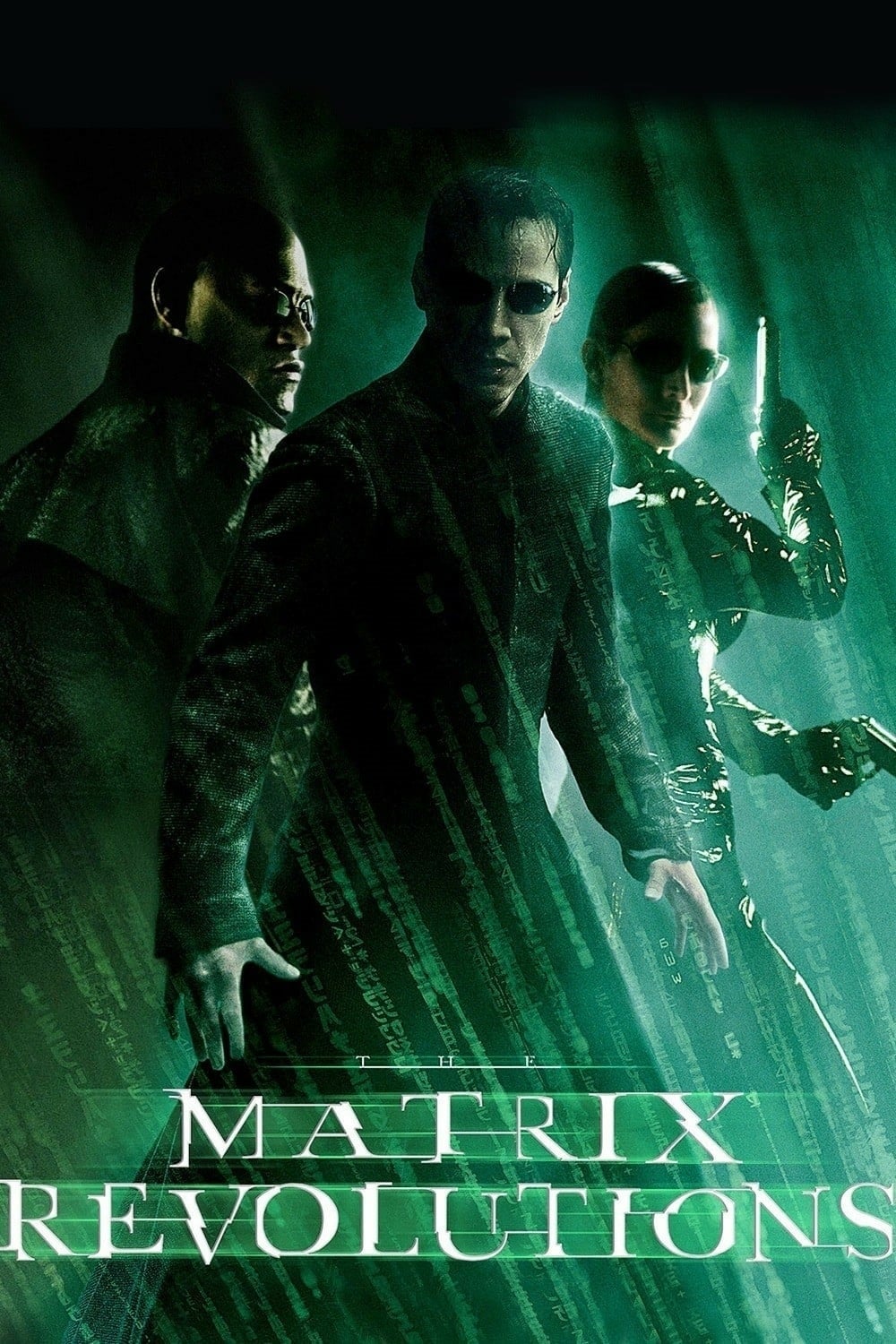
The Matrix Revolutions - dir. The Wachowskis
The most James Cameron entry in the series in terms of sheer spectacle, which is to say I found this one confounding and not at all at the level of its predecessors. We get this huge battle sequence that’s supposed to be epic, but the militarism and scope doesn’t work for me; this isn’t Star Wars or Aliens, I didn’t want or look forward to this great battle for the future of humanity. It also lacks stakes because in the back of my mind I already know Neo’s going to step in at some point and do some magic shit to save the day. So just focus on Neo.
The climax of the movie, the fight in the rain between Neo and Smith, was more my speed, more what I was anticipating. The problem there is that it ends with Neo losing and then winning anyway, so it’s like what was the point of any of it, at all. If it was that easy to kill Agent Smith, why make a deal with Neo? He wasn’t even the guy who managed to take Smith out, he lost the fight and the Deus Ex Machina revives him and then takes Smith out through Neo as an avatar. Even if Neo does what you want, why would you agree to leave the humans alive? Machines don’t operate on deals, they operate on pragmatism, thus the peace established at the end of the film isn’t earned. 5/10.
-
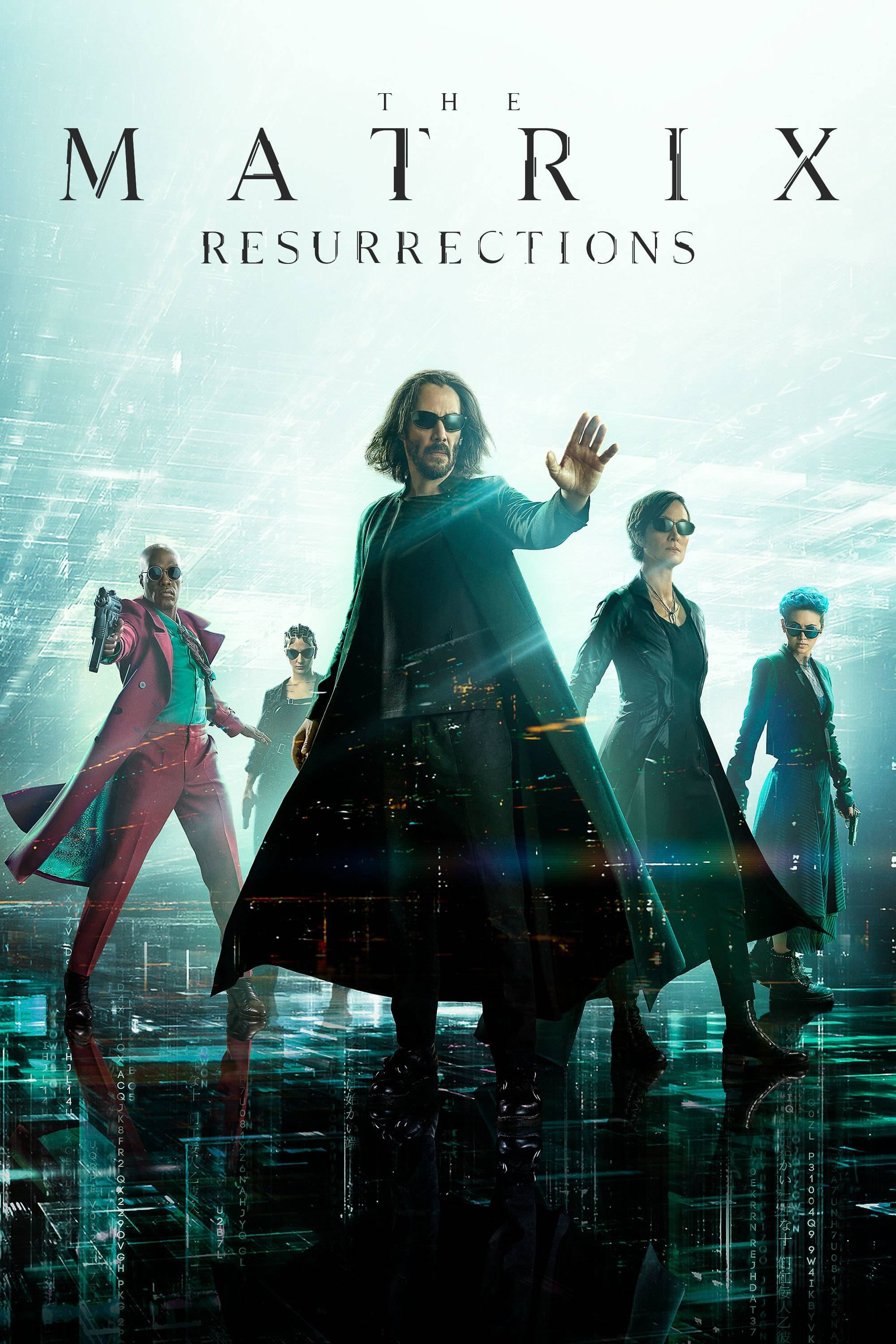
The Matrix Resurrections - dir. Lana Wachowski
Such a baffling, confounding experience that I’m not surprised it broke people’s brains on impact. At each second I found myself oscillating between frustration and love. Frustration at the non-aesthetics of the film, how much uglier it is than the trilogy it was forced to respond to. Love for its righteous, indignant malaise and fury. It is sincerely uncanny. Beyond a rating, really. I have a feeling that when scholars of the 22nd century discuss the cinema of the early 21st, this will be seen as a pallbearer for the corporate molestation of the art form. 6/10.
-
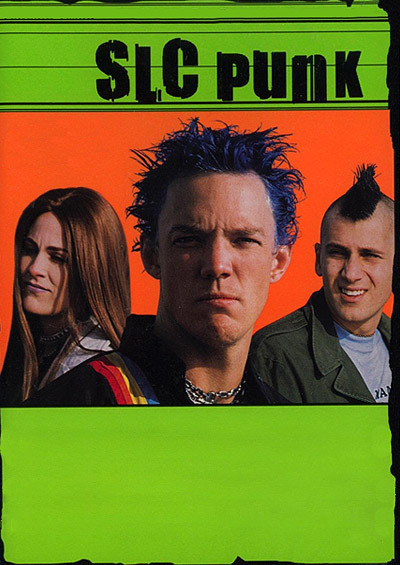
SLC Punk! - dir. James Merendino
So much more tender than I expected, really gets at the heart of what it is like to grow up and be disillusioned and find your tribe and wrestle with your convictions and realize your own hypocrisies. It always skirts the line of being gimmicky but because it wears its heart so firmly on its sleeve you end up falling for these bozos. Even Stevo’s dad, who’s supposed to be an antagonistic force of sorts, is portrayed with nuance and compassion. I like the detail of him being Jewish and driving a porsche. 7/10.
-
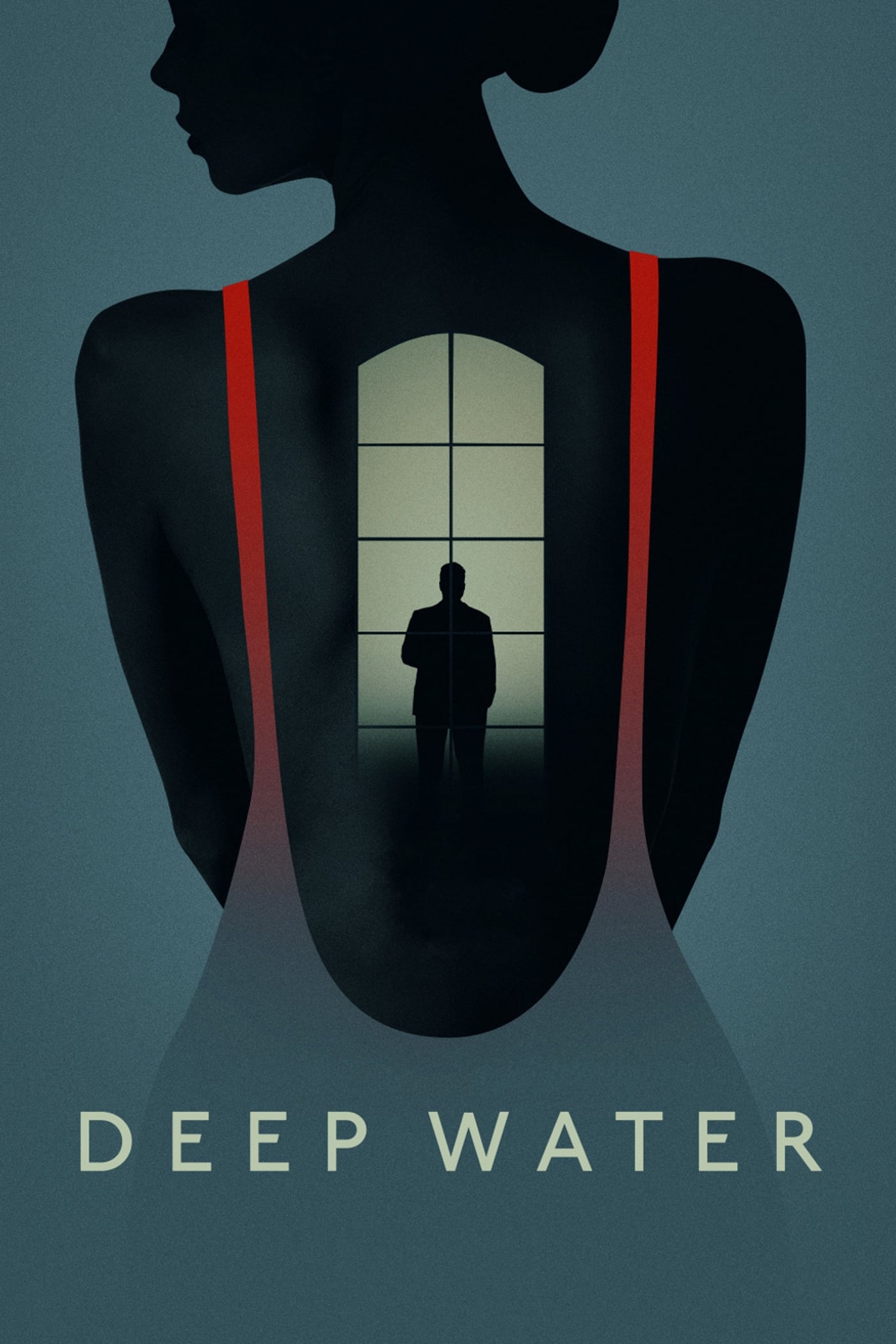
Deep Water - dir. Adrian Lyne
Ben Affleck puts on one of the all-time weirdo performances here. I would’ve gone cuckoo for cocoa puffs at this movie a couple years ago back when I was all over erotic thrillers. I still appreciate a good one but this is just so damn unpleasant. That’s obviously part of the appeal, I guess. I wish we got more movies like this. 6/10.
-
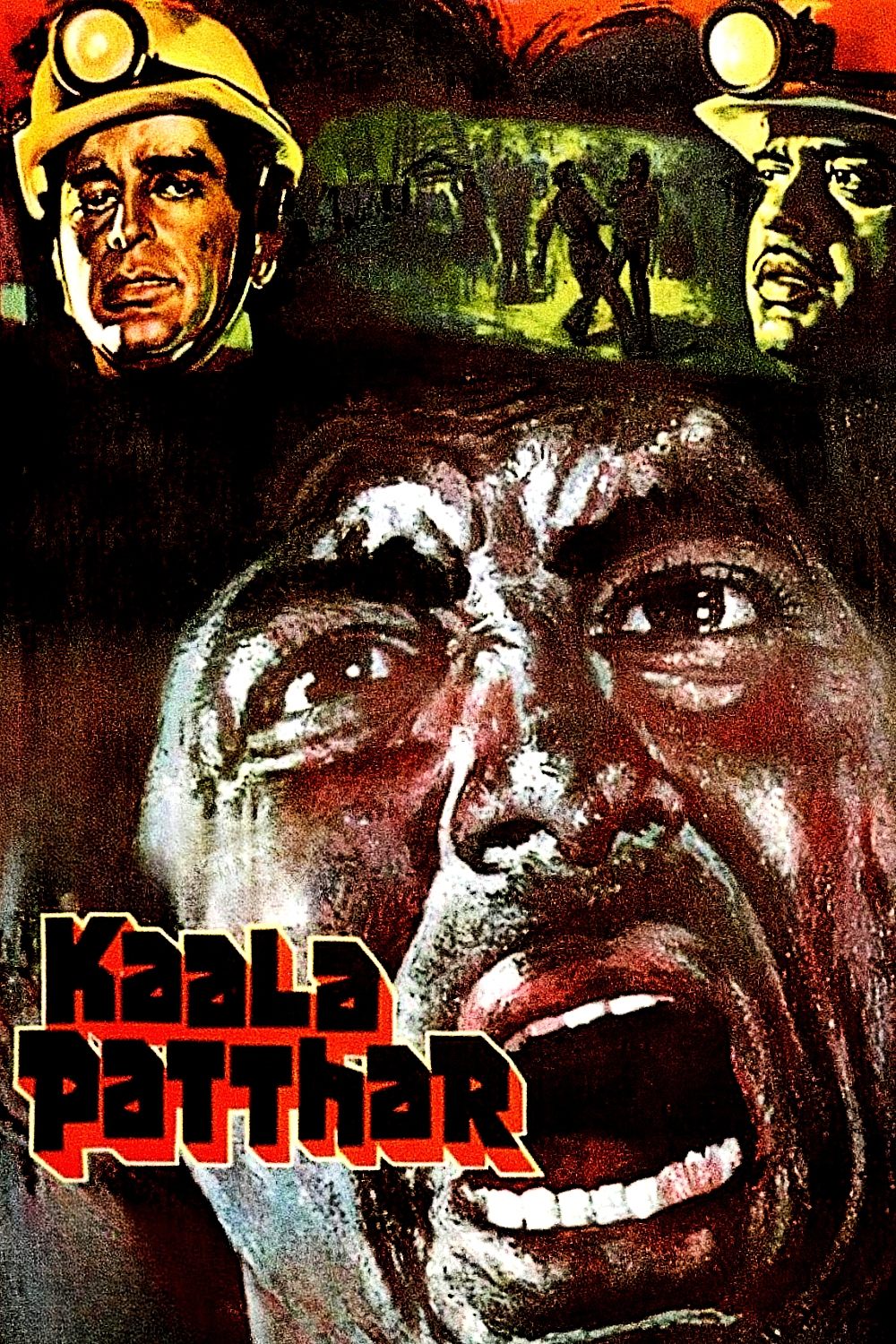
Kaala Patthar - dir. Yash Chopra
The first Chopra film I’ve seen where it sincerely feels too long. Lots of subplots that feel dull or just there to pad out the masala sauce. Like yeah I guess we have to give every male lead a female romantic interest, I guess we gotta have these obligatory fight scenes (not very well done fight scenes either) but I don’t know… Just not very strong, not as tight as Deewaar or as magisterial as Veer-Zaara. 5/10.
-

April Story - dir. Shunji Iwai
It’s cute. I guess I kind of relate to the sad pastel loneliness of starting college somewhere new, I just always sincerely struggle with stories about shy people, and Japan unfortunately has a lot of these… more so in the last thirty years or so. I’m not shy, I don’t like shyness, I don’t really respect it, and it’s hard for me to get behind it on screen. However there are obviously plenty of cinephile introverts who get a lot out of this kind of thing and I can appreciate that. 6/10.
-

My Broken Mariko - dir. Yuki Tanada
Hard to believe this was made by the woman who made One Million Yen Girl. Awful melodrama. Queerbaiting that never goes anywhere. Flat, lifeless cinematography. Poor characterization. When will people grow tired of stories of characters who have no life outside of their own victimhood? 2/10.
-
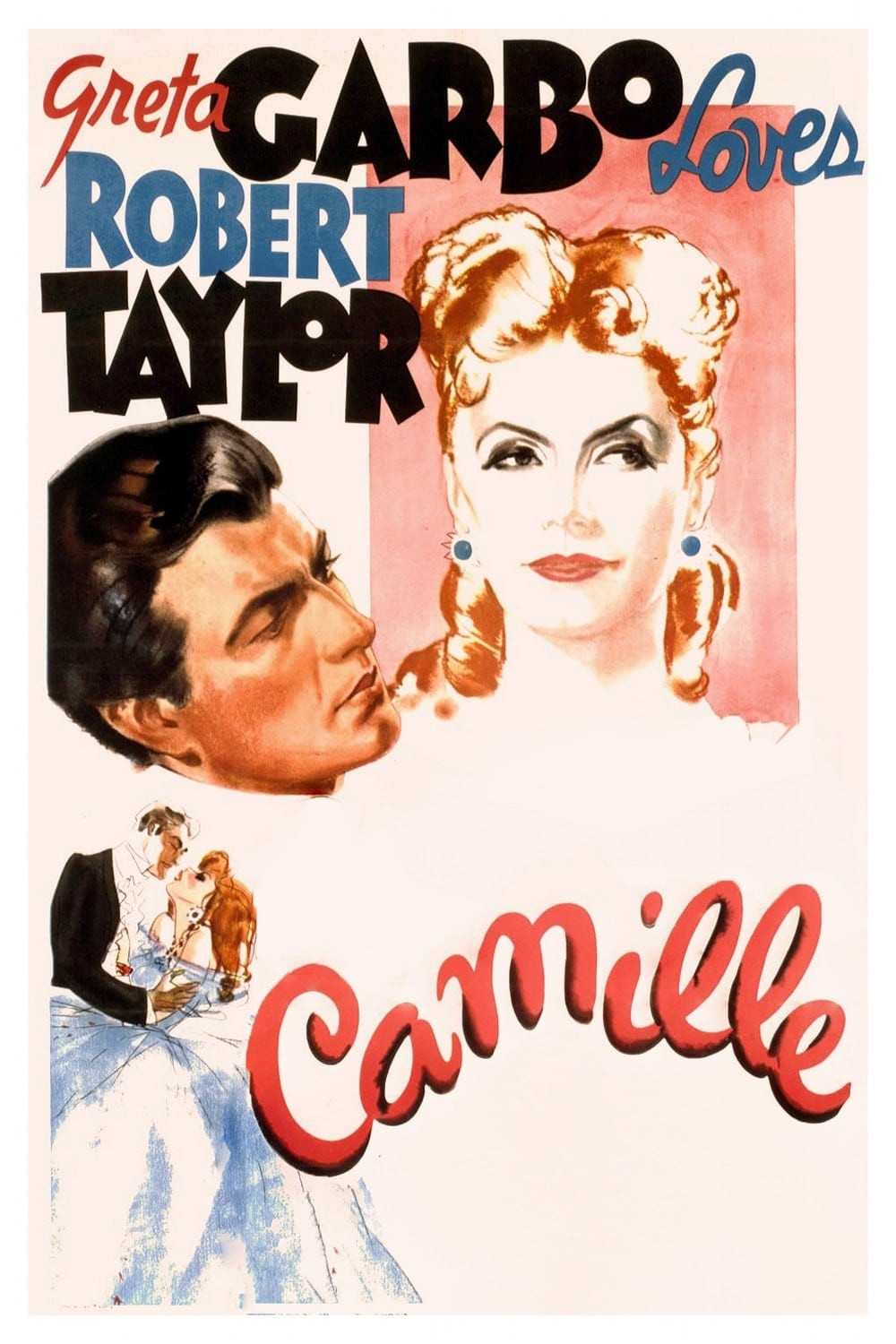
Camille - dir. George Cukor
Enormously tragic work from Cukor and Garbo. Love is nothing without sacrifice, the game cannot be played without an admission of guilt. Intentions misaligned with ideals. 7/10.
-
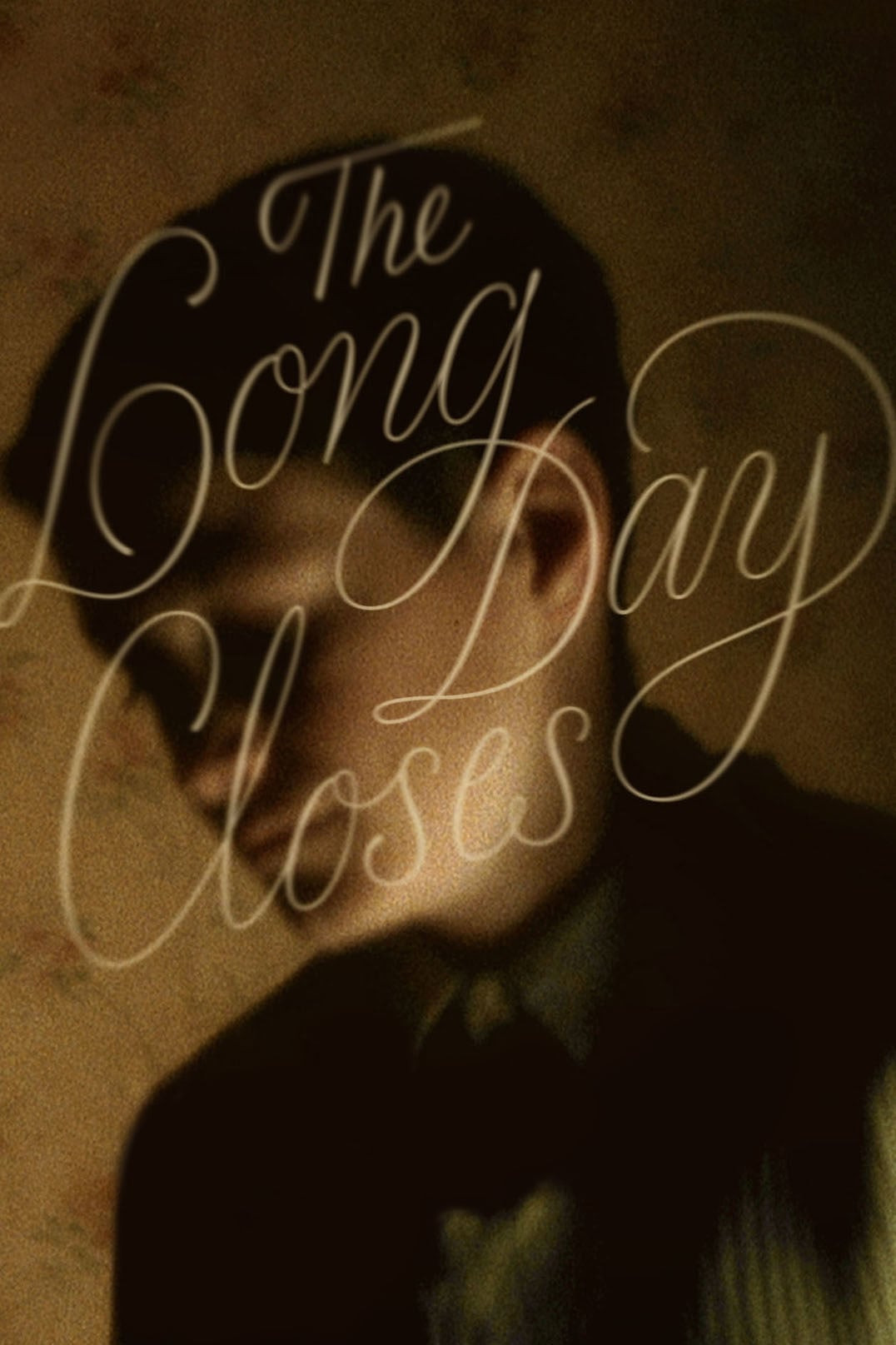
The Long Day Closes - dir. Terence Davies
The first film I’ve ever seen that felt like the pages of a story by Somerset Maugham. My favorite author and totally misunderstood by, it seems, every critic since the dawn of the 20th century. They mistake his lucidity for simplicity. Sometimes the truth does not hide. Sometimes the truth resides in a tableau or in an image that anybody can witness freely.
Likewise, The Long Day Closes is expressionistic without being abstract. Sonically Davies guides the viewer through the ambling, tortured and gentle perspective of a child whose world is defined by the conversational dawdlings of his family, who at his young age he can only begin to understand (there’s a great moment where he mishears a lyric to a song and asks his mom about what it means), the voices of film and the presentations of the stage. It reminded me of Maugham because Maugham has such a firm grasp on the power of exposure to a young mind, how much your senses become awakened by continued experience.
It’s a beautiful movie. A moving painting and a breathing novel, which is the very potential of film as an art form. 8/10.
-
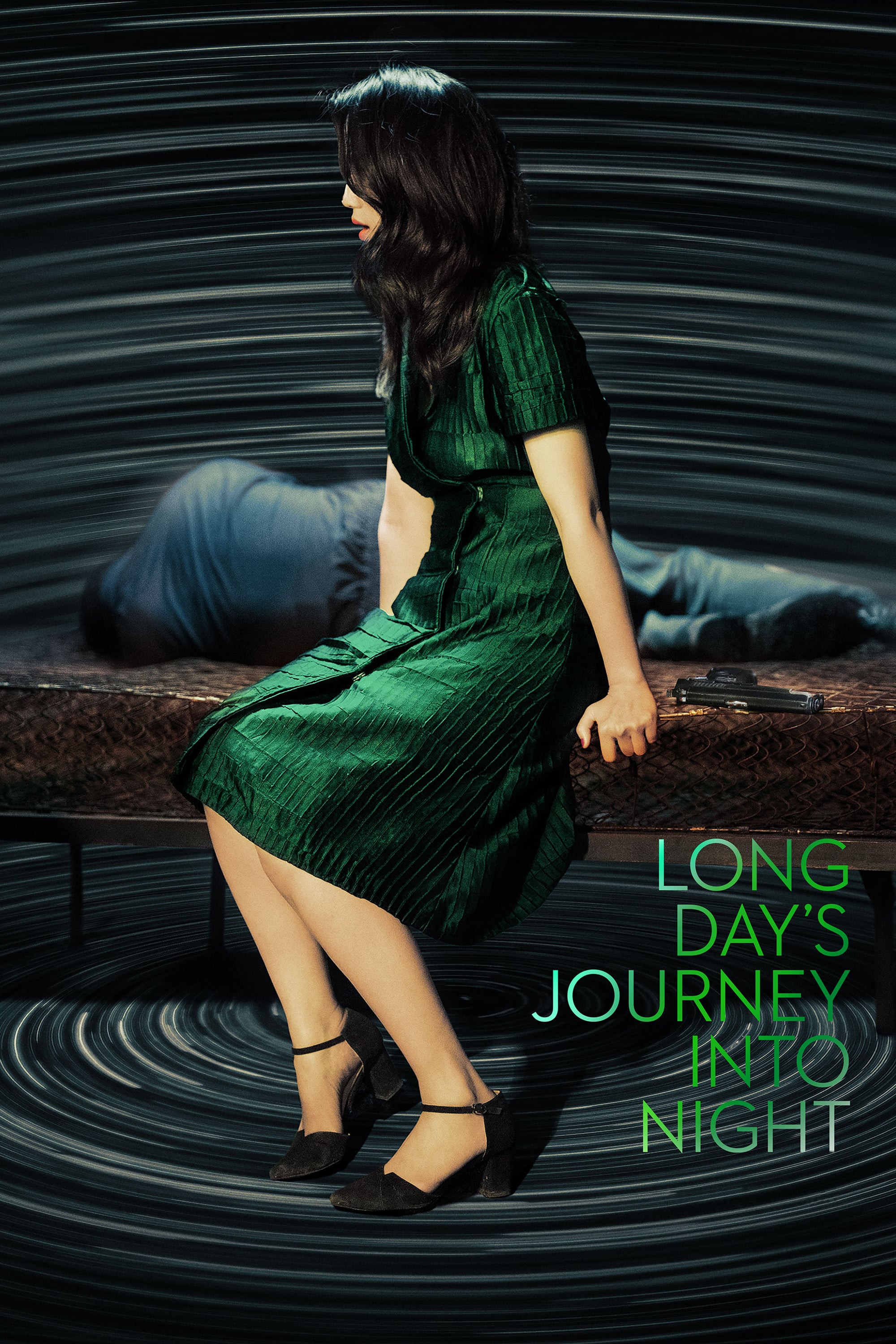
Long Day’s Journey Into Night - dir. Bi Gan
I couldn’t finish this, and usually when I barely get through 50% of a movie I don’t even bother logging it, but my issues with this were specific enough that I felt compelled to say something. I actually walked out of Resurrection too–I know, crazy, best movie of the decade or whatever–I was tired and grouchy and the movie annoyed me more than it wowed me. I was hoping, watching this movie from the comfort of my home would allow me to sink into Bi Gan’s wavelength a little more… this didn’t happen. All suggestion, allusion, pretension. I hate using pretentious as a derogatory hurl, this one earned it though.
Any comparisons to Wong Kar-wai or Tarkovsky need to pass a sniff test because for all of their cinematic extremities and technical achievements the two guys wear their hearts on their sleeves from the moment the camera starts rolling. Their shots have depth, life, energy, expression, direction, the fucking X factor.
I heard the second half is better. Not too interested in finding out, maybe one day. I don’t like this Bi Gan guy, sorry… strikes me as an overintellectual phony. This movie feels like the world’s most expensive directorial demo reel.
-

Ghost Tropic - dir. Bas Devos
Deeply soothing even if it kind of mubicore. I don’t really know what I got out of it necessarily but it is the kind of movie that I’d want to make. 7/10.
-
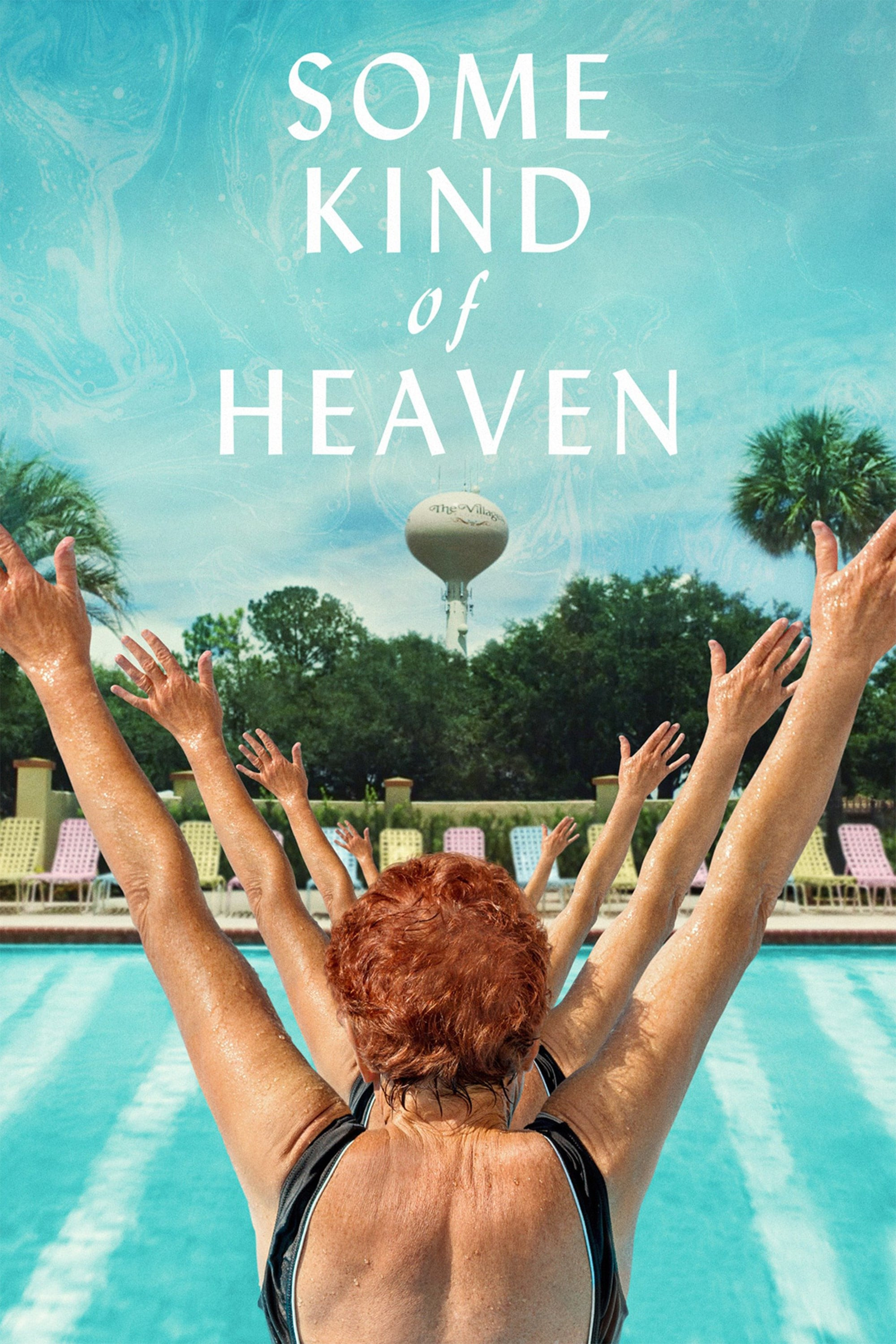
Some Kind of Heaven - dir. Lance Oppenheim
The artifice of the documentary works both for it and against it. For obvious reasons it is good because it’s full of wonderful, crisp images. For less obvious reasons it is questionable because it cheapens the authenticity a documentary is meant to provide. But I do think it leans more good than bad because the artifice is central to its narrative.
Are The Villages not a perfect microcosm of colonialism? A settlement constructed on half-cocked stories told over whiskey that functions as a mecca for the driftless bourgeoisie. It is criminal how we in the developed world treat our elders, a sign of a diseased family structure. Not that we should go the inverse and venerate them, I just hate the middle-upper class move of sticking your eldest in a retirement home and calling it a day. I admire communities and families that live multigenerational under one roof.
This movie made me think about my own grandma, of course, and how she herself lives alone in Florida carving out a frivolous existence. I love her–I know she sometimes reads my reviews, hi Estee–and I wish she had more to do with her life. Sometimes it feels like we sequester away our elders so we don’t have the morbid pallor of death reminding us of our mortality at our doorstep. 7/10.
-

Fukuoka - dir. Zhang Lu
Time makes things abstract; language barriers, friendships and trysts alike. Zhang Lu’s a curious director. He operates on a wavelength that many might compare to Hong because he’s Korean and low-budget but actually resembles more of a relaxed Antonioni-esque postmodernism. Symbols of lost meaning, pointless conversation and rehearsed poetry. Porn as sex, only simulacra. 6/10.
-
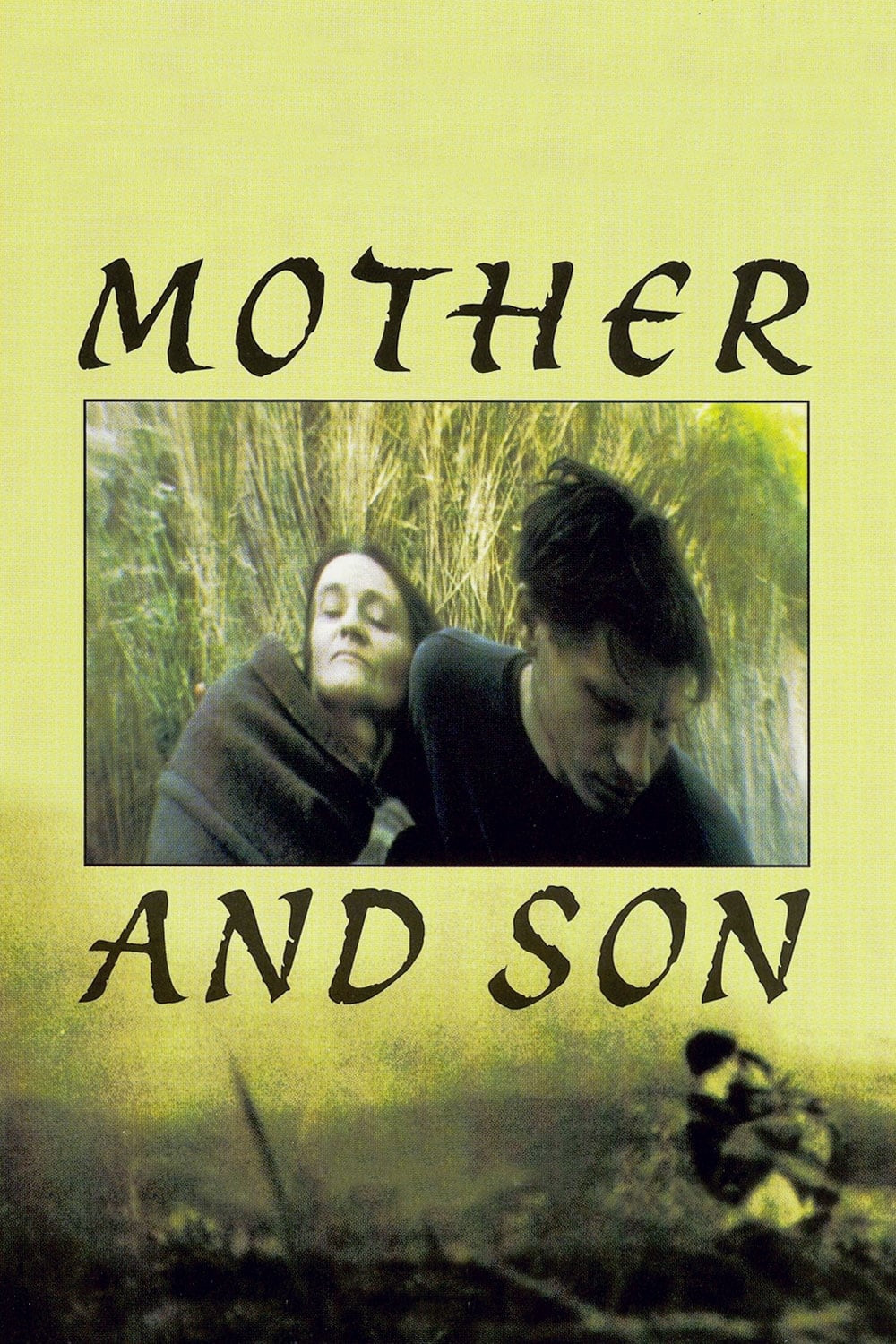
Mother and Son - dir. Aleksandr Sokurov
Let me wipe off the lenses. Let me clean them for you. I only smudge them more. I only make the camera blurrier. You point it at a tree. You point it through a hole in the fence that separates the walkway of the Manhattan Bridge with the river below. I could dive through it and cannonball to my death. I could not be stopped by you. Let me wipe off the lenses.
I have, quite seriously, never cried harder in my entire life. To say that this film unpeeled me like a carving knife is an understatement. To say it coaxed my grief out of me like a string attached to a ball in my stomach is an injustice to the sublimity of its construction. It’s not just about mothers and sons. It’s not just about nature and mankind. It’s about a bond that is intense, real, and fragile.
As far as we know, we are the only ones to wonder why. A puppy’s mom dies and it grieves in its own puppy dog way. We lose people in our lives and we can’t accept it on its own, so the grief metastasizes inside our bodies into philosophical questions. The saddest part about this investigation is that it yields only what you already planned to find.
You blink, bleary-eyed, rubbing away the crusted tears of last night’s weeping, and in that instant the image that you have of the person you love most in the entire world becomes warped.
10/10.
-
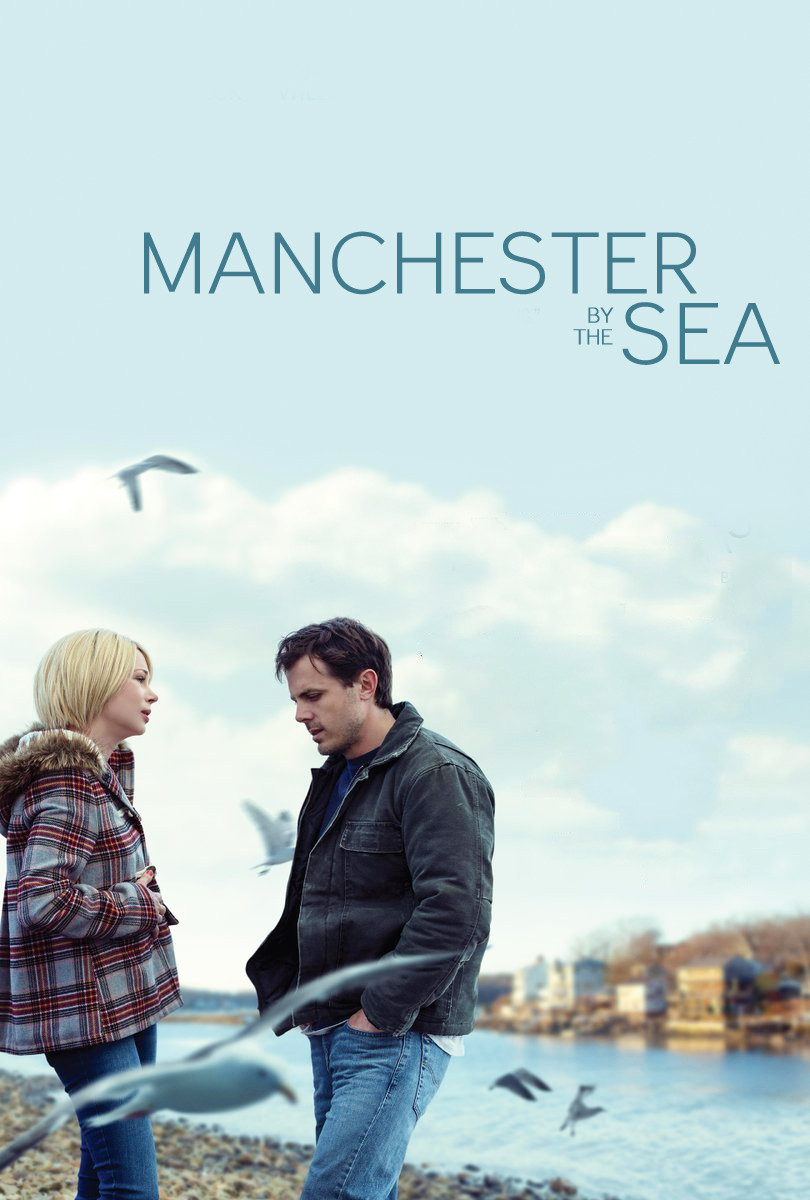
Manchester By the Sea - dir. Kenneth Lonergan
Just decent. The best scene (Michelle Williams’ apology) ends too quickly. I feel like I was kept at an arm’s length the entire time but still expected to cry on cue. 7/10.
-
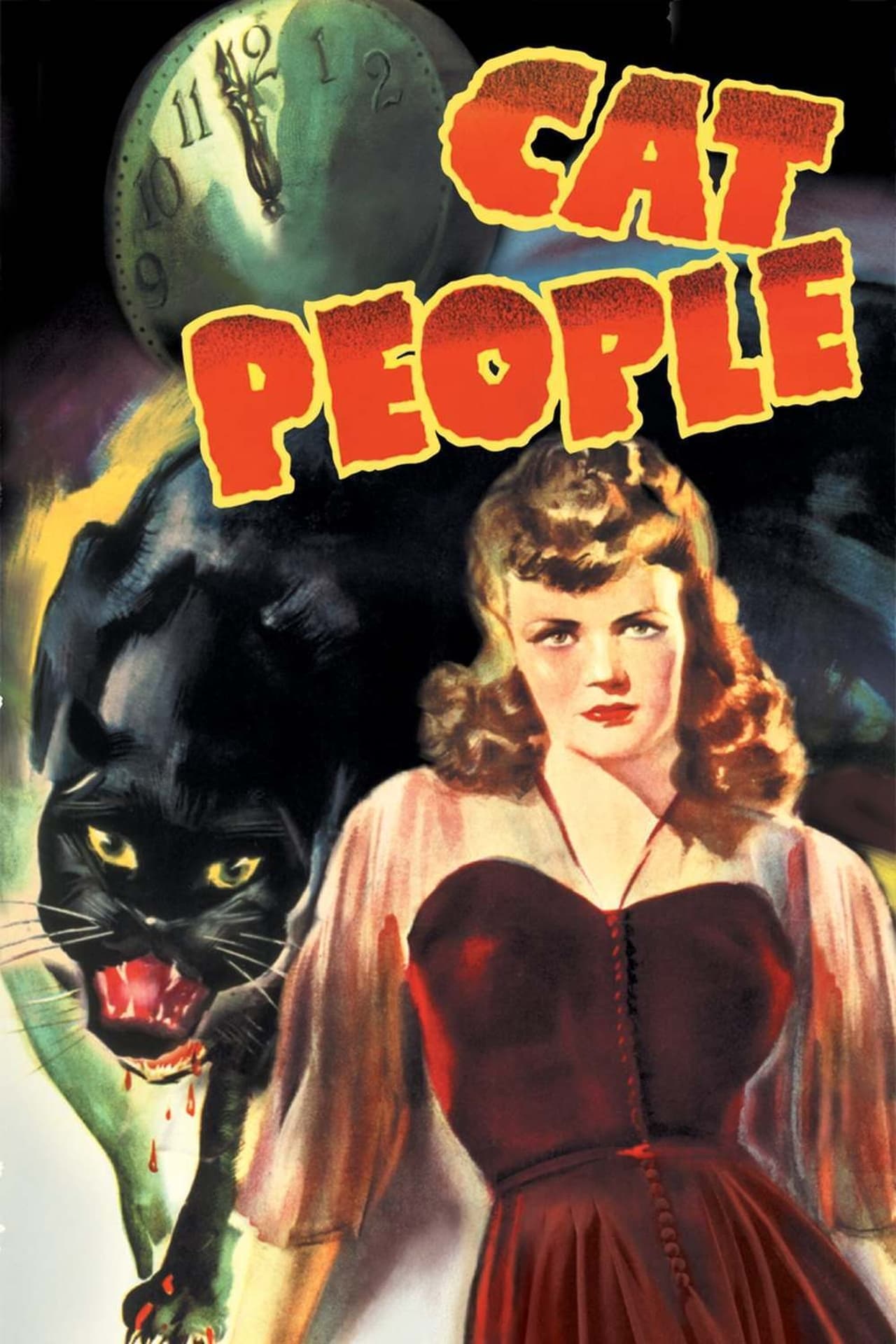
Cat People - dir. Jacques Tourneur
Tourneur thrusts you into schlocky horror with lurid titles and then uses shadow to reveal sadness underneath. The inability to belong. As much about the struggle of an immigrant to be heard and seen and believed as it is about a woman afraid to fully let herself love and be loved AS MUCH as it is about turning into a fucking puma when her envy or lust is aroused. 7/10.
-

Don’t Go Breaking My Heart - dir. Johnnie To
You almost forget that this romcom was directed by Johnnie To (or at least it’s not as obvious) until Louis Koo scales a fucking apartment building to climb into Zixin’s house. It reminds me a bit of Indian cinema in how it depicts romantic extremity, there’s something very wonderful about it. Louis Koo’s character would be despicable if he wasn’t so over the top, everything about his big gestures is Chaplin-esque in its exuberance. Right down to the way he fumbles Zixin within of spotting titties. Loved how much Johnnie To communicated through the windowpanes, it had all the finesse of a silent comedy with the corporate sheen of the 2000s. A perfect romantic comedy, no doubt. Can’t wait to watch the sequel. 8/10.
-

Don’t Go Breaking My Heart 2 - dir. Johnnie To
An inversion of the first, no happy ending and no romanticism at all. Pretty much everything is algorithmically defined. Makes me very cynical about relationships in a capitalist world. If you can’t buy your way to the top, why bother? It seems a grand gesture is worth more than a thousand moments of loyalty. The octopus that predicts the future dies in its gilded aquarium, you can only profit for so long before the whole entity starts to decompose. 7/10.