Movies I Watched February 2026
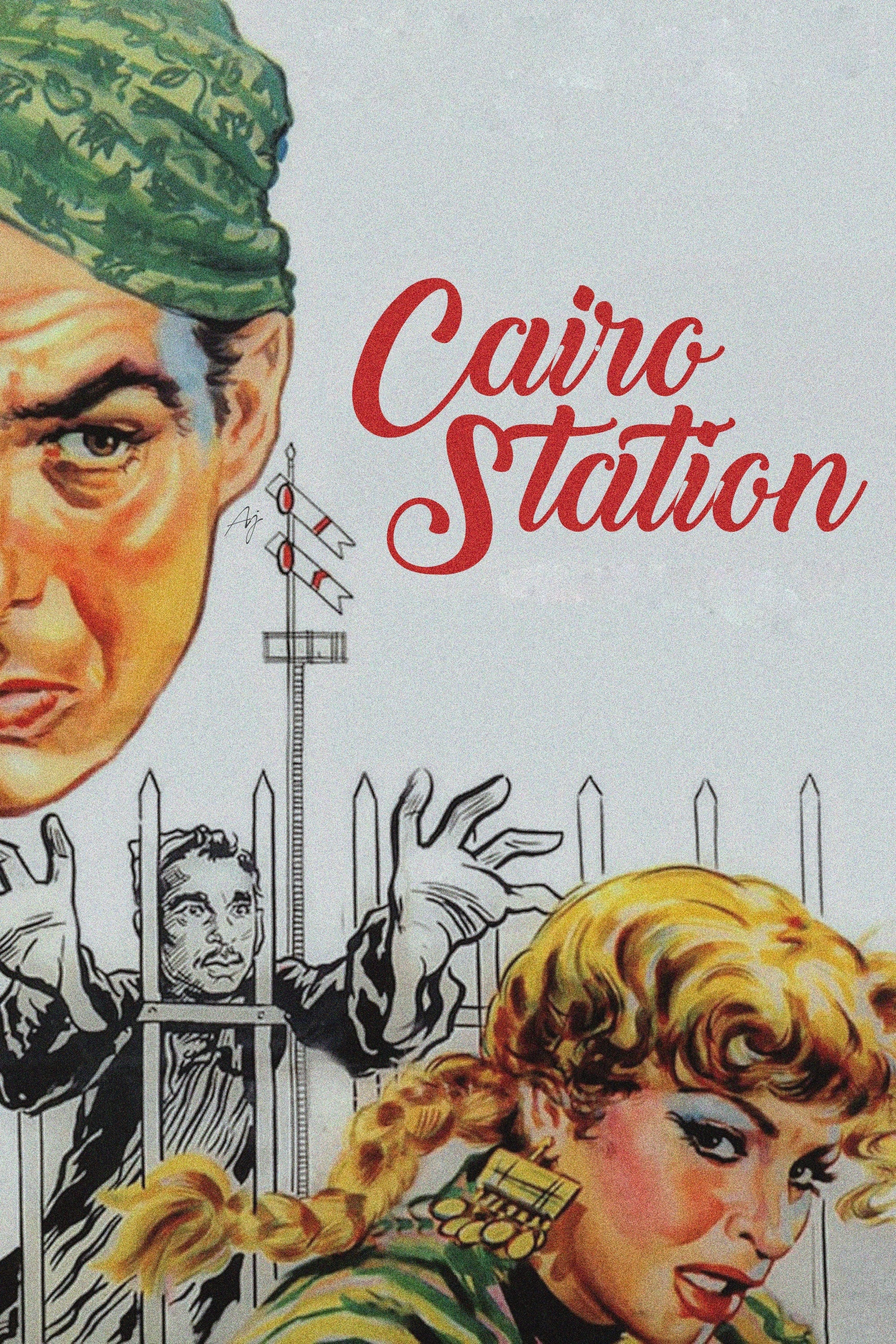
Cairo Station - dir. Youssef Chahine
A story of modernism told from the perspective of classical storytelling, because this is ultimately a pretty simple morality tale twisted through a lens of reversal and revolt.
The modernism comes through in the setting, where Chahine establishes the claustrophobic hustle and bustle of the train station, which is fraught with the kind of subjectivity these old world power structures were wrestling with. Individualism the new trend, supplanting the collectivistic lifestyle of a guy like Qinawi, who comes from a rural village that likely lives in a communal agrarian state. His disability is pretty much invisible because it is a class-based one–he is a newcomer to the big city, a classical character annihilated by the modern world.
In a way he reminds me of Charlie Chaplin’s tramp, the ultimate underdog. The Tramp only survives because he’s a classical archetype. If he were a real person he would’ve turned to obsessive inceldom after a couple of movies, just as Qinawi does. Unfortunately for Qinawi, he isn’t blessed with the rules of classical storytelling, and so his mere existence isn’t rewarded.
If it sounds like I’m denigrating the poor guy, I’m not, and I don’t think Chahine is either, even if he isn’t giving him an easy way out either. Qinawi is juxtaposed with Abu Siri, a leftist ubermensch who attracts women and unites his comrades. You really have to wonder if it’s enough to just observe, as Qinawi does, or if the only way to survive in the modern world is through action. Forceful application of will.
7/10.
-
Sentimental Value - dir. Joachim Trier
Big question I have at the end of this is “who cares?”
A movie so bogged down by its own reconnoitering that it cannot sit still long enough to make a point off of an image–all of its ideas are shallow and belabored and all of its aesthetic qualities overcooked. You realize just how hacky all the Spotify-playlist-ikea-production-design cinematography is when Joachim Trier has to actually direct dialogue, and as expected he only knows one way to do it: shot, reverse shot. Over the shoulder. Handheld camera for “authenticity” (still have no idea why so many directors are using unmotivated handheld shots).
All that intellectualizing aside, the most damning thing I can say about this movie is that I never cared about any of its characters, never cared about their struggles, never cared about their relationships, nothing. 4/10.
-

Good Luck, Have Fun, Don’t Die - dir. Gore Verbinski
-
City on Fire - dir. Ringo Lam
Something about the way Ringo Lam shoots this makes every bit of extreme gratuity feel so vivid and real. The film’s cartoon logic folds in on itself and becomes tragically believable… it’s the same style of realism that Manila in the Claws of Light kinda taps on. The city is alive and the city is bigger than you and the city will destroy you. 8/10.
-

The Neon Demon - dir. Nicolas Winding-Refn
-
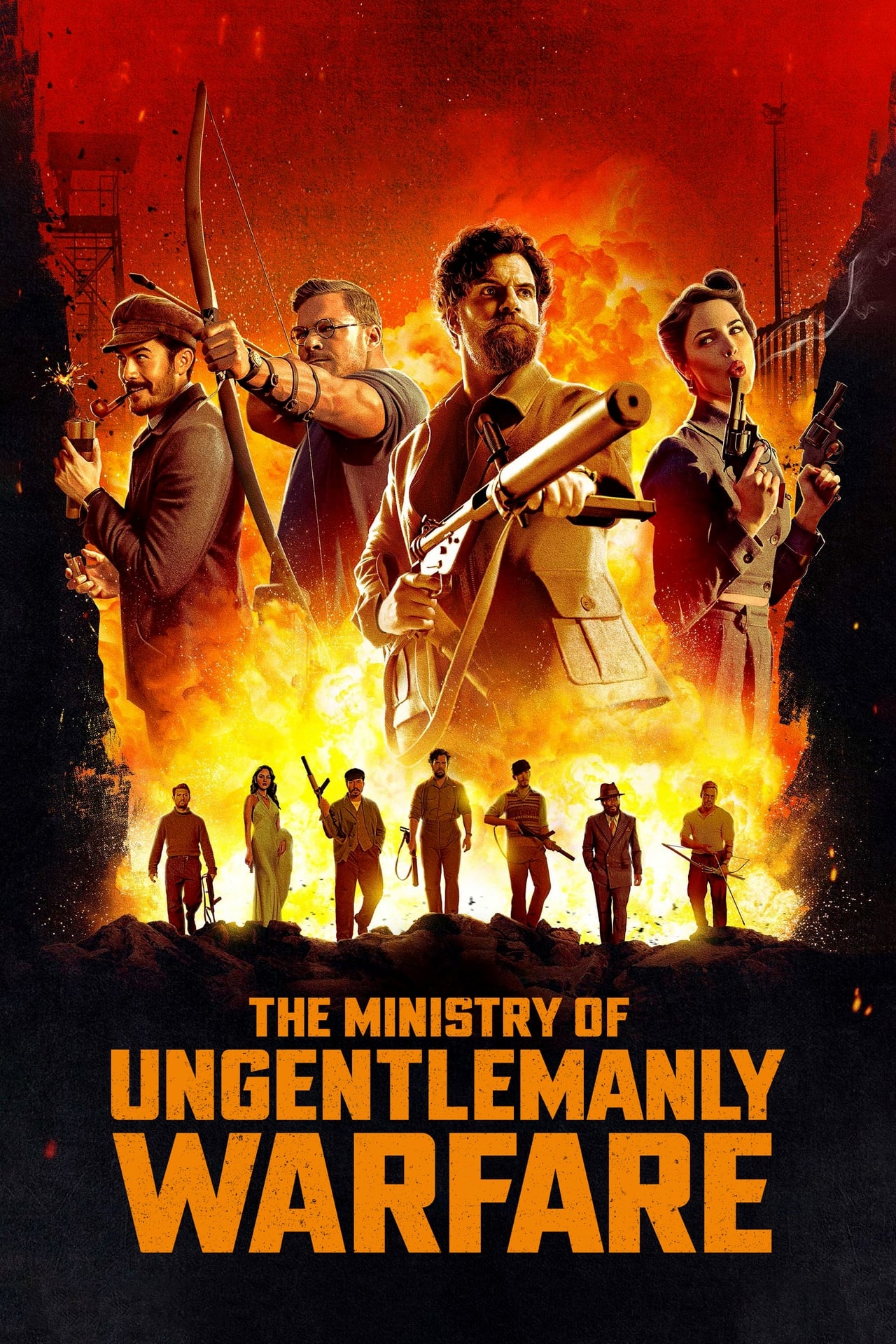
The Ministry of Ungentlemanly Warfare - dir. Guy Ritchie
Bozo cinema, pure video game nonsense. Literally has characters acquiring new weapons as they progress through level sequences, Cavill at one point dons a Nazi uniform for its fashionability which defeats any possible anti-fascist read. This is aesthetic pleasure, not political commentary. Ritchie is not a well-read artist but he does understand the animalistic pleasure of mowing down video game monsters. 7/10.
-
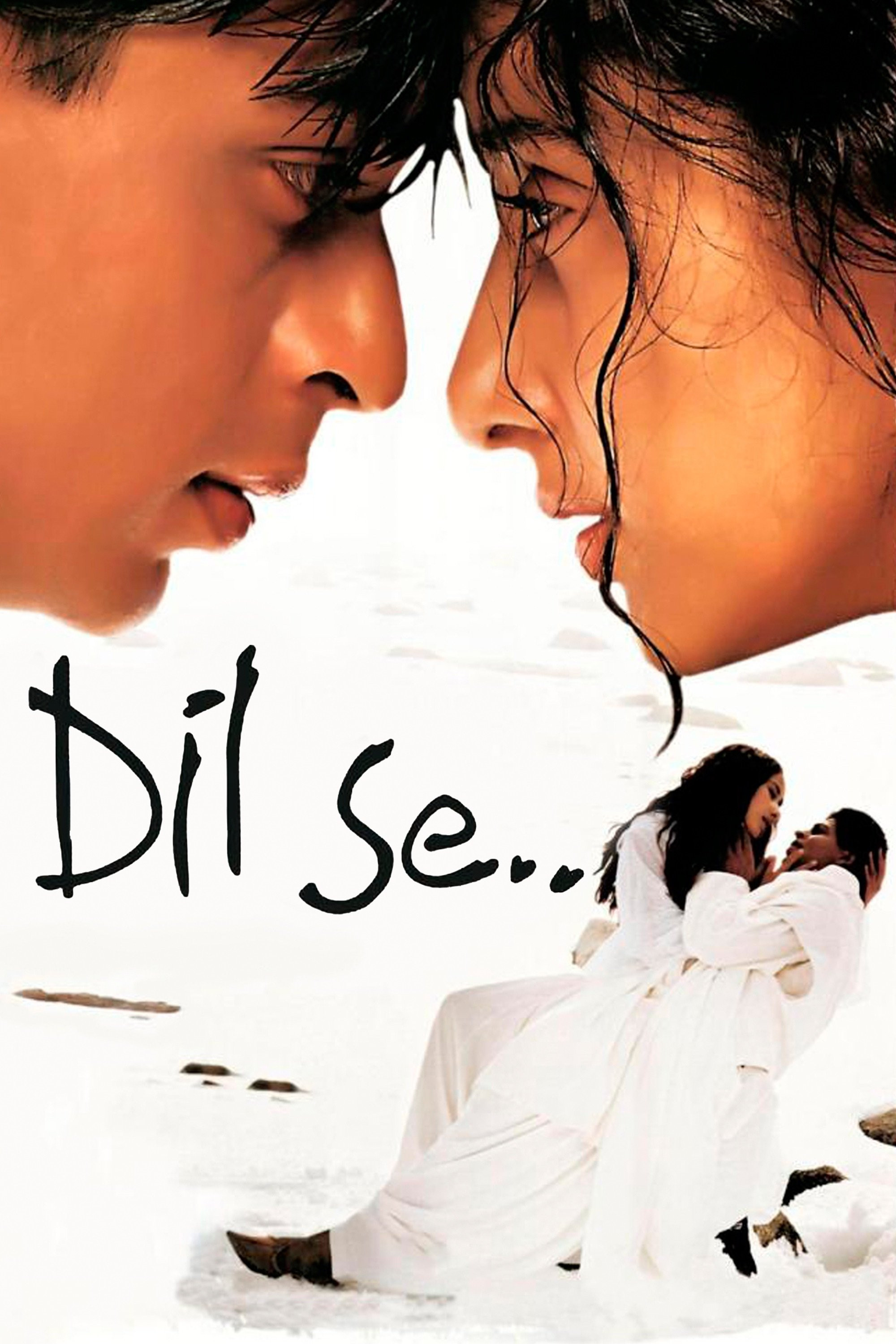
Dil Se.. - dir. Mani Ratnam
The liberal is content to sit on his hands and wait for things to resolve themselves. When counter-cultural agents seek to hasten the process of change the liberal is frustrated because from his perspective, there is no need to hasten what is already being processed. Fifty years! Is that not an abundant period of time for freedom to manifest? Can you not wait just a little longer for the injustice to be righted? While you wait, can you not stir the pot with your noise? Go through the proper channels. File a complaint. The power of democracy is there for you to exert your civic will.
Ratnam takes all the measure to ensure that the final outcome is nothing less than inevitable and avoidable. Amar’s relentless pursuit of Moina accelerates his demise. His need to control her costs them their lives. In most Bollywood romances Meina would fall for Amar. His dogged persistence would be cute instead of unnerving because she would yield to his advances. Here, this does not happen. Here, Meina reacts to her oppressor the way you’d expect–frigidity and barely concealed pain. The poster is totally and deliberately misleading. This is no romance, this is a political horror film. The trick Ratnam pulls is putting you in the shoes of the well-intentioned liberal radio broadcaster by refracting the political evil through broad romance.
All the evil in the world can basically be boiled down to humans wanting to control other humans–sexually, politically, interpersonally. The thing is, most oppressors will never admit that outright, hence why it’s important when criticizing these dynamics as artists we depict the mechanisms through which control is justified to itself. The patriarch wants to “protect” his woman, the colonizer wants to “enlighten” his subject. Benevolence is always used as a trojan horse for control. 8/10.
-

Samsara - dir. Lois Patiño
Beautiful sure but also a bit touristy. I guess you can chalk that up to ethnography and I appreciate the attempt. I’m not somebody who’s like “a westerner can’t make movies about people in the global south” it’s just, you gotta have some meat on the bones and this feels, in spite of its sheer aesthetic splendor, like an emotionally flat experience. 6/10.
-

The Time to Live and the Time to Die - dir. Hou Hsiao-hsen
Hou has long been one of my absolute favorite directors because he understands the pointlessness of youth. He has an intuitive grasp on how it feels to blink and forget what it is you were doing and why. Often it feels like his characters act more out of momentary impulse than calculation, which is why his movies have this dreamy sense of inescapability, since nobody is really fully aware of their own sentience. Oftentimes when I think back on my life that’s how it feels, like an unchanging dream that adjusts to my new perceptions. My 6 year old self is different to my 9 year old self, and he remains a different breed of enigma to my 23 year old self. Lacquered interpretations, preserved through effort, though the effort itself becomes obfuscation in its own right.
-

The Earrings of Madame de… - dir. Max Ophüls
Ophuls’ toughest film, at least out of the ones I’ve seen, because it feels fitting and yet antithetical to his style and approach… here the wild panning felt alienating and sad, not empathetic and rich. There’s a dullness to the sheen and glamor. Need more time with it, maybe a rewatch. 6/10.
-

In the White City - dir. Alain Tanner
The celluloid melts the individual into the canvas just as the human melts into the city around them. In many ways a film perfectly crafted for me. A loner bleeding his guts dry searching for meaning. What’s the objective? God knows. Sometimes what we see communicates more than what we say. 8/10.
-
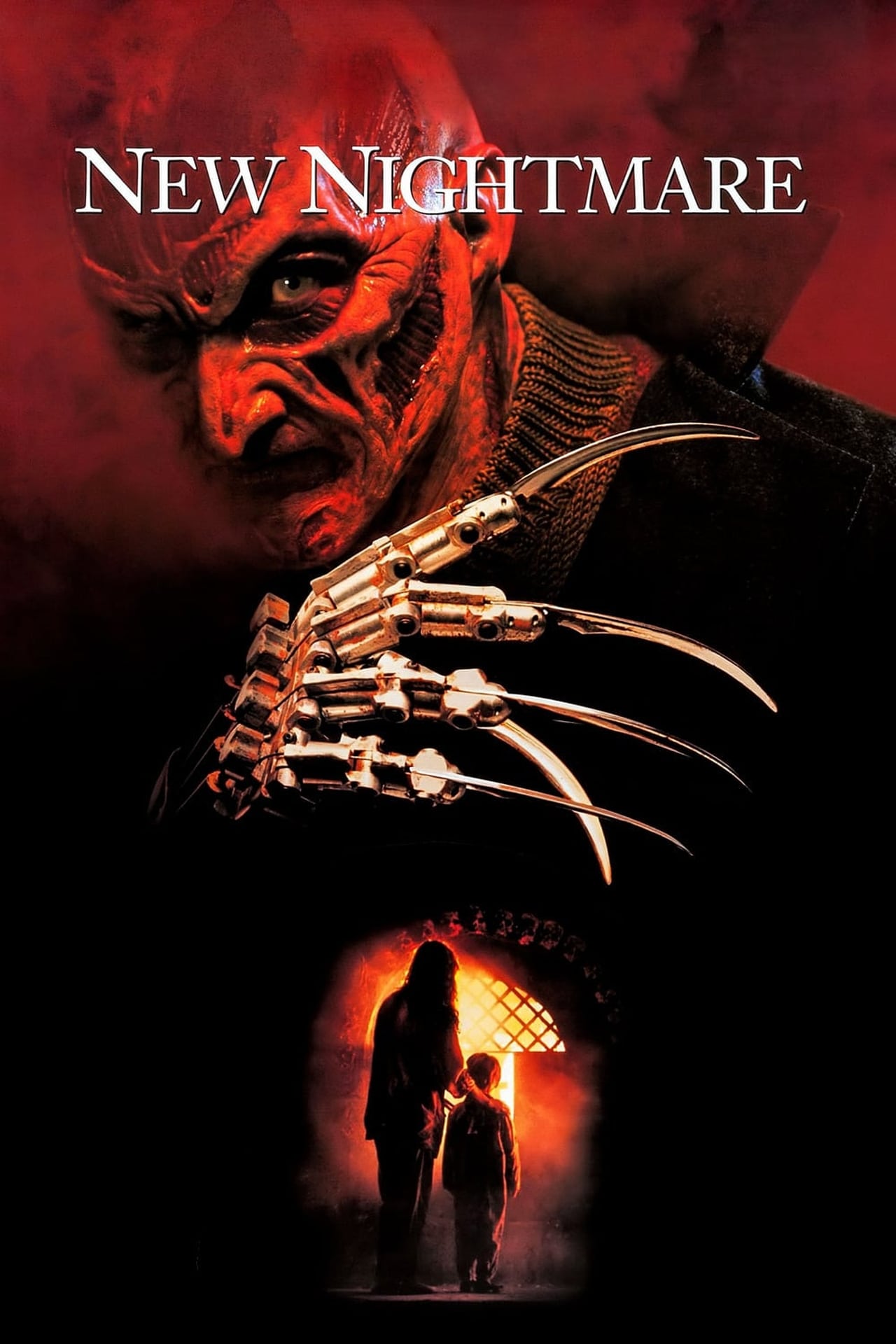
New Nightmare - dir. Wes Craven
Every time I watch a Wes Craven movie, with the exception of the original Nightmare on Elm Street, I’m struck by the pointlessness of the whole endeavor. Am I supposed to be invested in the relationship between mother and daughter? Well I can’t because neither of them can act. Am I supposed to be scared? Well I can’t because none of it is scary. Am I supposed to appreciate it on a formal level? Well I can’t because Wes Craven doesn’t really know how to frame shots. His best subversions come in the form of his scripts, like this and Scream where he intentionally toys with the trappings of the horror genre, and I guess that’s cool for some people but I didn’t like Scream in the slightest and I don’t like this either. 4/10.
-

The Tale of the Princess Kaguya - dir. Isao Takahata
The fallacy of determinism. When you see signs that are there and dramatically misinterpret them for cosmic directions. I think the ending is a bit of a head scratcher, even if the imagery and music is beautiful. I felt like it invalidated the entire middle section since none of the suitors nor her reactions to them ended up mattering. Kind of a woman’s Harakiri. Why do we bother with class and property and tradition? It’s sad and weird how her father becomes an automaton when he realizes his daughter can be exploited for material gain. Not casting aspersions–poverty fucking sucks–but still sad, nonetheless. 7/10.
-

John and Mary - dir. Peter Yates
Cute movie that I thought I would go nuts for… left me kinda flat though. Tries too hard to distract from the power of its own premise. 5/10.
-
Pacifiction - dir. Albert Serra
-

Vitalina Varela - dir. Pedro Costa
-

Nenette and Boni - dir. Claire Denis
-

The Deserted City - dir. Nobuhiko Obayashi
I’m so enamored with this film to the point where words escape me. Obayashi’s most formally rigorous work, probably the closest he’s come to creating something resembling a “real” movie with only a teaser in the beginning that showcases his playful manipulation of color only to fully commit to the vivid hues of memory as the film exits its own prologue.
As a piece of his filmography, Deserted City is by far his most exemplary in that it’s what I would show people to give them an introductory understanding of his interests and ideas–this and House, at least, to show off the dichotomy between his attachment to memory and how he likes to intentionally obliterate the logical connection between recollection and representation. It features a small amount of camera movement, as much of it is conveyed through wide angles and zooms. The place as a character, the act of remembrance an act of empty resurrection.
Part of Obayashi’s work has always been about the lie of nostalgia as much as it is about its tantalizing beauty, which is why here the idyllic countryside town is literally analogized to a kabuki theater performance. All masks, the livelihood of the canals a faux-reality that has no sustenance. And yet just like a kabuki performance the idea and memory of the place is unspeakably beautiful, something that cannot be appreciated in the moment but only through the sifting and erosion of time be understood as something sublime. 9/10.
-

A Traveler’s Needs - dir. Hong Sang-soo
-

By the Stream - dir. Hong Sang-soo
Haven’t been this disinterested in a Hong film maybe ever? Could’ve just been my own mood, really felt like spinning wheels though. 4/10.
-

What Does That Nature Say to You - dir. Hong Sang-soo
-

Cloud - dir. Kiyoshi Kurosawa
The ideas of Naqoyqatsi converted into bleak narrative. The parasitism of the exchange economy has never looked so dour. Scorsese at least will sell you on the addictive nature of sin, Kurosawa doesn’t even try. Nothing about this man’s life is at all appealing. He doesn’t use his wins to buy sports cars, to sleep with supermodels, or even as a token of social currency with his friends. In Scorsese’s anti-capitalist screeds there is at least a kind of camaraderie that forms between his denizens. The only bonds here are forged through ritualized torment. A bunch of guys meeting up to stream the agonizing revenge fantasy of getting back the guy who scammed them. It’s a little too hand-wrung for me, especially towards the second half where Kurosawa drably films a bunch of uninspired gunplay, but it’s so ruthlessly exacting that I couldn’t help but buy into its hellish clairvoyance. 7/10.
-

An Unfinished Film - dir. Lou Ye
More curious than it is tactile, but as the first working model of life in the post-COVID era it’s at least got its messiness in the right place. I feel like this is the kind of movie that a Lou Ye auteurist would justify no matter the quality, which is not a comment on the actual merit of the film itself just what I perceive to be interesting ideas without interesting conclusions. I may change my mind on this in a few years. 6/10.
-

Nobody Knows - dir. Hirokazu Kore-eda
The more hopeless their situation becomes the more Kore-eda composes his frames, when the mother is around it’s all handheld because for once the childrens’ situation is suspended and not veering into total collapse. It is ironic that the more anarchic their abandonment becomes the colder and more resolute the editing and cinematography. Fewer cuts, lethargic, malnourished.
What I like about Kore-eda is that he’s one of the few Japanese filmmakers who is willing to make pointed social critique of his own country. Look, I love Japanese food and I love Japanese cinema… but let’s be honest with ourselves: there’s a reason they have some of the highest alcoholism and suicide rates on the planet. This is a society where individuals fall through the cracks and gerontocratic rule places the whims of the old over the needs of the young. The insistence on tradition and deference to the elderly will, ironically, kill a society and Kore-eda understands this well, which is why every single one of his movies (that I’ve seen) deals with the young being let down by the old.
You see this play out in the scene where Akira is suspected by the owner of the konbini of shoplifting and is only let off the hook thanks to the younger employee backing him up. The only people who can fully help or understand the kids are young people themselves, while the old only serve as obstacles or oppressors. You again see this play out in the pedophilic dynamic between Saki and the older guy who pays for her time via enjo kōsai. A small scene which further serves to illustrate the categoric disregard that Japanese elders have for the youth of their country. How can you expect your society to thrive when you kneecap your own future like that?
Yukiko Ehara is genius casting for the mother because she has this babyish voice that is likable in other contexts but deeply infuriating here. Japan has a history of using “kawaii” aesthetics to disguise their monstrous history (they still have not apologized for the war crimes committed during WW2) and Ehara is a perfect stand-in for this idea–her cutesy demeanor conceals a torrid narcissism. No accountability and no responsibility, a symptom of a diseased society. 8/10.
-

Blood Simple - dir. Coen Brothers
Circling the drain. All the hallmarks of television with none of its pace or ideals. In many ways the Coens were perfecting the prestige television formula only applying classic cinematic technique and Jewish hand wringing pessimism. The Christian doctrine says God belongs to humanity, and was bestowed to us through His son. The Jewish doctrine says God is unknowable. Bullet holes at random, try to control the chaos of your life at your own peril. 7/10.
-

Miller’s Crossing - dir. Coen Brothers
Is it possible for a movie to be TOO good? This is so airtight that it’s legitimately stifling. Pretty much impossible to write a single word about it, lest I rehash what it telegraphs. The Coens don’t know how to create a bad movie, the worst they can stoop is average. Do we know WHY we do things? You can see the influence of Cormac McCarthy long before they got around to adapting him. America as a hotbed of sin, and the bed ain’t even warm with blood. That shit dried a long time ago, before you got around to catching some Z’s in it. 7/10.
-

Naked Lunch - dir. David Cronenberg
Criterion 2026
-
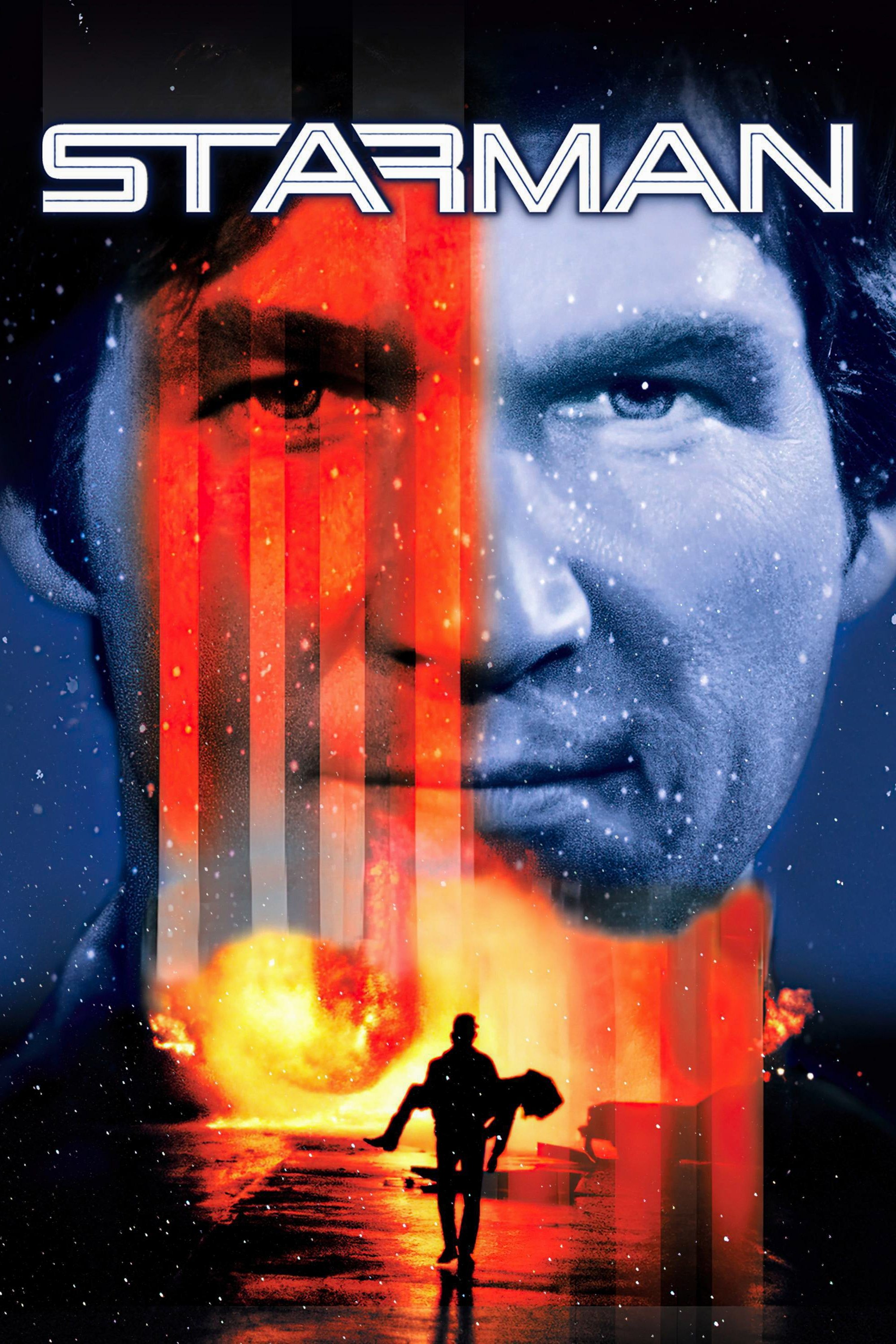
Starman - dir. John Carpenter
And when I close my eyes you’ll be there imprinted on the inside of my eyelids. And when I open them your face will fade. But when I close them again it will be as if the cosmos is there, all the possibility contained within the dream that is your blue expanse. I will never forget your smile. I will never forget how you cried. I will never forget how you broke down into a fetal curl as I held you in your bed. You are not dead but someday you will be and sometimes I feel like I can, through fourth dimensional means, experience this grief as if it is fresh like the spring rain on my face. I miss you even though you are here, will always be here and always not be here. When my eyes open, when my eyes close. The power of the cinema. 8/10.
-

Big Trouble in Little China - dir. John Carpenter
-
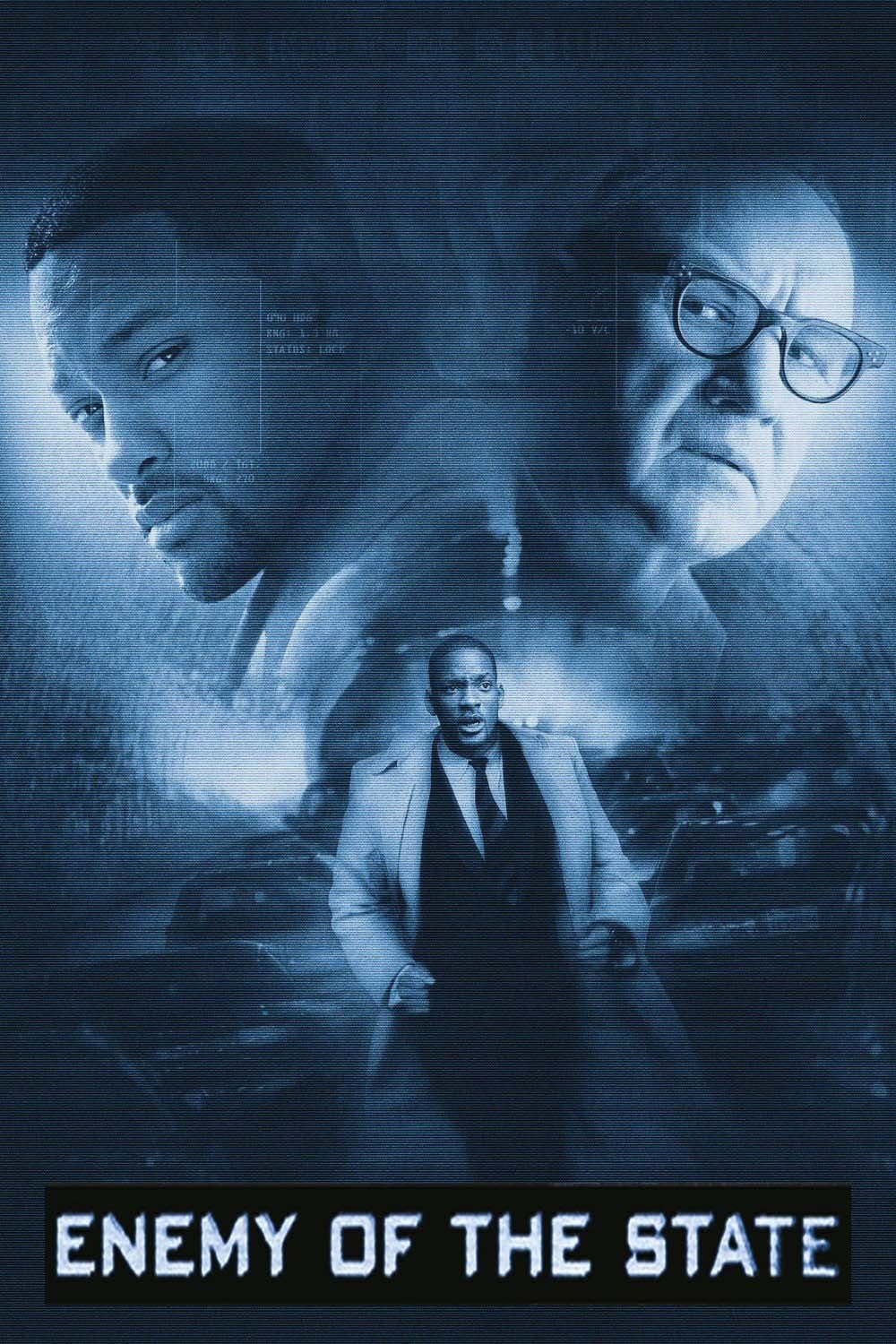
Enemy of the State - dir. Tony Scott
Somehow, this movie came out before 9/11, before it was widely known that the US was spying on its own citizens, before we used terrorism as vindication for constructing the apparatus of the modern day surveillance state. The movie understands that our overlords aren’t shadowy cultists but tech dweebs. Tony Scott turns everything he touches into maximalist entertainment. You can say a lot about his frenetic filmmaking style, one thing you can’t say is that it’s dull. 7/10.
-

Talk to Her - dir. Pedro Almodóvar
-

Battles Without Honor and Humanity - dir. Kinji Fukasaku
-

My Night at Maud’s - dir. Éric Rohmer
-

Mysterious Object at Noon - dir. Apichatpong Weerasethakul
-

Fatal Attraction - dir. Adrian Lyne
Sometimes when I have a sneaking suspicion that a director is a hack, I try to compare how better directors handle similar material. In this case I will use Paul Verhoeven and David Fincher as examples. Look at Basic Instinct, an erotic thriller from this era that actually works, feels sexy, thrilling, and most importantly… is fun to watch.
Lyne sucks because he takes tense premises and squeezes the life out of them through flat, predictable direction. He wants so badly to be seen as a purveyor of risque trash but his work is stifled by its own mannerism. I suspect him being British has something to do with it, he thinks his work is edgy but it couldn’t be more restrained.
The most sexy scene in this movie has absolutely nothing on Bitter Moon or Basic Instinct, two far superior erotic thrillers. Look at something like Jacob’s Ladder, a huge conspiratorial mindfuck that ends up reduced to nothing more refined and classy than a soldier’s PTSD induced death dream. Compare that to Fincher’s embrace of the pulp in The Game, where the conspiracy isn’t shied away from.
Sniperman720 wrote a great hit piece on this movie where he talks about its baby boomer narcissism–I can kind of see that, but I think this film suffers more from self-seriousness than ideological failure. It’s made by a hack who can’t make a good movie despite knowing all the tricks (dutch angles, motifs, etc). Pretty worthless stuff. A character drama that thinks it’s an erotic thriller, but lacks eros or thrills and also lacks enough character/motivation to be a drama. 4/10.
-

The Mission - dir. Johnnie To
-

Mystic River - dir. Clint Eastwoood
-

Ishtar - dir. Elaine May
-

Sorcerer - dir. William Friedkin
-

The Code - dir. Eugene Kotlyarenko
The movie Kotlyarenko has been building towards for his entire career, the fully realized late-stage digitopia reserved of any snide judgment. Finally, the postmodern master of the screen life genre has found equilibrium in satirization and sincerity.
Sometimes it feels like our fundamentals as humans have been corrupted by the web worlds we inhabit; porn addiction, online gambling, AI generated garbage. It feels as if we cannot get back a shred of our innocence. The Code ends on a coda of truth: nothing about love has fundamentally changed since we first left the ocean. There were never rules to this shit, we’ve always been fumbling for answers and reasons and we’ve always been spiteful and petty and we’ve always had affection and trust.
COVID was an epoch, a tiny one at that. The collective delusions we suffered were not indicators of our worth as a species or our ability to love one another. We may not be in a good state but that doesn’t mean we can’t find love in this hopeless place. 7/10.
-
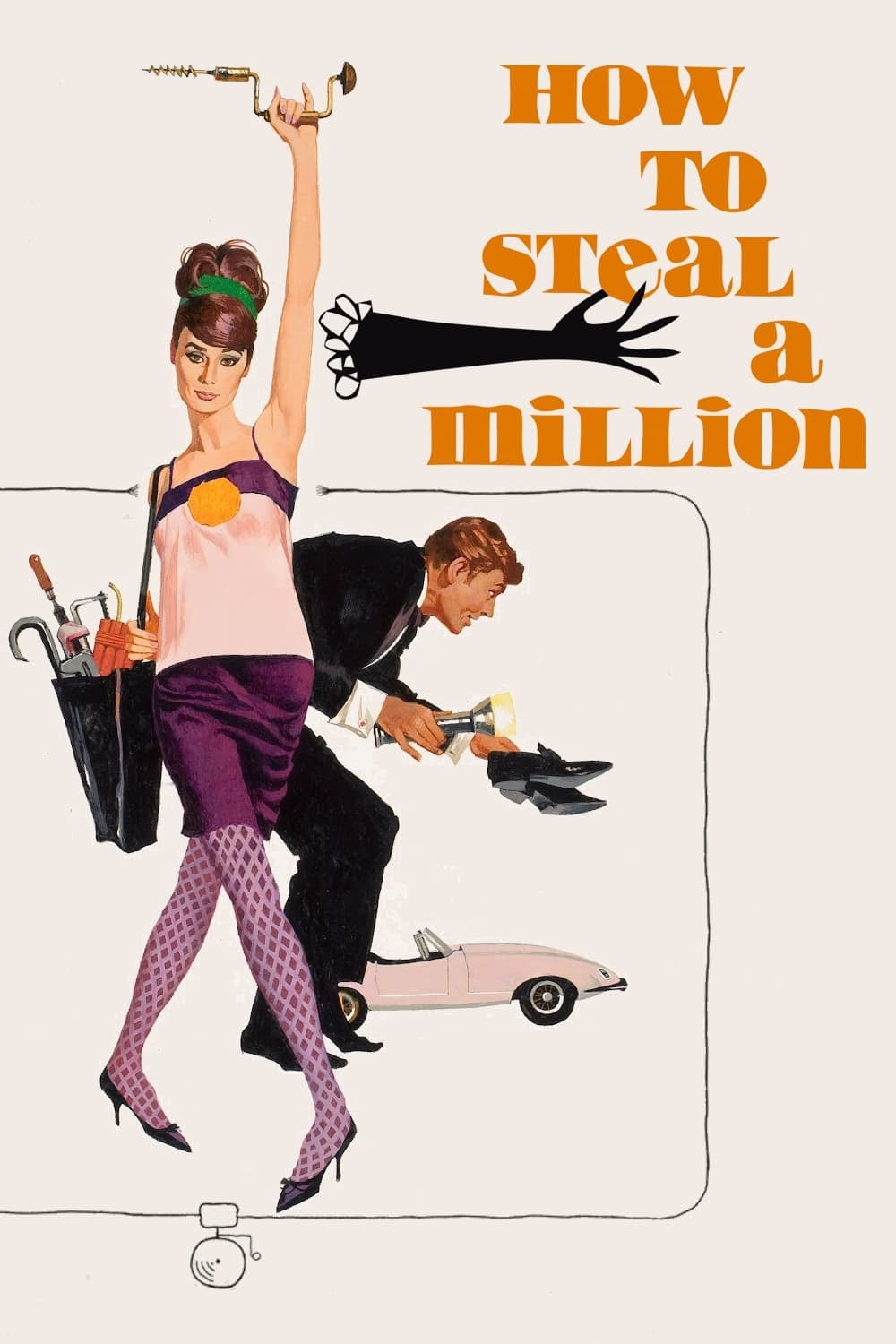
How to Steal a Million - dir. William Wyler
I’ll probably look back on this statement with embarrassment: William Wyler is sort of what Luchino Visconti would’ve looked like had he been churned through old Hollywood. Classical beauty, a pretty lie, but don’t you just want to see the job through anyway? Wyler’s got zero beliefs, I’m quite sure of it, though you can’t help but look at his images in awe. 7/10.
-

Eyimofe (This Is My Desire) - dir. Chuko Esiri
Criterion Challenge 2026
-
India Song - dir. Marguerite Duras
Criterion Challenge 2026
-

Compensation - dir. Zeinabu Irene Davis
Criterion Challenge 2026
-
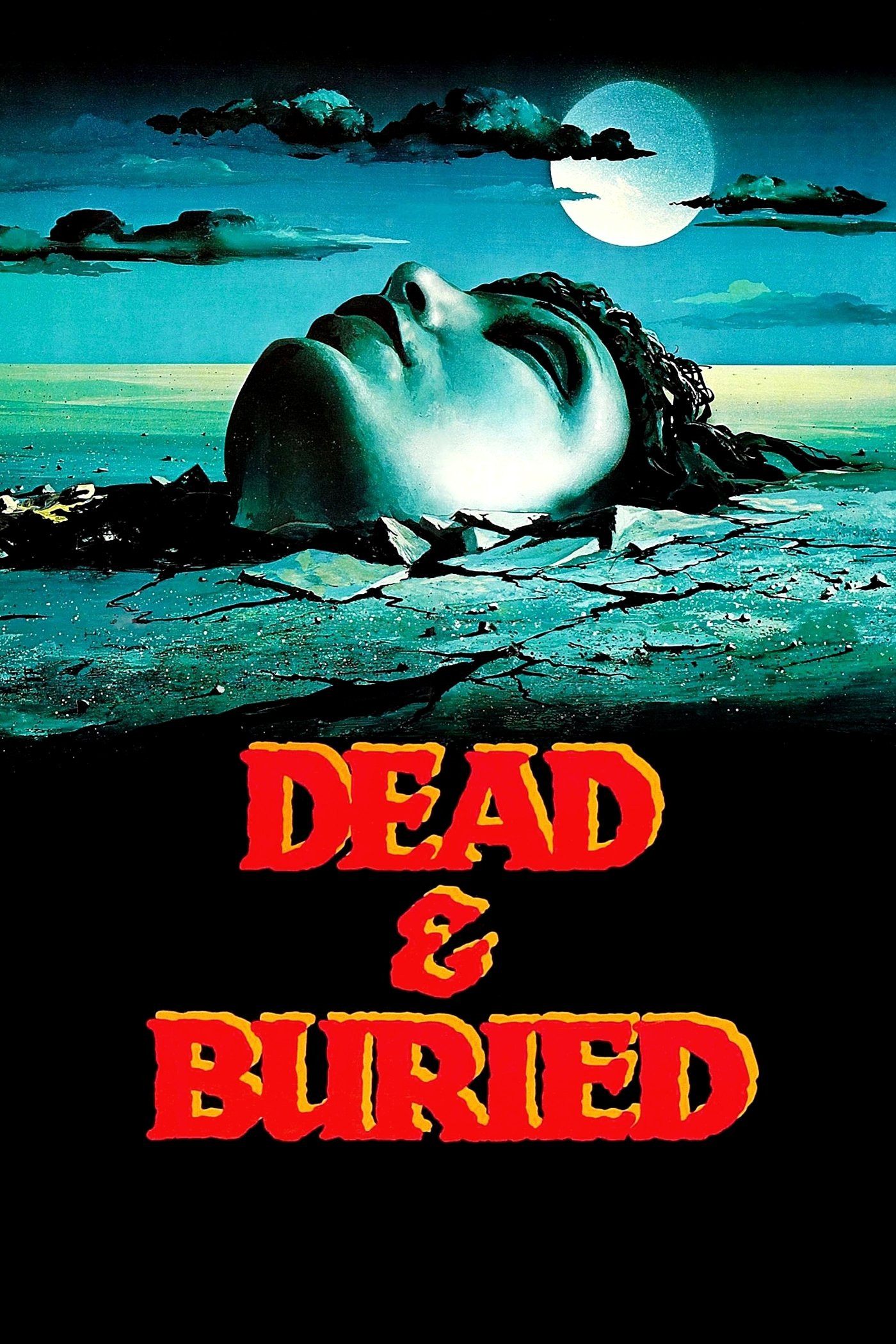
Dead and Buried - dir. Gary Sherman
-
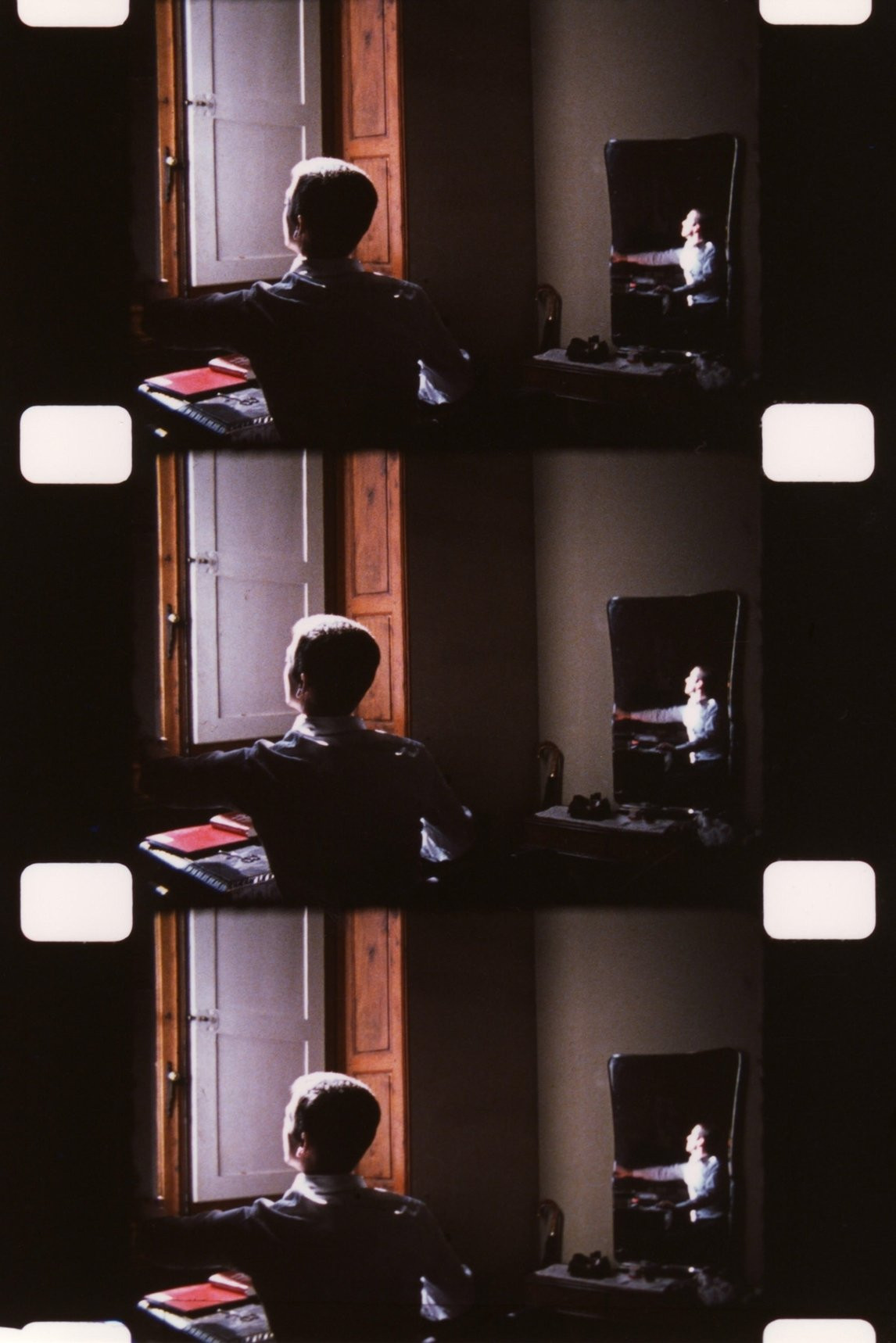
From the Notebook Of… - dir. Robert Beavers
-
Vengeance is Mine - dir. Michael Roemer
-
Home - dir. Leonor Teles
-

The Exploding Girl - dir. Bradley Rust Gray
-
Wild Search - dir. Ringo Lam
-

Spermworld - dir. Lance Oppenheim
-
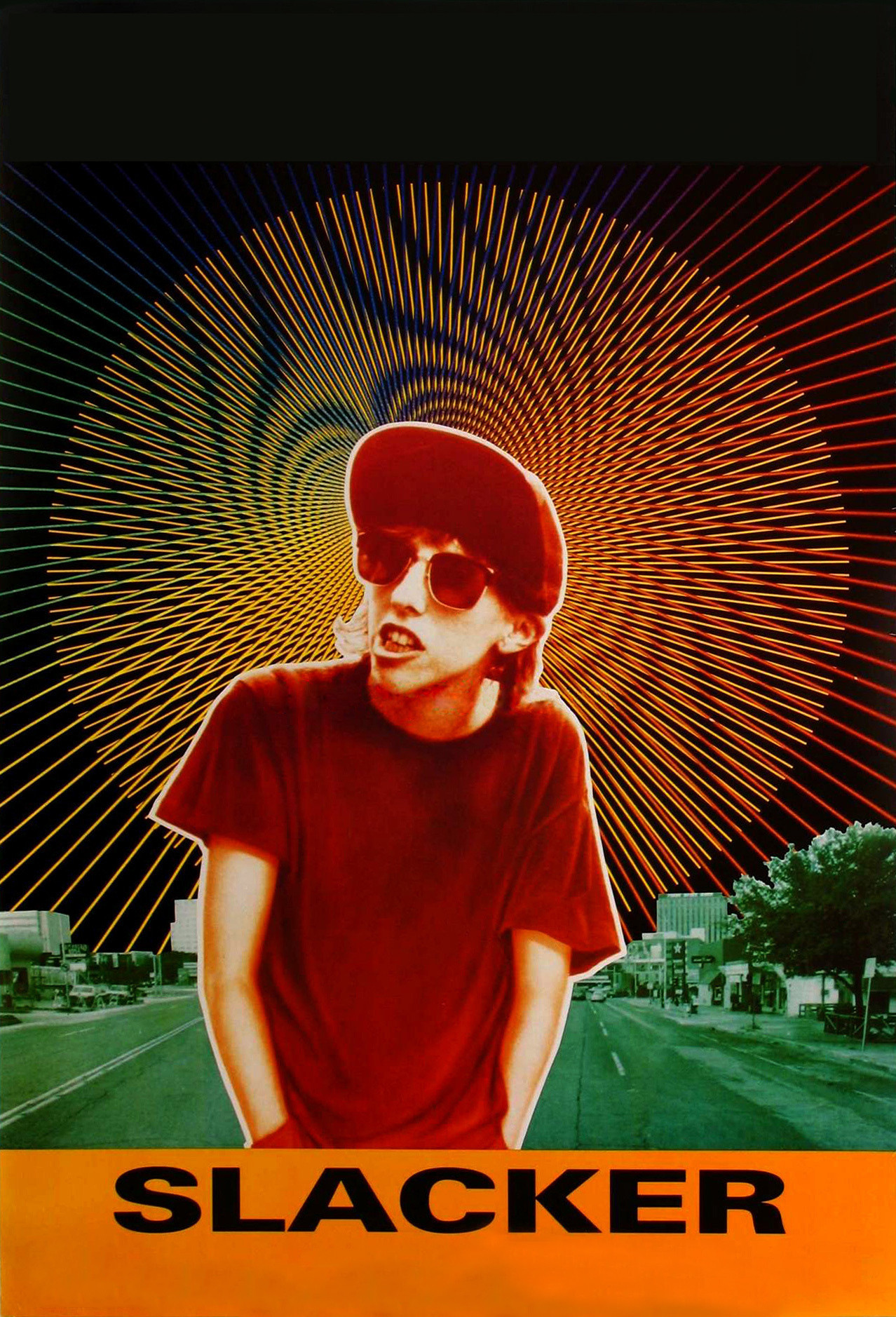
Slacker - dir. Richard Linklater
-
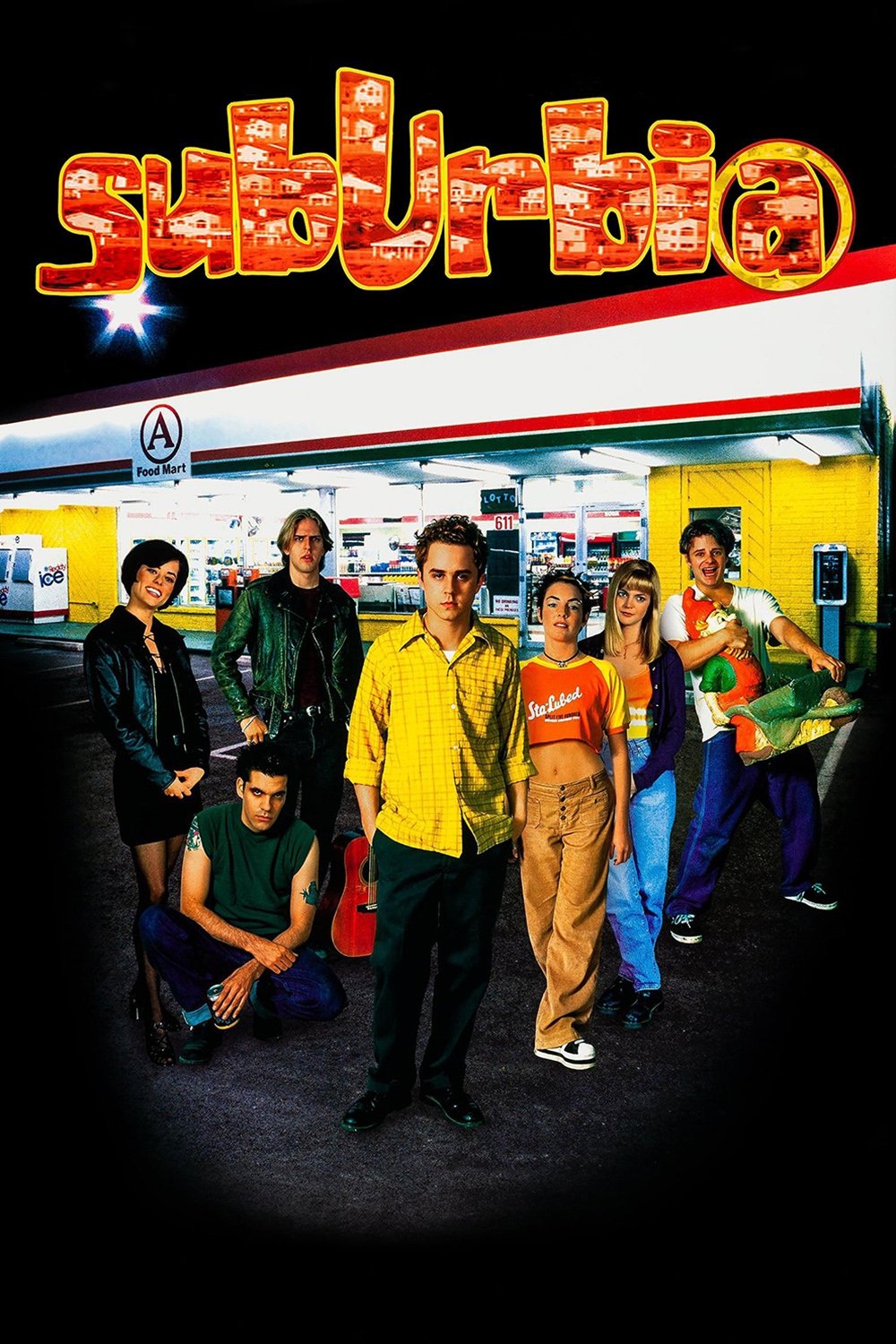
SubUrbia - dir. Richard Linklater
-
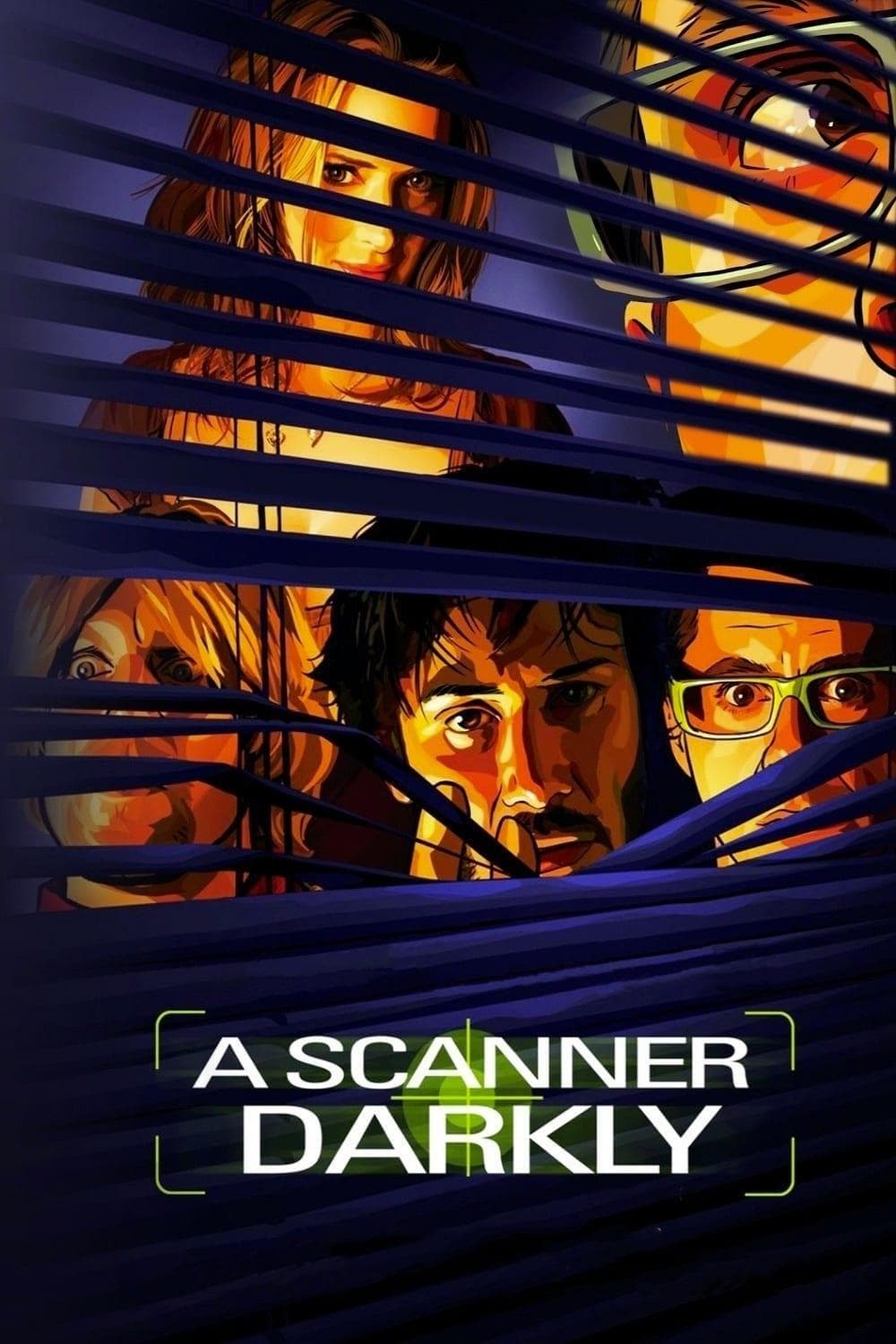
A Scanner Darkly - dir. Richard Linklater
-

Serpent’s Path - dir. Kiyoshi Kurosawa
-

The Celebration - dir. Thomas Vinterberg
-

Secrets & Lies - dir. Mike Leigh
-
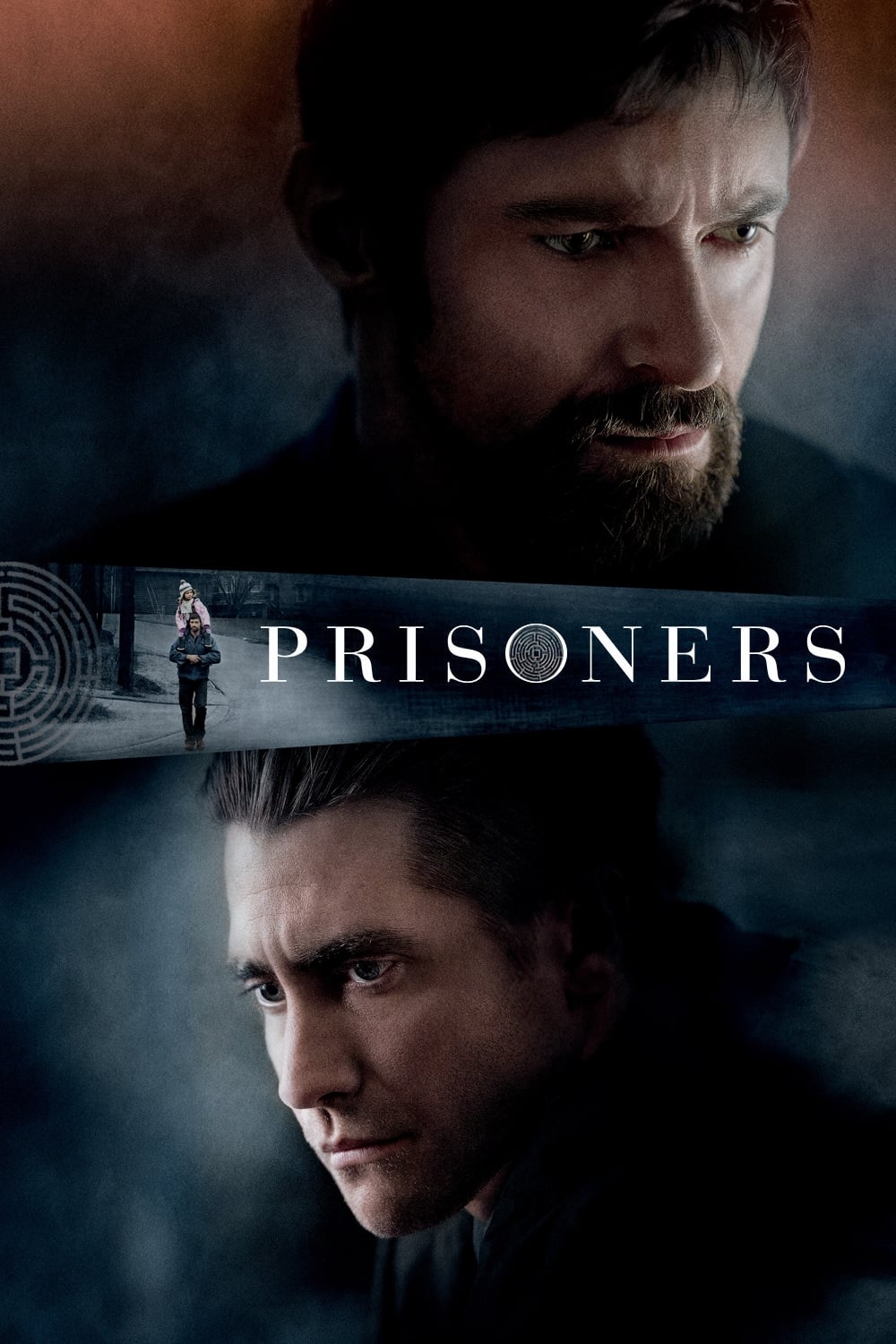
Prisoners - dir. Denis Villeneuve
Awful melodramatic histrionics until the third act where Villeneuve forgets about the fool’s errand that is “conveying human emotion” (something he has never been able to do) and taps into something more clinically achievable–that is crafting legitimate suspense. At the very least the end is watchable and gripping. Detective Loki is such a bizarre character. This whole thing really plays like “what if Murakami was grey and lame and wanted an Oscar very badly” but Loki adds a touch of surreal wonder to this heavy affair and Gyllenhaal is, as always, excellent at playing weirdos. 6/10.
-

Chameleon - dir. Jon Jost
-

Rembrandt Laughing - dir. Jon Jost
-

Sure Fire - dir. Jon Jost